
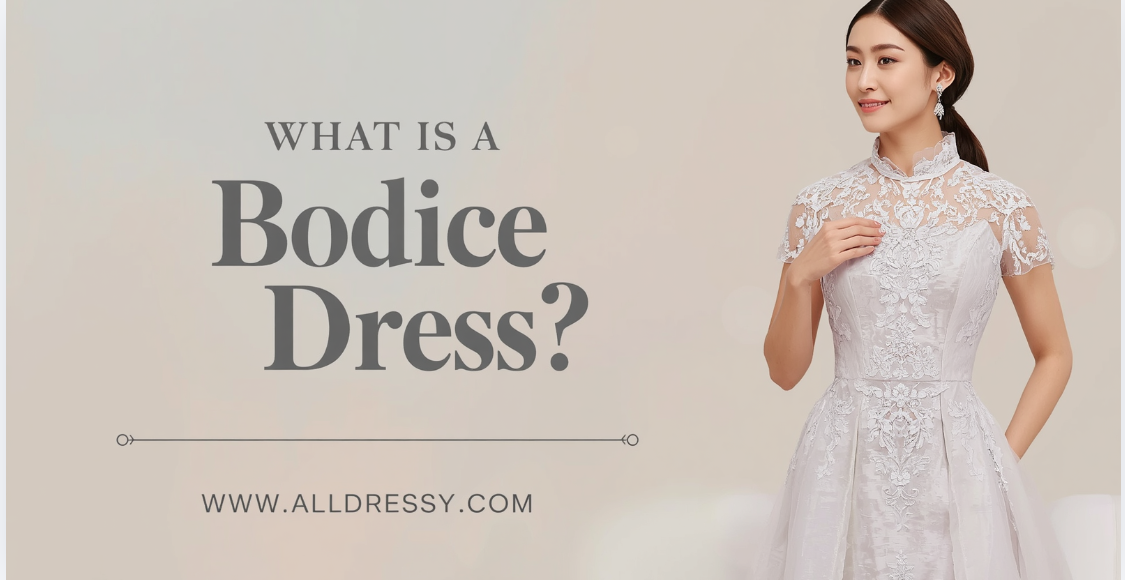
If you are searching for what is a bodice dress, you are exploring one of the most foundational concepts in fashion design. A bodice dress refers to a dress where the upper part—the bodice—is structured, fitted, or designed to shape and support the torso, usually from the shoulders to the waist, before flowing into a skirt.
Understanding what is a bodice dress is essential because the bodice is not just a part of the dress—it is the core structure that defines fit, silhouette, and overall style. Whether it is a wedding gown, evening dress, ball gown, or modern fashion piece, the bodice plays a critical role in shaping how the entire outfit looks and feels.
Unlike loose or flowy dress designs, a bodice dress emphasizes structure in the upper body. It may include tailoring elements like seams, darts, boning, corset-style construction, or fitted panels that enhance shape and provide support.
This comprehensive guide explores everything about bodice dresses, including their definition, history, structure, types, fabrics, styling methods, body shape suitability, modern fashion trends, and how they differ from other dress styles.
What Is a Bodice Dress? Understanding the Core Definition
To fully understand what is a bodice dress, we must first define the bodice itself.
The bodice is the upper portion of a dress that covers:
- The bust
- The waist
- The back
- Sometimes part of the shoulders
A bodice dress is any dress where this section is intentionally structured, fitted, or designed to shape the upper body.
The bodice may be:
- Tight-fitting (like corset styles)
- Structured with seams and darts
- Supportive with boning or internal shaping
- Fashionably tailored for silhouette definition
Below the bodice, the dress typically transitions into a skirt, which can be flowy, fitted, pleated, or layered.
What Is a Bodice Dress in Fashion History?
The concept of the bodice dates back centuries and has evolved significantly over time.
Medieval and Renaissance Era
In early European fashion, bodices were separate garments worn with skirts. They were:
- Structured with laces
- Often stiffened with fabric layers
- Designed to shape the upper body
Victorian Era
The bodice became more structured and symbolic of elegance.
Features included:
- Corsetry
- Tight waist definition
- Decorative lace and embroidery
- High necklines in formal wear
20th Century Evolution
Fashion designers began integrating bodices into full dresses.
This allowed:
- More comfort
- Modern silhouettes
- Greater design freedom
Modern Fashion Era
Today, bodice dresses are seen in:
- Bridal gowns
- Evening dresses
- Cocktail dresses
- Red carpet fashion
- Casual structured dresses
The bodice is now both functional and decorative.
What Is a Bodice Dress Structure and Design?
The structure of a bodice dress is what sets it apart from other styles.
Upper Bodice Construction
The bodice is typically built using:
- Darts (for shaping)
- Seams (for contouring)
- Boning (for structure)
- Lining (for comfort and support)
- Cups or padding (in formal wear)
These elements help create a sculpted upper silhouette.
Waistline Definition
The bodice usually ends at or just above the natural waist.
This creates:
- An hourglass illusion
- Defined separation between top and skirt
- Balanced proportions
Skirt Attachment
The skirt can vary widely:
- A-line
- Ball gown
- Mermaid
- Pencil
- Flared or pleated
The contrast between a structured bodice and flowing skirt is a key design feature.
What Is a Bodice Dress Made Of? Best Fabrics Explained
Fabric choice greatly influences the appearance and structure of a bodice dress.
Satin Bodice Dresses
Satin is one of the most popular fabrics for bodice dresses.
Benefits:
- Smooth finish
- Luxurious shine
- Elegant drape
- Ideal for formal wear
Satin enhances the structured look of the bodice.
Silk Bodice Dresses
Silk offers natural elegance.
Features:
- Soft texture
- Breathable material
- Premium appearance
Silk bodice dresses are often used in high-end fashion and bridal wear.
Lace Bodice Dresses
Lace adds decorative detail to the bodice.
Advantages include:
- Romantic look
- Feminine design
- Intricate patterns
Often used in wedding and evening dresses.
Tulle Bodice Dresses
Tulle is lightweight and airy.
It is commonly used in:
- Ball gowns
- Princess-style dresses
- Layered skirts
Cotton and Blended Fabrics
Used in casual bodice dresses:
- Comfortable
- Breathable
- Easy to maintain
Velvet Bodice Dresses
Velvet adds richness and depth.
Best for:
- Winter fashion
- Evening events
- Formal occasions
What Is a Bodice Dress for Different Dress Styles?
Bodices appear in many types of dresses.
Ball Gown Bodice Dress
Features:
- Fitted bodice
- Full, voluminous skirt
- Dramatic silhouette
Often worn at weddings and formal events.
A-Line Bodice Dress
Features:
- Structured bodice
- Gradually flared skirt
Flattering for most body types.
Mermaid Bodice Dress
Features:
- Tight bodice
- Fitted through hips
- Flared hem
Common in evening gowns.
Sheath Bodice Dress
Features:
- Close-fitting bodice
- Straight silhouette
- Minimal flare
Modern and elegant.
Corset Bodice Dress
Features:
- Strong structure
- Boning support
- Lace-up or fitted closure
Enhances waist definition significantly.
What Is a Bodice Dress for Body Shapes?
One of the biggest advantages of bodice dresses is their versatility.
Hourglass Shape
Enhances natural curves and waist definition.
Pear Shape
Balances hips by drawing attention to the upper body.
Apple Shape
Provides structure and defines the waist area.
Rectangle Shape
Creates the illusion of curves.
Petite Frame
Adds proportion and structure without overwhelming the body.
What Is a Bodice Dress for Occasions?
Bodice dresses are suitable for many events.
Wedding Bodice Dresses
Common features:
- Lace bodices
- Satin or silk materials
- Long flowing skirts
Ideal for brides and guests.
Evening Bodice Dresses
Features include:
- Embellishments
- Metallic tones
- Structured silhouettes
Cocktail Bodice Dresses
Shorter versions with:
- Fitted bodices
- Knee-length skirts
- Stylish cuts
Casual Bodice Dresses
Made with:
- Cotton
- Lightweight fabrics
- Simple designs
Perfect for daily wear.
Formal Bodice Dresses
Designed with:
- Luxurious fabrics
- Strong structure
- Elegant detailing
What Is a Bodice Dress Styling Guide?
Styling a bodice dress depends on balance and occasion.
Accessories for Bodice Dresses
Because bodices are structured, accessories should complement without overpowering.
Best choices:
- Delicate necklaces
- Statement earrings
- Thin belts
- Elegant bracelets
- Small clutches
Shoes for Bodice Dresses
Footwear depends on the style.
Formal Options
- Heels
- Stilettos
- Strappy sandals
Casual Options
- Flats
- Ballet shoes
- Sandals
Outerwear Pairing
Bodice dresses pair well with:
- Shawls
- Boleros
- Blazers
- Light jackets
What Is a Bodice Dress in Modern Fashion Trends?
Modern designers continuously reinvent bodice dresses.
Minimalist Bodice Dresses
Simple designs with clean lines and neutral tones.
Romantic Bodice Dresses
Featuring lace, ruffles, and soft fabrics.
Structured Modern Bodice Dresses
Sharp tailoring with contemporary silhouettes.
Off-Shoulder Bodice Dresses
Highlighting neckline and shoulders.
Strapless Bodice Dresses
Popular in formal and evening fashion.
What Is a Bodice Dress Compared to Other Dresses?
Understanding differences helps clarify the concept.
Bodice Dress vs Shift Dress
- Bodice: Fitted upper structure
- Shift: Straight, loose fit
Bodice Dress vs Empire Waist Dress
- Bodice: Defined waistline
- Empire: High waist under bust
Bodice Dress vs Blouson Dress
- Bodice: Structured fit
- Blouson: Loose upper drape
What Is a Bodice Dress in Seasonal Fashion?
Spring Bodice Dresses
Light fabrics and floral designs.
Summer Bodice Dresses
Breathable materials and sleeveless styles.
Fall Bodice Dresses
Earth tones, heavier fabrics, layered looks.
Winter Bodice Dresses
Velvet, long sleeves, and rich textures.
What Is a Bodice Dress in Modern Fashion Importance?
The bodice dress remains essential in fashion because it combines structure, elegance, and versatility. It is a foundational design element that allows dresses to achieve both form-fitting beauty and flowing movement.
The bodice provides support, shape, and definition while allowing designers to experiment with skirts, fabrics, and styles. This balance between structure and creativity is why bodice dresses continue to dominate bridal fashion, evening wear, and modern couture collections.
.
FAQs About What Is a Bodice Dress
What is a bodice dress in simple words?
A bodice dress is a dress where the upper part (bodice) is fitted or structured to shape the torso, while the lower part flows into a skirt. The bodice usually defines the waist and provides support and structure.
Why is it called a bodice dress?
It is called a bodice dress because the main design focus is the bodice—the upper section of the dress that covers the bust, waist, and back. This part is specially tailored to create shape and structure.
What is the purpose of a bodice in a dress?
The bodice provides structure, support, and shape. It helps define the waist, enhance body proportions, and improve the overall fit of the dress, especially in formal and fitted designs.
What types of dresses have a bodice?
Many dress styles include a bodice, such as:
- Ball gowns
- A-line dresses
- Mermaid dresses
- Sheath dresses
- Corset dresses
- Wedding gowns
- Evening dresses
Is a bodice dress flattering for all body types?
Yes, bodice dresses are generally flattering for most body types because they define the waist and balance proportions. They can enhance curves or create the illusion of an hourglass shape.
What fabrics are commonly used for bodice dresses?
Common fabrics include satin, silk, lace, tulle, velvet, cotton, and blended materials. Structured fabrics help shape the bodice, while softer fabrics create a more flowing look.
Are bodice dresses only for formal occasions?
No, bodice dresses are not limited to formal wear. While they are popular in weddings and evening events, they also appear in casual, office, and everyday fashion depending on the fabric and design.
What is the difference between a bodice dress and a regular dress?
A bodice dress has a clearly structured and fitted upper section, while a regular dress may be loose or uniform in shape from top to bottom without a defined bodice structure.
Can bodice dresses be strapless?
Yes, many bodice dresses are strapless. They rely on internal structure, boning, or tight tailoring to stay in place while maintaining shape and support.
What accessories go best with a bodice dress?
Minimal and elegant accessories work best, such as delicate necklaces, statement earrings, thin belts, and small clutches. The goal is to complement the structured bodice without overwhelming it.
Are bodice dresses still in fashion?
Yes, bodice dresses remain very popular in modern fashion. Designers continue to use bodice structures in bridal wear, evening gowns, and contemporary dresses due to their timeless elegance.
Conclusion
Understanding what is a bodice dress gives you a deeper appreciation of one of the most important foundations in fashion design. A bodice dress is defined by its structured upper section, which shapes and supports the torso while creating a flattering silhouette that flows into a skirt. This combination of structure and elegance is what makes bodice dresses timeless and widely loved across generations.
The bodice plays a key role in defining fit, style, and proportion. Whether it appears in a wedding gown, evening dress, cocktail outfit, or casual dress, it enhances the overall appearance by emphasizing the waist and improving body balance. From corset-style designs to soft lace bodices and modern minimalist interpretations, this design element continues to evolve while maintaining its classic appeal.
Another reason bodice dresses remain popular is their versatility. They suit a wide range of body types and can be styled for nearly any occasion depending on fabric, length, and detailing. Luxurious materials like satin, silk, and velvet make them perfect for formal events, while cotton and blended fabrics allow for more relaxed everyday wear.
Ultimately, the bodice dress is a perfect blend of structure, femininity, and timeless fashion. It highlights the importance of tailoring in clothing design and shows how a well-constructed upper body section can transform an entire outfit. Whether traditional or modern, simple or elaborate, the bodice dress continues to be a defining piece in fashion history and contemporary style.