
In an era where the lines between professional life, leisure, and domesticity have permanently blurred, our wardrobes have undergone a quiet revolution. Out of this shift, one garment has risen to absolute prominence: the house dress. But what are house dresses, where did they come from, and why has this historical staple captured the hearts of modern fashion enthusiasts globally?
Far from being a mere relic of mid-century homemaking, the contemporary house dress represents a masterful intersection of comfort, practicality, and effortless style. It is a garment designed to let you move freely through your daily tasks—whether that means answering remote work emails, managing household chores, or running quick errands—all while looking put-together enough to greet unexpected guests or step into a video conference.
This comprehensive, in-depth guide explores everything you need to know about this timeless garment. We will delve into its fascinating history, identify the defining characteristics of modern designs, analyze how to style them, and explain why this sustainable, body-positive wardrobe essential is here to stay.
The Origin Story: Historical Evolution of the House Dress
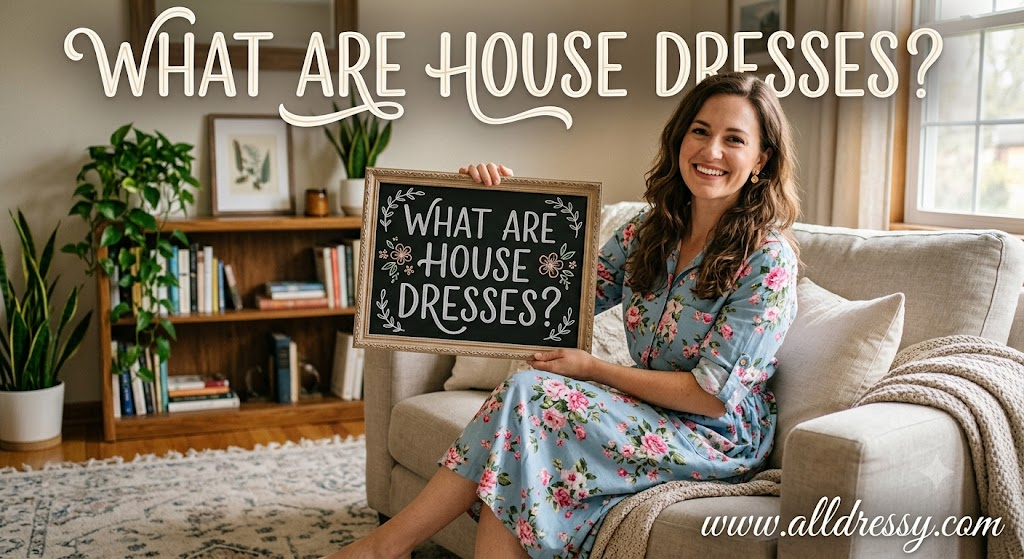
To truly understand what are house dresses in the modern context, we must first look to the past. The journey of the house dress is deeply intertwined with the history of women’s liberation, textile industrialization, and changing social expectations.
[ 19th Century: The Wrapper ] ➔ [ 1910s: Nelly Don's Revolution ] ➔ [ 1940s: McCardell's Popover ] ➔ [ Present: The Modern House Dress ]
Loose-fitting, front-fastening   Stylish, washable, and mass-     Practical utility with style;    Sustainable, chic, and versatile
"Mother Hubbard" dresses.       produced "housedresses."        comes with an oven glove.        from couch to cafe.
1. The 19th-Century Wrapper and Mother Hubbard
During the Victorian era, women’s fashion was notoriously restrictive, relying on heavy corsetry, crinolines, and multi-layered bustles. Within the private sphere of the home, however, women wore “wrappers” or “Mother Hubbard” dresses. These were loose-fitting, front-fastening garments made of washable cotton calico. They allowed women to perform domestic labor and navigate the home comfortably without the physical constraint of formal public wear.
2. The Nelly Don Revolution (1910s–1920s)
In the early 20th century, a businesswoman named Nell Donnelly Reed realized that practical clothing didn’t have to look drab. In 1916, she launched “Nelly Don” house dresses, introducing stylish, colorful, and beautifully cut housedresses made of durable, washable fabrics. This revolutionized the garment industry, proving that women could look attractive and feel respectable while carrying out daily household chores.
3. Claire McCardell’s “Popover” Dress (1940s)
During World War II, as women took on more active roles and faced fabric shortages, legendary American designer Claire McCardell introduced the “Popover” dress in 1942. It was a structured wrap dress made of utility denim that came with a matching oven glove. It could be slipped on over a woman’s finer clothes to do housework, yet was chic enough to be worn to a casual dinner party. This set the blueprint for the multi-functional house dress we know today.
4. The Mid-Century Duster and Muumuu (1950s–1970s)
In the mid-20th century, the house dress evolved into the “duster”—a button-front, lightweight dress—and the Hawaiian-inspired “muumuu,” a flowing, unstructured dress perfect for lounging in warmer climates. These garments represented casual comfort during the post-war suburban boom.
Defining Features: What Are House Dresses Made Of?
What elevates a garment from a simple nightgown or a basic t-shirt dress to a true house dress? The answer lies in its meticulous balance of construction, textiles, and design elements.
Breathable, Natural Fabrics
A genuine house dress is built for continuous wear throughout the day. Therefore, synthetic fabrics that trap heat and sweat are cast aside in favor of highly breathable, natural fibers:
- Linen: Highly favored for its cooling properties and beautifully relaxed, organic texture.
- Organic Cotton & Percale: Offers a soft, crisp feel reminiscent of luxury bedsheets, while remaining incredibly durable and machine-washable.
- Seersucker: A puckered cotton fabric that naturally rides away from the skin, promoting air circulation.
- Bamboo Viscose: A modern addition known for its silky drape, moisture-wicking properties, and eco-friendly footprint.
Unrestrictive Silhouettes
Unlike tailored cocktail dresses or structured corporate wear, the house dress prioritizes ease of movement. Common silhouettes include:
- A-Line and Tent Cuts: Flaring gently from the shoulders or bust to allow maximum legroom.
- Empire and Smocked Waists: Featuring elasticated or gathered stitching just below the bust, keeping the fabric close to the body without pinching.
- Tiered Skirts: Adding visual interest, weight, and a beautiful fluid swing to the garment.
Functional Details
Modern designers understand that a house dress must be functional. True house dresses almost always feature:
- Deep Pockets: Hidden, reinforced side pockets to carry smartphones, keys, or small household items.
- Friendly Fastenings: Easily accessible front buttons, secure wrap-around ties, or elasticated necklines that allow you to slip the dress on or off without struggling with back zippers.
- Modest Necklines and Lengths: Designed to keep you covered while bending, reaching, or playing with children.
Modern Styles: The Anatomy of Today’s House Dress
The contemporary revival of the house dress has split this category into several distinct, stylish sub-genres. When shopping for these garments, you are likely to encounter these key styles:
1. The Nap Dress
Popularized during the early 2020s, the “Nap Dress” is a specific aesthetic characterized by a smocked bodice, ruffled shoulders, and a tiered A-line skirt. It is comfortable enough to sleep in (hence the name) but stylish enough to wear to a brunch, park date, or casual workspace.
2. The Caftan (Kaftan)
With roots in ancient Mesopotamian cultures, the caftan is a long, sweeping, loose-fitting garment with wide sleeves. Modern house caftans are rendered in lightweight linens, cottons, or silks, offering an air of bohemian luxury and dramatic comfort.
3. The Shirtwaist House Dress
Directly inspired by 1950s utilitarian fashion, this style features a collared neck, a button-down front, and a defined (often elasticated or belted) waist. It provides a slightly more tailored, professional look that translates beautifully to virtual business meetings.
4. The Wrap House Dress
A direct descendant of Claire McCardell’s popover. This style wraps across the chest and secures with a side tie, allowing the wearer to adjust the fit perfectly to their body shape throughout the day.
The Benefits: Why Every Wardrobe Needs a House Dress
If you are still wondering what are house dresses going to do for your daily routine, consider the immense lifestyle, financial, and wellness benefits of adding these versatile pieces to your closet.
1. The Ultimate Remedy for “Decision Fatigue”
In a fast-paced world, minimizing daily choices is a proven way to reduce mental fatigue. A house dress is a complete, one-and-done outfit. You do not have to worry about matching tops with bottoms, coordinating waistbands, or choosing layers. You simply pull it on, and you are instantly dressed and presentable.
2. Gentle on the Body (A Body-Positive Essential)
Traditional structured clothing—like tight jeans, tailored trousers, and fitted skirts—can pinch, bind, and cause physical discomfort when sitting for long hours at a desk or lounging on a sofa. House dresses celebrate the natural form, accommodating weight fluctuations, bloating, and movement without restriction or discomfort.
3. Seamless Adaptability
One of the greatest strengths of the house dress is its ability to transition between different environments. Pair it with slippers, and it is loungewear. Swap the slippers for white sneakers, and you are ready for the grocery store or school run. Throw on a denim jacket and some slides, and you have a perfect weekend brunch outfit.
4. Low Maintenance and High Durability
Because they are designed with domestic life in mind, high-quality house dresses are built to endure. Most are made from sturdy cottons or linens that get softer with every wash, avoiding the delicate dry-cleaning requirements of formal wear.
Styling Guide: How to Transition Your House Dress from Couch to Cafe
With the right styling cues, a house dress can easily step outside the home. Here is how to style your dress to match your environment:
For Remote Work and Video Calls
When working from home, you want to look professional from the chest up while remaining comfortable all day.
- The Strategy: Choose a shirtwaist or high-neck smocked house dress. Add a pair of simple gold hoop earrings and sweep your hair into a polished low bun. To the camera, you look thoroughly professional, while you enjoy the unstructured comfort of a loose skirt under your desk.
For Running Errands and Casual Outings
To wear your house dress out into the world, you simply need to ground the garment with structured accessories.
- The Strategy: Belt the dress to create a defined silhouette. Pair it with clean leather sneakers, a canvas tote bag, and a classic baseball cap or sun hat. This turns the loose, loungy feel of the dress into an intentional, laid-back streetwear aesthetic.
For Evening Lounging or Intimate Gatherings
Transitioning to the evening is all about soft textures and warmth.
- The Strategy: Layer your house dress with an oversized, chunky knit cardigan or a soft flannel button-down worn open. Complete the look with plush cashmere socks or supportive leather slides for the ultimate cozy-chic aesthetic.
Materials and Care: Ensuring Your House Dress Lasts a Lifetime
To maintain the shape, color, and softness of your favorite house dresses, follow these essential garment care guidelines:
| Fabric Type | Washing Method | Drying Instructions | Key Maintenance Tip |
| Linen | Gentle cycle with cold water | Air dry or tumble dry low; remove while slightly damp | Embody the natural wrinkles; do not over-iron unless you prefer a stiff look. |
| Cotton Percale | Regular cycle with warm or cold water | Tumble dry medium; shake out immediately to reduce creasing | Wash with like colors to prevent the bright, vintage-style prints from dulling. |
| Bamboo Viscose | Delicate cycle inside a mesh laundry bag; cold water | Lay flat to dry to prevent stretching | Always store folded rather than on a hanger, as the weight of the wet fabric can distort the shoulders. |
| Sateen or Silk Blends | Hand wash or ultra-delicate cycle; cold water | Air dry away from direct sunlight | Use a mild, pH-neutral liquid detergent to preserve the fabric’s natural sheen. |
The Sustainable Future of Loungewear
As the fashion industry grapples with the environmental impact of fast, disposable clothing, the return of the house dress represents a cultural shift toward conscious consumption.
By choosing versatile, durable, and timeless garments that serve multiple purposes—acting as pajamas, workwear, daywear, and social wear all at once—we reduce the need for highly segmented, bloated closets. Investing in high-quality, ethically made house dresses is not just a nod to comfortable living; it is a step toward a more mindful, sustainable relationship with our clothing.
Frequently Asked Questions
What is the difference between a house dress and a nightgown?
While both garments prioritize comfort and ease of movement, a house dress is structurally designed to be worn during waking hours and in public settings. House dresses feature thicker, opaque fabrics (such as cotton percale or linen), functional details like pockets, and tailored necklines or buttons. This ensures you remain modest and presentable for running errands, working from home, or hosting guests—whereas nightgowns are explicitly constructed as lightweight, often translucent sleepwear.
Can you wear a house dress out in public?
Yes, modern house dresses are highly versatile and designed to transition seamlessly from the couch to public spaces. By pairing the dress with structured footwear (such as leather sneakers, mules, or sandals) and accessorizing with a denim jacket, belt, or statement jewelry, you can instantly elevate the garment into a chic, intentional daytime outfit.
Are house dresses suitable for hot summer weather?
House dresses are among the best wardrobe choices for warm climates. Because they feature loose, airy silhouettes like A-line or tent cuts and are crafted from highly breathable natural fibers like linen, seersucker, and organic cotton, they promote natural air circulation and keep you much cooler than restrictive shorts or synthetic fabrics.
How do I style a house dress so it doesn’t look like pajamas?
The key to making a house dress look like intentional streetwear lies in your accessories. Ground the look by adding structure: cinching the waist with a leather belt, wearing a structured handbag rather than a slouchy tote, opting for polished footwear instead of slippers, and adding simple jewelry like gold hoops or a classic watch.
Do house dresses accommodate maternity and postpartum bodies?
Absolutely. Due to their unrestrictive silhouettes, empire waists, and elasticated or smocked bodices, house dresses are incredibly popular among pregnant and postpartum individuals. They expand gently with a growing bump and provide comfortable, non-binding wear during recovery, while front-buttoning or wrap styles offer easy access for nursing.
Conclusion
The modern revival of the house dress is far more than a passing fashion trend; it is a profound reflection of how our lifestyles have evolved to prioritize well-being, functionality, and effortless elegance. By merging the historical utility of the mid-century homemaker’s wardrobe with contemporary, sustainable textile design, the house dress has firmly established itself as a permanent pillar of the modern closet.
Whether you are seeking an elegant solution to combat morning decision fatigue, a comfortable alternative to rigid work trousers, or a single garment that can gracefully transition from a morning video conference to a casual afternoon walk, the house dress delivers unmatched versatility. Investing in high-quality, breathable styles allows you to honor your body’s need for comfort without ever sacrificing your personal sense of style.
1 thought on “What Are House Dresses”