
If you are wondering how do people dress in Japan, the answer is more interesting than simply saying that Japanese people wear modern or traditional clothing. Japan has a diverse fashion culture that combines contemporary streetwear, elegant business outfits, minimalist everyday styles, traditional garments, and creative personal expression. What people wear depends on their age, occupation, location, the season, and the occasion.
In major cities such as Tokyo and Osaka, you may see people wearing fashionable sneakers, oversized jackets, tailored trousers, casual dresses, and unique streetwear. In quieter towns, clothing may be more practical and understated. Traditional Japanese garments such as kimono and yukata are also worn, particularly during festivals, ceremonies, and special occasions.
Japanese fashion is known for its attention to detail, thoughtful layering, seasonal colors, and balance between comfort and appearance. However, there is no single way that everyone in Japan dresses. Some people prefer simple outfits, while others enjoy bold colors, creative accessories, or alternative fashion styles.
This guide explores how people dress in Japan, including everyday outfits, traditional clothing, business fashion, school uniforms, seasonal styles, regional differences, and popular Japanese fashion trends.
How Do People Dress in Japan Every Day?
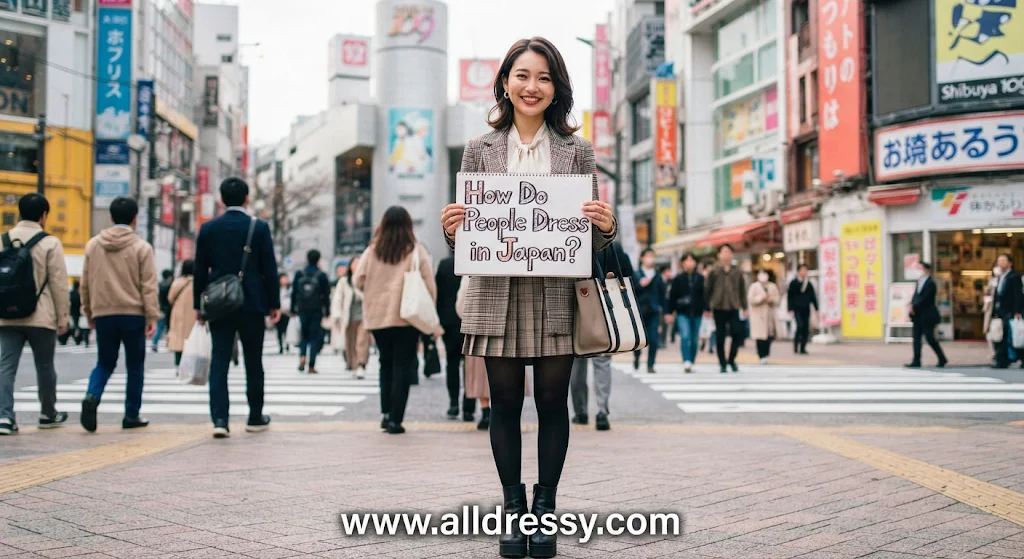
Everyday clothing in Japan varies depending on lifestyle and personal preference. Many Japanese people wear modern casual clothing similar to what people wear in other developed countries. However, certain styling preferences and social expectations can make Japanese everyday fashion distinctive.
Common everyday clothing includes:
- T-shirts and casual shirts
- Jeans and comfortable trousers
- Skirts and dresses
- Sweaters and cardigans
- Sneakers and comfortable shoes
- Lightweight jackets and coats
- Simple bags and practical accessories
In large cities, people often combine basic clothing with carefully selected accessories. A simple outfit might include wide-leg trousers, a plain shirt, clean sneakers, and a structured shoulder bag.
Japanese everyday fashion frequently emphasizes neatness, coordination, and comfort. Many people choose clothes that are appropriate for their daily activities, whether they are commuting, attending classes, shopping, or meeting friends.
Casual Fashion in Japan
Casual clothing is extremely common throughout Japan. T-shirts, jeans, hoodies, sweatshirts, and sneakers are popular choices, particularly for relaxed activities.
Some people prefer neutral colors such as black, white, gray, beige, and navy. Others enjoy colorful garments and interesting patterns.
Layering is also an important part of casual Japanese fashion. People may wear a T-shirt under an open shirt, add a cardigan, or combine a lightweight jacket with relaxed trousers.
The result can look simple while still feeling thoughtfully styled.
Minimalist Clothing Styles
Minimalist fashion is a recognizable influence in Japan. It focuses on simple silhouettes, versatile garments, neutral colors, and practical combinations.
Typical minimalist outfits may include:
- A white or black shirt
- Straight-leg trousers
- A neutral cardigan
- A simple long coat
- Clean sneakers or leather shoes
- A practical everyday bag
Minimalist fashion does not mean everyone dresses identically. Instead, it offers a way to create coordinated outfits without relying on excessive decoration.
How Do People Dress in Japan According to the Seasons?
Japan experiences four distinct seasons in many regions, so clothing changes throughout the year. Temperature, humidity, rainfall, and regional climate all influence what people wear.
Understanding seasonal fashion is especially useful for travelers because an outfit that works in Tokyo during spring may not be suitable for winter in Hokkaido.
What Do People Wear in Japan During Spring?
<PRIVATE_PERSON>Spring in Japan generally brings mild temperatures, although conditions vary by region and month. Many people choose lightweight clothing that can be layered throughout the day.
Popular spring outfits include:
- Light jackets
- Cardigans
- Long-sleeved shirts
- Cotton trousers
- Midi skirts
- Comfortable sneakers
- Lightweight dresses
Soft colors such as cream, pale blue, light pink, beige, and gray are common seasonal choices, although people wear many other colors too.
Spring is also associated with cherry blossom season. During this period, visitors may notice people wearing attractive casual outfits while visiting parks and outdoor viewing locations.
A light jacket is useful because mornings and evenings can feel cooler than the middle of the day.
What Do People Wear in Japan During Summer?
Japanese summers can be hot and humid, particularly in cities such as Tokyo and Osaka. People often choose breathable fabrics and lightweight garments to stay comfortable.
Common summer clothing includes:
- Cotton T-shirts
- Linen shirts
- Lightweight trousers
- Loose skirts
- Casual dresses
- Breathable sneakers
- Sandals
- Sun hats and caps
Loose-fitting clothing can make hot weather more manageable. Breathable fabrics such as cotton and linen are useful because they allow better airflow than many heavier materials.
Many people also carry umbrellas, handkerchiefs, or small towels during summer. These items can help with sun protection and perspiration.
In addition, some workplaces have seasonal dress guidelines that allow lighter business clothing during hot months.
What Do People Wear in Japan During Autumn?
Autumn is one of the most comfortable seasons for experimenting with layered outfits. Temperatures generally become cooler, and people begin adding warmer garments.
Common autumn fashion choices include:
- Sweaters
- Cardigans
- Long-sleeved shirts
- Trench coats
- Denim jackets
- Wide-leg trousers
- Ankle boots
- Midi skirts
Autumn colors often include brown, burgundy, olive green, cream, navy, and charcoal.
A popular outfit combination might include a knitted sweater, relaxed trousers, ankle boots, and a lightweight coat.
Layering makes it easier to adjust clothing as temperatures change throughout the day.
What Do People Wear in Japan During Winter?
Winter clothing depends heavily on location. Northern Japan, including Hokkaido, experiences much colder conditions and heavier snowfall than many areas in the south.
In colder regions, people commonly wear:
- Thick winter coats
- Down jackets
- Wool sweaters
- Thermal base layers
- Scarves
- Gloves
- Warm socks
- Winter boots
In cities with milder winters, a medium-weight coat, sweater, and trousers may be sufficient on many days.
Practical layering is important. A thermal shirt under a sweater and coat can provide warmth without requiring one extremely heavy garment.
Travelers visiting snowy regions should bring insulated footwear with suitable traction.
How Do Women Dress in Japan?
Women’s fashion in Japan is diverse. Some women prefer understated outfits, while others enjoy trendy streetwear, feminine dresses, vintage clothing, or alternative styles.
There is no single standard Japanese women’s fashion style.
1. Casual Women’s Fashion
Casual outfits often include jeans, trousers, T-shirts, sweaters, skirts, and sneakers.
Many women choose comfortable clothing for commuting, shopping, studying, and meeting friends. Simple combinations are common, but accessories can make an outfit more distinctive.
For example, wide-leg trousers paired with a fitted top and cardigan create a relaxed everyday look.
2. Feminine and Elegant Fashion
Some Japanese women enjoy feminine outfits featuring dresses, skirts, soft colors, and delicate accessories.
Common choices include:
- Midi dresses
- Pleated skirts
- Blouses
- Cardigans
- Ballet flats
- Simple handbags
These styles may be seen in shopping districts, cafes, and social settings.
However, feminine fashion is only one part of Japan’s wider clothing culture.
3. Oversized Clothing
Oversized clothing is another recognizable feature of contemporary Japanese fashion.
Loose shirts, wide-leg trousers, oversized sweaters, and relaxed jackets are popular among people who enjoy comfortable, modern styling.
Oversized clothing can also create interesting proportions when combined with more fitted garments.
4. Vintage and Secondhand Fashion
Vintage fashion has a strong presence in several Japanese shopping districts.
Some people enjoy finding older denim, jackets, shirts, accessories, and unique garments in secondhand stores.
Vintage clothing allows people to create outfits that feel individual rather than following every current fashion trend.
How Do Men Dress in Japan?
Men’s fashion in Japan includes everything from simple casual outfits to carefully coordinated streetwear and formal business clothing.
Common everyday garments include:
- T-shirts
- Button-down shirts
- Jeans
- Chinos
- Wide-leg trousers
- Sweaters
- Hoodies
- Sneakers
- Casual jackets
1. Casual Men’s Fashion
Many Japanese men wear practical casual clothing for everyday activities.
A simple outfit might include a plain T-shirt, relaxed trousers, and sneakers. Others may prefer denim, hoodies, or layered shirts.
Neutral colors are popular, but colorful and patterned clothing is also common.
2. Smart Casual Clothing
Smart casual outfits are useful for restaurants, social gatherings, and situations that require a slightly more polished appearance.
Examples include:
- A button-down shirt with chinos
- A knit sweater with tailored trousers
- A casual blazer with dark jeans
- A simple jacket with leather shoes
The goal is to look neat without necessarily wearing a complete formal suit.
3. Streetwear for Men
Japanese streetwear includes oversized silhouettes, graphic garments, sneakers, layered outfits, and distinctive accessories.
Tokyo has several neighborhoods associated with fashion and youth culture, making it a major destination for people interested in contemporary street style.
Not every Japanese man follows streetwear trends, but the style has influenced international fashion.
Traditional Japanese Clothing: How Do People Dress in Japan for Special Occasions?
Although modern clothing dominates everyday life, traditional Japanese clothing remains an important part of the country’s cultural identity.
The most recognizable traditional garments are kimono and yukata. These garments are worn during selected ceremonies, festivals, cultural events, and other special occasions.
<PRIVATE_PERSON>### 1. Kimono
<PRIVATE_PERSON>The kimono is one of Japan’s best-known traditional garments. It is a long, T-shaped robe with wide sleeves and a wraparound design secured with an obi, a decorative sash.
Kimono styles vary according to the occasion, season, age, and formality.
Some common occasions for wearing kimono include:
- Weddings
- Coming-of-age ceremonies
- Formal celebrations
- Traditional performances
- Cultural events
Formal kimono can feature detailed patterns, carefully selected fabrics, and elaborate accessories.
Everyday kimono use is less common than it was historically, but the garment remains culturally significant.
2. Yukata
A yukata is a lighter, more casual traditional garment usually made from cotton or similar lightweight fabric.
It is commonly worn during summer festivals, fireworks events, and some traditional leisure experiences.
Yukata are often easier to wear than formal kimono and may feature colorful seasonal patterns.
Both men and women wear yukata, although designs and styling may differ.
3. Hakama
Hakama are traditional garments worn over other clothing. They resemble wide-legged trousers or divided skirts, depending on the style.
They are associated with certain formal, ceremonial, and traditional activities.
Hakama may be worn during graduation ceremonies, martial arts practice, and other cultural occasions.
4. Traditional Accessories
Traditional Japanese outfits may include accessories such as:
- Obi belts
- Geta sandals
- Zori sandals
- Decorative hair accessories
- Traditional bags
- Tabi socks
These accessories help complete an outfit and can have practical or ceremonial purposes.
How Do People Dress in Japan for Work?
Japanese workplace clothing depends on the industry, company culture, and position.
Some companies maintain formal dress expectations, while others allow business casual clothing or more relaxed outfits.
Business Clothing for Men
Traditional business clothing often includes:
- A suit
- A dress shirt
- Formal trousers
- A tie when required
- Leather shoes
- A professional bag
Dark navy, charcoal, and black are common suit colors.
In more relaxed workplaces, men may wear button-down shirts, chinos, knitwear, and smart casual shoes.
Business Clothing for Women
Women’s business clothing may include:
- Tailored suits
- Blazers
- Blouses
- Formal trousers
- Knee-length or longer skirts
- Professional dresses
- Comfortable formal shoes
Workplace expectations vary. Some companies have formal guidelines, while others allow employees to choose practical and comfortable outfits.
Business Casual Fashion
Business casual clothing has become common in many workplaces.
A typical outfit might include tailored trousers, a neat shirt, and a cardigan or blazer.
The main considerations are usually professionalism, comfort, and suitability for the workplace.
How Do Students Dress in Japan?
School uniforms are an important part of the clothing culture in many Japanese schools.
However, not every school has the same uniform policy. Rules vary by institution and educational level.
1. Traditional School Uniforms
Some Japanese schools use uniforms inspired by historical military or Western school clothing.
Common uniform styles include:
- Sailor-style uniforms
- Blazers
- Collared shirts
- Trousers
- Pleated skirts
- School ties or ribbons
Uniforms are often associated with school identity and a sense of belonging.
2. Seasonal School Uniforms
Some schools have different uniforms for warmer and colder seasons.
Summer uniforms may use lighter fabrics and short sleeves, while winter uniforms may include jackets, sweaters, and warmer trousers or skirts.
Students may also be expected to follow specific rules about shoes, socks, hairstyles, and accessories.
3. University Student Clothing
University students generally have more freedom than school students.
Many wear jeans, hoodies, sweaters, casual dresses, sneakers, and other everyday clothing.
Fashion preferences vary according to personal taste, university environment, and activities.
Japanese Street Fashion: How Do People Dress in Japan’s Major Cities?
Japan is internationally recognized for its creative street fashion. Different neighborhoods and communities have developed distinctive styles.
Tokyo is particularly well known for its wide range of fashion influences.
<PRIVATE_PERSON>### 1. Harajuku Fashion
<PRIVATE_PERSON>Harajuku is strongly associated with creative youth fashion and individual expression.
Styles connected with the area have included colorful outfits, unusual layering, playful accessories, vintage clothing, and alternative fashion.
Harajuku fashion is not one fixed style. It represents a broad culture of experimentation and creativity.
2. Shibuya Fashion
Shibuya is a major shopping and entertainment district with a diverse fashion scene.
Visitors may see casual streetwear, trendy outfits, contemporary sneakers, fashionable bags, and youthful clothing styles.
The area is particularly associated with changing youth trends.
3. Ginza Fashion
Ginza is known for luxury shopping, department stores, and sophisticated fashion.
People visiting the area may wear tailored clothing, elegant coats, polished shoes, and designer accessories.
However, Ginza does not have one mandatory dress code for visitors.
4. Osaka Street Fashion
Osaka has its own lively fashion culture.
Popular styles include casual streetwear, contemporary outfits, vintage clothing, and creative combinations.
The city’s shopping districts offer a wide range of fashion influences, reflecting the variety of people who live, work, and visit there.
Popular Japanese Fashion Trends
Japanese fashion changes over time, but several broader trends continue to influence clothing choices.
Minimalism
Minimalist outfits use simple designs, coordinated colors, and versatile garments.
This style is useful for creating a wardrobe where different pieces can be worn together.
Layering
Layering is a practical and fashionable way to dress throughout Japan’s changing seasons.
People may combine shirts, sweaters, cardigans, jackets, and coats to create outfits that can adapt to different temperatures.
Oversized Silhouettes
Oversized clothing is popular in several contemporary fashion communities.
Wide trousers, relaxed shirts, and roomy outerwear can create a casual and modern appearance.
Vintage Clothing
Secondhand fashion allows people to explore different decades, materials, and styles.
Vintage denim, leather jackets, older sweaters, and unique accessories are popular choices among some fashion enthusiasts.
Functional Fashion
Practical clothing is important for people who commute, walk frequently, and use public transportation.
Comfortable shoes, weather-resistant jackets, useful bags, and easy-to-layer garments can be especially helpful.
Do People in Japan Dress Conservatively?
Japanese clothing culture includes both conservative and expressive styles.
Some people prefer simple, understated clothing, while others enjoy bright colors, unusual combinations, and attention-grabbing fashion.
Workplaces, schools, religious settings, and formal ceremonies may have expectations about appropriate clothing. Everyday fashion, however, is much more varied.
It is also important not to confuse fashion trends with universal social rules. Japanese people have different preferences, lifestyles, and ideas about personal style.
For visitors, neat and occasion-appropriate clothing is generally a practical approach.
What Should Tourists Wear in Japan?
Tourists do not need to copy Japanese fashion to dress appropriately in Japan. Comfortable clothing that suits the weather and planned activities is usually the best choice.
Comfortable Walking Shoes
Many visitors spend considerable time walking through stations, shopping streets, temples, museums, and parks.
Comfortable sneakers or walking shoes can make sightseeing easier.
Weather-Appropriate Clothing
Check the forecast and pack according to the season.
- Spring: Light jackets and layers
- Summer: Breathable shirts and comfortable trousers
- Autumn: Sweaters and medium-weight coats
- Winter: Warm coats, thermal layers, and suitable footwear
Clothing for Temples and Shrines
Most visitors can wear ordinary neat casual clothing when visiting temples and shrines.
However, some religious or cultural settings may have specific expectations. Follow posted instructions and behave respectfully.
Clothing for Restaurants and Special Events
Everyday restaurants generally do not require formal clothing. Some upscale restaurants, formal events, or special venues may have dress expectations.
Checking the venue’s guidance before visiting is useful.
Clothing for Onsen and Traditional Experiences
If you visit a traditional hot spring facility, follow its instructions regarding changing areas, bathing etiquette, and provided garments.
Some accommodation facilities provide yukata for guests to wear during their stay.
Is Japanese Fashion Different From Western Fashion?
Japanese and Western fashion share many clothing categories, including jeans, shirts, dresses, coats, sneakers, and formal suits.
The differences are often found in styling preferences rather than completely different types of garments.
Japanese fashion may place particular emphasis on layering, relaxed silhouettes, seasonal coordination, and carefully selected accessories. Some Japanese designers and streetwear communities also experiment with proportions and unusual combinations.
Western fashion is equally diverse, so there is no single Western style to compare with one Japanese style.
Both cultures influence each other through designers, fashion brands, music, entertainment, and international trends.
What Makes Japanese Clothing Culture Unique?
Several characteristics make Japanese clothing culture interesting.
Seasonal awareness: Many people adjust clothing choices to match changing temperatures and seasonal events.
Attention to detail: Small elements such as shoes, bags, fabric textures, and color coordination can make an outfit feel complete.
Fashion diversity: Traditional garments, minimalist clothing, streetwear, business fashion, and alternative styles exist alongside one another.
Practicality: Comfortable shoes, useful bags, and suitable layers are important for daily life.
Cultural heritage: Kimono, yukata, and other traditional garments remain meaningful even though modern clothing is more common in everyday settings.
Final Thoughts on How Do People Dress in Japan
Japan’s fashion culture is a combination of tradition, modern trends, practicality, and personal expression. Everyday clothing ranges from simple T-shirts and jeans to carefully coordinated minimalist outfits and creative streetwear. Traditional garments such as kimono and yukata continue to be worn for ceremonies, festivals, and cultural experiences.
Seasonal changes also influence Japanese fashion. Lightweight clothing is useful during humid summers, layered outfits work well in spring and autumn, and warm coats are essential in colder winter regions. Workplace and school clothing may follow specific guidelines, while casual fashion offers much more freedom.
The most important thing to understand about how people dress in Japan is that there is no single national outfit or universal fashion rule. Japanese people have diverse preferences, and their clothing reflects their individual lifestyles, surroundings, and cultural influences. Whether someone prefers minimalist fashion, traditional garments, business clothing, or expressive streetwear, Japan offers a rich and varied approach to personal style.
10 Frequently Asked Questions About How People Dress in Japan
1. How do people dress in Japan every day?
People in Japan generally wear modern casual clothing, including T-shirts, jeans, trousers, skirts, dresses, sweaters, and sneakers. Some prefer minimalist outfits with neutral colors, while others enjoy trendy streetwear and creative fashion styles. Everyday clothing depends on personal preference, occupation, age, and location.
2. What is the most common clothing style in Japan?
There is no single most common style throughout Japan. Casual and smart-casual clothing is widely worn. Popular choices include simple shirts, comfortable trousers, sneakers, cardigans, and lightweight jackets. Minimalist fashion and layered outfits are also recognizable influences.
3. Do Japanese people still wear traditional clothing?
Yes. Traditional garments such as kimono and yukata are still worn during weddings, festivals, graduation ceremonies, cultural events, and other special occasions. However, most people wear modern clothing for everyday activities.
4. How do women dress in Japan?
Japanese women’s fashion includes casual outfits, dresses, skirts, trousers, sweaters, blouses, and contemporary streetwear. Some women prefer elegant or minimalist styles, while others enjoy colorful clothing and vintage fashion. There is no single dress style followed by all Japanese women.
5. How do men dress in Japan?
Japanese men commonly wear T-shirts, button-down shirts, jeans, chinos, trousers, sweaters, jackets, and sneakers. Business settings may require suits or smart-casual outfits. Streetwear, oversized clothing, and minimalist fashion are also popular among some men.
6. What do people wear in Japan during summer?
During summer, people often choose lightweight and breathable clothing because the weather can be hot and humid. Common choices include cotton T-shirts, linen shirts, loose trousers, skirts, dresses, sandals, and comfortable sneakers. Sun hats and umbrellas are also useful.
7. What should tourists wear in Japan?
Tourists should choose comfortable, weather-appropriate clothing. Walking shoes, lightweight layers, and practical bags are useful for sightseeing. Neat casual clothing is suitable for most everyday activities, although some formal venues may have specific dress expectations.
8. What is Harajuku fashion in Japan?
Harajuku fashion is associated with creative street style, individual expression, colorful clothing, unusual accessories, vintage garments, and experimental outfits. It includes several different fashion movements rather than one specific style.
9. Do Japanese people wear school uniforms?
Many Japanese schools have uniforms, although policies differ between institutions. Common styles include sailor-inspired uniforms, blazers, collared shirts, pleated skirts, trousers, and ties. Some schools also have separate summer and winter uniforms.
10. Is Japanese fashion different from Western fashion?
Japanese and Western fashion share many clothing styles, but their styling preferences can differ. Japanese fashion is often associated with layering, minimalist combinations, oversized silhouettes, seasonal coordination, and creative streetwear. Both cultures have diverse fashion communities and influence each other.
Conclusion
Understanding how people dress in Japan means exploring a fashion culture that combines modern clothing, traditional garments, seasonal influences, and personal expression. Everyday outfits commonly include jeans, T-shirts, trousers, skirts, dresses, sweaters, and comfortable shoes. Many people prefer simple, coordinated clothing, while others enjoy bold streetwear, vintage fashion, and creative styling.
Traditional garments such as kimono and yukata remain important parts of Japanese culture. They are commonly worn during festivals, weddings, ceremonies, and special occasions. Meanwhile, business clothing and school uniforms reflect the importance of appropriate dress in certain professional and educational environments.
Japan’s four seasons also have a major influence on clothing choices. Lightweight fabrics are useful during humid summers, layered outfits work well in spring and autumn, and warm coats are important during winter.
Ultimately, there is no single way that everyone in Japan dresses. Fashion varies according to individual preferences, lifestyle, location, and occasion. From minimalist everyday outfits to expressive Harajuku streetwear and elegant traditional kimono, Japanese fashion offers a fascinating combination of practicality, creativity, and cultural heritage