
If you’ve recently searched for where can I donate a wedding dress near me, you’re not alone. Thousands of brides choose to donate their wedding gowns every year instead of storing them in a closet or selling them online. A donated wedding dress can help another bride afford the dress of her dreams, support charitable organizations, provide formalwear for military families, or even be transformed into garments for babies in hospitals.
Wedding dresses are among the most sentimental pieces of clothing many people own. While keeping your gown is a meaningful option, donating it allows your dress to continue creating beautiful memories for someone else. Whether your gown is brand new, gently worn, vintage, or professionally preserved, there are many organizations and local charities that may accept it.
This comprehensive guide explains where can I donate a wedding dress near me, how to prepare your gown for donation, what types of organizations accept wedding dresses, what condition your dress should be in, and how to maximize the impact of your donation.
Why Donate Your Wedding Dress?
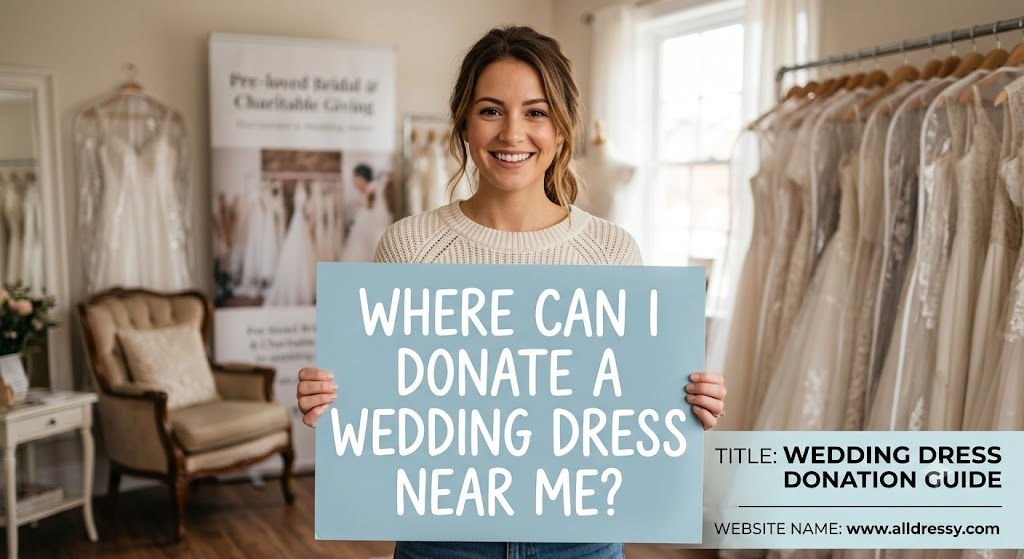
Donating your wedding dress benefits both the recipient and the community.
Some reasons people choose donation include:
- Helping brides with limited budgets
- Supporting nonprofit organizations
- Raising funds for charitable causes
- Assisting military families
- Supporting women rebuilding their lives
- Reducing textile waste
- Giving sentimental dresses a meaningful future
- Freeing up closet space
Instead of collecting dust, your wedding gown can become part of another person’s unforgettable day.
Where Can I Donate a Wedding Dress Near Me?
When searching where can I donate a wedding dress near me, consider several different types of organizations.
Local Bridal Charities
Many communities have nonprofit bridal boutiques that provide affordable wedding dresses to brides facing financial hardship.
These organizations often:
- Accept wedding gowns
- Sell dresses at discounted prices
- Use proceeds to support community programs
- Offer accessories alongside gowns
They usually prefer dresses that are less than five to ten years old and in excellent condition.
Local Thrift Stores
Many thrift stores accept wedding dresses.
Common options include:
- Community thrift stores
- Church-operated resale shops
- Nonprofit thrift organizations
- Charity resale boutiques
Some stores display wedding dresses year-round, while others feature seasonal bridal events.
Women’s Shelters and Community Organizations
Certain women’s organizations may accept wedding gowns for women rebuilding their lives after hardship.
These organizations may provide:
- Wedding attire
- Professional clothing
- Formalwear assistance
- Community support programs
Call ahead before donating because acceptance policies vary.
Church Clothing Ministries
Many churches operate clothing ministries that distribute donated clothing directly to families.
Some churches accept:
- Wedding dresses
- Bridesmaid dresses
- Flower girl dresses
- Veils
- Shoes
- Jewelry
They may also organize community wedding events for couples with limited budgets.
Community Wedding Assistance Programs
Some nonprofit organizations specifically help low-income couples plan affordable weddings.
These programs often welcome:
- Wedding gowns
- Accessories
- Decorations
- Bridal shoes
- Veils
- Jewelry
Your dress may become the centerpiece of someone else’s special day.
Local Consignment Stores That Donate Unsold Items
Some bridal consignment shops donate dresses that remain unsold after a certain period.
Even if your goal isn’t selling, these businesses sometimes partner with charities and may recommend donation programs.
Prom and Formalwear Donation Programs
Certain formalwear organizations accept wedding dresses alongside:
- Evening gowns
- Bridesmaid dresses
- Prom dresses
- Formal accessories
These organizations often repurpose dresses for fundraising events.
Organizations That Commonly Accept Wedding Dress Donations
Many charitable organizations across the country specialize in wedding dress donations.
Examples include organizations that support:
- Military brides
- Cancer research fundraising
- Community charities
- Children’s hospitals
- Brides facing financial hardship
- Faith-based assistance programs
Some organizations operate nationally, while others only accept local donations.
Can I Donate an Older Wedding Dress?
Yes.
Many people wonder whether an older gown is still valuable.
Vintage dresses may be accepted if they are:
- Clean
- Free of severe damage
- Fashionable vintage styles
- High-quality designer pieces
- Historically unique
Some organizations specialize in vintage bridal fashion.
Can I Donate a Designer Wedding Dress?
Absolutely.
Luxury wedding dresses are highly sought after because they allow brides to wear premium brands at affordable prices.
Designer gowns often receive:
- Faster acceptance
- Higher resale value
- Greater fundraising impact
Even older designer gowns can remain desirable.
What Condition Should My Wedding Dress Be In?
Most organizations prefer dresses that are:
- Freshly cleaned
- Odor-free
- Free from stains
- No significant tears
- Working zippers
- Intact buttons
- Original shape maintained
Minor repairs are usually acceptable.
Should I Dry Clean My Wedding Dress Before Donating?
Professional cleaning is strongly recommended.
A clean gown:
- Looks more appealing
- Lasts longer
- Prevents permanent stains
- Makes processing easier
- Improves acceptance chances
Many charities specifically request professionally cleaned dresses.
What Wedding Accessories Can I Donate?
Many organizations also welcome bridal accessories.
These include:
Veils
Wedding veils remain in high demand.
Bridal Shoes
Shoes in excellent condition may help complete a bride’s outfit.
Jewelry
Many nonprofits appreciate:
- Necklaces
- Earrings
- Bracelets
- Hair accessories
Bridal Belts
Decorative belts can transform simple gowns into elegant bridal looks.
Headpieces
Hair combs, tiaras, and decorative clips are often accepted.
Wedding Gloves
Vintage gloves remain popular with themed weddings.
Bridal Wraps
Shawls, capes, jackets, and wraps are useful additions.
Garment Bags
Even garment bags can be donated with the dress.
How to Prepare Your Wedding Dress for Donation
Preparing your dress properly increases its usefulness.
Step 1: Inspect the Dress
Check for:
- Missing buttons
- Loose beads
- Broken zippers
- Torn lace
- Loose seams
Repair small issues if possible.
Step 2: Clean the Dress
Professional cleaning removes:
- Makeup
- Dirt
- Sweat
- Food stains
- Dust
Avoid storing a dirty gown for long periods.
Step 3: Gather Accessories
Place matching accessories together.
Include:
- Veil
- Belt
- Shoes
- Jewelry
- Gloves
- Hair pieces
Step 4: Package Carefully
Use:
- Breathable garment bags
- Acid-free tissue paper
- Proper hangers
Avoid plastic bags for long-term storage.
Step 5: Contact the Organization
Always ask:
- Current donation guidelines
- Appointment requirements
- Accepted dress age
- Cleaning requirements
- Donation receipts
When Is the Best Time to Donate?
Many brides donate:
- Shortly after the wedding
- During spring cleaning
- Before moving
- Before downsizing
- During charity drives
There is no wrong time to donate as long as the dress is in good condition.
Can I Donate a Wedding Dress With Minor Damage?
Often yes.
Minor issues include:
- Missing hook
- Loose bead
- Small seam repair
- Slight hem wear
Major damage may reduce acceptance.
What Dresses Are Usually Not Accepted?
Some organizations decline gowns with:
- Heavy yellowing
- Mold
- Strong odors
- Extensive stains
- Large tears
- Missing large sections
- Severe alterations
Always check donation requirements first.
Is Donating Better Than Selling?
Many people compare selling versus donating.
Benefits of Donating
- Helps families
- Supports charities
- Reduces waste
- Quick process
- Tax deduction eligibility in some locations
- Emotional satisfaction
Benefits of Selling
- Earn money
- Recover wedding expenses
- Reach buyers directly
Your decision depends on your personal goals.
Environmental Benefits of Wedding Dress Donation
Textile waste is a growing environmental concern.
Donating your gown helps:
- Reduce landfill waste
- Extend garment lifespan
- Lower clothing production demand
- Encourage sustainable fashion
- Support the circular economy
Wedding dresses require significant resources to produce, making reuse environmentally responsible.
How Wedding Dress Donations Help Communities
Your donation can support many different causes.
Possible impacts include:
- Funding nonprofit programs
- Providing affordable bridalwear
- Supporting community outreach
- Assisting military families
- Helping hospitals through specialized gown programs
- Supporting educational fundraising events
One dress may benefit multiple people over time.
Tips for Finding Wedding Dress Donation Centers Near You
If you’re wondering where can I donate a wedding dress near me, use these practical strategies:
- Search local nonprofit bridal boutiques.
- Contact nearby churches with clothing ministries.
- Ask local wedding planners for charity recommendations.
- Visit community thrift stores.
- Check bridal consignment boutiques for donation partnerships.
- Reach out to community centers.
- Ask local women’s organizations.
- Contact formalwear donation drives during wedding season.
- Speak with dry cleaners, as they often know local donation programs.
- Ask bridal shops if they partner with charitable organizations.
These local resources often provide the fastest and most convenient way to donate your gown.
Questions to Ask Before Donating
Before dropping off your wedding dress, ask:
- Is my dress style currently accepted?
- Does it need professional cleaning?
- Is there an age limit?
- Are accessories accepted?
- Do I need an appointment?
- Will I receive a donation receipt?
- Can I mail the dress if needed?
- Are alterations acceptable?
Knowing these details saves time and ensures your donation meets the organization’s requirements.
Common Mistakes to Avoid
Avoid these mistakes when donating your wedding dress:
- Donating without cleaning it.
- Ignoring minor repairs.
- Forgetting matching accessories.
- Using poor packaging for transport.
- Assuming every charity accepts bridal gowns.
- Waiting too long if the dress has stains.
- Not checking current donation policies.
- Folding delicate fabrics improperly.
- Leaving pins or sharp objects attached to the gown.
Proper preparation helps ensure your dress is accepted and ready for its next chapter.
Final Thoughts on Finding Where Can I Donate a Wedding Dress Near Me
Searching for where can I donate a wedding dress near me is the first step toward giving your gown a meaningful second life. Whether you choose a local bridal charity, a nonprofit thrift shop, a church ministry, a community wedding assistance program, or another charitable organization, your donation can make a lasting difference. With a professionally cleaned dress, matching accessories, and a little preparation, your wedding gown can help create another unforgettable celebration while supporting sustainability and strengthening your local community.
Here are SEO-optimized FAQs and a Conclusion to add to your article.
Frequently Asked Questions (FAQs)
Where can I donate a wedding dress near me for free?
You can donate a wedding dress for free to local nonprofit organizations, bridal charities, church clothing ministries, community thrift stores, women’s support organizations, and wedding assistance programs. Many of these groups accept donations at no cost, though some may ask you to schedule a drop-off appointment in advance.
What condition should a wedding dress be in before donating?
Most organizations prefer wedding dresses that are clean, gently used, and free from major stains, tears, mold, or strong odors. Professionally dry cleaning the gown before donation improves its chances of being accepted.
Can I donate a wedding dress that is several years old?
Yes. Many charities accept older wedding dresses, especially if they are in excellent condition. Some organizations even specialize in vintage bridal gowns, while others may have age limits for modern styles. Always check the organization’s donation guidelines first.
Do charities accept wedding dress accessories?
Many organizations welcome matching accessories such as veils, bridal shoes, tiaras, jewelry, belts, shawls, gloves, garment bags, and hair accessories. Donating the complete bridal ensemble can make the gown more valuable to its next owner.
Can I donate a wedding dress with minor alterations?
Yes. Most charities accept dresses that have been hemmed or altered, provided they remain wearable and are in good condition. Significant structural alterations may limit acceptance, so it’s best to ask the organization beforehand.
Is it better to donate or sell a wedding dress?
The better option depends on your priorities. Selling allows you to recover some of your wedding expenses, while donating helps support charitable causes, makes weddings more affordable for others, and keeps quality clothing out of landfills. Many people choose donation because of its social and environmental benefits.
Will I receive a tax deduction for donating my wedding dress?
In some countries, donations to qualified nonprofit organizations may be tax-deductible. Whether you qualify depends on local tax laws and the organization receiving the donation. Request a donation receipt if you plan to claim a deduction.
Can I donate a wedding dress that has small stains or minor damage?
Some organizations accept dresses with small, repairable flaws, while others only accept gowns in excellent condition. Minor repairs such as replacing buttons or fixing loose seams can improve the likelihood that your donation will be accepted.
What happens to donated wedding dresses?
Depending on the organization, donated wedding dresses may be sold at affordable prices to brides, used to raise funds for charitable programs, provided directly to individuals in need, or repurposed into keepsakes, infant gowns, or other meaningful items.
How do I prepare my wedding dress for donation?
Start by having the dress professionally cleaned. Inspect it for any missing buttons, broken zippers, or loose embellishments, make minor repairs if possible, gather matching accessories, and place everything in a breathable garment bag before delivering it to the donation center.
Conclusion
Searching for where can I donate a wedding dress near me is a wonderful way to give your cherished gown a meaningful second life. Rather than leaving it stored away for years, donating your wedding dress allows it to bring joy to another bride, support charitable organizations, and contribute to a more sustainable fashion industry. Whether you choose a local bridal charity, community nonprofit, church ministry, or thrift organization, your generosity can make a lasting impact on someone’s special day.
Before donating, take the time to clean your gown, make any minor repairs, and include matching accessories whenever possible. These simple steps increase the value of your donation and improve its chances of helping someone in need. By choosing to donate, you’re not only preserving beautiful memories but also creating new ones for others while reducing textile waste and supporting your local community.