
Entering a yoga studio for the first time—or transitioning into a new style of practice—often comes with a foundational question: what is the dress code for yoga? Unlike sports with strict uniforms, yoga dress codes are governed by a balance of functional movement, bodily comfort, studio etiquette, and sensory awareness.
At its core, the dress code for yoga prioritizes unrestricted movement, breathability, body coverage during inverted or bent postures, and mat stability. Whether you are attending an intense, sweat-heavy Vinyasa flow or a slow, meditative Yin class, understanding how to select the right apparel ensures your clothing supports your movement rather than distracting from it.
Core Principles Determining What Is the Dress Code for Yoga
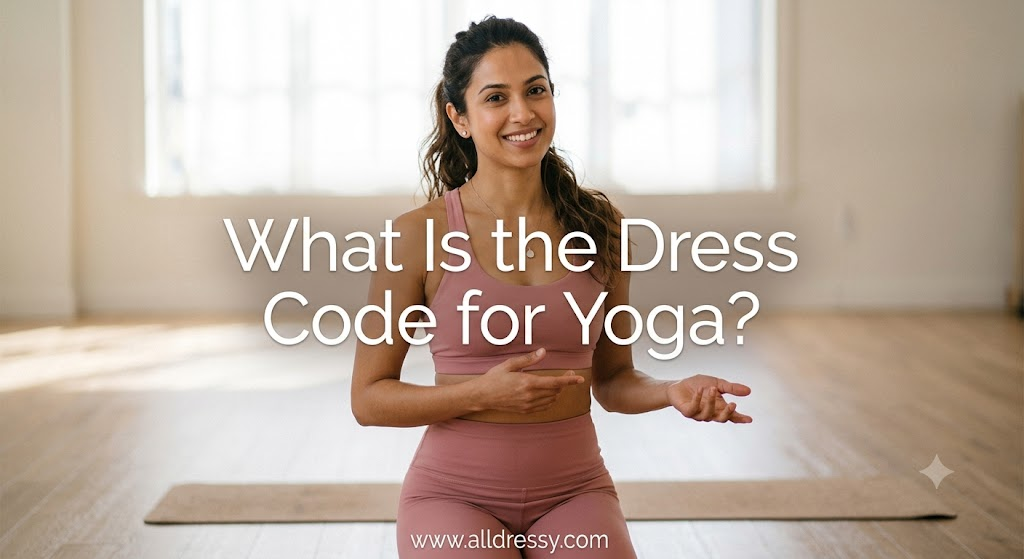
To select apparel that aligns with traditional and modern studio expectations, four functional criteria must be evaluated:
| Criterion | Why It Matters | What to Look For |
| Stretch & Flexibility | Poses require full range of motion across hips, shoulders, and spine. | 4-way stretch fabrics with 10%–20% elastane/spandex. |
| Fit & Security | Clothes must stay in place during inversions and forward folds. | Form-fitting or semi-fitted cuts with high-waisted bands. |
| Moisture Management | Body heat and sweat build up rapidly in active practices. | Moisture-wicking synthetics or breathable plant fibers. |
| Opacity (Squat Test) | Deep bends stretch fabric thin over the glutes and lower back. | High-density knits that remain non-transparent under tension. |
Breakdown of Essential Yoga Apparel
1. Yoga Tops
When choosing a top, functionality dictates design. Loose, oversized t-shirts often fall over the face during inverted positions (such as Downward-Facing Dog or headstands) or bunch up under the armpits.
- Form-Fitted Tank Tops & Camisoles: Snug tank tops remain flush against the torso regardless of orientation. Racerback and cross-back straps allow full shoulder blade rotation.
- Fitted Short/Long Sleeve Tees: Ideal for practitioners who prefer shoulder coverage. Choose styles with side ruching or a longer hemline that tucks neatly into leggings.
- One-Piece Bodysuits: Bodysuits offer absolute security, eliminating midriff exposure or waistband shifting during complex transitions.
2. Yoga Bottoms
Bottoms must provide adequate coverage while permitting deep lunges, squats, and wide-legged splits without slipping down or riding up.
- High-Waisted Leggings (Full-Length or Capri): High-waisted designs anchor around the natural waist, preventing the waistband from rolling down during forward bends. Full-length styles protect skin during floor transitions, while capris offer cooler wear.
- Biker Shorts & Yoga Shorts: Excellent for warm environments. Look for inseams of at least 5 to 7 inches with compression leg bands to keep the hem from sliding up the thighs.
- Joggers or Harem Pants: Suitable for low-impact, slow-paced classes. Ensure the ankles feature fitted cuffs so long pant legs do not get caught under the feet.
3. Essential Undergarments
The support layer beneath your outfit determines overall comfort and prevents chafing during repetitive movements.
- Sports Bras: Opt for low-to-medium impact bras without underwires, hooks, or back clasps. Flat seams and seamless elastic bands avoid digging into the spine when lying flat on your back (Supine position).
- Seamless Underwear: Moisture-wicking synthetic briefs, thongs, or boyshorts prevent sweat accumulation and eliminate visible panty lines (VPL) under light-colored or fitted bottoms.
What Is the Dress Code for Yoga Across Different Practice Styles?
Yoga encompasses diverse disciplines ranging from intense heat sessions to static restorative holds. Dressing appropriately requires matching your attire to the physical demands and environmental temperature of the specific style.
┌─────────────────────────────────────────────────────────────────┐
│                   DRESS CODE BY YOGA STYLE                      │
├─────────────────┬─────────────────────────────┬─────────────────┤
│ Style           │ Recommended Apparel         │ Key Material    │
├─────────────────┼─────────────────────────────┼─────────────────┤
│ Hot / Bikram    │ Moisture-wicking shorts,    │ Nylon/Spandex   │
│                 │ crop tops, sports bras      │ High-wicking    │
├─────────────────┼─────────────────────────────┼─────────────────┤
│ Vinyasa / Power │ Form-fitting leggings,      │ Synthetic blend │
│                 │ fitted tanks, sports bra    │ 4-way stretch   │
├─────────────────┼─────────────────────────────┼─────────────────┤
│ Yin / Restorative│ Soft joggers, loose layers, │ Bamboo, Cotton, │
│                 │ long-sleeve tees, socks     │ Modal blends    │
├─────────────────┼─────────────────────────────┼─────────────────┤
│ Kundalini       │ White or light loose-fit    │ Natural Cotton, │
│                 │ attire, head coverings      │ Linen           │
├─────────────────┼─────────────────────────────┼─────────────────┤
│ Aerial / Acro   │ Full-length snug leggings,  │ Smooth Nylon,   │
│                 │ fitted high-neck tops       │ Zero zippers    │
└─────────────────┴─────────────────────────────┴─────────────────┘
Hot Yoga & Bikram
Classes take place in rooms heated between 95°F and 105°F (35°C to 40°C) with high humidity.
- Attire: Minimalist, sweat-wicking gear. High-waisted shorts or capris paired with a supportive sports bra or crop top.
- Key Consideration: Avoid 100% cotton, which absorbs moisture, turns heavy, and sags when wet.
Vinyasa & Power Flow
Fast-paced practices featuring continuous movement and frequent inversions.
- Attire: Snug-fitting leggings and streamlined tops that stay secure through quick transitions like Sun Salutations.
- Key Consideration: Look for seamless gussets in leggings to prevent mid-practice adjustments or thigh chafing.
Yin & Restorative Yoga
Slow, floor-based practices where poses are held for several minutes with minimal metabolic heat production.
- Attire: Warm, soft, relaxed clothing such as fleece-lined leggings, cozy joggers, long-sleeve modal tees, and warm socks.
- Key Consideration: Bring removable layers (like a lightweight jacket or wrap) because body temperature drops during long passive stretches.
Kundalini Yoga
A discipline focusing on chanting, breathwork, and energy flow.
- Attire: Traditionally, practitioners wear loose-fitting, comfortable white or light-colored clothing made from natural fibers. Head coverings (such as cotton turbans or wraps) are frequently worn to preserve energy focus.
- Key Consideration: Modesty and natural breathability take precedence over high-compression athletic gear.
Aerial Yoga
Practiced using suspended silk hammocks.
- Attire: Snug, full-length leggings and high-neck fitted shirts that cover the armpits and knees.
- Key Consideration: Clothes must be completely free of zippers, hooks, snaps, or jewelry to prevent snagging or tearing the delicate silk fabric.
Material Science: Choosing the Right Fabrics
Understanding fabric composition ensures long-term comfort, structural durability, and hygiene.
1. Performance Synthetics (Best for Active Yoga)
- Nylon Blends: Exceptionally durable, ultra-soft to the touch, and superior at shape retention. Nylon wicks sweat quickly and resists pilling better than polyester.
- Polyester Blends: Budget-friendly, highly durable, and hydrophobic (repels water), aiding fast drying. Often blended with spandex for elasticity.
- Spandex / Elastane / Lycra: Gives apparel its 4-way stretch capability. A minimum blend of 12% to 20% elastane is ideal for yoga pants to ensure full range of motion without sag.
2. Natural & Sustainable Plant Fibers (Best for Gentle Practices)
- Bamboo & Modal: Naturally anti-microbial, silky soft, highly breathable, and ecologically sustainable. Ideal for sensitive skin and low-sweat practices.
- Organic Cotton: Highly breathable and comfortable for everyday wear. However, pure cotton holds onto moisture, taking a long time to dry once wet.
3. Fabrics to Steer Clear Of
- Heavy Unblended Cotton: Retains sweat, becomes damp and heavy, causing skin chafing and chilling during cooldowns.
- 100% Polyester Mesh (Non-Stretch): Lacks elasticity and can feel scratchy against skin during ground poses.
- Thick Denim or Canvas: Completely restricts joint mobility and causes pressure points along heavy seams.
Gender-Specific Considerations for Yoga Outfits
While yoga apparel design principles apply universally, specific fit considerations exist across clothing lines.
Women’s Yoga Wear
- Neckline Selection: High-neck line designs prevent unwanted exposure during chest-to-knee folds or downward positions.
- Waistband Construction: Seamless or wide-bonded waistbands distribute pressure evenly, avoiding midsection digging when twisting.
- Gusseted Crotch: A diamond-shaped fabric panel sewn into the crotch seam eliminates strain on the central seam, preventing tears during deep stretches.
Men’s Yoga Wear
- Tops: Snug-fitting athletic tees or sleeveless tanks made from lightweight moisture-wicking materials. Loose athletic shirts should be tucked into shorts during inversions.
- Bottoms: Men typically opt for unlined athletic shorts over compression tights, or purpose-built yoga shorts with integrated compression liners to maintain support and coverage. Tailored joggers with tapered ankles offer a non-restrictive alternative.
Studio Etiquette, Accessories, and Cultural Expectations
Understanding what to wear extends to general studio rules, hygiene, and accessory guidelines.
1. Barefoot Policy and Yoga Socks
Yoga is traditionally practiced barefoot to allow natural foot articulation, sensory grounding, and optimal grip on the mat.
- Bare Feet: Remove shoes and street socks at the studio entrance or designated cubby area.
- Grip Socks: If you prefer foot coverage due to personal preference or cold conditions, wear purpose-made yoga grip socks featuring silicone tread patterns on the sole to prevent slipping.
2. Jewelry and Hair Management
- Jewelry Minimalist Policy: Remove long necklaces, dangling earrings, wristwatches, and bulky rings prior to practice. Jewelry can catch on mats, snag clothing, or press uncomfortably into skin during weight-bearing poses.
- Hair Accessories: Secure long hair with soft elastic bands, scrunchies, or fabric headbands. Avoid hard plastic clips or metal hair pins that press into the scalp during back-lying poses like Savasana.
3. Scent & Fragrance Mindfulness
Because yoga emphasizes deep pranayama (breath control), studios maintain a fragrance-free environment. Avoid wearing heavy perfumes, colognes, or scented lotions immediately before class, as strong scents can cause allergic reactions or respiratory discomfort for neighboring yogis.
Caring for Your Yoga Apparel to Maintain Fit and Performance
High-performance technical fabrics require proper care to preserve elasticity, moisture-wicking properties, and odor resistance.
- Cold Water Wash: Wash synthetic athletic wear in cold water on a delicate cycle to prevent elastane breakdown.
- Skip the Fabric Softener: Fabric softeners leave a silicone coating on synthetic fibers that clogs breathability pores, locking in odor-causing bacteria and destroying sweat-wicking abilities.
- Air Dry or Low Heat: High dryer heat degrades spandex elasticity over time, causing leggings to lose shape and sag. Line drying preserves stretch and compression.
- Wash Inside Out: Turning leggings and fitted tops inside out protects the exterior finish from friction pilling and ensures deep cleaning of body oils.
Common Yoga Dress Code Errors to Avoid
To ensure a seamless studio experience, steer clear of these frequent wardrobe oversights:
- Skipping the Squat Test: Check light-colored or thin leggings in bright light by bending fully forward in front of a mirror to verify opacity before heading to class.
- Wearing Underwire Bras: Underwire digs into the sternum and ribcage during chest-opening poses or prone lying postures.
- Choosing Excessive Loose Layers without Base Compression: Loose shirts slide over your head in inversions, while baggy pants catch under your heels during standing poses.
- Neglecting Layer Management: Arriving without a cozy top layer for cool studio air or the final relaxation pose can cause muscle stiffness as the body cools down.
Frequently Asked Questions (FAQs)
What should a absolute beginner wear to their first yoga class?
For your first class, keep it simple with items you likely already own: a pair of form-fitting leggings or athletic shorts (with a liner) and a comfortable, semi-fitted t-shirt or tank top that won’t fall over your face when you bend forward. Ensure your clothes are comfortable, non-restrictive, and pass the opacity test (aren’t see-through when stretching).
Do I need to wear shoes or socks during yoga?
Yoga is almost universally practiced barefoot to allow your toes to spread, activate foot arches, and maintain grip on your mat. If you prefer to keep your feet covered for warmth or hygienic reasons, wear specialized yoga grip socks that feature silicone traction dots on the bottom to prevent slipping. Regular socks are slippery and unsafe on standard yoga mats.
Can I wear normal gym clothes or sweatpants to yoga?
Yes, provided they allow full freedom of movement and stay in place. However, heavy cotton sweatpants can trap heat and restrict mobility in deep poses, while loose gym shorts may ride up during inversions. Fitted athletic wear made from breathable, stretchable fabrics is generally much more functional.
How do I know if my yoga leggings are non-see-through?
Perform the “squat test” at home before class: stand in a brightly lit room, turn your back to a mirror, and sink into a deep squat or forward fold. If you can see skin tone or underwear patterns through the fabric stretching across your glutes, the leggings lack sufficient knit density for yoga.
What should men wear for yoga practice?
Men typically wear lightweight, moisture-wicking athletic shorts (often paired with built-in compression liners or compression shorts underneath for coverage) or tapered athletic joggers. On top, a fitted or semi-fitted athletic t-shirt or sleeveless tank works best.
Why shouldn’t I wear fabric softener on my yoga clothes?
Fabric softeners deposit a thin, waxy coating over synthetic fibers. This coating seals off the micro-gaps in technical fabrics, destroying their ability to wick away sweat and trapping odor-causing bacteria inside the material over time.
Conclusion
Determining what is the dress code for yoga ultimately comes down to balancing functionality, comfort, and respect for the studio environment. Rather than focusing on high-end fashion trends, prioritize attire that allows your body to bend, stretch, and invert without distraction or constant adjustment.
By matching your fabrics to your specific yoga style—opting for moisture-wicking synthetics in fast or heated classes, and soft, natural layers for slower restorative practices—you create an optimal foundation for movement. When your clothing stays secure, breathes naturally, and provides the coverage you need, you can direct all your focus where it belongs: on your breath, alignment, and practice.