
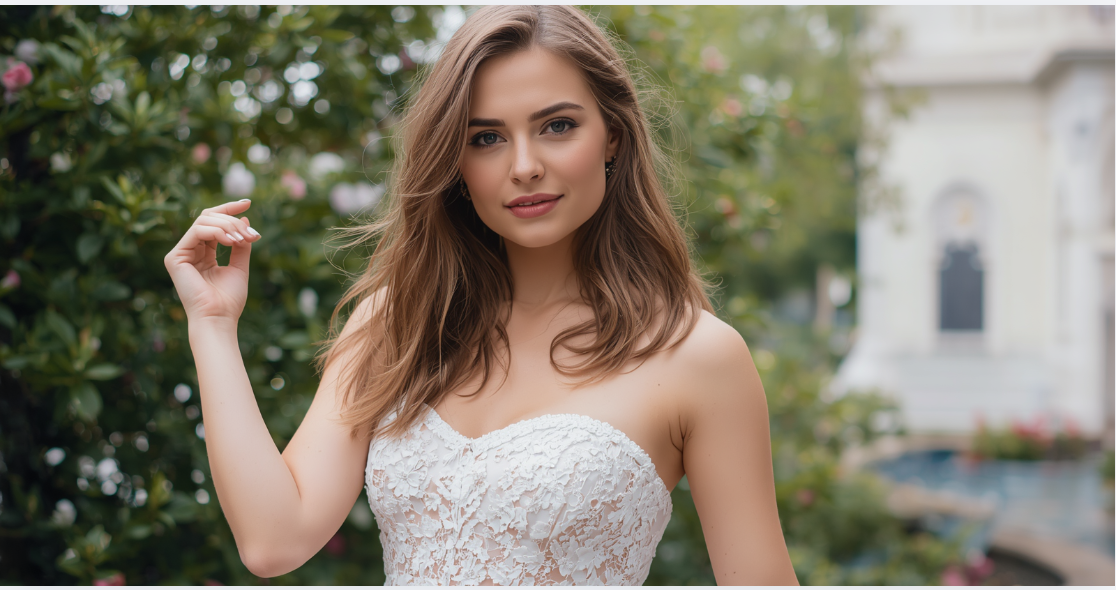
When exploring fashion design, dressmaking, or shopping for formalwear, you will frequently encounter technical terms used to describe different parts of a gown. Among these, the top portion of a garment holds the most structural and aesthetic weight. But what is the bodice of a dress, and why does it play such a critical role in how a garment fits, shapes, and looks on the human body?
In fashion and dressmaking, the bodice of a dress refers specifically to the fitted upper section of a garment that covers the torso from the shoulders or chest down to the waistline. It serves as the structural foundation of a dress, framing the upper body, supporting the bust, and connecting to the skirt or lower portion of the outfit. Understanding what is the bodice of a dress requires looking beyond simple definitions; it encompasses pattern drafting, historical evolution, structural support systems, and a vast array of style variations.
What Is the Bodice of a Dress? Core Definition and Garment Anatomy
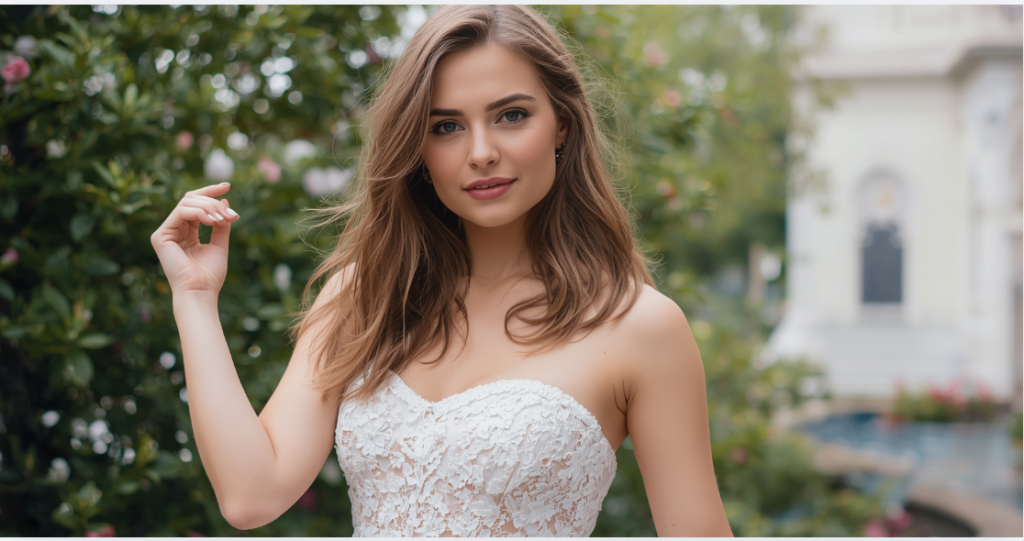
To understand what is the bodice of a dress, it helps to examine how a dress is divided into distinct anatomical components. While a dress appears as a unified single piece when worn, pattern makers and couturiers view it as an assembly of distinct sections: the bodice, the skirt, and optionally, the sleeves or straps.
       [ Neckline & Collar Area ]
                  │
        ┌─────────┴─────────┐
        │   FRONT BODICE    │  <-- Covers chest, bust & ribs
        │   & BACK BODICE   │      Includes darts, seams & support
        └─────────┬─────────┘
                  │
             [ Waistline ]  <-- Join line to skirt
                  │
           [ Skirt Assembly ]
The bodice is designed to enclose the ribcage, bust, back, and shoulders. Unlike a standalone blouse or shirt—which is an independent top—a bodice is either physically attached to a skirt via a waist seam or designed as the upper half of a one-piece dress.
Key Anatomical Characteristics of the Bodice
- Torso Coverage: Extends from the neck, shoulders, or armpits down to the natural waistline, dropped waist, or empire line.
- Fit and Shaping: Form-fitted using darts, seams, gathers, or boning to conform closely to the three-dimensional curves of the upper body.
- Structural Anchor: Acts as the anchor point for the entire dress, bearing the weight of heavy skirt fabrics, trains, and embellishments.
- Frame for the Face: Establishes the neckline (such as sweetheart, scoop, V-neck, or square), directly influencing how the chest, collarbones, and face are framed.
Patternmaking Basics: The Bodice Block and Sloper
In technical garment design, understanding what is the bodice of a dress begins on the drafting table. Before a fashion designer creates a complex dress, they start with a foundational pattern known as a bodice block or bodice sloper.
A bodice block is a customized, two-dimensional template created from specific body measurements. It represents a perfectly fitting “second skin” with zero design features—no collars, no gathers, no flared seams, and no decorative stitching. It contains only the minimum amount of ease required for a person to breathe, sit, and move comfortably.
+-----------------------------------------------------------------------+
|                        BODICE DRAFTING METRICS                        |
+------------------------------------+----------------------------------+
| Metric                             | Significance in Bodice Fit       |
+------------------------------------+----------------------------------+
| Bust Circumference & Apex Distance | Determines bust dart size/angle  |
| Upper Bust & Lower Bust            | Ensures gap-free neck/underarm   |
| Front & Back Waist Lengths         | Prevents pooling or pulling      |
| Shoulder Slope & Width             | Prevents shoulder seam riding up |
| Across-Back Width                  | Guarantees arm movement comfort  |
+------------------------------------+----------------------------------+
The Role of Darts in Bodice Construction
Because fabric is naturally flat and the human torso is three-dimensional, a bodice relies on darts—wedges of fabric folded and sewn down to a point—to shape flat cloth around the curves of the chest and back.
- Bust Darts: Sewn horizontally or diagonally from the side seam toward the bust point (apex). They provide volume for the chest while keeping the armhole flat.
- Waist Darts: Vertical darts running from the waistline up toward the bust or shoulder blade, tapering the fabric into the smaller circumference of the waist.
- Shoulder/Neck Darts: Used primarily on the back bodice block to accommodate the curve of the upper back and shoulder blades.
Through a patternmaking technique called dart manipulation, a designer can slash and rotate these basic darts into decorative seamlines, such as princess seams, gathered necklines, or asymmetrical tucks, without altering the underlying precision fit.
Historical Evolution: How the Bodice Changed Fashion History
To fully appreciate what is the bodice of a dress today, it is essential to trace its origins across centuries of costume history. The word bodice itself stems from an odd plural spelling of “body”—specifically referring to a 16th-century garment known as a “pair of bodies.”
The 16th and 17th Centuries: The Era of Rigid “Bodies”
During the Renaissance, upper-class European women wore a stiffened, sleeveless upper garment known as a pair of bodies. Constructed from heavy canvas, stiff linen, and stiffened with reed, bents, or whalebone (baleen), this garment flattened the bust and created a conical torso shape. Sleeves were often separate accessories tied to the shoulder points with ribbons or points.
The 18th Century: Stays and Integrated Gowns
By the 18th century, undergarments evolved into “stays,” while the outer dress featured a fitted bodice. In styles like the robe à la française or robe à l’anglaise, the gown bodice was mounted over a heavy lining, often featuring a decorative triangular front panel known as a stomacher. This stomacher was pinned or laced to the front of the bodice to cover the wearer’s stays.
The 19th Century to Early 20th Century: The Victorian and Edwardian Bodice
Throughout the Victorian era, dresses were constructed as two separate pieces made from matching fabric: a heavy, voluminous skirt and a separate, highly boned bodice. Women often possessed two distinct bodices for a single skirt—a high-necked, long-sleeved bodice for daytime wear, and a low-cut, short-sleeved bodice for evening events.
By the 1910s and 1920s, the rigid Victorian silhouette dissolved. Designers like Paul Poiret and Coco Chanel eliminated heavy boning, replacing rigid bodices with soft, draped, one-piece dresses that allowed natural body movement.
Structural Anatomy: Internal Components of a Bodice
Beyond the visible outer fabric, a high-end or formal dress bodice contains complex internal architecture designed to maintain shape, prevent slipping, and offer support.
1. Fashion Fabric (Shell)
The exterior layer visible to the world. Depending on the design, it can range from lightweight silk chiffon to heavy wool crepe, velvet, or embroidered lace.
2. Interfacing and Underlining
To give the outer fabric body and prevent stretching, designers apply interfacing (fused or sewn-in stiffening fabric) or underlining (a layer of woven fabric like cotton silk or organza basted directly to the wrong side of each fashion fabric piece before assembly).
3. Lining
The innermost layer that touches the skin. A well-constructed bodice lining covers all internal seams, protects delicate outer fabrics from body oils, and creates a smooth surface that glides easily over undergarments.
4. Boning Channels and Stays
In strapless gowns, evening wear, and bridal dresses, the bodice incorporates rigid or semi-rigid strips known as boning:
- Steel Boning: Rigid spiral or flat steel strips inserted into internal seam channels for heavy-duty shaping and absolute vertical support.
- Rigilene / Synthetic Whalebone: Flexible plastic boning that can be sewn directly onto seams, providing structure in lighter garments without excessive weight.
5. Waist Tape (Waist Stay)
A high-quality structured dress almost always includes an internal waist stay—a sturdy grosgrain ribbon sewn inside the bodice at the natural waist. The waist stay hooks securely around the wearer’s torso, anchoring the weight of the dress to the waist and preventing a strapless or heavy bodice from sliding down.
Diverse Styles and Variations of Dress Bodices
When asking what is the bodice of a dress, it is clear that there is no single design. The bodice style dictates the character, era, and silhouette of the entire dress.
| Bodice Style | Visual and Structural Features | Ideal Applications |
| Princess Seam | Continuous vertical seams running from the shoulder or armhole down to the hem; eliminates traditional darts. | A-line dresses, tailored sheath gowns, bridal wear |
| Empire Bodice | Cropped bodice that terminates immediately beneath the bustline, joining a long skirt. | Regency gowns, maternity dresses, summer maxis |
| Basque Bodice | Form-fitting bodice with a distinctive V-shape or drop-point extending below the waist in front. | Traditional ballgowns, Victorian dresses, bridal gowns |
| Corseted / Boned | Exposed or internal boning channels with structure designed to cinching or framing the torso. | Evening gowns, couture fashion, gothic apparel |
| Draped / Grecian | Fabric is artfully pleated, gathered, or crossed over the chest in fluid folds. | Formal evening gowns, bridesmaid dresses |
| Wrap Bodice | Overlapping front panels that form a V-neckline, secured by ties or buttons at the waist. | Casual daywear, work dresses, wrap dresses |
| Illusion Bodice | Sheer net, mesh, or tulle fabric accented with lace appliques, creating a floating detail effect. | Modern bridal wear, red-carpet gowns |
| Peplum Bodice | A fitted bodice featuring a short, flared ruffle or skirt section attached at the waist. | Business dresses, cocktail attire |
How to Fit a Bodice: Common Alterations and Troubleshooting
The bodice is the most difficult section of a garment to fit because it must accommodate three distinct anatomical structures simultaneously: the shoulder girdle, the bust, and the ribcage. When evaluating what is the bodice of a dress in terms of fit, several common fitting issues require specialized pattern adjustments.
Small Bust Adjustment (SBA) vs. Large Bust Adjustment (LBA)
Standard commercial patterns are typically drafted for a B-cup or C-cup bust.
- When an LBA is needed: The dress feels tight across the chest, the side seams pull forward, or diagonal strain lines form radiating from the bust point. An LBA adds extra length and width across the front bodice without enlarging the shoulders or waist.
- When an SBA is needed: Excess, baggy fabric pools around the chest, or the armholes gape open. An SBA removes volume from the bust area while keeping the shoulder and waist measurements intact.
       [ LBA Adjustment ]                     [ SBA Adjustment ]
   Expand center & bust area             Reduce chest ease & darts
   ─────────────────────────             ─────────────────────────
       ┌─────────────┐                       ┌───────────┐
       │   /     \   │                       │  │     │  │
       │  (  BUST  ) │                       │  ( BUST ) │
       │   \     /   │                       │  │     │  │
       └─────────────┘                       └───────────┘
   (Adds length & circumference)       (Removes excess hollow fabric)
Gap-Prone Necklines
Strapless or low-cut V-neck bodices often gape away from the chest when the wearer moves. Tailors resolve this issue by shortening the neckline edge on the pattern, taking a small dart out of the neckline curve, or sewing a strip of clear elastic or stay-tape along the inside neckline edge to draw it snugly against the chest.
Torso Length Adjustments
- Long Torso: If the waist seam of the bodice sits above your natural waistline, causing the skirt to ride up, the bodice length must be lengthened along the horizontal adjustment line.
- Short Torso: If fabric bunches or folds horizontally above the waistline, the bodice length must be shortened to prevent excess fabric pooling.
Fabric Selection and Impact on Bodice Construction
The choice of fabric profoundly changes how a bodice behaves, sits on the body, and holds its structural shape.
Rigid Woven Fabrics (Satin, Taffeta, Brocade, Mikado)
Woven fabrics with minimal stretch offer exceptional stability. They are the ideal choice for structured, boned, or tailored bodices because they can support internal foundations without stretching out of shape. Mikado and silk taffeta hold crisp folds and sharp princess lines beautifully.
Drapeable and Fluid Fabrics (Chiffon, Georgette, Silk Crepe)
Lightweight, flowing fabrics lack structural integrity on their own. When used for a bodice, they are almost always mounted over a firm, opaque underlining (such as cotton lawn or silk organza) to maintain structure while allowing the outer layer to drape, float, or gather softly across the bust.
Stretch Knits and Elastane Blends (Jersey, Scuba, Ponte de Roma)
Knit fabrics expand to accommodate the body, allowing for simplified bodice patterns that frequently eliminate bust and waist darts entirely. Negative ease—where the pattern dimensions are smaller than the actual body measurements—is used so the fabric stretches to form a sleek, form-fitting silhouette.
Constructing a Professional Bodice: Step-by-Step Sewing Order
In professional garment manufacturing and haute couture ateliers, assembling a dress bodice follows a strict, logical sequence. Deviating from this sequence makes it difficult to press seams properly or install internal support mechanisms.
- Preparing the Pattern Pieces: Cut the fashion fabric, underlining, interfacing, and lining according to the grainlines. Fuse interfacing to necessary areas (such as necklines, facings, and zipper insertion zones).
- Stitching Darts and Shaping Seams: Sew all bust, waist, and shoulder darts on both the shell and lining. Press bust darts downward and waist darts toward the center front or back.
- Assembling the Shell: Stitch the front and back bodice together at the shoulder seams and side seams. Press all seam allowances open to minimize bulk.
- Installing Internal Support: If adding boning, stitch boning channels onto the lining or seam allowances and insert the boning strips, ensuring the ends are capped or padded so they do not poke through the fabric.
- Attaching the Lining: Place the fashion fabric shell and lining right sides together. Stitch around the neckline and armholes (for sleeveless designs). Grade the seam allowances, clip curves, and understitch the lining to keep it from rolling to the outside.
- Inserting Closures: Install invisible zippers, exposed zippers, or button loops along the back or side seam of the bodice.
- Joining to the Skirt: Align the waist seam of the completed bodice with the top of the skirt, matching side seams and darts. Stitch the waist seam, press it upward into the bodice or down into the skirt, and secure the internal waist stay.
Bodice Styles for Different Body Shapes
Selecting or designing the right bodice involves matching garment structure to body proportions to highlight natural features and maximize comfort.
- Hourglass Shapes: Classic fitted bodices with princess seams, basque waists, or sweetheart necklines accentuate a defined waistline while providing balanced bust support.
- Pear Shapes: Bodices featuring dramatic necklines, off-the-shoulder straps, or detailed embellishments (such as lace appliques or ruffles) draw visual focus upward toward the shoulders and collarbones.
- Apple Shapes: Empire bodices that cinch just beneath the bustline or wrap bodices with diagonal crossover lines create an elongated vertical line through the torso.
- Athletic / Straight Shapes: Ruched, draped, or peplum bodices add visual volume, dimensional texture, and the illusion of curves across the bust and waistline.
Frequently Asked Questions
What is the difference between a bodice and a corset?
While both garments cover the torso, a bodice is simply the upper portion of a dress designed to fit the torso and hold the garment’s shape. A corset is a specialized, heavily boned structural garment specifically engineered to compress, shape, and reduce the waistline and torso silhouette. While a dress bodice can feature corset-inspired styling or internal boning for support, its primary purpose is coverage and garment structure rather than active body compression.
Is a bodice the same thing as a top or blouse?
No. A top or blouse is an independent, standalone garment that can be worn separately with various pants, shorts, or skirts. A bodice is structurally integrated into a full dress—joined at the waistline to a skirt—or forms the upper half of a one-piece garment. Historically, separate dress bodices existed, but they were specifically crafted to match a corresponding skirt as part of a two-piece ensemble.
What is a bodice block or sloper in patternmaking?
A bodice block (or sloper) is a foundational pattern template custom-drafted to a person’s exact body measurements with zero decorative details, seam allowances, or extra fullness. It represents a perfectly fitting “second skin.” Patternmakers and fashion designers use this plain template as the starting point to manipulate darts, add style lines, design custom necklines, and draft virtually any dress bodice style.
How do I measure my torso for a well-fitting bodice?
To get an accurate measurement for a dress bodice, you need five core measurements taken with a flexible tape measure over standard undergarments:
- Full Bust: Across the fullest point of the chest.
- Underbust: Directly beneath the bust around the ribcage.
- Natural Waist: At the narrowest point of the torso (typically 1–2 inches above the belly button).
- Front Waist Length: From the side base of the neck, over the bust point, straight down to the natural waist.
- Back Waist Length: From the prominent bone at the base of the neck down the center of the back to the natural waist.
Why does my dress bodice keep sliding down when I wear a strapless gown?
A strapless bodice slides down when it relies entirely on friction against the chest rather than structural anchoring. To stay securely in place without straps, a bodice requires internal support: vertical boning along the seams to keep the fabric from collapsing downward, and an internal waist stay (a snug grosgrain ribbon hooked around the waist inside the dress) that anchors the weight of the gown to your natural waist rather than your bustline.
Conclusion
Understanding what is the bodice of a dress reveals the intricate craftsmanship behind everyday clothing and haute couture alike. Far more than a simple piece of fabric covering the chest, the bodice serves as the structural foundation, aesthetic focal point, and technical anchor of any dress. From its origin in historical stiffened “bodies” to modern princess-seamed bridal gowns and fluid knit wrap dresses, the bodice bridges the gap between flat textile design and three-dimensional human anatomy. Whether you are fitting a garment, designing a collection, or choosing formalwear for an event, recognizing how necklines, darts, boning, and seams work together in the bodice ensures a comfortable fit and an effortlessly polished silhouette.