
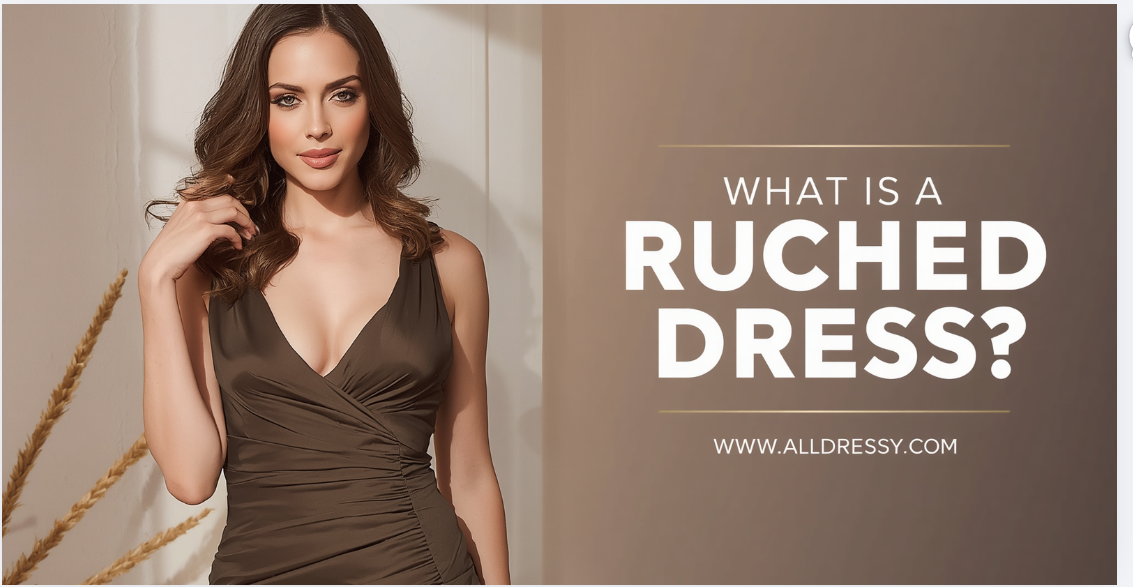
If you’ve ever wondered what is a ruched dress, you’re not alone. Ruched dresses have become one of the most popular and flattering styles in women’s fashion, appearing everywhere from casual summer outfits to glamorous red-carpet events. Understanding what is a ruched dress can help you choose styles that enhance your figure, improve comfort, and create a fashionable silhouette for virtually any occasion.
A ruched dress is a dress that features gathered, pleated, or bunched fabric that is sewn in a way that creates textured folds. These folds, known as ruching, can appear on the sides, waist, bust, sleeves, shoulders, or throughout the entire garment. The technique adds visual interest while helping to create a more flattering shape.
One reason ruched dresses remain so popular is their ability to complement many body types. The gathered fabric can camouflage areas some women prefer not to emphasize while enhancing curves and creating a balanced silhouette. Whether you’re dressing for a wedding, cocktail party, office event, vacation, or everyday wear, a ruched dress offers a stylish and versatile option.
This comprehensive guide explains everything you need to know about ruched dresses, including their history, construction, styles, body-shape benefits, fabrics, trends, and how to wear them confidently.
What Is a Ruched Dress? Understanding the Definition
The term “ruched” comes from a sewing technique that gathers fabric into repeated folds or pleats.
A ruched dress typically includes:
- Gathered fabric sections
- Decorative folds
- Elasticized or stitched pleating
- Textured appearance
- Enhanced shaping effects
Unlike a plain dress with smooth fabric, a ruched dress intentionally creates texture through strategic gathering. This design technique adds dimension and visual appeal while influencing how the garment fits the body.
The amount of ruching can vary significantly. Some dresses feature subtle ruching along the waist, while others include dramatic ruching across the entire dress.
What Is a Ruched Dress in Fashion History?
The concept of ruching has existed for centuries.
Historically, gathered fabrics appeared in:
- Victorian fashion
- Renaissance garments
- Court dresses
- Formal gowns
- High-fashion couture designs
In earlier eras, ruching symbolized luxury because creating gathered fabric required skilled craftsmanship and additional material.
During the 1980s and 1990s, ruched dresses became especially popular in evening wear. Designers used ruching to create figure-enhancing silhouettes that emphasized glamour and sophistication.
Today, ruching appears in virtually every category of women’s fashion, from casual dresses to luxury designer collections.
What Is a Ruched Dress and How Is It Made?
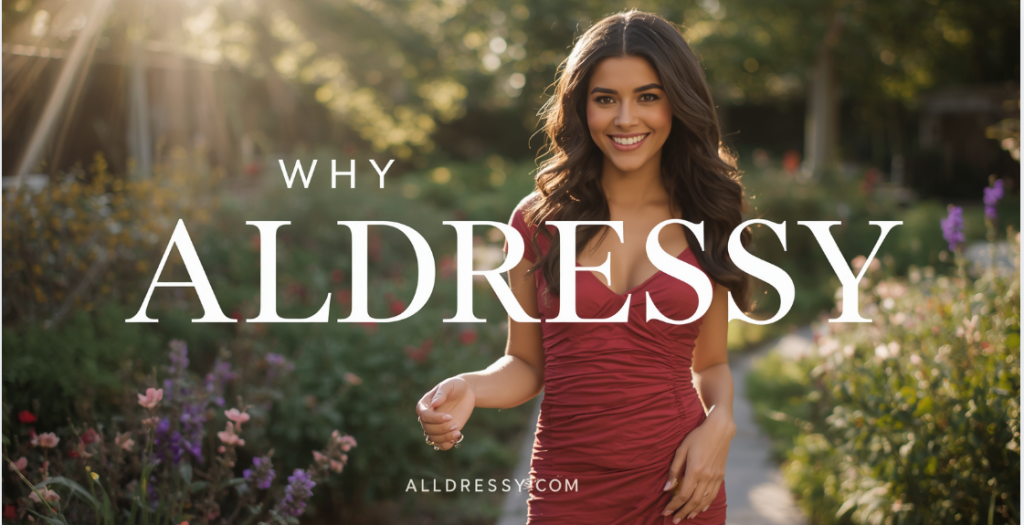
The construction of a ruched dress involves gathering fabric through stitching techniques.
Methods include:
Elastic Ruching
Elastic threads gather the fabric naturally.
Benefits include:
- Stretchability
- Comfort
- Flexibility
- Easy movement
Drawstring Ruching
Adjustable strings create customized gathering.
Advantages:
- Adjustable length
- Personalized fit
- Modern appearance
Sewn-In Ruching
Fabric is permanently gathered and stitched.
Features:
- Structured appearance
- Consistent shape
- Long-lasting design
Shirred Ruching
Multiple rows of elastic create gathered sections.
Benefits include:
- Added stretch
- Body contouring
- Comfortable fit
What Is a Ruched Dress Used For?
Ruching serves both practical and aesthetic purposes.
Enhancing Body Shape
Ruching helps:
- Define curves
- Create waistlines
- Add dimension
- Improve balance
Camouflaging Certain Areas
Many women choose ruched dresses because the gathered fabric can:
- Minimize the appearance of the stomach
- Smooth body contours
- Reduce emphasis on problem areas
Adding Style
The textured appearance creates:
- Visual interest
- Luxury appeal
- Unique design elements
Improving Fit
Ruching often provides:
- Greater flexibility
- Better adaptability
- More comfortable wear
What Is a Ruched Dress and Why Is It So Popular?
Ruched dresses remain fashionable because they combine beauty and practicality.
Reasons for popularity include:
- Universally flattering
- Comfortable fit
- Elegant appearance
- Versatile styling
- Suitable for many occasions
- Available in numerous designs
Fashion trends change frequently, but ruching consistently remains relevant because of its body-enhancing benefits.
Types of Ruched Dresses
There are many variations of ruched dresses.
Side Ruched Dress
One of the most popular styles.
Features:
- Gathering along one or both sides
- Figure-flattering effect
- Modern silhouette
Ideal for:
- Cocktail parties
- Date nights
- Evening events
Waist Ruched Dress
Ruching is concentrated around the waist.
Benefits:
- Creates hourglass illusion
- Defines midsection
- Enhances proportions
Bust Ruched Dress
Gathering occurs around the bust area.
Advantages:
- Adds visual dimension
- Enhances neckline
- Creates feminine shape
Full Ruched Dress
The entire dress features ruching.
Benefits:
- Dramatic appearance
- High-fashion appeal
- Strong body contouring
Sleeve Ruched Dress
Ruching appears on sleeves.
Features:
- Stylish detailing
- Added texture
- Trend-forward appearance
What Is a Ruched Dress for Different Body Types?
One major advantage of ruching is its versatility.
Hourglass Body Shape
Ruched dresses enhance natural curves.
Best styles:
- Waist ruching
- Side ruching
- Bodycon designs
Pear Body Shape
Ruching helps balance proportions.
Ideal options:
- Ruched bodices
- Detailed necklines
- Upper-body gathering
Apple Body Shape
Ruching can soften the midsection.
Recommended styles:
- Empire-waist ruching
- Side ruching
- Draped designs
Rectangle Body Shape
Ruched dresses create the illusion of curves.
Best choices:
- Waist ruching
- Asymmetrical ruching
- Body-contouring silhouettes
Petite Body Shape
Strategic ruching adds dimension without overwhelming the frame.
Choose:
- Moderate ruching
- Vertical designs
- Shorter lengths
What Is a Ruched Dress Made Of?
Fabric selection significantly affects the appearance of ruching.
Jersey Ruched Dresses
Most common option.
Benefits:
- Stretchable
- Comfortable
- Figure-friendly
Cotton Ruched Dresses
Perfect for casual wear.
Advantages:
- Breathable
- Lightweight
- Easy maintenance
Chiffon Ruched Dresses
Ideal for formal occasions.
Features:
- Elegant drape
- Soft movement
- Romantic appearance
Satin Ruched Dresses
Popular in evening fashion.
Benefits:
- Luxurious shine
- Smooth texture
- Sophisticated look
Velvet Ruched Dresses
Excellent for cooler seasons.
Advantages:
- Rich appearance
- Warmth
- Formal elegance
What Is a Ruched Dress for Casual Wear?
Casual ruched dresses are practical and stylish.
Common features:
- Cotton fabrics
- Relaxed silhouettes
- Simple patterns
- Comfortable fit
Perfect for:
- Shopping
- Lunch outings
- Travel
- Everyday activities
What Is a Ruched Dress for Formal Events?
Formal ruched dresses often include luxurious details.
Popular features:
- Satin fabrics
- Floor-length silhouettes
- Elegant necklines
- Sophisticated draping
Suitable for:
- Weddings
- Galas
- Formal dinners
- Evening parties
What Is a Ruched Dress for Cocktail Events?
Cocktail dresses frequently use ruching because it creates flattering silhouettes.
Typical characteristics:
- Knee-length designs
- Side ruching
- Bodycon styles
- Elegant fabrics
These dresses balance sophistication and fashion-forward appeal.
How to Style a Ruched Dress
Proper styling enhances the beauty of a ruched dress.
Jewelry Options
Since ruching already adds texture, accessories should remain balanced.
Good choices include:
- Stud earrings
- Delicate necklaces
- Simple bracelets
- Elegant rings
Footwear Choices
For casual looks:
- Sandals
- Flats
- Sneakers
For formal occasions:
- Pumps
- Strappy heels
- Elegant sandals
Handbags
Recommended options:
- Clutches
- Structured handbags
- Minimalist shoulder bags
Outerwear Pairings
Ruched dresses pair well with:
- Blazers
- Leather jackets
- Cardigans
- Trench coats
What Is a Ruched Dress Compared to Other Dress Styles?
Understanding comparisons helps clarify its unique appeal.
Ruched Dress vs Bodycon Dress
- Ruched dress: gathered fabric texture
- Bodycon dress: tight-fitting silhouette
Many dresses combine both styles.
Ruched Dress vs Wrap Dress
- Ruched dress: sewn gathering
- Wrap dress: overlapping fabric closure
Ruched Dress vs Shift Dress
- Ruched dress: body-shaping texture
- Shift dress: loose straight silhouette
Ruched Dress vs Draped Dress
- Ruched dress: intentional gathering
- Draped dress: flowing fabric folds
What Is a Ruched Dress in Modern Fashion Trends?
Ruching continues evolving with contemporary fashion.
Current trends include:
Asymmetrical Ruching
Creates visual interest and modern appeal.
Adjustable Ruched Dresses
Allow customized fit and length.
Minimalist Ruched Designs
Subtle ruching for understated elegance.
Sustainable Ruched Fashion
Eco-friendly fabrics combined with ruched construction.
Luxury Ruched Evening Gowns
Designer collections frequently feature dramatic ruching for red-carpet impact.
What Is a Ruched Dress and Why Every Wardrobe Needs One
A ruched dress is one of the most versatile garments in modern fashion. Its unique gathering technique creates texture, enhances body shape, and provides a comfortable fit while remaining stylish and sophisticated.
Whether you choose a casual cotton ruched dress for everyday wear or a luxurious satin version for formal occasions, ruching offers significant advantages that few other design techniques can match. It flatters multiple body types, adapts to changing trends, and works across seasons and dress codes.
Understanding what is a ruched dress helps you appreciate why this timeless fashion style continues to be a favorite among designers, stylists, and consumers alike. With its combination of elegance, comfort, and figure-enhancing design, the ruched dress remains an essential piece in contemporary fashion.
FAQs About What Is a Ruched Dress
What is a ruched dress in simple terms?
A ruched dress is a dress that features gathered, pleated, or bunched fabric sewn into the garment to create textured folds. This design adds style, dimension, and a flattering shape to the dress.
What does “ruched” mean in fashion?
In fashion, “ruched” refers to a sewing technique where fabric is gathered together to create folds or pleats. These gathered sections can be decorative or used to improve the fit and silhouette of a garment.
Are ruched dresses flattering?
Yes, ruched dresses are widely considered flattering because the gathered fabric helps smooth body contours, define curves, and create a more balanced silhouette. Many people choose ruched dresses because they enhance confidence and comfort.
Do ruched dresses make you look slimmer?
Ruching can create the illusion of a slimmer figure by drawing attention away from certain areas and adding texture that softens body lines. Side ruching and waist ruching are especially popular for this effect.
What body types look best in ruched dresses?
Ruched dresses work well for nearly all body types, including:
- Hourglass shapes
- Pear shapes
- Apple shapes
- Rectangle shapes
- Petite frames
The key is choosing ruching placement that complements your body proportions.
Are ruched dresses comfortable?
Yes, many ruched dresses are made from stretchy fabrics such as jersey, knit, or blended materials. The gathered fabric often allows greater flexibility and comfort compared to more structured garments.
Can I wear a ruched dress casually?
Absolutely. Casual ruched dresses made from cotton, jersey, or lightweight fabrics are perfect for everyday activities, shopping trips, vacations, and relaxed social events.
Are ruched dresses suitable for formal occasions?
Yes, ruched dresses are commonly worn for weddings, cocktail parties, evening events, and formal gatherings. Satin, silk, velvet, and chiffon ruched dresses are especially popular for elegant occasions.
What shoes should I wear with a ruched dress?
The best shoes depend on the occasion:
- Sneakers or sandals for casual outfits
- Flats for comfortable daytime wear
- Pumps or heels for formal events
- Strappy sandals for cocktail parties
Are ruched dresses still in style?
Yes, ruched dresses continue to be a major fashion trend. Designers regularly include ruching in modern collections because it is flattering, versatile, and timeless.
How do you care for a ruched dress?
Always check the garment care label. Most ruched dresses should be washed gently to preserve the gathered fabric. Delicate fabrics like satin, silk, or chiffon may require hand washing or professional cleaning.
Conclusion
Understanding what is a ruched dress helps explain why this style remains one of the most popular and versatile choices in women’s fashion. A ruched dress uses gathered fabric techniques to create texture, shape, and visual interest while enhancing the overall fit of the garment.
One of the biggest advantages of ruching is its ability to flatter a wide range of body types. Whether the gathering is placed at the waist, sides, bust, or throughout the dress, it can help create balanced proportions, define curves, and provide a more confident silhouette. This combination of style and functionality has made ruched dresses a favorite for decades.
Ruched dresses are also incredibly adaptable. They can be worn casually with simple accessories and flats or dressed up with elegant heels and jewelry for weddings, cocktail parties, and formal events. Available in a variety of fabrics, lengths, and silhouettes, they suit nearly every occasion and season.
As fashion trends continue to evolve, ruching remains relevant because it offers timeless appeal while adapting to modern styles. From minimalist designs to glamorous evening gowns, ruched dresses continue to showcase how a simple fabric-gathering technique can transform a garment into something both fashionable and flattering.
Ultimately, a ruched dress is more than just a trend—it is a classic wardrobe staple that combines comfort, elegance, versatility, and figure-enhancing design, making it a valuable addition to any fashion collection.