
In a world dominated by fast fashion and quick-fix wardrobe solutions, the art of true garment preservation is frequently overlooked. Many individuals struggle with underarm wetness, yellow structural fabric stains, and persistent odor that can rapidly ruin luxury apparel, bespoke suits, and delicate evening wear. While modern chemical antiperspirants are the most common fallback, they regularly react with body chemistry to form stubborn, waxy, and highly destructive yellow stains that destroy clothing fibers.
To protect your investments, you must look beyond chemical sprays and embrace high-performance garment barriers. If you have ever wondered what are dress shields, how they are engineered, and how to seamlessly integrate them into your wardrobe, this long-form styling and textile manual delivers the ultimate blueprint.
What Are Dress Shields? The Technical Definition and Purpose
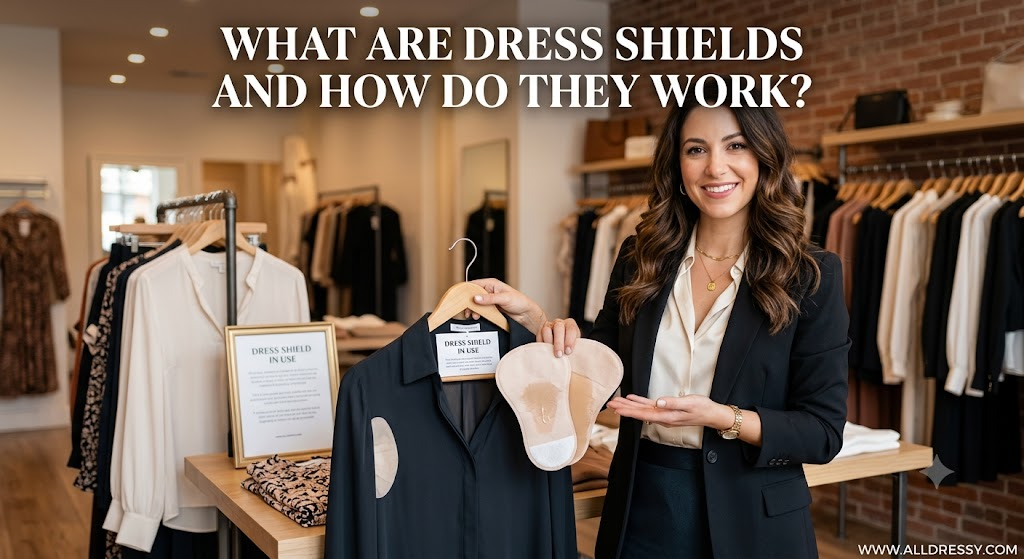
Dress shields—frequently referred to as underarm liners, garment guards, or sweat shields—are specialized, crescent-shaped fabric barriers designed to be positioned inside the armhole area of a garment. Positioned directly at the intersection of the sleeve and the bodice, dress shields function as a physical firewall between the body’s sweat glands and the exterior fabric of the apparel.
The Tri-Layer Dress Shield Architecture:
┌────────────────────────────────────────────────────────┐
│  Layer 1: Hydrophilic Wicking Face (Hypoallergenic)    │  <- Sits directly against the skin/liner
├────────────────────────────────────────────────────────┤
│  Layer 2: High-Capacity Absorbent Core (Cellulose/Dry) │  <- Traps and locks moisture away
├────────────────────────────────────────────────────────┤
│  Layer 3: Impermeable Moisture Barrier (Polyurethane)  │  <- Rests against the clothing fabric
└────────────────────────────────────────────────────────┘
The primary engineering goal of a dress shield is threefold:
- Moisture Interception: They absorb axillary perspiration before it can make physical contact with the dress or shirt, eliminating visible wetness.
- Chemical and Bacterial Barrier: They trap aluminum-based residues from deodorants, preventing the chemical discoloration and stiffness that causes white and yellow staining.
- Odor Containment: By trapping sweat within an engineered, breathable core, dress shields stop the airborne spread of odor-causing bacteria.
The Historical Evolution of Underarm Protection
Long before the development of commercial roll-on deodorants, dress shields were considered a critical component of everyday garment maintenance. In the late 19th and early 20th centuries, textiles like heavy wool, silk brocade, and velvet were exceptionally expensive and difficult to launder. Washing a full gown frequently was simply out of the question due to the delicate dyes and intricate construction.
Historical Development Timeline:
Late 1800s: Introduction of vulcanized rubber dress shields (Kleinert's foundational era)
1920s-1950s: Introduction of washable flannelette and vinyl-core sew-in panels
1980s-Present: Development of ultra-thin, adhesive disposable polymer liners
Industrial pioneers like Kleinert’s popularized the dress shield in 1869 by combining water-resistant vulcanized rubber matrices with soft cotton outers. In the 1940s and 1950s, women routinely crafted their own reusable shields from multi-layered flannelette, attaching them to garments via delicate press studs or safety pins to preserve their vintage knits and tailored suits. Today, while chemical options dominate the consumer market, the dress shield remains a secret staple among high-fashion models, theatrical costume designers, and bridal stylists who deal with irreplaceable garments.
Reusable vs. Disposable Dress Shields: A Comparative Analysis
Modern dress shields are divided into two main categories based on construction, material life cycle, and installation methods. Selecting the right configuration depends entirely on the fabric composition of your dress and how often you plan to wear it.
1. Disposable “Peel-and-Stick” Underarm Liners
Disposable dress shields are designed for convenience and single-use applications. They feature an integrated medical-grade adhesive backing that adheres directly onto the interior seams of the clothing.
- Material Composition: Typically constructed using a soft, air-laid paper or non-woven hydrophilic top sheet backed by a thin, flexible polyethylene film.
- Best Used For: Standard cotton shirts, blazers, temporary costume rentals, and fast-paced travel schedules. They work exceptionally well on robust synthetic fibers like rayon and polyester blends.
- Limitations: The aggressive adhesive can occasionally leave a sticky residue behind or damage delicate, ultra-sheer fabrics like silk chiffon, fine tulle, or open-weave lace during removal.
2. Reusable and Washable Fabric Shields
Reusable variations are intended for long-term garment integration and provide a softer, quieter, and more sustainable option.
- Material Composition: These pieces generally feature multi-layered high-grade double-ply cotton or bamboo terry wicking layers surrounding a hidden core of Polyurethane Laminate (PUL) or specialized vinyl.
- Best Used For: Investment pieces, couture gowns, tailored wool suits, and heirloom garments.
- Installation Variants:
- Sew-In: Stitched permanently or basted directly onto the inner seam allowances of the sleeve. They go through the laundry or dry cleaning cycle attached to the garment.
- Pin-In / Snap-On: Secured via small safety pins or sewn-in miniature metal snap fasteners, allowing you to easily remove the shield to wash it separately after each wear.
The Materials Science Behind Effective Sweat Barriers
To understand how a dress shield functions without creating a noisy rustle or feeling overly bulky, you must look closely at its fabric engineering. A high-quality modern shield balances breathability with absolute impermeability.
Material Properties Matrix:
┌──────────────────────────────┬──────────────────────────────┬──────────────────────────────┐
│       The Face Fabric        │      The Absorbent Core      │     The Structural Barrier   │
├──────────────────────────────┼──────────────────────────────┼──────────────────────────────┤
│ • Material: Brushed Cotton / │ • Material: Cellulose Fiber/ │ • Material: PUL Film         │
│   Hypoallergenic Microfiber  │   Bamboo Terry Blend         │   (Polyurethane Laminate)    │
│ • Function: Wicks moisture   │ • Function: Traps and holds  │ • Function: Blocks fluid     │
│   rapidly away from skin     │   high fluid volumes securely│   transfer completely        │
└──────────────────────────────┴──────────────────────────────┴──────────────────────────────┘
The magic component in premium reusable shields is Polyurethane Laminate (PUL). Unlike old-fashioned rubber sheets or rigid plastics that crack over time and make an audible noise as you move your arms, PUL is a ultra-thin textile that has been thermally bonded to a microscopic plastic film. The film features pores that are small enough to block liquid water droplets completely, yet large enough to let heat and water vapor escape. This prevents a sweaty “greenhouse effect” under the arm, ensuring your underarms stay comfortable even under intense stage or event lighting.
How to Correctly Install Dress Shields: Step-by-Step Instructions
An improperly placed dress shield will cause bunching, restrict your range of motion, and fail to catch sweat effectively. Follow this installation guide to achieve a clean, invisible fit.
The Shield Installation Roadmap:
[Invert the Garment and Lay It on a Flat Surface]
                       │
                       ▼
[Locate the Centermost Intersecting Armpit Seam Line]
                       │
                       ▼
[Fold the Dress Shield Inward to Form an Asymmetrical Crescent]
                       │
                       ▼
[Align Long Curve to Sleeve / Short Curve to Body Bodice]
                       │
                       ▼
[Apply Firm Pressure to Adhesive OR Secure with Pins/Snaps]
                       │
                       ▼
[Revert Garment and Verify Exterior Smoothness and Fit]
Installation Steps
- Prepare the Garment: Turn your dress or shirt completely inside out and lay it flat on a firm ironing board or table. Smooth out any wrinkles around the armhole seam.
- Determine Orientations: Notice that dress shields feature a larger curved side and a smaller curved side. The larger curved half is engineered to sit inside the sleeve side of the garment, while the smaller half rests against the body (bodice) side.
- Position the Fold: Fold the shield directly in half down its center channel. Align this fold line precisely with the underarm seam line of the dress.
- Secure the Barrier:
- For Disposables: Carefully peel away the protective paper backing strips one at a time. Smooth the sleeve side down first, pressing firmly from the center out to the edges to avoid air bubbles, then repeat on the bodice side.
- For Pin-ins: Use small, curved safety pins to secure the edges of the shield tab to the interior seam allowances of the garment, ensuring the pins do not pierce the exterior face fabric.
- Test the Movement: Turn the garment right-side out. Put the dress on and move your arms in a circular motion. The shield should mirror the curves of your body perfectly without causing any noticeable pull or dimpling on the outside fabric.
Industry Applications: Who Relies on Dress Shields?
While dress shields are highly effective for everyday office wear, they are an absolute necessity across several high-stakes professional industries.
Theatrical and Film Costuming
In theater production, wardrobe departments manage custom-tailored, historical garments that cannot be thrown into a washing machine. Performers dance under intensely hot stage lights while dealing with adrenaline-induced perspiration. Wardrobe managers baste sew-in or snap-on reusable shields into every costume, laundering only the shields between performances to protect the main costume components.
Bridal and Evening Wear Design
Wedding gowns and formal wear are typically constructed from high-luxury silk crepe, delicate satin, and intricate beadwork. Sweat stains on silk cause permanent fiber shrinkage, puckering, and severe dye bleeding that cannot be fixed. Bridal consultants recommend dress shields to keep the interior armpits pristine throughout warm outdoor photo shoots and long receptions.
High-Fashion Runway and Editorial Styling
Fashion stylists pull couture garments directly from designers for short magazine shoots and runway presentations. These sample pieces must be returned in flawless, resale condition. Stylists place disposable shields into every garment before the models dress, guaranteeing the high-end apparel remains free of sweat rings and deodorant marks.
Fabric-Specific Styling Guide for Dress Shields
Different fabric weights require tailored protective approaches to keep the shield completely hidden from view.
| Fabric Family | Common Garment Types | Recommended Shield Variant | Strategic Application Logic |
| Sheer & Delicate | Silk Chiffon, Georgette, Organza, Lace | Strapless Bra-Mounted or Flesh-Tone Pin-In | Adhesives will show through or tear open-weave silks. Attaching the shield via an adjustable bra-strap harness keeps the dress entirely untouched. |
| Heavy & Structural | Wool Suits, Tweed Blazers, Brocade Capes | Sew-In Reusable Cotton-PUL Mix | Thick, structured winter fabrics easily conceal the extra weight of a durable sew-in shield, offering permanent protection. |
| Fine Knits | Cashmere Cardigans, Fine Merino Sweater Dresses | Reusable Snap-On or Press-Stud Flannel | Knits stretch continuously with body movement. A snap-on fabric shield moves naturally with the yarn without peeling away. |
| Everyday Wovens | Poplin Shirts, Linen Sundresses, Cotton Sheaths | Ultra-Thin Adhesive Disposable Liners | Crisp, everyday cotton and linen fabrics provide an excellent surface for adhesives, allowing for quick installation and removal. |
Frequently Asked Questions (FAQs)
Can dress shields be used with strapless or sleeveless dresses?
Standard dress shields are designed for sleeved garments because they rely on the sleeve and bodice seam to stay anchored. However, for strapless or sleeveless designs, you can utilize specialized body-adhesive shields that stick directly to your skin, or dress shields attached to adjustable shoulder harnesses/bra-strap attachments. These alternatives suspend the absorbent pads perfectly beneath the armpit without needing any fabric sleeves for support.
Will dress shields damage delicate fabrics like silk or satin?
Disposable “peel-and-stick” shields feature medical-grade adhesives that can occasionally pull fibers or leave a sticky residue behind on fragile weaves like silk chiffon, fine satin, or lace. For investment pieces and luxury textiles, you should always choose sew-in or pin-in reusable fabric shields. These are secured purely by stitching or pinning into the hidden interior seam allowances, ensuring the delicate face fabric of the dress remains completely untouched by adhesives.
How often should reusable dress shields be washed?
Reusable dress shields should be laundered after every single wear, just like underwear. Because their main job is to trap moisture, salt, and odor-causing bacteria, leaving them unwashed inside a garment will degrade the absorbent core and lock in unpleasant smells. If you use snap-on or pin-in versions, simply remove them at the end of the day and toss them into a gentle machine wash cycle with mild detergent.
Do dress shields rustle or make noise when you move?
High-quality modern dress shields are completely silent. While old-fashioned vintage variations from decades ago relied on noisy, stiff rubber or rigid plastic liners that rustled with arm movements, contemporary shields utilize Polyurethane Laminate (PUL) or specialized non-woven microfibers. These materials are incredibly thin, flexible, and fabric-bonded, allowing them to stretch and contour silently to your body’s natural movements.
Conclusion
Dress shields represent the ultimate fusion of classic wardrobe preservation and modern textile engineering. Rather than relying solely on chemical sprays that can alter your body’s natural state and leave damaging, crusty residues on your clothing, these physical barriers tackle the root causes of fabric degradation at the source. Whether you select the rapid convenience of disposable peel-and-stick liners for business travel or invest in the sustainable luxury of sew-in cotton-PUL shields for a bespoke wedding gown, you are taking a proactive stance on garment longevity. By understanding how to select the right shield configuration for your specific fabric and mastering the geometry of proper alignment, you can step out into any high-stakes event, theatrical performance, or warm-weather gathering with complete peace of mind, knowing your style remains pristine, protected, and completely dry.