
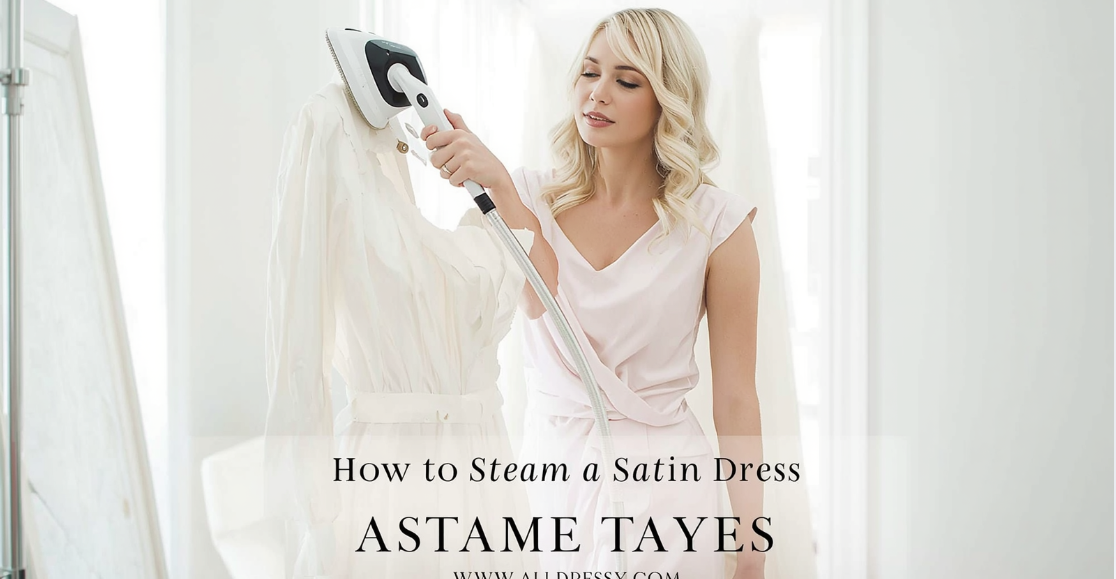
Learning how to steam a satin dress is essential for anyone who owns delicate formalwear, bridal gowns, evening dresses, or luxury fabrics. Satin is known for its smooth, glossy surface and elegant drape, but it is also one of the most sensitive fabrics when it comes to heat, water, and direct contact. Improper steaming can easily cause water spots, heat damage, shine distortion, or permanent fabric marks.
Understanding how to steam a satin dress correctly helps you safely remove wrinkles while preserving the fabric’s natural shine and soft texture. Whether you’re preparing for a wedding, prom, photoshoot, or special event, proper steaming techniques ensure your dress looks flawless and professionally finished.
This comprehensive guide explains everything about how to steam a satin dress, including fabric behavior, essential tools, safe steaming methods, common mistakes, professional techniques, and long-term care strategies.
How to Steam a Satin Dress: Understanding Satin Fabric First
Before learning how to steam a satin dress, it is important to understand what satin actually is.
Satin is not a fiber—it is a weave. It can be made from:
- Silk satin (luxury, very delicate)
- Polyester satin (more durable, commonly used)
- Acetate satin (smooth but heat-sensitive)
- Blended satin fabrics
Key Characteristics of Satin
- Smooth, glossy surface
- Soft and slippery texture
- Sensitive to heat
- Easily marked by water droplets
- Prone to creasing during storage
Because of these features, satin requires gentle care during steaming.
How to Steam a Satin Dress: Why Steaming Is Better Than Ironing
When learning how to steam a satin dress, one of the most important facts is that steaming is far safer than ironing.
Why Steam Instead of Iron?
- No direct contact with fabric
- Lower risk of burning
- Reduces shine damage
- Prevents flattening of texture
- Maintains natural drape
Ironing satin directly can create permanent marks or dull patches, which is why steam is preferred.
How to Steam a Satin Dress: Essential Tools You Need
To properly understand how to steam a satin dress, you must prepare the right tools.
Clothing Steamer
A handheld or standing garment steamer is ideal.
Clean Hanger
Used to hang the dress securely.
Padded Hanger (Recommended)
Helps maintain shape of delicate straps or shoulders.
Distilled Water
Prevents mineral stains and spotting.
Steam-Resistant Gloves (Optional)
Protect hands from hot steam.
Clean Space
A clutter-free area prevents accidental fabric contact.
Using the right tools reduces risk and improves results.
How to Steam a Satin Dress: Preparing the Dress Before Steaming
Preparation is a key step in how to steam a satin dress.
Hang the Dress Properly
Use a sturdy hanger and ensure:
- The dress hangs freely
- No folds touch the floor
- Fabric is fully extended
Inspect for Stains
Never steam over visible stains, as heat can set them permanently.
Shake Out the Dress
Gently shake to loosen wrinkles before steaming.
Check Care Label
Some satin blends may require low heat or special handling.
Proper preparation ensures safer steaming results.
How to Steam a Satin Dress: Safe Steaming Technique Step-by-Step
This is the core method for how to steam a satin dress safely.
Step 1: Fill the Steamer
Use distilled water and allow the device to heat fully.
Step 2: Hang the Dress Upright
Ensure the dress is vertical and stable.
Step 3: Start from Top to Bottom
Begin steaming from:
- Bodice
- Waist
- Skirt
- Hem
This allows gravity to assist wrinkle removal.
Step 4: Keep Distance from Fabric
Hold steamer about 1–3 inches away.
Never press the nozzle directly against satin.
Step 5: Use Vertical Motion
Move the steamer in smooth downward strokes.
Step 6: Let Steam Relax Fabric Naturally
Do not pull or stretch fabric while steaming.
Step 7: Allow Dress to Dry
Let the dress hang for 10–20 minutes after steaming.
This prevents moisture spots.
How to Steam a Satin Dress: Handling Different Satin Types
Different satin materials require slightly different techniques when learning how to steam a satin dress.
Silk Satin
- Most delicate
- Use lowest steam setting
- Keep extra distance from fabric
Polyester Satin
- More durable
- Can handle moderate steam levels
- Easier to smooth wrinkles
Acetate Satin
- Heat-sensitive
- Requires quick steaming passes
- Avoid over-steaming
Understanding fabric type helps avoid damage.
How to Steam a Satin Dress: Dealing With Deep Wrinkles
Some satin dresses develop deep folds during storage or shipping.
Repeat Light Steam Passes
Avoid heavy steaming in one area.
Use Gravity Assistance
Let dress hang longer before steaming again.
Focus on Inner Layers First
Outer layers respond better once inner wrinkles loosen.
Avoid Over-Saturating Fabric
Too much steam can create water marks.
Patience is key when handling stubborn wrinkles.
How to Steam a Satin Dress: Common Mistakes to Avoid
Many people damage satin while learning how to steam a satin dress.
Holding Steamer Too Close
This can cause water spots or fabric shine changes.
Over-Steaming One Area
Too much steam can distort texture.
Using Tap Water
Mineral deposits may stain satin fabric.
Steaming While Fabric Is Folded
Always steam while hanging.
Touching Fabric With Nozzle
Direct contact can leave marks or burns.
Avoiding these mistakes protects your dress.
How to Steam a Satin Dress: Professional Steaming Techniques
Professional stylists use advanced methods for how to steam a satin dress.
Layered Steaming
They work in layers, starting from inner folds outward.
Back-and-Forth Motion
Gentle side movements help relax stubborn wrinkles.
Controlled Steam Bursts
Short bursts prevent moisture buildup.
Fabric Tension Control
They lightly hold fabric edges without stretching.
These techniques create flawless results.
How to Steam a Satin Dress: Steaming Wedding and Formal Dresses
Wedding dresses often include satin layers combined with lace or tulle.
Extra Precautions Include:
- Avoid steaming embellishments directly
- Protect beadwork with indirect steam
- Use lower heat settings
- Work slowly on layered skirts
Bridal satin requires more patience and care.
How to Steam a Satin Dress: Removing Wrinkles Without a Steamer
If you don’t have a steamer, you can still learn how to steam a satin dress using alternative methods.
Bathroom Steam Method
- Hang dress in bathroom
- Run hot shower
- Close door
- Let steam relax fabric
Kettle Steam Method
- Boil water
- Allow steam to rise
- Hold dress at safe distance
Dryer Steam Trick
- Place dress inside dryer
- Add damp cloth
- Use low heat cycle
These methods are less precise but still effective.
How to Steam a Satin Dress: Preventing Water Spots
Water spotting is one of the biggest risks in how to steam a satin dress.
Use Distilled Water
Prevents mineral deposits.
Keep Steamer Moving
Never pause in one area.
Avoid Over-Saturation
Light steam is enough.
Dry Immediately After Steaming
Let fabric air dry naturally.
Prevention is more effective than correction.
How to Steam a Satin Dress: Proper Storage After Steaming
After learning how to steam a satin dress, proper storage keeps it wrinkle-free longer.
Hang on Padded Hanger
Prevents shoulder marks.
Use Garment Bag
Protects from dust and moisture.
Avoid Tight Closets
Allow airflow around fabric.
Keep Away from Sunlight
Prevents color fading.
Good storage reduces need for frequent steaming.
How to Steam a Satin Dress: Travel and Packing Tips
Satin dresses often wrinkle during travel.
Roll Instead of Fold (If Possible)
Reduces deep creases.
Use Tissue Paper Between Layers
Helps protect surface.
Steam After Arrival
Always steam before wearing.
Hang Immediately After Unpacking
Let gravity help restore shape.
Travel preparation is key for satin maintenance.
How to Steam a Satin Dress: Maintaining Shine and Texture
Satin’s beauty lies in its shine, so protecting it is essential when learning how to steam a satin dress.
Avoid Direct Heat Contact
Preserves natural gloss.
Use Gentle Steam Only
Heavy steam can dull finish.
Keep Fabric Clean
Dirt affects light reflection.
Handle With Clean Hands
Oils can leave marks on satin.
Maintaining shine keeps the dress looking luxurious.
How to Steam a Satin Dress: Advanced Care Tips
Experienced garment caretakers use additional techniques.
Steam Inside-Out First
Helps release deep internal wrinkles.
Use Fabric Barriers
Thin cloth can protect delicate satin layers.
Combine Air Drying and Steam
Balanced moisture control improves results.
Steam in Sections
Prevents uneven results.
Advanced methods create professional-level finish.
How to Steam a Satin Dress: Long-Term Satin Dress Care Strategy
Long-term maintenance reduces the need for constant steaming.
Store Properly After Every Use
Prevents permanent creases.
Avoid Hanging Heavy Embellished Dresses Long-Term
Can stretch fabric.
Clean Before Storage
Removes residue that can damage fibers.
Refresh With Light Steam Periodically
Keeps fabric smooth and fresh.
Consistent care extends satin dress lifespan.
FAQs
Can I iron a satin dress instead of steaming it?
Ironing a satin dress is not recommended because direct heat can damage the fabric’s surface, create shine marks, or burn delicate fibers. Steaming is much safer since it relaxes wrinkles without direct contact.
What is the safest way to steam a satin dress at home?
The safest method is to hang the dress on a padded hanger, use a garment steamer filled with distilled water, and keep the steamer a few inches away while moving it slowly from top to bottom.
How close should the steamer be to satin fabric?
You should keep the steamer about 1–3 inches away from the fabric. Direct contact can cause water spots, overheating, or texture damage.
Why does my satin dress get water spots after steaming?
Water spots usually appear when steam is too close, too concentrated, or when regular tap water with minerals is used. Using distilled water and keeping the steamer moving helps prevent this issue.
Can I steam a satin dress in the bathroom without a steamer?
Yes, hanging the dress in a bathroom filled with hot shower steam can help reduce light wrinkles. However, this method is less effective for deep creases compared to a garment steamer.
How long does it take to steam a satin dress?
Most satin dresses take about 10–20 minutes depending on size, thickness, and wrinkle severity. Heavily layered or long dresses may take slightly longer.
Can steaming damage a satin dress?
Steaming is safe when done correctly. Damage usually occurs only if the steamer is too close, used for too long in one area, or if excessive moisture is applied.
Should I steam a satin dress before or after wearing it?
You should steam a satin dress before wearing it to ensure it looks smooth and wrinkle-free. After wearing, you can lightly steam it again if new wrinkles appear.
What type of water should I use in a steamer?
Distilled water is best because it prevents mineral buildup and reduces the risk of water stains on satin fabric.
How do I store a satin dress after steaming?
Hang the dress on a padded hanger, place it inside a breathable garment bag, and store it in a cool, dry place away from direct sunlight.
Conclusion
Learning how to steam a satin dress is essential for keeping delicate garments smooth, elegant, and ready for any occasion. Satin requires gentle care, controlled steam, and proper preparation to maintain its signature shine and soft texture. By using the right tools, maintaining safe distance, and following correct steaming techniques, you can easily remove wrinkles without damaging the fabric. With consistent care and proper storage, your satin dress will stay beautiful, polished, and long-lasting for years to come.