
When temperatures drop and cold weather arrives, many people start searching for how to dress on winter without sacrificing comfort or personal style. Winter fashion is about much more than simply putting on a heavy coat. The right winter outfit combines insulation, layering, weather protection, and stylish coordination to keep you comfortable throughout the season.
Understanding how to dress on winter is essential whether you’re commuting to work, attending holiday gatherings, traveling, enjoying outdoor activities, or simply running daily errands. A well-planned winter wardrobe helps regulate body temperature, protects against wind and moisture, and allows you to look polished even during the coldest months of the year.
Many people make the mistake of focusing only on outerwear. However, successful winter dressing starts with strategic layering, proper fabric selection, suitable footwear, and accessories designed to maximize warmth. This complete guide explains everything you need to know about how to dress on winter, including layering systems, clothing essentials, winter fabrics, styling tips, common mistakes, and outfit ideas for different occasions.
Why Learning How to Dress on Winter Matters
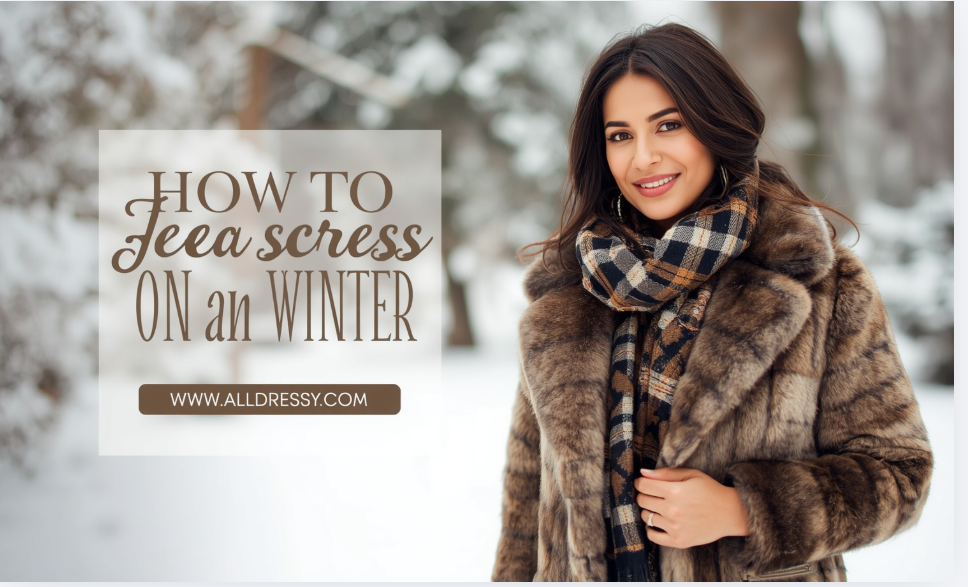
Knowing how to dress on winter properly offers several important benefits.
Improved Comfort
The right clothing helps maintain a stable body temperature throughout the day.
Better Protection From Cold Weather
Winter clothing protects against:
- Wind
- Snow
- Rain
- Ice
- Freezing temperatures
Increased Confidence
Looking stylish and feeling comfortable often improves confidence during winter months.
Greater Versatility
A well-planned winter wardrobe works for:
- Work
- Travel
- Casual outings
- Outdoor activities
- Formal events
Understanding the Three-Layer System for How to Dress on Winter
One of the most effective approaches to how to dress on winter is the layering system.
Base Layer
The base layer sits directly against the skin.
Its primary job is to:
- Manage moisture
- Regulate temperature
- Keep skin dry
Popular materials include:
- Merino wool
- Thermal fabrics
- Moisture-wicking blends
Mid Layer
The mid layer provides insulation.
Examples include:
- Sweaters
- Fleece jackets
- Cardigans
- Lightweight down jackets
This layer traps body heat and helps maintain warmth.
Outer Layer
The outer layer protects against external weather conditions.
Examples include:
- Winter coats
- Parkas
- Wool overcoats
- Waterproof jackets
This layer blocks wind, snow, and rain.
How to Dress on Winter With the Right Winter Coat

Outerwear is one of the most important components of winter fashion.
Wool Coats
Wool coats offer:
- Timeless style
- Excellent insulation
- Professional appearance
They work especially well for business and formal settings.
Parkas
Parkas provide exceptional protection against harsh winter conditions.
Benefits include:
- Warm insulation
- Wind resistance
- Weather protection
Puffer Jackets
Puffer jackets remain popular because of their lightweight warmth.
They are ideal for:
- Casual wear
- Travel
- Outdoor activities
Trench Coats With Layers
For milder winters, layered trench coats can provide adequate warmth and style.
Best Fabrics for How to Dress on Winter
Fabric selection greatly affects comfort.
Wool
Wool remains one of the best winter fabrics.
Advantages include:
- Natural insulation
- Moisture resistance
- Durability
Cashmere
Cashmere provides luxury and warmth without excessive bulk.
Fleece
Fleece is lightweight and highly insulating.
Down
Down insulation offers excellent warmth-to-weight performance.
Flannel
Flannel adds warmth and comfort for shirts and pajamas.
How to Dress on Winter With Sweaters
Sweaters are essential winter wardrobe staples.
Crewneck Sweaters
Classic and versatile.
Turtlenecks
Turtlenecks provide additional neck protection.
Cable-Knit Sweaters
A timeless winter favorite.
Cardigans
Easy to layer and adjust throughout the day.
Winter Bottoms That Keep You Warm
Many people focus on upper-body warmth while neglecting lower-body protection.
Wool Trousers
Excellent for professional environments.
Thermal Leggings
Ideal for layering beneath pants or skirts.
Jeans With Layers
Pair jeans with thermal underlayers for extra warmth.
Corduroy Pants
Corduroy offers both warmth and texture.
How to Dress on Winter With Proper Footwear
Cold feet can ruin an otherwise perfect winter outfit.
Winter Boots
Look for:
- Insulation
- Waterproof materials
- Slip-resistant soles
Leather Boots
Stylish and practical for everyday wear.
Snow Boots
Necessary for severe winter conditions.
Insulated Sneakers
Suitable for mild winter climates.
The Importance of Winter Accessories
Accessories play a major role in how to dress on winter.
Scarves
Scarves protect the neck and add style.
Gloves
Choose insulated gloves for maximum warmth.
Hats
A warm hat helps retain body heat.
Earmuffs
An excellent alternative to hats.
Thermal Socks
Quality socks significantly improve winter comfort.
How to Dress on Winter for Work
Professional winter outfits require balancing warmth and appearance.
For Men
Consider:
- Wool coat
- Dress shirt
- Sweater
- Wool trousers
- Leather boots
For Women
Popular combinations include:
- Turtleneck
- Blazer
- Wool skirt
- Tights
- Knee-high boots
How to Dress on Winter for Casual Outings
Casual winter fashion emphasizes comfort.
Outfit Ideas
- Sweater and jeans
- Puffer jacket and leggings
- Hoodie layered under coat
- Boots with thermal socks
These combinations offer practicality and style.
How to Dress on Winter for Formal Events
Winter formalwear requires strategic planning.
Men
Options include:
- Wool overcoat
- Suit
- Dress shoes
- Cashmere scarf
Women
Popular choices:
- Long-sleeve dresses
- Elegant coats
- Tights
- Heeled boots
How to Dress on Winter for Travel
Travel requires versatile winter clothing.
Pack Layering Pieces
Layers provide flexibility across different temperatures.
Prioritize Lightweight Warmth
Look for:
- Packable jackets
- Merino wool
- Lightweight sweaters
Wear Bulky Items During Transit
This saves luggage space.
How to Dress on Winter in Extremely Cold Climates
Severe winter conditions require extra precautions.
Multiple Layers
Use all three layers effectively.
Insulated Outerwear
Choose coats designed for sub-freezing temperatures.
Protect Exposed Skin
Cover:
- Hands
- Ears
- Neck
- Face
Waterproof Protection
Snow and ice increase moisture exposure.
Winter Color Combinations
Winter wardrobes often feature deeper tones.
Popular Colors
- Black
- Navy
- Gray
- Burgundy
- Forest green
- Camel
Adding Contrast
Use lighter accents such as:
- Cream
- White
- Beige
These combinations create visual balance.
Common Mistakes When Learning How to Dress on Winter
Avoiding mistakes improves comfort and style.
Wearing Only One Thick Layer
Multiple layers usually perform better.
Ignoring Footwear
Cold feet quickly affect overall comfort.
Neglecting Accessories
Scarves, gloves, and hats make a significant difference.
Choosing Fashion Over Function
The best winter outfits combine both.
Wearing Cotton as a Base Layer
Cotton retains moisture and can increase discomfort.
How to Dress on Winter for Different Body Types
Winter fashion should complement your shape.
Petite Individuals
Choose:
- Structured coats
- Monochromatic outfits
- Properly fitted layers
Tall Individuals
Long coats often look especially flattering.
Curvy Figures
Use belts and tailored outerwear to define shape.
Athletic Builds
Layering can add dimension and balance.
Building a Winter Capsule Wardrobe
A capsule wardrobe simplifies winter dressing.
Essential pieces include:
- Wool coat
- Puffer jacket
- Turtleneck
- Crewneck sweater
- Thermal leggings
- Dark jeans
- Winter boots
- Scarf
- Gloves
- Wool trousers
These items can create countless outfit combinations.
Advanced Styling Tips for How to Dress on Winter
Fashion enthusiasts can elevate their winter wardrobe further.
Mix Textures
Combine:
- Wool
- Leather
- Cashmere
- Denim
- Knitwear
Use Layer Length Variation
Different lengths add visual interest.
Invest in Quality Basics
High-quality essentials often outperform trendy alternatives.
Balance Function and Fashion
Warmth should never require sacrificing personal style.
Expert Principles Behind How to Dress on Winter
Mastering how to dress on winter requires understanding both fashion and function. Successful winter dressing involves strategic layering, quality fabrics, proper footwear, and thoughtful accessories that work together to create warmth and comfort.
By building a wardrobe around versatile winter staples, selecting weather-appropriate clothing, and prioritizing both insulation and style, you can confidently navigate the cold season while looking polished and feeling comfortable every day. Whether you’re heading to work, traveling, enjoying outdoor activities, or attending special events, understanding how to dress on winter allows you to stay prepared for any winter situation while maintaining a stylish and practical wardrobe.
Here are the SEO-friendly FAQs and conclusion for your article.
FAQs About How to Dress on Winter
How should I dress during winter to stay warm?
The best way to stay warm is by using a layering system. When learning how to dress on winter, start with a moisture-wicking base layer, add an insulating middle layer such as a sweater, and finish with a weather-resistant coat. This combination helps trap heat while protecting you from cold winds and moisture.
What fabrics are best for winter clothing?
Wool, cashmere, fleece, flannel, and down-filled materials are among the best fabrics for winter. These materials provide excellent insulation and help maintain body warmth. Choosing the right fabrics is an important part of understanding how to dress on winter effectively.
How many layers should I wear in winter?
The number of layers depends on the temperature and weather conditions. In most situations, three layers are sufficient: a base layer, a mid layer, and an outer layer. This method is widely recommended for anyone wondering how to dress on winter comfortably.
What type of coat is best for winter?
The ideal coat depends on your climate and activities. Wool coats work well for professional settings, while puffer jackets and parkas provide superior warmth in colder environments. Selecting the right coat is one of the most important decisions when deciding how to dress on winter.
What shoes should I wear in winter?
Winter footwear should provide warmth, traction, and protection from moisture. Insulated boots, leather boots, waterproof shoes, and snow boots are excellent choices. Proper footwear plays a major role in mastering how to dress on winter.
Can I wear jeans during winter?
Yes. Jeans are a popular winter clothing option. For extra warmth, many people wear thermal leggings or insulated layers underneath. This simple technique makes jeans more practical when learning how to dress on winter.
How can I look stylish while dressing warmly?
Focus on layering, coordinating colors, and choosing well-fitted clothing. Combining fashionable outerwear with quality accessories allows you to stay warm without sacrificing style. A balance between fashion and function is essential when learning how to dress on winter.
Are accessories important during winter?
Absolutely. Scarves, gloves, hats, thermal socks, and earmuffs help retain body heat and increase overall comfort. Accessories are often overlooked, but they are a critical part of how to dress on winter successfully.
What colors are popular for winter outfits?
Winter wardrobes commonly feature colors such as black, gray, navy, burgundy, camel, and forest green. These shades pair easily with one another and create a sophisticated seasonal appearance.
What is the biggest mistake people make when dressing for winter?
One of the most common mistakes is relying on a single heavy layer instead of multiple layers. Another mistake is neglecting proper footwear and accessories. Understanding these errors can help you improve your approach to how to dress on winter and stay comfortable throughout the season.
Conclusion
Learning how to dress on winter is about more than simply staying warm. It involves selecting the right fabrics, using effective layering techniques, wearing weather-appropriate footwear, and incorporating accessories that provide both comfort and style. A thoughtfully planned winter wardrobe allows you to navigate cold temperatures while maintaining a polished and confident appearance.
The key to successful winter dressing is preparation. By investing in quality basics such as coats, sweaters, boots, scarves, and thermal layers, you can create countless outfit combinations that work for casual outings, professional settings, travel, and special occasions. These versatile pieces make winter fashion both practical and stylish.
Ultimately, mastering how to dress on winter helps you enjoy the season more comfortably. Whether you’re facing mild temperatures or harsh winter conditions, the right clothing choices will keep you warm, protected, and fashionable throughout the cold-weather months.