
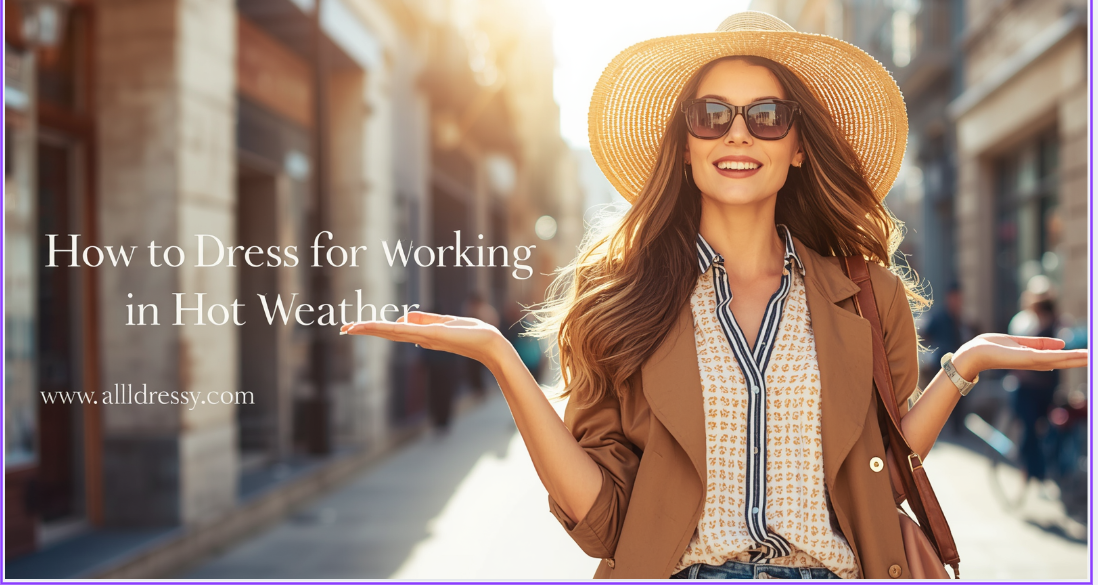
Knowing how to dress for working in hot weather is essential for staying productive, comfortable, and safe during high temperatures. Whether you work outdoors, commute in summer heat, spend time in non-air-conditioned environments, or perform physically demanding tasks, the wrong clothing can lead to sweating, discomfort, dehydration, skin irritation, overheating, and even heat exhaustion.
Many people struggle to balance professional appearance with comfort during hot weather. Wearing heavy fabrics, tight clothing, dark colors, or poor-quality materials can quickly make working conditions unbearable. Understanding how to dress for working in hot weather helps regulate body temperature, improve airflow, reduce sweat buildup, and maintain a polished appearance even in extreme temperatures.
This complete guide explains everything you need to know about dressing for hot weather at work, including the best fabrics, colors, outfit ideas, layering techniques, footwear, accessories, outdoor work clothing, office attire, construction clothing, sun protection, sweat management, and common mistakes to avoid.
Why Proper Hot Weather Clothing Matters
Working in hot temperatures affects the body significantly.
Heat can cause:
- Excessive sweating
- Fatigue
- Irritability
- Skin irritation
- Dehydration
- Reduced concentration
- Heat exhaustion
The right clothing helps your body cool itself naturally while protecting your skin and maintaining comfort.
How the Body Cools Itself
Before learning how to dress for working in hot weather, it helps to understand how body temperature regulation works.
Sweating and Airflow
The body cools itself through:
- Sweat evaporation
- Air circulation
- Heat release through the skin
Clothing that traps heat and moisture interferes with this process.
Best Fabrics for Working in Hot Weather
Fabric choice is the most important part of hot-weather dressing.
Lightweight Breathable Fabrics
The best fabrics allow:
- Air circulation
- Sweat evaporation
- Moisture control
- Reduced heat retention
Cotton for Hot Weather
Cotton is popular because it is:
- Lightweight
- Soft
- Breathable
- Comfortable
However, cotton absorbs sweat and may stay damp during heavy physical work.
Linen for Hot Weather
Linen is one of the best fabrics for extreme heat.
Benefits of Linen
Linen offers:
- Excellent airflow
- Lightweight comfort
- Quick drying
- Cooling effect
Linen works especially well for office environments and casual outdoor jobs.
Moisture-Wicking Performance Fabrics
Performance fabrics are ideal for active work environments.
Benefits of Moisture-Wicking Clothing
These fabrics help:
- Pull sweat away from the skin
- Dry quickly
- Reduce discomfort
- Prevent overheating
They are especially useful for construction, landscaping, delivery work, and physical labor.
Fabrics to Avoid in Hot Weather
Certain materials trap heat aggressively.
Worst Fabrics for Heat
Avoid:
- Heavy polyester
- Thick denim
- Velvet
- Wool blends
- Leather
These fabrics reduce breathability and increase sweating.
Best Colors for Working in Hot Weather
Color choice affects heat absorption.
Light Colors Keep You Cooler
Light colors reflect sunlight better than dark shades.
Best Hot Weather Colors
Recommended colors include:
- White
- Beige
- Light gray
- Khaki
- Pale blue
- Soft green
These shades help minimize heat buildup.
Why Dark Colors Feel Hotter
Dark colors absorb more sunlight and trap heat, especially outdoors.
Black clothing can become extremely hot under direct sun exposure.
Loose vs Tight Clothing in Hot Weather
Fit affects airflow and cooling.
Why Loose Clothing Works Better
Loose clothing allows:
- Better air circulation
- Faster sweat evaporation
- Reduced skin irritation
Breathable relaxed fits help improve comfort significantly.
Problems With Tight Clothing
Tight clothing may:
- Trap sweat
- Restrict airflow
- Increase chafing
- Feel hotter
Comfortable movement is essential during hot weather work.
How to Dress for Working Outdoors in Hot Weather
Outdoor workers face direct sunlight and extreme heat exposure.
Best Outdoor Work Clothing
Ideal clothing includes:
- Lightweight long sleeves
- Moisture-wicking shirts
- UV-protective fabrics
- Breathable pants
- Wide-brim hats
Outdoor clothing should protect against both heat and sunburn.
Why Long Sleeves Can Help in Hot Weather
Many people assume less clothing always feels cooler.
However, lightweight long sleeves can:
- Block direct sunlight
- Prevent sunburn
- Reduce skin overheating
The key is choosing breathable fabrics.
Best Shirts for Hot Weather Work
The right shirts help control body temperature.
Recommended Shirt Styles
Popular options include:
- Moisture-wicking T-shirts
- Breathable polos
- Lightweight button-down shirts
- Athletic work shirts
Ventilated fabrics improve comfort dramatically.
Best Pants for Working in Hot Weather
Heavy pants quickly become uncomfortable in heat.
Recommended Hot Weather Pants
Good choices include:
- Lightweight cargo pants
- Breathable work pants
- Stretch utility pants
- Linen-blend trousers
Choose flexibility and airflow over heavy stiffness.
Can You Wear Shorts in Hot Weather?
This depends on workplace rules and safety requirements.
When Shorts Are Appropriate
Shorts may work for:
- Landscaping
- Delivery jobs
- Casual workplaces
- Outdoor recreation jobs
When Long Pants Are Safer
Long pants may still be required for:
- Construction
- Industrial work
- Chemical exposure
- Heavy equipment environments
Safety always comes first.
How to Dress for Hot Office Weather
Office attire in summer requires balancing professionalism with comfort.
Best Office Clothing for Hot Weather
Good office choices include:
- Lightweight blazers
- Breathable dress shirts
- Linen pants
- Midi dresses
- Loafers
- Lightweight skirts
Professional clothing should remain polished while minimizing heat.
Best Business Casual Fabrics for Summer
Business casual hot-weather fabrics include:
- Linen blends
- Lightweight cotton
- Breathable synthetics
- Tropical wool
These materials maintain structure without excessive heat.
Summer Dresses for Work
Dresses can provide excellent airflow.
Best Work Dresses for Hot Weather
Professional dress styles include:
- Midi dresses
- Shirt dresses
- Wrap dresses
- Sleeveless dresses with layering
Avoid overly tight or heavy materials.
Best Shoes for Working in Hot Weather
Feet sweat heavily during hot weather.
Breathable Footwear Matters
Recommended shoes include:
- Mesh sneakers
- Breathable loafers
- Lightweight work boots
- Ventilated safety shoes
Proper ventilation improves comfort significantly.
Socks for Hot Weather Work
Socks affect moisture control more than many people realize.
Best Socks for Heat
Recommended sock materials include:
- Merino wool blends
- Moisture-wicking synthetics
- Lightweight athletic fabrics
Avoid thick cotton socks in extreme heat.
Hot Weather Work Accessories
Accessories help manage sun exposure and sweat.
Best Accessories for Working in Heat
Useful items include:
- Wide-brim hats
- Cooling towels
- UV sunglasses
- Sweatbands
- Neck gaiters
These accessories improve comfort and protection.
Sun Protection Clothing
UV exposure becomes dangerous during outdoor work.
UPF Clothing for Hot Weather
UPF clothing helps block ultraviolet rays while remaining breathable.
Outdoor workers benefit greatly from UV-protective fabrics.
How to Prevent Sweat Stains in Hot Weather
Sweat stains are common during summer work.
Best Sweat Management Tips
Helpful strategies include:
- Wear undershirts
- Choose moisture-wicking fabrics
- Wear lighter colors
- Use breathable layers
Loose-fitting clothing also reduces visible sweat marks.
How to Stay Cool While Working in Extreme Heat
Clothing is only one part of staying comfortable.
Additional Cooling Strategies
Important habits include:
- Drink water frequently
- Take shade breaks
- Wear cooling fabrics
- Avoid overdressing
- Use breathable accessories
Hydration and airflow are essential.
Layering in Hot Weather
Many people overdress during heat.
Lightweight Layering Tips
Choose:
- Thin breathable layers
- Open-weave fabrics
- Lightweight overshirts
Avoid thick layering whenever possible.
Construction Work Clothing for Hot Weather
Construction workers need safety and cooling balance.
Best Construction Clothing for Heat
Recommended clothing includes:
- Reflective moisture-wicking shirts
- Lightweight safety gear
- Breathable high-visibility clothing
- Ventilated hard hats
Safety compliance should never be sacrificed for comfort.
Healthcare and Service Industry Hot Weather Clothing
Healthcare workers often face warm indoor environments.
Best Healthcare Clothing for Heat
Useful choices include:
- Breathable scrubs
- Moisture-wicking undershirts
- Lightweight supportive shoes
Comfort improves productivity during long shifts.
Hot Weather Clothing for Men
Men’s hot-weather outfits should focus on airflow and sweat control.
Best Men’s Hot Weather Work Outfits
Popular combinations include:
- Lightweight polos with chinos
- Breathable work shirts
- Linen button-down shirts
- Stretch utility pants
Relaxed structure improves comfort.
Hot Weather Clothing for Women
Women’s workwear should balance professionalism and cooling.
Best Women’s Hot Weather Work Outfits
Popular options include:
- Linen trousers
- Midi dresses
- Lightweight blouses
- Breathable skirts
Loose silhouettes often work best.
Common Hot Weather Dressing Mistakes
Avoiding mistakes greatly improves comfort.
Wearing Heavy Fabrics
Heavy fabrics trap sweat and increase overheating.
Choosing Style Over Comfort
Fashion matters less than safety and cooling during extreme heat.
Ignoring Sun Protection
Sunburn increases body stress and discomfort.
Wearing Too Many Layers
Excessive layering restricts cooling and airflow.
Budget-Friendly Hot Weather Clothing Tips
You do not need expensive clothing to stay cool.
Affordable Summer Workwear Ideas
Simple options include:
- Cotton T-shirts
- Lightweight polos
- Breathable work pants
- Moisture-wicking athletic basics
Fit and fabric matter more than brand names.
Why Breathability Matters Most
Understanding how to dress for working in hot weather ultimately comes down to breathability, moisture management, sun protection, and comfort. Clothing should help your body regulate temperature naturally instead of trapping heat and sweat.
The best hot-weather work outfits combine:
- Lightweight fabrics
- Loose fits
- Moisture-wicking materials
- Breathable shoes
- Sun protection
FAQs About How to Dress for Working in Hot Weather
What is the best fabric for working in hot weather?
The best fabrics for hot weather are lightweight and breathable materials such as:
- Linen
- Cotton
- Moisture-wicking synthetic fabrics
- Merino wool blends
These fabrics help improve airflow and reduce sweat buildup.
Why is linen good for hot weather work clothing?
Linen is highly breathable and lightweight. It allows heat to escape easily and dries quickly, making it one of the best fabrics for staying cool during hot weather.
Can I wear black in hot weather?
You can wear black, but dark colors absorb more heat from sunlight. Light colors like white, beige, pale blue, and light gray usually keep you cooler outdoors.
Is loose clothing better for hot weather?
Yes, loose-fitting clothing allows better air circulation and helps sweat evaporate more efficiently. Tight clothing can trap heat and moisture against the body.
Should I wear long sleeves in hot weather?
Lightweight long sleeves can actually help protect against direct sunlight and reduce sunburn. Breathable fabrics are important so the clothing does not trap heat.
What should I wear for outdoor work in extreme heat?
For outdoor work, wear:
- Moisture-wicking shirts
- Breathable long sleeves
- Lightweight work pants
- UV-protective clothing
- Wide-brim hats
- Ventilated footwear
Sun protection and breathability are both essential.
Are cotton clothes good for working in heat?
Cotton is breathable and comfortable for light activity, but it absorbs sweat and may stay wet during heavy physical work. Moisture-wicking fabrics are often better for intense heat and labor.
What shoes are best for working in hot weather?
Breathable shoes with good ventilation work best. Popular options include:
- Mesh sneakers
- Lightweight loafers
- Breathable work boots
- Ventilated safety shoes
Comfort and airflow help reduce foot sweating.
What socks should I wear in hot weather?
Choose lightweight moisture-wicking socks made from:
- Merino wool blends
- Performance synthetic fabrics
- Athletic moisture-control materials
Avoid thick cotton socks because they trap sweat.
How can I avoid sweating too much at work in hot weather?
To reduce sweating discomfort:
- Wear breathable fabrics
- Use moisture-wicking clothing
- Avoid overdressing
- Stay hydrated
- Wear lighter colors
- Use cooling accessories
Good airflow is extremely important.
What should men wear for working in hot weather?
Men can wear:
- Lightweight polos
- Linen shirts
- Breathable work pants
- Moisture-wicking T-shirts
- Relaxed-fit chinos
Comfortable lightweight clothing improves productivity in hot weather.
What should women wear for working in hot weather?
Women can wear:
- Linen trousers
- Breathable blouses
- Midi dresses
- Lightweight skirts
- Moisture-wicking office wear
Loose and breathable silhouettes usually work best.
Are shorts appropriate for hot weather work?
Shorts may be acceptable in casual or outdoor jobs such as landscaping or delivery work. However, some workplaces require long pants for safety reasons.
What colors are best for hot weather clothing?
Light colors reflect sunlight and stay cooler. Good choices include:
- White
- Beige
- Khaki
- Light gray
- Pale blue
- Soft green
These shades help reduce heat absorption.
What are common mistakes when dressing for hot weather?
Common mistakes include:
- Wearing heavy fabrics
- Choosing dark colors outdoors
- Wearing tight clothing
- Ignoring sun protection
- Wearing too many layers
- Using non-breathable materials
Avoiding these mistakes helps improve comfort and safety.
Conclusion
Understanding how to dress for working in hot weather is essential for staying comfortable, productive, and protected during high temperatures. The right clothing helps regulate body temperature, improve airflow, reduce sweat buildup, and protect the body from overheating and sun exposure.
The best hot-weather work outfits focus on breathable fabrics, lightweight materials, loose-fitting clothing, moisture-wicking performance wear, and proper ventilation. Choosing light colors, comfortable shoes, UV-protective clothing, and sweat-managing fabrics can make a major difference in daily comfort, especially for people working outdoors or in physically demanding environments.
Whether you work in construction, landscaping, healthcare, delivery services, offices, warehouses, or outdoor labor, learning how to dress for working in hot weather allows you to stay cooler, safer, and more comfortable throughout the day. By prioritizing breathability, hydration, mobility, and sun protection, you can create practical and professional outfits that help you handle extreme heat more effectively.