
Knowing how to dress for snowboarding is essential for staying warm, dry, comfortable, and safe on the mountain. Snowboarding exposes your body to freezing temperatures, snow, wind, moisture, and changing weather conditions, which means regular winter clothing is usually not enough. The right snowboarding outfit helps regulate body temperature, improve mobility, and protect you from harsh outdoor conditions while allowing you to enjoy longer and more comfortable rides.
Many beginners make the mistake of overdressing, wearing cotton layers, or choosing clothing that restricts movement. Understanding how to dress for snowboarding properly allows you to layer efficiently, avoid overheating, stay dry, and maintain flexibility throughout the day.
Whether you are preparing for your first snowboard trip or upgrading your winter sports wardrobe, this complete guide explains everything you need to know about snowboarding clothing, including base layers, jackets, pants, gloves, socks, helmets, goggles, layering systems, fabric choices, weather-specific tips, and common mistakes to avoid.
Why Proper Snowboarding Clothing Matters
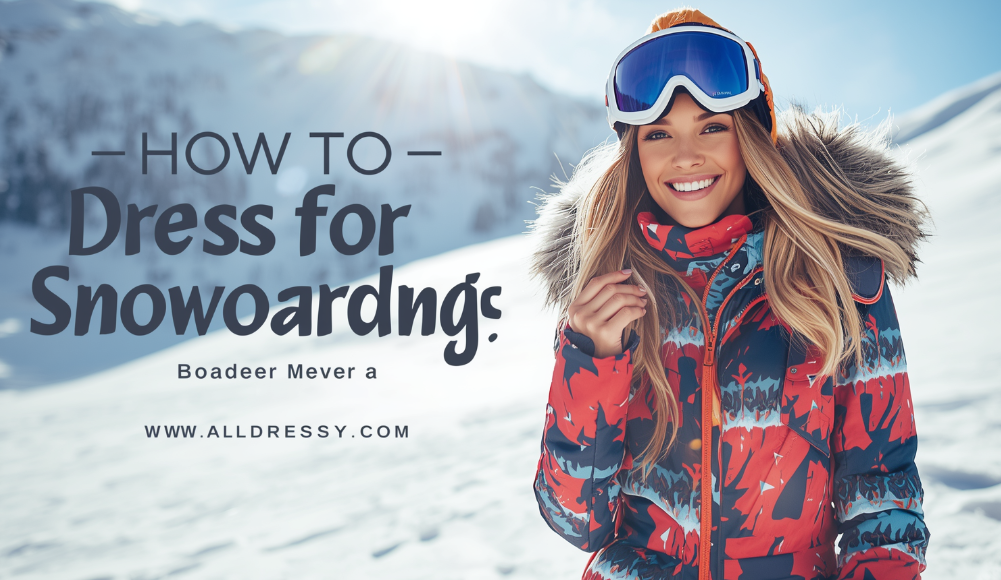
Snowboarding involves constant movement, exposure to snow, and changing mountain weather.
The right outfit helps:
- Retain body heat
- Keep moisture away
- Protect from wind and snow
- Improve comfort
- Increase mobility
- Prevent hypothermia
- Reduce overheating
Snowboarding clothing is designed differently from ordinary winter fashion because it focuses heavily on performance and weather protection.
Understanding the Snowboarding Layering System
The foundation of learning how to dress for snowboarding is understanding the layering system.
The Three Essential Snowboarding Layers
A proper snowboarding outfit includes:
- Base layer
- Mid layer
- Outer layer
Each layer has a specific purpose.
Base Layers for Snowboarding
The base layer sits directly against your skin.
Purpose of Snowboarding Base Layers
Base layers help:
- Wick sweat away
- Keep skin dry
- Regulate body temperature
- Prevent chilling
A good base layer is one of the most important parts of a snowboarding outfit.
Best Base Layer Fabrics
Recommended materials include:
- Merino wool
- Polyester blends
- Synthetic thermal fabrics
These materials dry quickly and trap warmth effectively.
Why Cotton Is Bad for Snowboarding
Cotton absorbs moisture and stays wet.
Wet clothing can make you cold quickly in snowy conditions. Avoid cotton T-shirts, sweatpants, and hoodies as primary snowboarding layers.
Best Snowboarding Base Layer Tops
Good options include:
- Thermal long sleeves
- Compression tops
- Merino wool shirts
- Synthetic thermal shirts
Fitted layers usually work better than bulky clothing.
Best Snowboarding Base Layer Bottoms
Recommended choices include:
- Thermal leggings
- Compression pants
- Merino wool bottoms
- Fleece-lined thermal pants
These layers provide warmth without limiting movement.
Mid Layers for Snowboarding
Mid layers provide insulation.
Purpose of Mid Layers
Mid layers trap body heat while still allowing breathability.
Best Mid Layer Options
Popular snowboarding mid layers include:
- Fleece jackets
- Lightweight puffer jackets
- Insulated pullovers
- Wool sweaters
The thickness depends on weather conditions.
Lightweight vs Heavy Mid Layers
Lightweight Mid Layers
Best for:
- Mild winter weather
- Active riders
- Spring snowboarding
Heavy Mid Layers
Better for:
- Extremely cold temperatures
- Windy mountain conditions
- Beginners who get cold easily
Snowboarding Jackets
The outer layer protects against snow, wind, and moisture.
Best Snowboarding Jacket Types
Popular jacket styles include:
- Shell jackets
- Insulated jackets
- 3-in-1 jackets
Each type serves different weather conditions.
Shell Jackets for Snowboarding
Shell jackets focus on waterproofing and breathability.
Benefits of Shell Jackets
Advantages include:
- Lightweight feel
- Excellent layering flexibility
- Better temperature control
- Improved mobility
Shell jackets are popular among experienced snowboarders.
Insulated Snowboarding Jackets
Insulated jackets contain built-in warmth.
Benefits of Insulated Jackets
Advantages include:
- Extra warmth
- Simpler layering
- Better for beginners
- Ideal for colder climates
These jackets are useful for people who get cold easily.
Waterproof Ratings for Snowboarding Jackets
Waterproof ratings help determine snow protection.
Recommended Waterproof Ratings
- 5,000 mm: light snow
- 10,000 mm: moderate conditions
- 15,000–20,000 mm: heavy snow and storms
Higher waterproof ratings offer better protection.
Breathability Ratings for Snowboarding Clothing
Breathability prevents overheating.
Good breathable fabrics allow sweat to escape while keeping snow out.
Snowboarding Pants
Snowboarding pants are just as important as jackets.
Best Snowboarding Pant Types
Popular options include:
- Bib pants
- Shell pants
- Insulated snow pants
Bib Snowboarding Pants
Bib pants extend higher over the torso.
Benefits of Bib Pants
Advantages include:
- Better snow protection
- Extra warmth
- Reduced snow entry during falls
Bib pants are extremely popular with snowboarders.
Insulated Snowboarding Pants
These pants contain built-in insulation for colder weather.
They work well for beginners and casual snowboarders.
Snowboarding Socks
Socks greatly affect comfort on the mountain.
Best Socks for Snowboarding
Recommended sock materials include:
- Merino wool
- Synthetic blends
- Thermal performance fabrics
Why Thin Snowboarding Socks Work Better
Many beginners wear overly thick socks.
Thin performance socks often work better because they:
- Improve boot fit
- Reduce sweating
- Prevent pressure points
Snowboarding Gloves and Mittens
Hands lose heat quickly in snow.
Best Gloves for Snowboarding
Important features include:
- Waterproofing
- Insulation
- Wrist protection
- Breathability
Gloves vs Mittens for Snowboarding
Gloves
Better for:
- Grip
- Dexterity
- Adjusting gear
Mittens
Better for:
- Warmth
- Extremely cold conditions
Snowboarding Helmets
Helmets are essential safety gear.
Why Snowboard Helmets Matter
Helmets help protect against:
- Falls
- Head injuries
- Ice impacts
- Tree collisions
Never snowboard without a properly fitted helmet.
Choosing the Right Helmet Fit
A helmet should:
- Fit snugly
- Avoid pressure points
- Stay stable during movement
Snowboarding Goggles
Goggles protect your eyes from:
- Snow glare
- Wind
- Ice
- UV rays
Choosing Snowboarding Goggles
Look for:
- Anti-fog lenses
- UV protection
- Helmet compatibility
- Comfortable foam padding
Lens Colors for Different Conditions
Bright Sunny Days
Best lens colors include:
- Dark gray
- Black
- Mirrored lenses
Cloudy or Snowy Days
Better choices include:
- Yellow
- Rose
- Amber lenses
Neck Warmers and Face Protection
Cold mountain wind can be harsh on exposed skin.
Best Face Protection for Snowboarding
Popular options include:
- Neck gaiters
- Balaclavas
- Fleece face masks
These help prevent windburn and heat loss.
How to Dress for Snowboarding in Different Weather
Weather conditions affect layering choices significantly.
How to Dress for Snowboarding in Extremely Cold Weather
Use:
- Heavy base layers
- Thick insulation
- Face coverings
- Insulated gloves
- Bib pants
Layer carefully to avoid sweating excessively.
How to Dress for Snowboarding in Mild Weather
In warmer conditions:
- Use lighter base layers
- Wear shell jackets
- Reduce insulation
- Improve ventilation
Overheating can become a problem during spring riding.
Spring Snowboarding Clothing Tips
Spring conditions often require lighter outfits.
Best Spring Snowboarding Clothing
Popular choices include:
- Shell jackets
- Thin gloves
- Lightweight layers
- Breathable fabrics
Conditions may still change quickly on the mountain.
Snowboarding Clothing for Beginners
Beginners often need simpler layering systems.
Beginner Snowboarding Outfit Essentials
Start with:
- Waterproof jacket
- Snow pants
- Thermal layers
- Gloves
- Helmet
- Goggles
Comfort and warmth matter more than advanced technical gear at first.
Women’s Snowboarding Clothing Tips
Women’s snowboarding gear focuses on mobility and insulation balance.
Best Women’s Snowboarding Outfit Ideas
Popular choices include:
- Fitted thermal layers
- Bib pants
- Insulated jackets
- Merino wool socks
Layering properly improves comfort dramatically.
Men’s Snowboarding Clothing Tips
Men’s gear often emphasizes durability and weather protection.
Best Men’s Snowboarding Outfit Ideas
Common combinations include:
- Shell jacket
- Thermal base layers
- Waterproof bib pants
- Performance gloves
Mobility is especially important for snowboarding movement.
Kids’ Snowboarding Clothing Tips
Children need extra warmth and waterproofing.
Best Kids’ Snowboarding Clothing
Important items include:
- Waterproof mittens
- Insulated jackets
- Thermal layers
- Snow bibs
Keeping kids dry is extremely important.
Common Snowboarding Clothing Mistakes
Avoiding mistakes improves comfort and safety.
Wearing Cotton Clothing
Cotton traps moisture and increases cold exposure.
Overdressing
Too many layers may cause:
- Excess sweating
- Discomfort
- Chilling later
Wearing Non-Waterproof Gear
Snow quickly soaks ordinary winter clothing.
Always prioritize waterproof outerwear.
Poorly Fitted Boots
Tight or loose boots reduce comfort and performance.
Ignoring Ventilation Features
Modern snowboarding jackets often include ventilation zippers.
Use them to regulate temperature during activity.
Budget Snowboarding Clothing Tips
Snowboarding gear can become expensive quickly.
Affordable Snowboarding Clothing Strategies
Buy Layering Basics First
Prioritize:
- Waterproof jacket
- Snow pants
- Base layers
Rent Gear Initially
Beginners may rent:
- Helmets
- Goggles
- Outerwear
before purchasing expensive equipment.
How Snowboarding Fashion Has Evolved
Snowboarding style has become both functional and fashionable.
Modern Snowboarding Fashion Trends
Popular trends include:
- Oversized jackets
- Neutral tones
- Streetwear-inspired snow gear
- Bright retro designs
Style matters, but performance always comes first.
Importance of Comfort and Mobility
Understanding how to dress for snowboarding is ultimately about balancing warmth, waterproofing, breathability, and flexibility. Snowboarding requires constant movement, so restrictive or bulky clothing can reduce comfort and performance.
The best snowboarding outfits allow you to:
- Move freely
- Stay dry
- Maintain warmth
- Adjust to changing weather
FAQs About How to Dress for Snowboarding
What should I wear snowboarding for the first time?
First-time snowboarders should wear:
- Thermal base layers
- Waterproof snowboarding jacket
- Snow pants or bibs
- Snowboarding gloves
- Helmet
- Goggles
- Warm snowboarding socks
Layering is the key to staying warm and comfortable on the mountain.
Can I wear regular winter clothes for snowboarding?
Regular winter clothes are usually not ideal for snowboarding because they often lack waterproofing and breathability. Snowboarding gear is designed specifically to handle snow, moisture, wind, and movement.
Why is layering important for snowboarding?
Layering helps regulate body temperature while keeping moisture away from the skin. A proper layering system keeps snowboarders warm without overheating during physical activity.
What is the best base layer for snowboarding?
The best base layers are usually made from:
- Merino wool
- Synthetic thermal fabrics
- Moisture-wicking polyester blends
These materials help keep sweat away from the body while retaining warmth.
Can I wear cotton while snowboarding?
Cotton is not recommended for snowboarding because it absorbs moisture and stays wet. Wet cotton can make you cold quickly in snowy conditions.
Should snowboarding jackets be waterproof?
Yes, waterproof jackets are essential for snowboarding because they protect against snow, melting ice, wind, and moisture. Waterproof outerwear helps keep you dry throughout the day.
What pants should I wear snowboarding?
Snowboarding pants should be waterproof, insulated, and flexible. Bib pants and insulated snow pants are especially popular because they provide extra warmth and snow protection.
Are bib pants better for snowboarding?
Many snowboarders prefer bib pants because they:
- Prevent snow from entering
- Provide extra warmth
- Stay secure during falls
- Offer better coverage
They are especially popular in deep snow conditions.
What socks are best for snowboarding?
Thin or medium-thickness snowboarding socks made from merino wool or synthetic performance fabrics are usually best. Thick socks can reduce circulation and make boots uncomfortable.
Do I need a helmet for snowboarding?
Yes, helmets are highly recommended and considered essential for snowboarding safety. Helmets help protect against falls, collisions, and head injuries.
What should I wear under snowboarding pants?
Wear thermal leggings or moisture-wicking base layer bottoms under snowboarding pants. Avoid jeans or cotton sweatpants because they trap moisture.
How do I stay warm while snowboarding?
To stay warm:
- Wear proper layers
- Use waterproof outerwear
- Protect hands and feet
- Wear insulated gloves
- Use neck warmers and face protection
Staying dry is one of the most important parts of staying warm.
Can I snowboard in very cold weather?
Yes, but extremely cold weather requires:
- Heavy thermal layers
- Insulated jackets
- Face masks
- Waterproof gloves
- Warm socks
Proper layering becomes even more important in freezing temperatures.
What should women wear snowboarding?
Women should wear:
- Thermal base layers
- Waterproof jackets
- Snow pants or bibs
- Performance gloves
- Warm socks
- Helmet and goggles
Comfort and mobility are especially important for snowboarding performance.
What are common snowboarding clothing mistakes?
Common mistakes include:
- Wearing cotton
- Overdressing
- Using non-waterproof jackets
- Wearing thick socks
- Ignoring helmet safety
- Choosing poorly fitted boots
Avoiding these mistakes improves comfort and safety on the slopes.
Conclusion
Learning how to dress for snowboarding is essential for staying warm, dry, comfortable, and protected while enjoying time on the mountain. Snowboarding clothing is designed to handle snow, moisture, cold temperatures, wind, and constant movement, making proper layering one of the most important parts of a successful snowboarding experience.
The best snowboarding outfits combine moisture-wicking base layers, insulating mid layers, and waterproof outerwear to create balanced protection against changing weather conditions. Essential gear such as snowboarding jackets, bib pants, helmets, gloves, goggles, thermal socks, and face protection all work together to improve safety, mobility, and overall comfort during long days in the snow.
Whether you are a beginner learning basic turns or an experienced rider exploring advanced terrain, understanding how to dress for snowboarding helps you perform better while avoiding common problems like overheating, wet clothing, cold hands, and restricted movement. With the right snowboarding clothing and layering strategy, you can stay comfortable, confident, and fully prepared for every winter adventure on the slopes.