
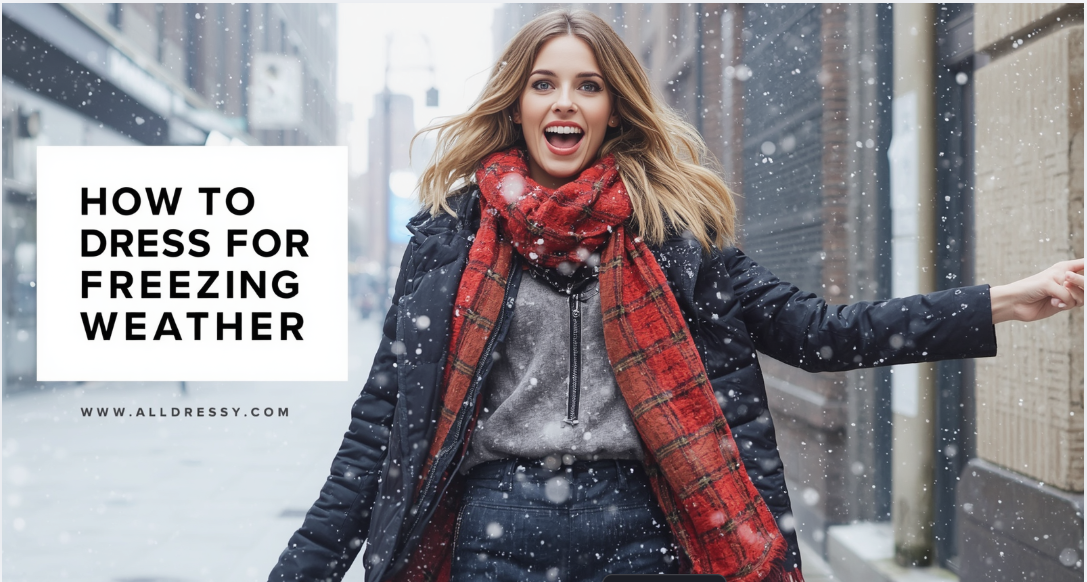
Knowing how to dress for freezing weather is essential for staying warm, comfortable, healthy, and safe during extremely cold temperatures. Freezing weather can quickly become dangerous if you are not dressed properly, especially when temperatures drop below freezing, strong winds increase wind chill, or snow and ice create wet conditions.
Many people underestimate how important proper winter clothing is until they experience numb hands, frozen feet, shivering, or discomfort after spending time outdoors. Whether you are commuting to work, traveling, attending outdoor events, hiking, skiing, walking in snow, or simply running errands during winter, understanding how to layer clothing correctly can make a huge difference.
Learning how to dress for freezing weather helps you combine warmth, comfort, practicality, and style while protecting your body from harsh winter conditions.
This complete guide covers everything you need to know about freezing weather fashion, including layering systems, winter coats, thermal clothing, winter accessories, footwear, fabrics, outdoor survival tips, outfit ideas for men and women, and common mistakes to avoid.
Why Dressing Properly for Freezing Weather
Matters
Cold weather is not only uncomfortable but can also become dangerous without proper clothing.
Dressing correctly helps:
- Retain body heat
- Prevent frostbite
- Reduce risk of hypothermia
- Stay dry
- Improve comfort outdoors
- Maintain mobility and flexibility
- Protect skin from wind and snow
Proper winter clothing allows you to enjoy winter activities safely and comfortably.
Understanding Freezing Weather Temperatures
Before learning how to dress for freezing weather, it helps to understand what freezing temperatures mean.
Freezing weather generally refers to temperatures at or below:
- 32°F (0°C)
However, wind chill can make temperatures feel much colder than the actual reading.
Wind Chill and Cold Weather
Wind chill is one of the biggest factors in winter discomfort.
Strong winds remove body heat quickly, making proper layering and windproof clothing extremely important.
The Importance of Layering in Freezing Weather

Layering is the most effective strategy for staying warm in cold temperatures.
The Three-Layer Winter Clothing System
The best freezing weather outfits usually include:
- Base layer
- Mid layer
- Outer layer
Each layer serves a different purpose.
Base Layers for Freezing Weather
The base layer sits directly against your skin.
Purpose of Base Layers
Base layers help:
- Wick away sweat
- Keep skin dry
- Retain warmth
Moisture is dangerous in freezing weather because wet clothing cools the body rapidly.
Best Base Layer Fabrics
Good materials include:
- Merino wool
- Thermal polyester
- Synthetic moisture-wicking fabrics
Avoid cotton because it traps moisture and loses insulation when wet.
Best Thermal Clothing for Winter
Thermal clothing is designed to trap body heat efficiently.
Essential Thermal Pieces
Popular thermal items include:
- Thermal shirts
- Thermal leggings
- Long underwear
- Thermal socks
Thermals provide extra insulation without excessive bulk.
Mid Layers for Warmth
The mid layer provides insulation.
Best Mid Layer Clothing
Popular options include:
- Fleece jackets
- Wool sweaters
- Hoodies
- Down vests
Mid layers trap warm air close to the body.
Outer Layers for Protection
The outer layer protects you from:
- Wind
- Snow
- Rain
- Ice
Best Winter Outerwear
Good winter outerwear includes:
- Parkas
- Puffer jackets
- Insulated coats
- Waterproof jackets
A quality winter coat is one of the most important cold-weather investments.
How to Choose the Best Winter Coat
Not all winter coats provide the same level of warmth.
Features to Look for in Winter Coats
Important features include:
- Insulation
- Windproof material
- Waterproof protection
- Hood
- Adjustable cuffs
- Long coverage
Longer coats usually provide better warmth.
Down Jackets vs Synthetic Insulation
Both insulation types have benefits.
Down Jackets
Advantages include:
- Excellent warmth
- Lightweight feel
- Compressibility
Synthetic Jackets
Benefits include:
- Better performance when wet
- Easier maintenance
- Often more affordable
How to Dress for Freezing Weather Female Style
Women’s winter outfits should balance warmth, comfort, and style.
Best Winter Outfit Ideas for Women
Popular combinations include:
- Thermal leggings with sweater dress
- Wool coat with boots
- Puffer jacket and jeans
- Turtleneck with insulated coat
Layering is the key to stylish winter dressing.
Winter Accessories for Women
Important winter accessories include:
- Scarves
- Gloves
- Beanies
- Ear warmers
- Thick socks
Accessories help retain heat in vulnerable areas.
How to Dress for Freezing Weather Male Style
Men’s freezing weather outfits focus heavily on insulation and practicality.
Best Winter Outfit Ideas for Men
Recommended combinations include:
- Thermal shirt with wool sweater
- Parka with jeans
- Insulated boots and gloves
- Layered flannel shirts
Dark neutral colors remain popular during winter.
Why Winter Accessories Matter
A large amount of body heat escapes through exposed skin.
Essential Winter Accessories
Must-have items include:
- Hats
- Gloves
- Scarves
- Wool socks
- Face coverings
Proper accessories dramatically improve warmth.
Best Hats for Freezing Weather
Warm hats help retain body heat.
Recommended Winter Hat Styles
Popular choices include:
- Beanies
- Wool hats
- Fleece-lined caps
- Trapper hats
Covering your ears is especially important during freezing temperatures.
Best Gloves for Freezing Weather
Cold hands can become painful very quickly.
Winter Glove Options
Good choices include:
- Insulated gloves
- Waterproof gloves
- Wool gloves
- Ski gloves
For extremely cold conditions, mittens often provide more warmth than gloves.
Scarves and Neck Protection
The neck area loses heat quickly.
Best Scarves for Winter
Recommended scarf materials include:
- Wool
- Cashmere
- Fleece
- Knit fabrics
Scarves also help protect the face from wind chill.
Best Shoes for Freezing Weather
Winter footwear is critical for warmth and safety.
Essential Features of Winter Boots
Good winter boots should include:
- Insulation
- Waterproofing
- Traction
- Thick soles
- Ankle support
Proper winter boots help prevent slips and cold feet.
Best Socks for Freezing Weather
Warm socks are just as important as boots.
Recommended Winter Sock Materials
The best winter socks are usually made from:
- Wool
- Merino wool
- Thermal synthetic blends
Avoid thin cotton socks in freezing temperatures.
How to Dress for Snowy Weather
Snow creates additional moisture and cold exposure.
Snow Outfit Essentials
Snowy weather clothing should include:
- Waterproof boots
- Snow pants
- Waterproof gloves
- Insulated coat
Wet clothing increases heat loss rapidly.
How to Dress for Windy Freezing Weather
Wind can make cold temperatures feel significantly worse.
Windproof Winter Clothing
Look for:
- Wind-resistant coats
- Tight cuffs
- High collars
- Face protection
Windproof layers greatly improve comfort outdoors.
How to Dress for Freezing Weather While Traveling
Traveling in winter requires practical planning.
Winter Travel Clothing Tips
Bring:
- Packable layers
- Waterproof boots
- Thermal basics
- Portable gloves and hats
Layering helps adjust to changing indoor and outdoor temperatures.
Winter Fashion Without Sacrificing Warmth
Many people want to stay stylish during winter.
Stylish Cold Weather Outfit Ideas
Popular winter fashion combinations include:
- Long wool coats with boots
- Monochrome winter outfits
- Neutral knitwear
- Layered turtlenecks
- Oversized scarves
Winter fashion can look elegant while remaining practical.
Best Fabrics for Freezing Weather
Fabric choice matters greatly in cold temperatures.
Warmest Winter Fabrics
Excellent cold-weather materials include:
- Wool
- Merino wool
- Fleece
- Down
- Cashmere
- Synthetic thermal fabrics
Fabrics to Avoid in Freezing Weather
Some materials perform poorly in winter.
Cotton Problems in Winter
Cotton absorbs moisture and dries slowly, increasing heat loss.
Avoid heavy cotton clothing during outdoor winter activities.
How to Dress Children for Freezing Weather
Children lose body heat quickly.
Winter Clothing Tips for Kids
Dress children in:
- Thermal layers
- Waterproof outerwear
- Hats and mittens
- Insulated boots
Check frequently to ensure they stay warm and dry.
How to Dress for Outdoor Winter Activities
Outdoor activities require specialized winter clothing.
Skiing and Snowboarding Clothing
Essential gear includes:
- Waterproof jackets
- Snow pants
- Thermal layers
- Goggles
- Insulated gloves
Winter Hiking Clothing
Winter hikers need:
- Moisture-wicking layers
- Waterproof boots
- Insulated jackets
- Warm socks
Proper layering prevents overheating and sweat buildup.
Freezing Weather Work Outfit Tips
Some people must work outdoors during winter.
Best Outdoor Work Clothing
Workers should wear:
- Thermal base layers
- Insulated gloves
- Waterproof boots
- Windproof jackets
Durable insulated clothing improves comfort and safety.
Common Freezing Weather Clothing Mistakes
Avoiding mistakes helps maintain warmth and comfort.
Wearing Too Few Layers
Single thick layers often perform worse than multiple thin layers.
Wearing Cotton in Cold Weather
Cotton traps moisture and increases heat loss.
Ignoring Extremities
Hands, feet, ears, and neck require proper protection.
Wearing Tight Clothing
Overly tight layers reduce circulation and warmth.
Underestimating Wind Chill
Wind exposure dramatically increases cold-weather risk.
Budget-Friendly Cold Weather Clothing Tips
You do not need luxury winter clothing to stay warm.
Affordable Winter Fashion Ideas
Focus on Layering
Several affordable layers can outperform one expensive coat.
Buy Quality Essentials First
Invest in:
- Winter boots
- Warm coat
- Thermal base layers
These pieces make the biggest difference.
How to Stay Warm Indoors During Freezing Weather
Indoor winter comfort also matters.
Cozy Indoor Winter Clothing
Good indoor choices include:
- Thermal pajamas
- Wool socks
- Fleece hoodies
- Knit sweaters
Comfortable indoor layers reduce heating costs and improve comfort.
Confidence and Practicality in Winter Fashion
Understanding how to dress for freezing weather allows you to stay warm, safe, stylish, and comfortable during harsh winter conditions. Proper layering, insulated outerwear, warm accessories, waterproof footwear, and smart fabric choices all work together to protect your body from freezing temperatures.
Whether you are commuting to work, traveling in snow, enjoying winter sports, or simply surviving cold daily weather, the right winter clothing helps you remain comfortable without sacrificing personal style. By learning how to dress for freezing weather, you can confidently handle cold temperatures while staying protected, fashionable, and prepared for even the harshest winter conditions.
FAQs About How to Dress for Freezing Weather
What is the best way to dress for freezing weather?
The best way to dress for freezing weather is by using layers. A proper winter outfit should include a moisture-wicking base layer, an insulating mid layer, and a windproof or waterproof outer layer. This layering system helps keep you warm, dry, and protected from harsh temperatures.
What fabrics are best for freezing weather?
The warmest fabrics for freezing weather include wool, merino wool, fleece, down, cashmere, and thermal synthetic materials. These fabrics trap body heat effectively while helping maintain insulation in cold conditions.
Why should you avoid cotton in freezing weather?
Cotton absorbs moisture and dries slowly, which can make your body feel colder. Wet cotton clothing increases heat loss and can become dangerous in extremely cold weather.
How many layers should I wear in freezing temperatures?
Most people need at least three layers in freezing weather:
- Base layer for moisture control
- Mid layer for insulation
- Outer layer for wind and waterproof protection
In extremely cold climates, additional layers may be necessary.
What type of jacket is best for freezing weather?
Insulated winter coats such as parkas, puffer jackets, down jackets, and waterproof insulated coats are among the best choices for freezing weather. Look for jackets with windproof material, hoods, and thermal insulation.
How do I keep my feet warm in freezing weather?
Wear insulated waterproof boots and thick wool or thermal socks. Proper winter footwear helps trap heat while protecting your feet from snow, ice, and moisture.
Are gloves or mittens warmer in freezing weather?
Mittens are usually warmer than gloves because your fingers share body heat inside the same compartment. However, insulated gloves provide better movement and flexibility for daily activities.
What should I wear for freezing weather at night?
At night, wear thermal pajamas, wool socks, fleece layers, and warm robes or hoodies indoors. If going outside, add insulated coats, scarves, gloves, and winter boots for extra warmth.
How should women dress for freezing weather?
Women should focus on layering thermal tops, sweaters, insulated coats, leggings, scarves, gloves, hats, and waterproof boots. Stylish winter fashion can still remain practical and warm.
How should men dress for freezing weather?
Men can wear thermal shirts, wool sweaters, parkas, insulated jackets, scarves, gloves, thick socks, and winter boots. Layering helps maintain warmth without sacrificing comfort.
What should children wear in freezing weather?
Children should wear thermal layers, insulated jackets, waterproof snow pants, warm hats, mittens, scarves, and insulated boots. Keeping children dry is especially important during cold weather.
Can you wear sneakers in freezing weather?
Regular sneakers are usually not ideal for freezing weather because they often lack insulation and waterproof protection. Winter boots or insulated shoes are better for warmth and safety.
What accessories are essential for freezing weather?
Important winter accessories include:
- Hats or beanies
- Scarves
- Gloves or mittens
- Wool socks
- Ear warmers
- Face coverings
These items help prevent heat loss from exposed skin.
How do I stay stylish while dressing for freezing weather?
Choose neutral winter colors, long coats, layered knitwear, stylish boots, oversized scarves, and fitted thermal basics. Layering allows you to stay fashionable while remaining warm and comfortable.
What are common mistakes people make in freezing weather?
Common cold-weather clothing mistakes include:
- Wearing cotton
- Ignoring layering
- Wearing shoes without insulation
- Forgetting gloves or hats
- Dressing too lightly for wind chill
- Wearing tight clothing that reduces circulation
Conclusion
Learning how to dress for freezing weather is essential for staying warm, safe, comfortable, and healthy during harsh winter conditions. Proper cold-weather clothing protects your body from freezing temperatures, strong winds, snow, and moisture while helping you maintain comfort during daily activities, travel, outdoor work, and winter recreation.
The key to effective winter dressing is layering. Combining moisture-wicking base layers, insulating mid layers, and protective outerwear creates a powerful defense against the cold. Warm accessories such as hats, gloves, scarves, thermal socks, and insulated boots are equally important because exposed areas lose heat quickly in freezing temperatures.
Whether you prefer practical winter clothing, stylish cold-weather fashion, outdoor performance gear, or cozy everyday layers, understanding how to dress for freezing weather allows you to confidently handle winter conditions without sacrificing comfort or personal style. With the right fabrics, proper layering techniques, and quality winter essentials, you can stay warm, protected, and prepared throughout even the coldest months of the year.