
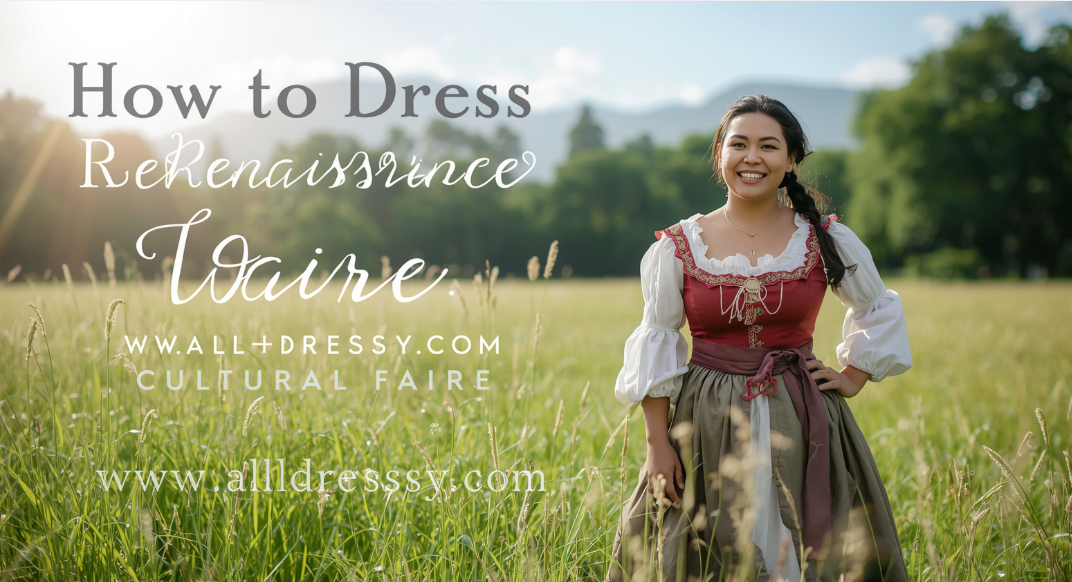
Learning how to dress for a renaissance faire is one of the most exciting parts of preparing for the event. Renaissance fairs are immersive festivals filled with medieval costumes, fantasy-inspired fashion, historical entertainment, handcrafted goods, and themed food. Dressing appropriately helps you fully enjoy the atmosphere while also becoming part of the experience.
Whether you want a simple beginner outfit or a detailed historical costume, understanding how to dress for a renaissance faire can help you create a comfortable, stylish, and authentic look. Many attendees wonder if they need a full costume, how historically accurate they should be, or what accessories work best for a medieval-inspired outfit.
The good news is that renaissance faire clothing can be as simple or elaborate as you want. Some people wear basic peasant outfits, while others arrive in full knight armor, royal gowns, pirate costumes, fairy ensembles, or fantasy-inspired attire.
This complete guide explains everything you need to know about renaissance faire fashion, including outfit ideas, historical inspiration, fabric choices, accessories, footwear, seasonal clothing, beginner tips, and costume mistakes to avoid.
Why Dressing for a Renaissance Faire Matters
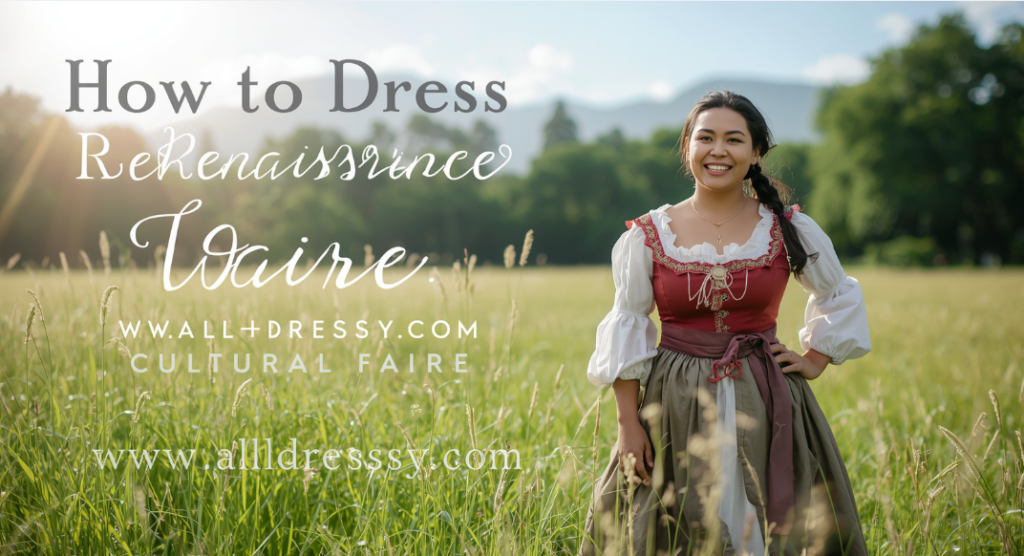
Renaissance fairs are designed to transport visitors into another world. Dressing the part enhances the overall experience and helps you feel immersed in the festival atmosphere.
Benefits of wearing renaissance faire attire include:
- Better event immersion
- More memorable photos
- Increased confidence
- Easier interaction with performers
- Stronger participation in themed activities
- Greater creativity and self-expression
While costumes are usually optional, many attendees find the experience far more enjoyable when they participate in the theme.
Understanding Renaissance Faire Style
Before deciding how to dress for a renaissance faire, it helps to understand the overall aesthetic.
Renaissance faire fashion is inspired by:
- Medieval Europe
- Tudor England
- Elizabethan fashion
- Fantasy literature
- Historical peasants and nobles
- Pirates and adventurers
- Celtic influences
- Fairytale characters
Not every outfit needs to be historically perfect. Most renaissance fairs blend historical inspiration with fantasy creativity.
Do You Need a Costume for a Renaissance Faire?
One of the biggest questions beginners ask is whether costumes are required.
The answer is no. Most renaissance fairs allow regular casual clothing. However, dressing up adds significantly to the fun and atmosphere.
You can choose from:
- Simple themed outfits
- Partial costume pieces
- Full historical ensembles
- Fantasy-inspired clothing
- Pirate attire
- Royal court costumes
Even a few medieval-inspired accessories can help you fit into the environment.
How to Dress for a Renaissance Faire as a Beginner
Beginners should start simple and focus on comfort.
Easy Beginner Renaissance Faire Outfit Ideas
Simple outfit combinations include:
- Loose white blouse or peasant shirt
- Brown or black belt
- Long skirt or loose trousers
- Leather boots or sandals
- Simple pouch or satchel
Neutral earth tones work especially well for beginner outfits.
Good colors include:
- Brown
- Cream
- Olive green
- Burgundy
- Navy
- Rust
- Gray
These shades create a realistic medieval appearance.
Best Renaissance Faire Outfit Ideas for Women
Women have countless renaissance faire clothing options ranging from peasant looks to royal gowns.
Peasant Woman Outfit
This is one of the easiest and most comfortable styles.
Key pieces include:
- Corset or bodice
- Long flowy skirt
- Chemise blouse
- Apron
- Leather belt
This outfit works well because it is breathable and practical for walking all day.
Renaissance Noblewoman Costume
For a more elegant appearance, noblewoman attire includes:
- Rich fabrics
- Layered gowns
- Decorative sleeves
- Jewelry
- Cloaks
- Embroidered details
Velvet and brocade fabrics help create a royal look.
Fantasy Renaissance Faire Outfits
Fantasy-inspired looks are extremely popular.
Examples include:
- Fairy costumes
- Elf outfits
- Witch aesthetics
- Celtic princess attire
- Fantasy warrior clothing
Fantasy elements allow more creative freedom than historically accurate costumes.
Best Renaissance Faire Outfit Ideas for Men
Men’s renaissance faire fashion often combines rugged practicality with medieval inspiration.
Peasant Man Outfit
This is the easiest option for beginners.
Typical items include:
- Loose poet shirt
- Brown pants
- Leather belt
- Boots
- Vest
This look is affordable and comfortable.
Knight Costume
Knight-inspired attire often includes:
- Tunics
- Faux armor
- Capes
- Leather accessories
- Boots
Many attendees prefer lightweight costume armor rather than heavy metal pieces.
Pirate Renaissance Faire Outfit
Pirate costumes remain one of the most popular choices.
Important elements include:
- Striped shirt
- Long coat
- Boots
- Tricorn hat
- Waist sash
- Leather belts
Pirate fashion blends historical and fantasy influences perfectly.
Choosing the Right Renaissance Faire Fabrics
Fabric selection affects both comfort and authenticity.
Best Fabrics for Renaissance Faire Clothing
Linen
Linen is one of the best choices because it is:
- Breathable
- Historically inspired
- Comfortable in heat
- Lightweight
Cotton
Cotton is practical and affordable.
Benefits include:
- Easy maintenance
- Comfort
- Breathability
Velvet
Velvet works beautifully for noble or royal costumes.
It creates:
- Luxury
- Rich texture
- Historical elegance
Avoid shiny synthetic fabrics if you want a more authentic appearance.
Renaissance Faire Accessories That Complete the Look
Accessories can transform a simple outfit into a believable renaissance ensemble.
Popular Renaissance Faire Accessories
Great accessory options include:
- Leather belts
- Corsets
- Cloaks
- Pouches
- Goblets
- Jewelry
- Hats
- Flower crowns
- Leather bracers
Accessories help personalize your costume and create visual interest.
How to Choose Renaissance Faire Footwear
Shoes are one of the most important parts of renaissance faire clothing because you may walk for hours on uneven ground.
Best Shoes for a Renaissance Faire
Recommended footwear includes:
- Leather boots
- Flat ankle boots
- Sandals
- Riding boots
- Comfortable lace-up boots
Comfort matters more than perfect historical accuracy.
Avoid:
- High heels
- Thin sandals
- Uncomfortable shoes
- Bright athletic sneakers
Corsets and Bodices for Renaissance Faire Fashion
Corsets are common in renaissance faire outfits, especially for women.
Difference Between Corsets and Bodices
Bodices
Bodices are usually:
- More comfortable
- Easier to wear
- Less restrictive
Corsets
Corsets provide:
- Structured shaping
- Dramatic silhouette
- Historical appearance
Beginners often prefer bodices because they are easier for long festival days.
How to Dress for a Renaissance Faire in Hot Weather
Many renaissance fairs happen during warm seasons, so breathable clothing is essential.
Hot Weather Renaissance Faire Tips
Choose:
- Lightweight fabrics
- Loose sleeves
- Breathable skirts
- Cotton chemises
- Linen shirts
Stay hydrated and avoid heavy layered costumes if temperatures are high.
Best Colors for Summer Renaissance Faire Outfits
Lighter shades stay cooler in sunlight.
Good warm-weather colors include:
- Beige
- Cream
- Light brown
- Sage green
- Dusty blue
How to Dress for a Renaissance Faire in Cold Weather
Cool-weather renaissance fairs require layering.
Cold Weather Costume Tips
Add:
- Cloaks
- Wool shawls
- Long sleeves
- Layered skirts
- Thick boots
A cloak is one of the best ways to stay warm while maintaining historical style.
Renaissance Faire Makeup and Hairstyles
Hair and makeup can enhance the authenticity of your costume.
Renaissance Faire Hairstyles
Popular styles include:
- Braids
- Loose curls
- Half-up hairstyles
- Flower crowns
- Ribbon braids
Men often choose:
- Natural hair
- Braided beards
- Headscarves
- Hats
Makeup Ideas
Good renaissance faire makeup styles include:
- Natural earthy tones
- Soft glam
- Fantasy-inspired sparkle
- Dramatic eyeliner for fantasy looks
Avoid modern neon makeup if you want historical aesthetics.
Historical Accuracy vs Fantasy Style
Some people aim for historical accuracy while others prefer fantasy creativity.
Historically Inspired Renaissance Faire Clothing
Historically inspired outfits focus on:
- Natural fabrics
- Traditional silhouettes
- Period-inspired accessories
- Earth tones
Fantasy Renaissance Faire Fashion
Fantasy fashion may include:
- Fairy wings
- Elven ears
- Magical accessories
- Dramatic makeup
- Fictional armor
Both styles are widely accepted at most renaissance fairs.
DIY Renaissance Faire Outfit Ideas
You do not need expensive costumes to participate.
Affordable DIY Renaissance Faire Clothing
Easy DIY pieces include:
- White oversized shirt
- Maxi skirt
- Wide leather belt
- Tall boots
- Scarf or shawl
Thrift stores are excellent for finding renaissance-style clothing pieces.
Family Renaissance Faire Costume Ideas
Families often coordinate outfits for fun group themes.
Popular Family Themes
Ideas include:
- Royal court
- Pirate crew
- Medieval villagers
- Fantasy adventurers
- Celtic family attire
Coordinated costumes create memorable festival photos.
Couple Renaissance Faire Costume Ideas
Couples frequently choose matching renaissance themes.
Romantic Renaissance Faire Outfit Pairings
Examples include:
- Knight and princess
- Pirate captain and first mate
- King and queen
- Elf couple
- Tavern wench and bard
Couples costumes can be elaborate or simple depending on your preference.
Renaissance Faire Costume Mistakes to Avoid
Avoiding common mistakes can improve your comfort and overall experience.
Wearing Uncomfortable Shoes
This is one of the biggest mistakes beginners make.
Choose footwear suitable for:
- Dirt paths
- Gravel
- Long walking distances
Overheating in Heavy Costumes
Heavy fabrics and armor may become uncomfortable in hot weather.
Always consider temperature before finalizing your outfit.
Ignoring Weather Conditions
Rain, mud, and wind can affect costume comfort.
Bring:
- Extra layers
- Water-resistant cloak
- Comfortable underlayers
Choosing Costumes That Restrict Movement
Avoid outfits that make it difficult to:
- Sit
- Walk
- Eat
- Use restrooms comfortably
Practicality matters during long fair days.
Renaissance Faire Jewelry and Decorative Details
Jewelry adds personality and realism.
Best Jewelry for Renaissance Faire Outfits
Popular choices include:
- Celtic necklaces
- Rings
- Leather chokers
- Medieval pendants
- Charm bracelets
Avoid overly modern jewelry styles that break the medieval illusion.
Renaissance Faire Bags and Storage Options
You will likely carry essentials throughout the event.
Best Renaissance Faire Bags
Good options include:
- Leather satchels
- Belt pouches
- Drawstring bags
- Crossbody pouches
These styles blend naturally into renaissance outfits.
How to Dress for a Renaissance Faire on a Budget
You do not need expensive custom costumes to look impressive.
Budget Renaissance Faire Clothing Tips
Shop Secondhand
Thrift stores often have:
- Maxi skirts
- Loose blouses
- Boots
- Belts
- Vests
Focus on Accessories
Simple outfits become more believable with the right accessories.
Build Your Costume Slowly
Many experienced attendees improve their outfits over multiple years.
Renaissance Faire Etiquette and Costume Respect
While creativity is encouraged, respectful participation matters.
Important Etiquette Tips
- Respect performers
- Avoid offensive costumes
- Ask before taking photos
- Wear comfortable, practical attire
- Stay hydrated during long events
Being considerate improves the experience for everyone.
Creating the Perfect Renaissance Faire Character
Some attendees enjoy developing full characters for the event.
Character Ideas
You could become:
- Merchant
- Bard
- Pirate
- Noble
- Knight
- Herbalist
- Blacksmith
- Mage
- Tavern owner
Creating a persona makes the event more immersive and entertaining.
Layering Tips for Renaissance Faire Outfits
Layering creates depth and realism.
Common Layers Include
- Chemise
- Corset
- Overskirt
- Cloak
- Vest
- Belt accessories
Layering also allows flexibility as temperatures change throughout the day.
How Confidence Completes Your Renaissance Faire Look
The most important part of any renaissance faire outfit is confidence.
Whether your costume is simple or elaborate, enjoying the experience matters most. Renaissance fairs celebrate creativity, imagination, history, and fantasy. Dressing in themed attire helps you participate fully while expressing your personality and style.
Understanding how to dress for a renaissance faire allows you to create a costume that feels comfortable, immersive, and visually impressive. From simple peasant outfits to elaborate royal ensembles, the perfect renaissance faire outfit balances authenticity, creativity, comfort, and fun.
FAQs About How to Dress for a Renaissance Faire
Do you have to wear a costume to a renaissance faire?
No, most renaissance fairs do not require costumes. You can attend in regular clothing, but dressing up helps you enjoy the immersive atmosphere more fully. Even simple medieval-inspired accessories or clothing pieces can make the experience more fun.
What should a beginner wear to a renaissance faire?
Beginners should keep their outfit simple and comfortable. A loose peasant-style shirt, long skirt or pants, boots, and a belt create an easy renaissance faire look without needing a full costume.
Can you wear fantasy costumes to a renaissance faire?
Yes, fantasy costumes are extremely popular at renaissance fairs. Many attendees dress as fairies, elves, pirates, wizards, witches, or fantasy warriors. Most fairs welcome creative fantasy-inspired outfits alongside historical styles.
What shoes should I wear to a renaissance faire?
Comfortable shoes are very important because renaissance fairs often involve walking on dirt, gravel, and uneven surfaces. Leather boots, flat ankle boots, and comfortable sandals are popular choices.
Can I wear jeans to a renaissance faire?
You can wear jeans if you want a casual outfit, but they may not blend into the renaissance atmosphere. Dark neutral pants or loose medieval-inspired trousers usually work better for an authentic appearance.
What colors work best for renaissance faire outfits?
Earth tones and rich medieval-inspired shades work best. Popular colors include brown, olive green, burgundy, cream, navy, rust, gold, and deep red. These colors create a more authentic renaissance aesthetic.
How do women dress for a renaissance faire?
Women often wear corsets or bodices, long skirts, chemise blouses, cloaks, boots, and fantasy-inspired accessories. Some choose peasant outfits while others prefer royal gowns or fairy costumes.
How do men dress for a renaissance faire?
Men commonly wear poet shirts, tunics, loose trousers, leather belts, boots, vests, pirate coats, or knight-inspired costumes. Simple peasant attire is also a popular and comfortable option.
Are corsets required for renaissance faire outfits?
No, corsets are not required. Many women wear bodices instead because they are more comfortable and easier to wear for long periods. Corsets are simply one optional style choice.
What fabric is best for renaissance faire clothing?
Linen and cotton are excellent choices because they are breathable, comfortable, and visually similar to historical fabrics. Velvet and brocade are also popular for noble or royal costumes.
Can I make a renaissance faire costume at home?
Yes, many renaissance faire outfits are easy to create using thrifted clothing and simple accessories. Oversized shirts, maxi skirts, belts, scarves, and boots can form the basis of a DIY costume.
What should I avoid wearing to a renaissance faire?
Avoid uncomfortable shoes, overly modern clothing, heavy costumes in hot weather, and restrictive outfits that limit movement. Bright athletic sneakers and modern graphic T-shirts may also break the medieval atmosphere.
What accessories should I wear to a renaissance faire?
Popular accessories include leather belts, satchels, cloaks, flower crowns, jewelry, corsets, hats, goblets, and pouches. Accessories help make even simple costumes look more complete.
Can couples wear matching renaissance faire outfits?
Yes, matching costumes are very popular for couples. Common themes include knight and princess, pirate couples, king and queen, or fantasy-inspired character pairings.
How can I stay comfortable at a renaissance faire?
Wear breathable fabrics, comfortable footwear, weather-appropriate layers, and lightweight accessories. Staying hydrated and choosing practical clothing can make a huge difference during long fair days.
Conclusion
Learning how to dress for a renaissance faire allows you to fully enjoy the magical atmosphere, creativity, and immersive experience these festivals offer. Whether you prefer a simple peasant outfit, an elaborate royal gown, a rugged pirate costume, or a fantasy-inspired ensemble, the key is finding a balance between comfort, creativity, and personal style.
Renaissance faire fashion gives attendees the freedom to express themselves through historical inspiration, fantasy elements, and handcrafted accessories. Comfortable footwear, breathable fabrics, layered clothing, and practical accessories can help you stay comfortable throughout the event while still looking authentic and visually impressive.
The best renaissance faire outfits are not necessarily the most expensive or historically accurate. Confidence, imagination, and enjoyment matter most. By understanding how to dress for a renaissance faire, you can create a memorable look that enhances your experience and helps you feel like part of the medieval world around you.