
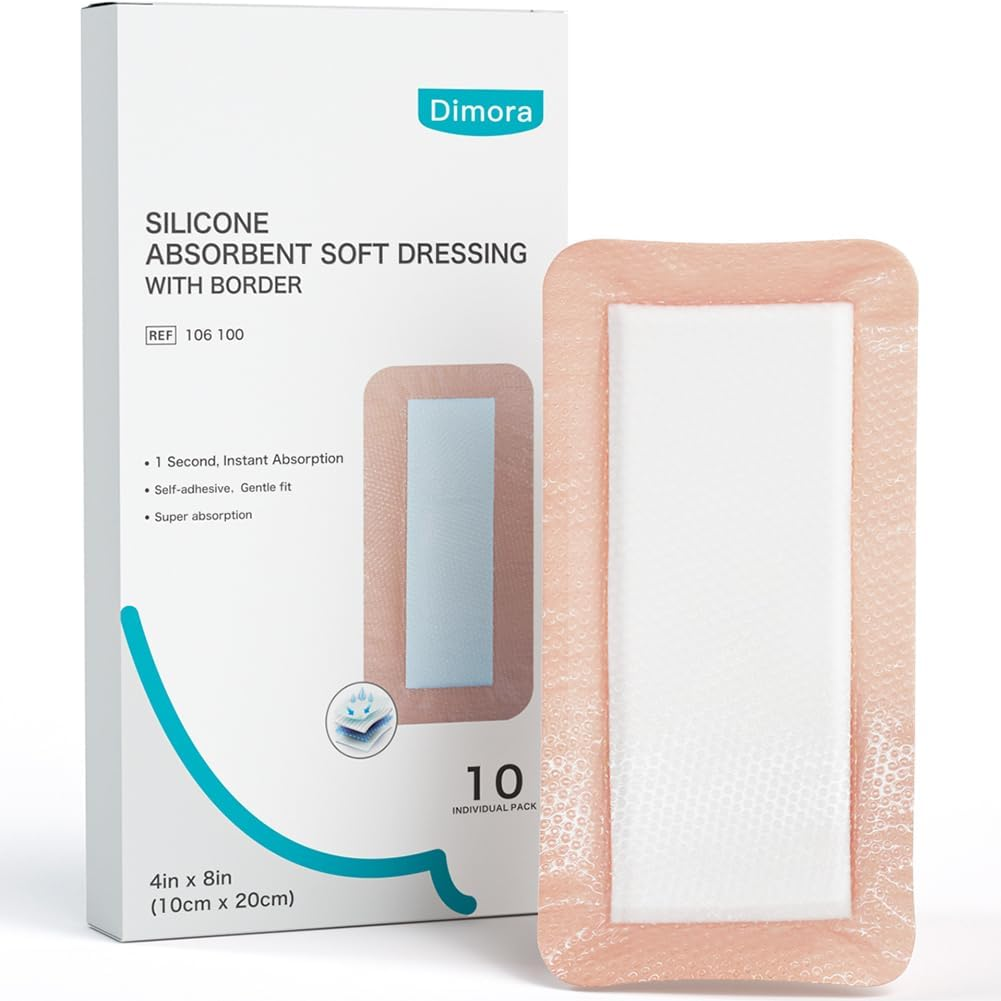
Choosing the best dressing for skin tear in elderly people requires more than simply covering the affected area. Older skin is often thinner and more fragile, so a suitable dressing should help protect the wound while minimizing additional trauma during application and removal. The right dressing can provide a protective environment, manage wound fluid appropriately, and reduce unnecessary friction.
When selecting the best dressing for skin tear in elderly patients, caregivers and healthcare professionals should consider the wound’s condition, amount of drainage, surrounding skin, dressing security, and how frequently the dressing needs to be changed. Because skin tears can vary significantly in severity, professional assessment is important, particularly when the wound is large, heavily bleeding, infected, or slow to heal.
Buying Guide: Best Dressing for Skin Tear in Elderly
What to Look for in the Best Dressing for Skin Tear in Elderly
The most suitable dressing depends on the individual wound. However, several characteristics are particularly important when caring for fragile older skin.
1. Gentle Contact Layer
A dressing designed for fragile skin should have a gentle wound-contact surface. The dressing should not strongly adhere to the wound bed because removing an aggressive adhesive can damage delicate surrounding skin.
Look for products specifically described as non-adherent, atraumatic, or designed for fragile or elderly skin.
2. Silicone-Based Adhesive
When an adhesive dressing is needed, a gentle silicone adhesive may be preferable to stronger conventional adhesives for some patients. Silicone can provide secure positioning while allowing the dressing to be removed with less trauma.
However, adhesive sensitivity varies, so the product should still be selected according to the person’s skin condition and healthcare professional’s advice.
3. Appropriate Absorbency
Some skin tears produce very little fluid, while others can have moderate or heavy drainage. The dressing should have enough absorbency for the wound without unnecessarily drying the wound bed.
For a highly draining wound, a more absorbent secondary dressing may be needed. For a minimally draining wound, excessive absorbency may not be necessary.
4. Easy and Gentle Removal
Dressing changes can be particularly challenging when the surrounding skin is fragile. A dressing that can be removed gently and predictably can help reduce additional trauma.
Avoid pulling the dressing rapidly. If it has adhered to the wound or surrounding skin, healthcare guidance should be followed for safe removal.
Choose a Dressing Based on the Skin Tear
Not every skin tear requires the same type of dressing. The wound’s appearance and level of drainage should guide product selection.
Best Dressing for a Small, Minimally Draining Skin Tear
A non-adherent wound dressing with an appropriate secondary covering may be suitable for a small wound with little drainage. The primary goal is to protect the wound from friction and contamination while avoiding unnecessary trauma.
Best Dressing for a Moderately Draining Skin Tear
If the wound produces more fluid, an absorbent dressing may be necessary. The dressing should manage drainage while maintaining an appropriate wound environment.
The surrounding skin should also be monitored because prolonged exposure to moisture can cause additional irritation.
Best Dressing for a Fragile Skin Tear
For extremely fragile surrounding skin, prioritize atraumatic products and gentle fixation methods. Avoid unnecessarily strong adhesives directly on delicate skin.
A healthcare professional can recommend the appropriate combination of primary and secondary dressings based on the wound.
Consider Non-Adherent Dressings
Non-adherent dressings are commonly considered when protecting a wound from mechanical trauma is important. Their purpose is to cover the wound without strongly sticking to the wound surface.
When shopping, check the product description for terms such as:
- Non-adherent
- Atraumatic
- Low-adherence
- Gentle wound contact
- Suitable for fragile skin
The exact product choice should depend on the wound and clinical assessment.
Look for Dressings Designed for Fragile Skin
Some wound-care products are specifically manufactured for elderly people or individuals with fragile skin. These products may incorporate gentle adhesives, soft materials, or specialized contact layers.
When comparing products, check the manufacturer’s intended use rather than choosing based solely on price or appearance.
Consider Dressing Size
Choosing the correct size is important. A dressing should adequately cover the wound while providing enough surrounding area for secure placement.
A dressing that is too small may not adequately protect the wound. One that is unnecessarily large can make movement and dressing changes more difficult.
Measure the wound according to healthcare instructions and select a suitable size rather than guessing.
Think About Dressing Changes
Frequent dressing changes can increase handling of fragile skin. Depending on the wound and the dressing, a longer wear time may sometimes be appropriate.
However, a dressing should not be left in place longer than recommended. Follow the product instructions and the care plan provided by a healthcare professional.
Check the Adhesive Carefully
Strong adhesive can be problematic for fragile elderly skin. When comparing dressings, look for options that use gentle fixation or are specifically intended for fragile skin.
If additional tape is required, avoid placing strong adhesive directly over compromised skin whenever possible and follow professional wound-care instructions.
Choose Soft and Flexible Materials
Older adults may experience discomfort from stiff or bulky dressings. Soft, flexible materials can make the dressing more comfortable, especially around areas that move frequently.
A flexible dressing may also help accommodate normal movement without repeatedly pulling on the surrounding skin.
Consider the Wound Location
The location of the skin tear affects dressing selection.
For example, a dressing used on an arm may require different fixation from one used near a joint. Areas that move frequently may benefit from a flexible dressing that can remain securely positioned without excessive pressure.
Avoid Unnecessary Trauma During Dressing Changes
Even an excellent dressing can cause problems if it is removed incorrectly. Fragile skin can be damaged by friction, pulling, or repeated adhesive removal.
During dressing changes:
- Follow the healthcare professional’s instructions.
- Remove the dressing slowly and gently.
- Avoid pulling directly against fragile skin.
- Observe the wound and surrounding skin.
- Replace the dressing according to the recommended schedule.
If the dressing is difficult to remove, seek professional guidance rather than forcing it.
Consider Moisture Management
A suitable dressing should help maintain an appropriate moisture balance. Too much moisture can affect the surrounding skin, while excessive dryness can also interfere with wound healing.
The correct level of absorbency depends on the amount of wound drainage. Check the dressing regularly according to the care plan.
Look for Hypoallergenic Options When Appropriate
Some older adults may have sensitive skin or a history of reactions to adhesives. If sensitivity is a concern, consider products designed for sensitive skin and discuss suitable options with a healthcare professional.
Stop using a product and seek advice if significant irritation or an unexpected skin reaction develops.
Check the Product Instructions
Before purchasing or using any wound dressing, read the manufacturer’s instructions carefully. Check:
- Intended wound type
- Recommended application method
- Wear time
- Removal instructions
- Size and absorbency
- Storage requirements
- Contraindications or warnings
Product labels can vary considerably, so don’t assume that all wound dressings can be used in the same way.
When Professional Medical Care Is Important
A skin tear in an elderly person should be assessed carefully, particularly if there is significant bleeding, increasing redness, swelling, warmth, worsening pain, pus or other concerning drainage, fever, a spreading wound, or signs that healing is not progressing.
People with conditions that can impair wound healing may also need professional assessment.
If the wound is severe or the condition is uncertain, a healthcare professional should determine the appropriate dressing rather than relying solely on an over-the-counter product.
Buying Checklist for the Best Dressing for Skin Tear in Elderly
Before purchasing, consider this checklist:
- Gentle contact: Does it minimize sticking to the wound?
- Fragile-skin suitability: Is it designed for delicate skin?
- Absorbency: Is it appropriate for the amount of drainage?
- Adhesive: Is the fixation gentle enough for the surrounding skin?
- Size: Does it adequately cover the wound?
- Flexibility: Can it accommodate movement?
- Removal: Can it be removed without unnecessary trauma?
- Comfort: Is the material soft and comfortable?
- Instructions: Are the application and removal directions clear?
- Professional guidance: Does it fit the individual’s wound-care plan?
The best dressing for skin tear in elderly patients is ultimately the one that matches the wound’s characteristics while protecting fragile surrounding skin. Because skin tears differ from person to person, product selection should be based on the wound assessment and, when needed, guidance from a qualified healthcare professional.
I can help with the product-comparison section, but because this is medical wound-care equipment, I’ll keep the recommendations informational rather than presenting any product as universally suitable for an elderly skin tear. Product choice should follow the wound’s condition and a healthcare professional’s advice. A silicone contact layer such as Mepitel One is specifically discussed for skin tears and fragile wounds.
1. Mepitel One Silicone Contact Layer
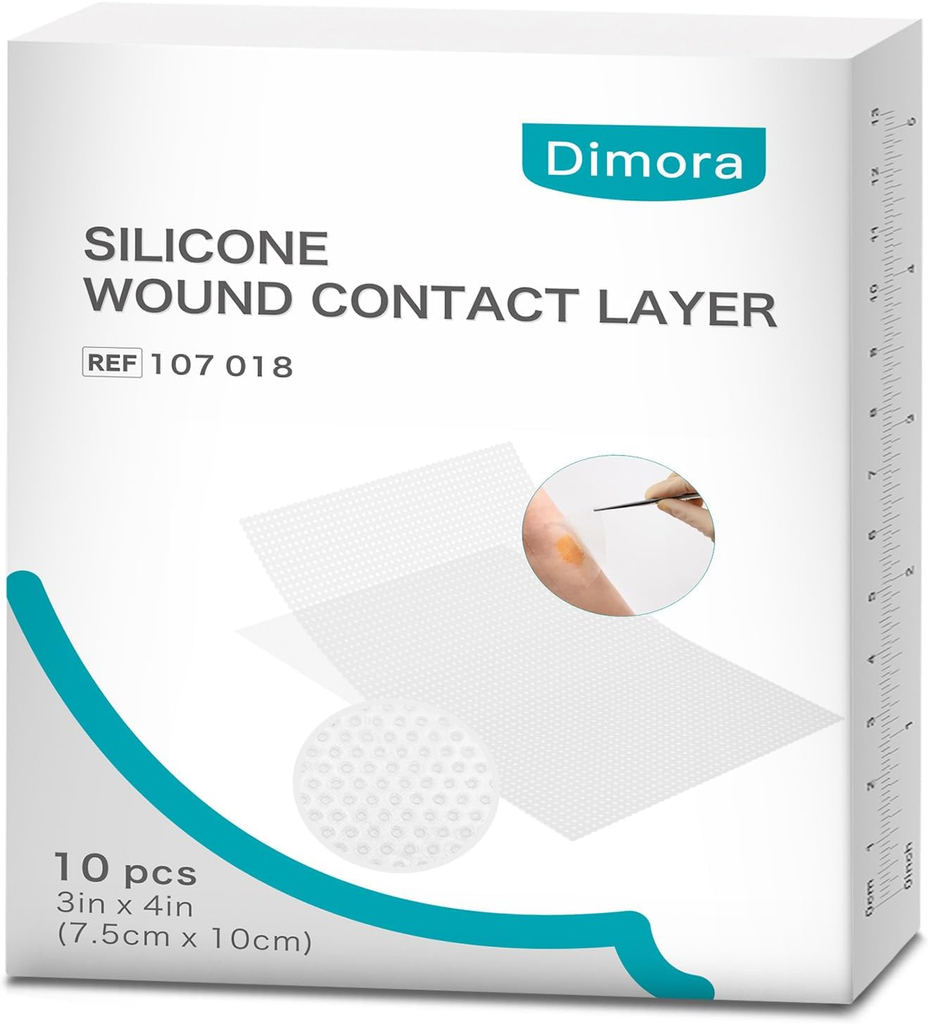
Product Description:
Mepitel One is a soft silicone wound-contact dressing designed to sit gently over a wound while helping minimize trauma during dressing changes. Its silicone contact surface makes it particularly relevant when fragile surrounding skin is a concern. It can be used as a primary contact layer with an appropriate secondary dressing selected according to the amount of wound drainage.
Key Features:
- Soft silicone wound-contact layer
- Designed for atraumatic dressing changes
- Suitable for fragile wound situations
- Can be used with a secondary absorbent dressing
- Flexible and conformable
Pros:
- Gentle contact with the wound
- Useful where minimizing dressing-change trauma is important
- Flexible construction
- Appropriate for use as a contact layer
Cons:
- Usually requires a secondary dressing
- May not provide sufficient absorbency by itself
- Selection should be based on wound assessment
Recommendation:
A strong option to discuss with a healthcare professional when the priority is a gentle contact layer for a skin tear.
2. Mepilex Border Flex
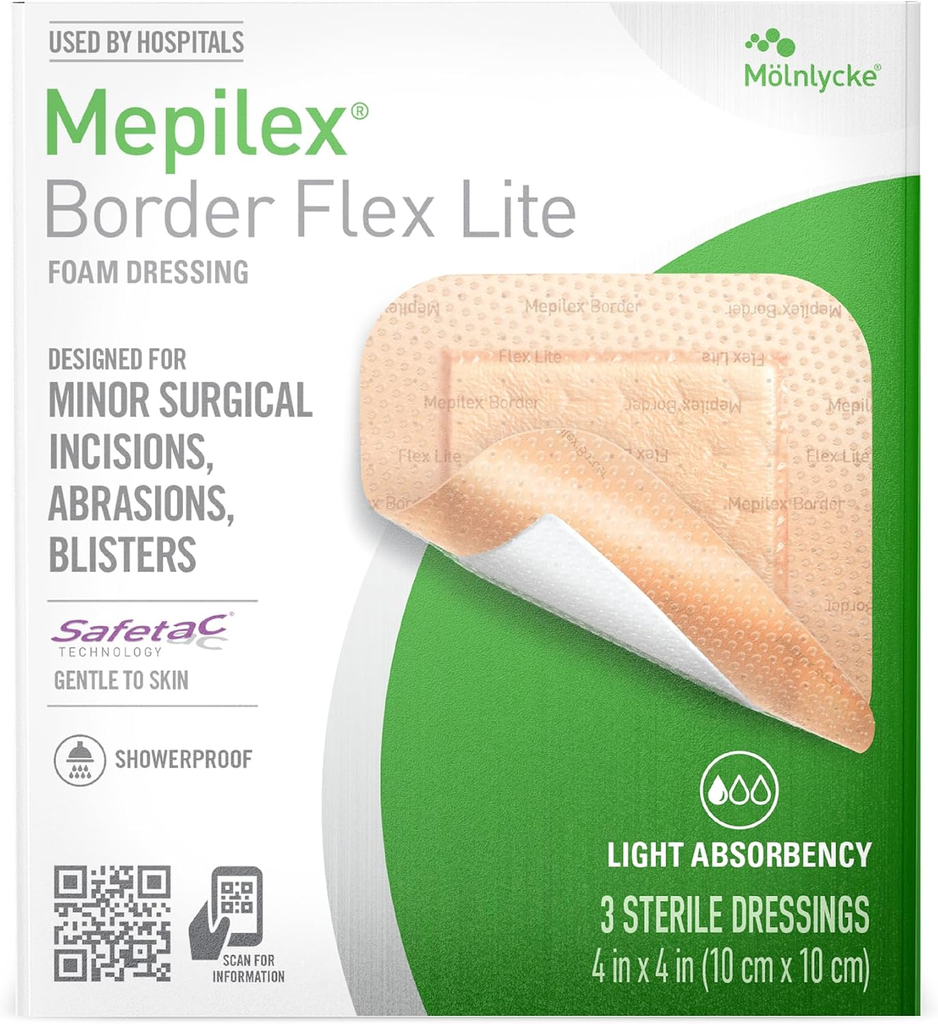
Product Description:
Mepilex Border Flex is a bordered foam dressing designed to combine wound coverage, absorbency, and fixation in one product. Its foam construction can be useful for wounds producing more drainage, while the bordered design can reduce the need for additional fixation.
Key Features:
- Foam dressing construction
- Integrated border
- Designed for wound-fluid management
- Flexible design
- Suitable for different wound-care situations
Pros:
- Combines dressing and fixation
- Useful for wounds with drainage
- Convenient for routine wound care
- Flexible construction
Cons:
- May be unnecessary for very small, minimally draining tears
- Not every foam dressing is appropriate for every skin tear
- Must be selected according to wound characteristics
Recommendation:
Consider this type of dressing when absorbency and secure coverage are important, particularly under professional wound-care guidance.
3. Non-Adherent Sterile Gauze Dressing
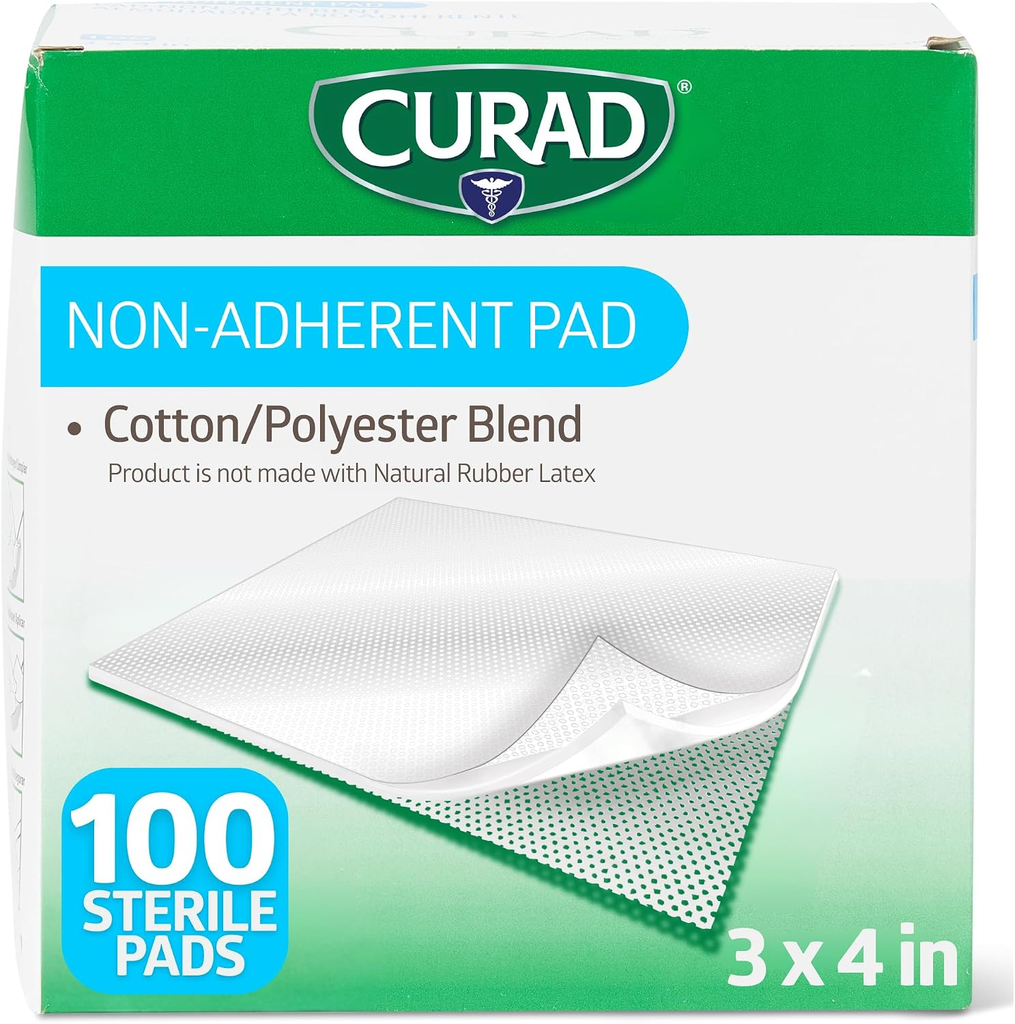
Product Description:
A sterile non-adherent dressing can provide a simple protective layer over a skin tear without strongly sticking to the wound surface. These dressings are generally intended to reduce disruption when the covering is changed.
Key Features:
- Non-adherent wound-contact surface
- Sterile options available
- Simple application
- Suitable as a basic protective layer
- Can be paired with a secondary dressing
Pros:
- Simple to use
- Helps minimize sticking
- Available in multiple sizes
- Can work for lightly draining wounds
Cons:
- May require separate fixation
- Usually offers limited absorbency
- Not necessarily appropriate for heavily draining wounds
Recommendation:
A practical basic option when the wound requires gentle coverage and has relatively low drainage, provided it matches the care plan.
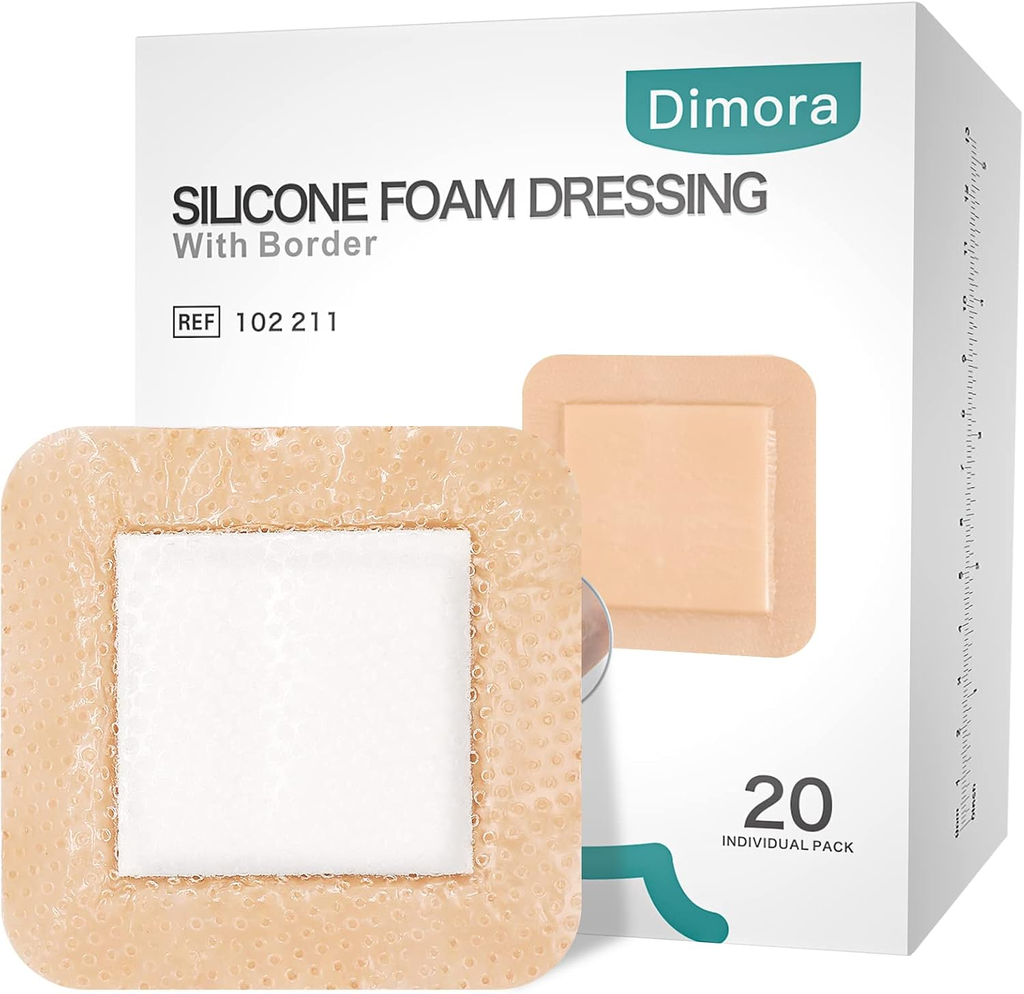
4. Silicone Foam Border Dressing
Product Description:
Silicone-bordered foam dressings combine a soft wound-contact layer with an absorbent foam center and gentle adhesive border. This type of construction can be useful when both wound protection and drainage management are needed.
Key Features:
- Silicone contact layer
- Absorbent foam
- Gentle bordered fixation
- Flexible construction
- Designed for wound protection
Pros:
- Combines several functions in one dressing
- Can manage wound drainage
- Gentle fixation may be useful for fragile skin
- Reduces the need for separate tape
Cons:
- More expensive than basic gauze
- Not ideal for every wound
- Adhesive can still cause irritation in sensitive individuals
Recommendation:
A useful category to consider when a skin tear needs both gentle contact and moderate absorbency.
5. Silicone Wound Contact Dressing

Product Description:
Silicone wound-contact dressings are designed to provide a gentle interface between the wound and a secondary dressing. They are particularly useful when minimizing disturbance to the wound during dressing changes is an important consideration.
Key Features:
- Soft silicone interface
- Low-trauma contact
- Flexible material
- Can be cut or positioned according to product instructions
- Works with a secondary dressing
Pros:
- Gentle wound contact
- Helpful for fragile skin
- Can reduce direct contact between the wound and absorbent secondary dressing
- Flexible
Cons:
- Does not usually absorb substantial drainage by itself
- Requires an additional dressing
- Correct application is important
Recommendation:
A good category for discussing with a wound-care professional when the main concern is protecting the wound during dressing changes.
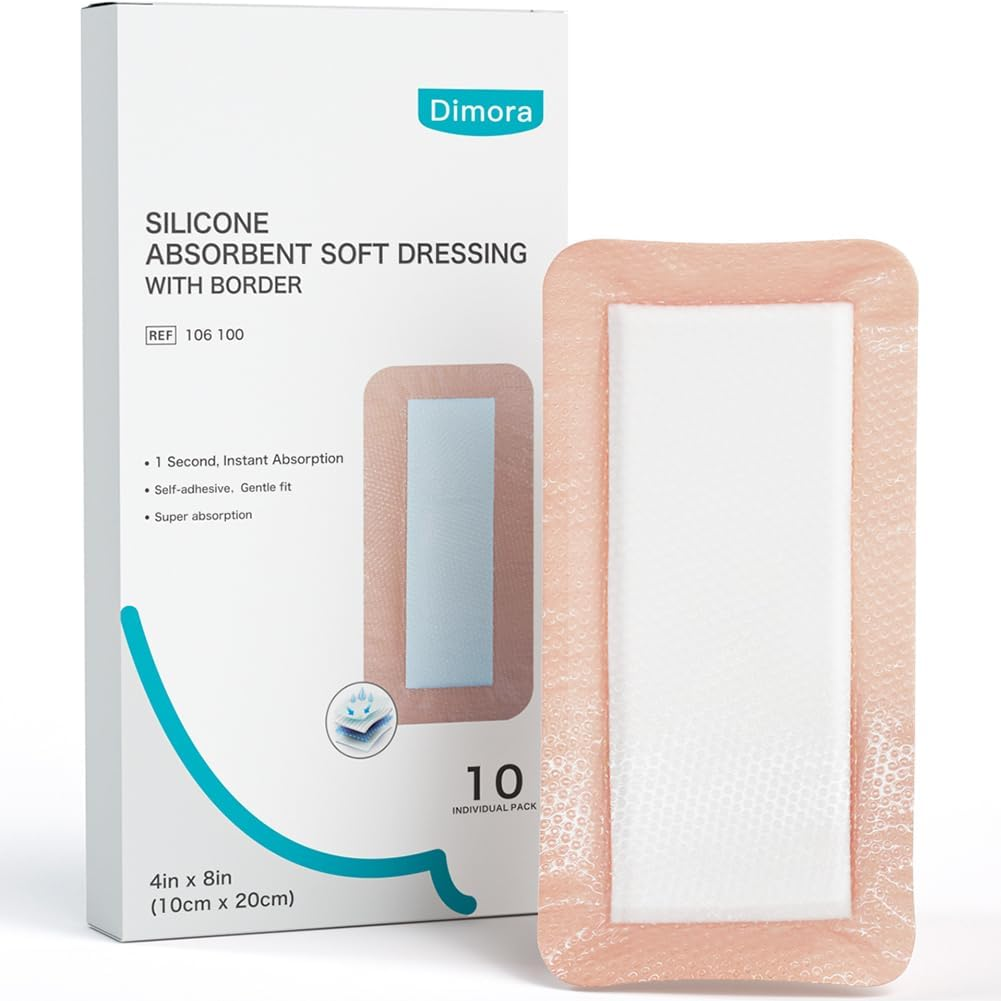
6. Silicone Adhesive Foam Dressing for Fragile Skin
Product Description:
A silicone adhesive foam dressing is designed to provide cushioning, absorption, and gentle fixation. Compared with conventional strongly adhesive dressings, silicone-based fixation can be preferable in some fragile-skin situations because it is designed for gentler removal.
Key Features:
- Silicone adhesive
- Absorbent foam layer
- Protective outer layer
- Flexible design
- Available in different sizes
Pros:
- Convenient all-in-one design
- Provides wound coverage and absorption
- Gentle adhesive technology
- Useful for wounds requiring a protective covering
Cons:
- Not appropriate for every wound
- Can cost more than basic dressings
- Should not be selected solely because it says “gentle” on the packaging
Recommendation:
Worth considering when a healthcare professional recommends a bordered foam dressing for a fragile-skin wound with drainage.
Important Buying Note
For an elderly skin tear, “best” does not necessarily mean the most expensive or most absorbent dressing. The appropriate choice depends on wound depth, drainage, surrounding skin condition, location, and whether there are signs of infection. If the wound is worsening, heavily bleeding, increasingly red or swollen, producing concerning drainage, or not healing normally, it should be assessed by a healthcare professional.
How to Wash and Care for Dressings for Elderly Skin Tears
Most wound dressings for elderly skin tears are single-use and should not be washed or reused. Instead, the dressing should be replaced according to the healthcare professional’s instructions and the product label.
How to Clean the Wound Area
- Wash your hands thoroughly before and after wound care.
- Prepare the new dressing and any recommended wound-cleaning supplies.
- Remove the old dressing slowly and gently. Do not pull forcefully on fragile skin.
- Clean the wound only with the solution recommended by the healthcare professional.
- Gently pat the surrounding skin dry. Avoid rubbing.
- Apply the new dressing according to its instructions.
- Secure it without putting unnecessary pressure on the surrounding fragile skin.
Can You Wash and Reuse the Dressing?
Generally, no. Sterile wound dressings, silicone contact layers, foam dressings, and non-adherent dressings are normally intended for single use. Washing them can compromise their sterility, structure, absorbency, or adhesive properties.
Cautions When Caring for an Elderly Skin Tear
- Never scrub the wound.
- Avoid hot water directly on the wound.
- Do not use hydrogen peroxide, alcohol, or other harsh substances unless specifically instructed by a healthcare professional.
- Don’t pull an adhered dressing aggressively.
- Avoid strong adhesive tape directly on fragile skin unless recommended.
- Don’t reuse a dressing that has already been removed.
- Keep the dressing clean and dry according to the product instructions.
- Check the surrounding skin for irritation from adhesives.
- Follow the manufacturer’s instructions for the specific dressing.
When to Seek Medical Attention
Contact a healthcare professional if the wound develops increasing redness, swelling, warmth, worsening pain, unusual drainage, fever, persistent bleeding, or other signs of infection or deterioration..
FAQs: Best Dressing for Skin Tear in Elderly
1. What is the best dressing for a skin tear in an elderly person?
There is no single best dressing for every skin tear. A gentle, non-adherent or silicone-based dressing may be appropriate for some fragile-skin wounds, while absorbent foam dressings may be considered when there is more drainage. The choice should depend on the wound and professional assessment.
2. Are silicone dressings good for elderly skin tears?
Silicone-based dressings are often considered useful for fragile skin because they are designed to provide gentle contact and minimize trauma during dressing changes. The specific product should still match the wound’s needs.
3. Can I wash and reuse a wound dressing?
Generally, no. Most sterile wound dressings are designed for single use. Washing and reusing them can compromise their cleanliness, structure, and performance.
4. How often should a skin-tear dressing be changed?
The frequency depends on the type of dressing, wound drainage, and clinical condition. Follow the product instructions and the schedule provided by the healthcare professional.
5. How do you remove a dressing from fragile elderly skin?
Remove it slowly and gently according to the product instructions. Avoid pulling quickly or forcefully because fragile skin can be easily damaged.
6. Should a skin tear be covered with gauze?
A suitable non-adherent dressing may be used beneath an absorbent secondary dressing when appropriate. Ordinary dry gauze that sticks to the wound may be unsuitable because removal can disturb healing tissue.
7. What should I avoid when caring for an elderly skin tear?
Avoid scrubbing, unnecessary friction, aggressive adhesive tape, forceful dressing removal, and harsh cleaning products unless specifically recommended by a healthcare professional.
8. What signs indicate that a skin tear needs medical attention?
Increasing redness, swelling, warmth, worsening pain, unusual drainage, persistent bleeding, fever, or deterioration of the wound should prompt medical assessment.
9. Can adhesive dressings damage elderly skin?
Yes. Some adhesives can irritate or injure fragile skin, particularly when removed repeatedly. Products designed for fragile skin or gentle fixation may be preferable in appropriate situations.
10. How can I protect the skin around a skin tear?
Handle the surrounding skin gently, minimize friction and unnecessary adhesive use, and follow the recommended wound-care plan. Keeping the area protected from additional trauma is important.
Conclusion
Choosing the best dressing for skin tear in elderly people requires careful consideration of the wound, drainage level, location, and condition of the surrounding skin. Non-adherent and silicone-based dressings can be useful options when minimizing trauma during dressing changes is important, while absorbent dressings may be appropriate for wounds with greater drainage.
Always follow the dressing manufacturer’s instructions and the care plan provided by a healthcare professional. Since elderly skin can be particularly fragile, gentle handling during cleaning and dressing changes is just as important as selecting the right dressing. If the wound shows signs of infection, persistent bleeding, or worsening condition, seek professional medical care promptly.
2 thoughts on “Best Dressing for Skin Tear in Elderly”