
Finding the best dress style for short and overweight body types can feel challenging, but the truth is—you don’t need to hide your body, you just need to dress it smartly. The right dress can instantly make you look taller, slimmer, and more balanced without sacrificing comfort or style.
When choosing the best dress style for short and overweight, the goal is to create the illusion of height, define your shape, and avoid bulkiness. With the right cuts, fabrics, and styling techniques, you can build a wardrobe that feels confident, elegant, and flattering for everyday wear and special occasions.
This guide will walk you through everything you need to know about choosing the best dress style for short and overweight, including what to look for, what to avoid, and how to shop smartly.
Buying Guide for Best Dress Style for Short and Overweight
Choosing the right dress is all about understanding proportions, structure, and balance. Below are the key factors to consider when shopping for the best dress style for short and overweight.
1. Choose the Right Length for Best Dress Style for Short and Overweight
Dress length plays a major role in how tall or short you appear.
Best Length Options:
- Knee-length dresses
- Just above the knee
- Midi length (slightly below knee, not too long)
Avoid:
- Full maxi dresses that drag on the floor
- Mid-calf cuts that shorten your legs
Why It Matters:
The right length creates the illusion of longer legs, which is essential for the best dress style for short and overweight.
2. Go for High-Waist or Empire Waist Designs
Waist placement can transform your entire look.
Best Choices:
- Empire waist dresses
- High-waisted A-line dresses
Benefits:
- Defines the upper body
- Hides belly area
- Creates a longer leg line
Why It Matters:
This is one of the most effective tricks when selecting the best dress style for short and overweight.
3. Choose A-Line Silhouettes
A-line dresses are universally flattering.
Features:
- Fitted at the top
- Flows outward from the waist
Benefits:
- Skims over hips and stomach
- Creates balanced proportions
- Adds movement without bulk
Why It Matters:
A-line shapes are a top recommendation for the best dress style for short and overweight.
4. Focus on Vertical Elements
Vertical details can visually lengthen your body.
Look For:
- Vertical stripes
- Button-down front
- Seams running vertically
Avoid:
- Horizontal patterns
- Large prints
Why It Matters:
Vertical lines create a slimming and height-enhancing effect.
5. Pick the Right Fabric for Best Dress Style for Short and Overweight
Fabric can either flatter or add unwanted volume.
Best Fabrics:
- Soft cotton blends
- Lightweight polyester
- Stretch fabrics
- Flowy chiffon
Avoid:
- Thick, stiff materials
- Bulky layers
- Heavy fabrics
Why It Matters:
Light and flowy fabrics help create a smooth silhouette for the best dress style for short and overweight.
6. Choose the Right Neckline
Necklines help balance your upper body.
Best Options:
- V-neck
- Scoop neck
- Wrap neckline
Benefits:
- Elongates the neck
- Draws attention upward
- Creates a slimming effect
Why It Matters:
A good neckline improves proportion and enhances the overall look.
7. Use Dark and Solid Colors Wisely
Color plays a big role in visual slimming.
Best Color Choices:
- Black
- Navy
- Dark green
- Burgundy
Styling Tip:
Use darker shades for main dress and lighter tones for layering.
Why It Matters:
Dark colors are a classic solution for the best dress style for short and overweight.
8. Avoid Oversized and Baggy Dresses
Many people think loose clothing hides weight—but it often does the opposite.
Avoid:
- Oversized dresses
- Boxy shapes
- Excess fabric
Instead Choose:
- Structured fits
- Lightly tailored dresses
Why It Matters:
Proper fit creates shape and prevents a bulky appearance.
9. Add Strategic Layering
Layering can enhance your outfit when done correctly.
Best Layering Options:
- Short jackets
- Cropped blazers
- Lightweight cardigans
Avoid:
- Long heavy coats
- Thick layers
Why It Matters:
Layering adds dimension without shortening your height.
10. Smart Shopping Tips for Best Dress Style for Short and Overweight
Tips:
- Always check size charts carefully
- Try adjustable designs (wrap dresses, elastic waist)
- Look for petite-friendly cuts
- Prioritize comfort and movement
Why It Matters:
Smart buying decisions ensure you always choose the best dress style for short and overweight without wasting money.
Final Buying Insight
Choosing the best dress style for short and overweight is all about balance, proportion, and confidence. By focusing on the right length, flattering silhouettes, and smart fabric choices, you can create a wardrobe that enhances your natural shape while making you look taller and more streamlined. With the right approach, every dress can become a confidence-boosting outfit that looks stylish and feels comfortable.
Here are 6 Amazon-style products that directly help with how to make a dress bigger, including detailed descriptions, features, pros, cons, and recommendations. These are practical tools used for both temporary fixes and permanent dress alterations.
1. Ceryvop Waistband Extender Button Set
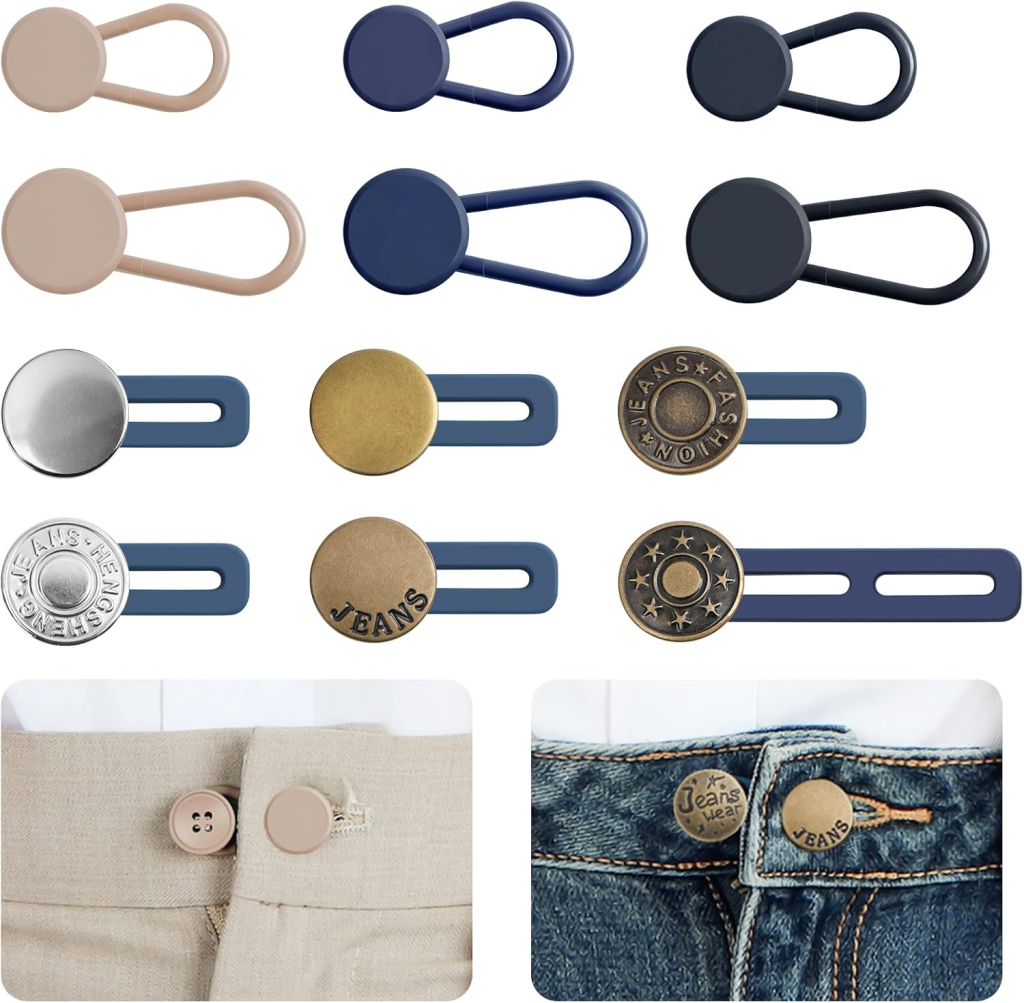
This waistband extender set is one of the most popular quick solutions for how to make a dress bigger, especially for tight waistlines. It attaches easily to existing buttons and adds extra inches without sewing.
Key Features
- Button-and-loop extension system
- Adds 1–2 inches of extra space
- Multiple color options for matching
- Durable elastic and metal design
- Reusable and lightweight
Pros
- No sewing required
- Instant size adjustment
- Affordable and reusable
- Comfortable for daily wear
- Helps extend clothing lifespan (
Cons
- Limited expansion range
- Not suitable for zipper-only dresses
- May be slightly visible without layering
Recommendation
Best for quick waist fixes when learning how to make a dress bigger without permanent alteration.
2. Maidenform Lace Dress Extender Slip
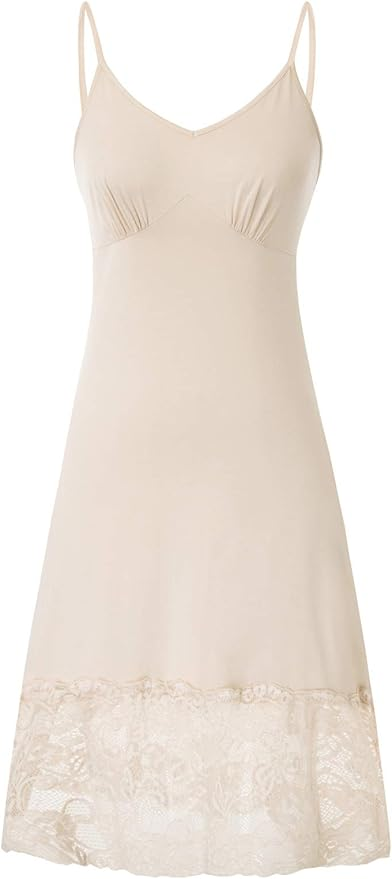
This lace extender slip is perfect for adding both length and slight looseness. It is worn under dresses and is a stylish solution for modest fashion and layering.
Key Features
- Soft lace or chiffon fabric
- Elastic waistband for comfort
- Adds length and flexibility
- Lightweight and breathable
- Available in multiple colors
Pros
- No sewing needed
- Enhances style and coverage
- Comfortable for all-day wear
- Works with many dress types
- Great for layering
Cons
- Does not significantly increase size
- Visible if not color-matched
- Not ideal for tight-fitting dresses
Recommendation
Ideal for style-based adjustments while exploring how to make a dress bigger visually.
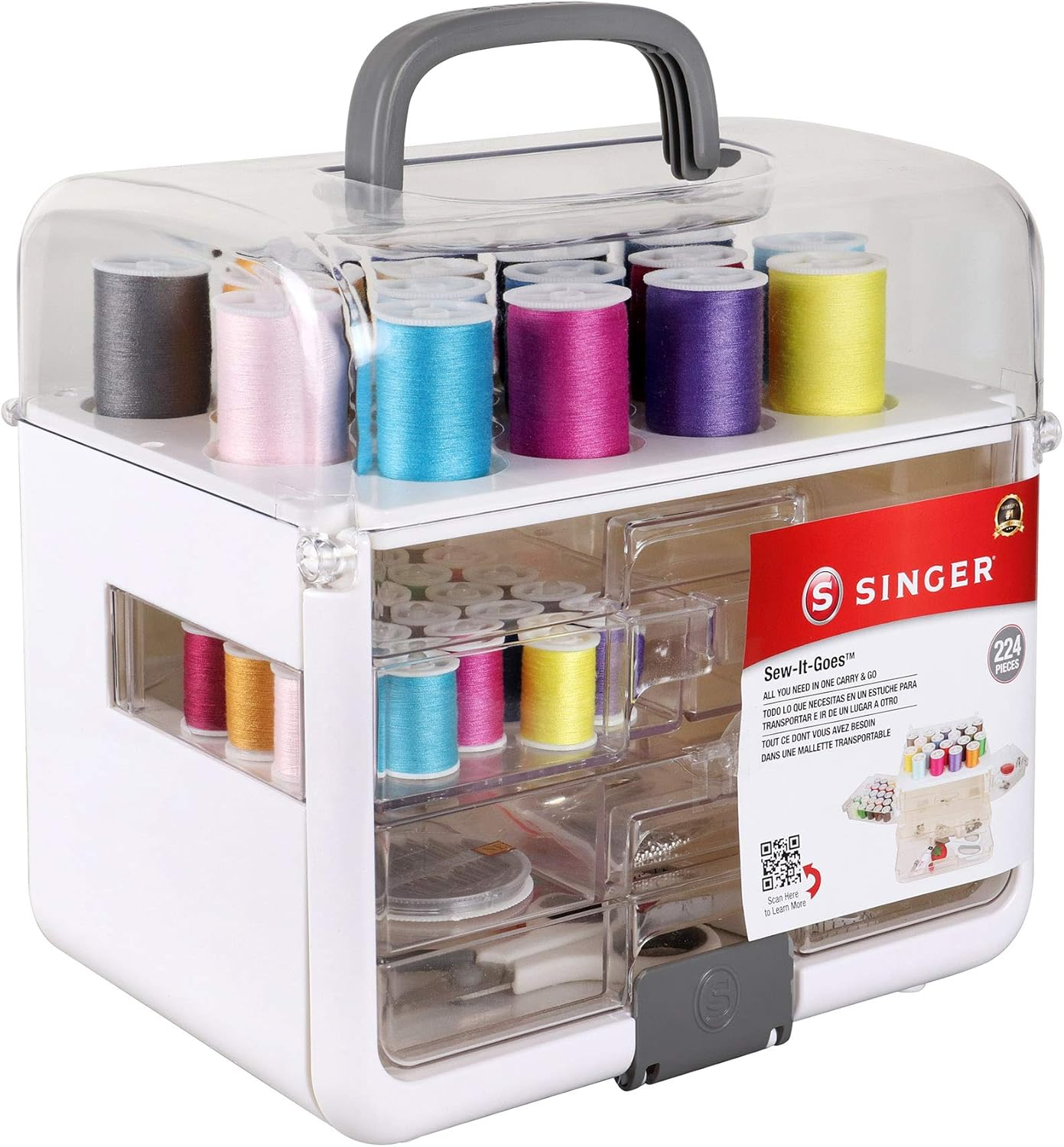
3. SINGER Sewing Repair Kit (Full Set)
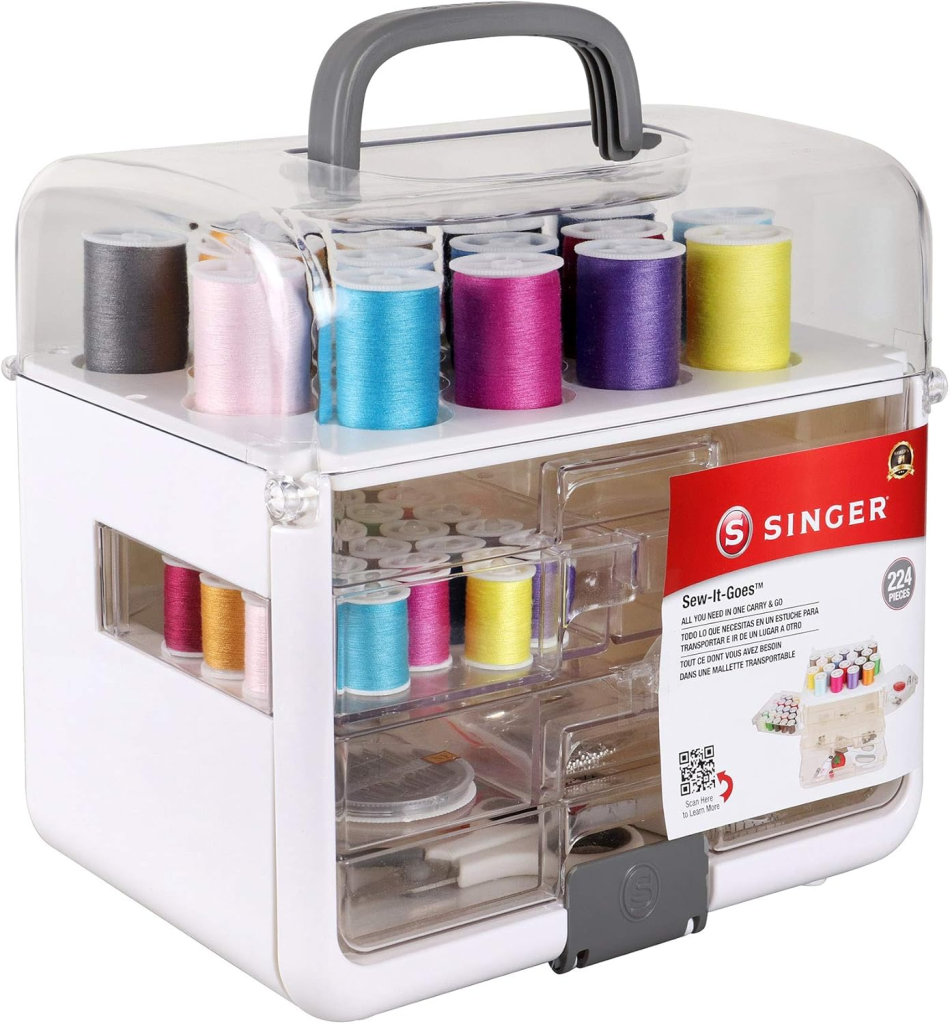
This complete sewing kit is essential for anyone serious about permanently learning how to make a dress bigger.
Key Features
- Needles, threads, scissors included
- Multiple thread colors
- Measuring tape and pins
- Portable storage case
- Beginner-friendly
Pros
- Complete DIY solution
- Great for permanent resizing
- Cost-effective
- Suitable for beginners
- Works on all fabric types
Cons
- Requires time and effort
- Needs basic sewing skills
- Results depend on user experience
Recommendation
Best for long-term solutions and full dress alteration projects.
4. Dritz Seam Ripper Tool Set
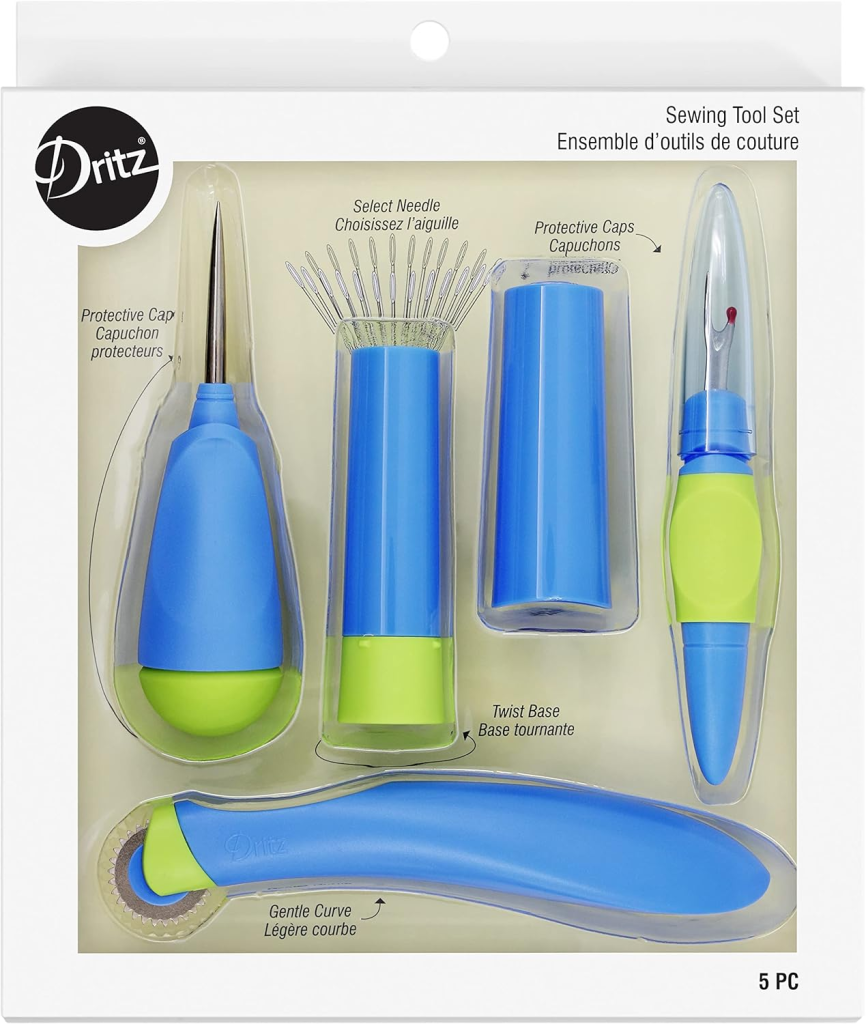
A seam ripper is a must-have tool for opening stitches when resizing a dress.
Key Features
- Sharp precision blade
- Ergonomic grip
- Protective cap included
- Suitable for all fabrics
- Compact design
Pros
- Allows clean seam removal
- Essential for alterations
- Easy to use
- Affordable
- Improves accuracy
Cons
- Requires careful handling
- Can damage fabric if misused
- Not a standalone solution
Recommendation
Perfect tool for preparing dresses when applying advanced how to make a dress bigger techniques.
5. Elastic Fabric Side Panels (Dress Expansion Inserts)
Elastic panels are one of the most effective permanent solutions for increasing dress size.
Key Features
- Stretchable fabric design
- Sew-in side panels
- Breathable and flexible
- Multiple color options
- Durable stitching
Pros
- Adds noticeable size increase
- Comfortable fit
- Maintains dress shape
- Long-lasting solution
- Professional finish
Cons
- Requires sewing
- Needs color matching
- Time-consuming installation
Recommendation
Best choice for major size adjustments when mastering how to make a dress bigger.
6. Zipper Extender for Dresses (Adjustable Kit)
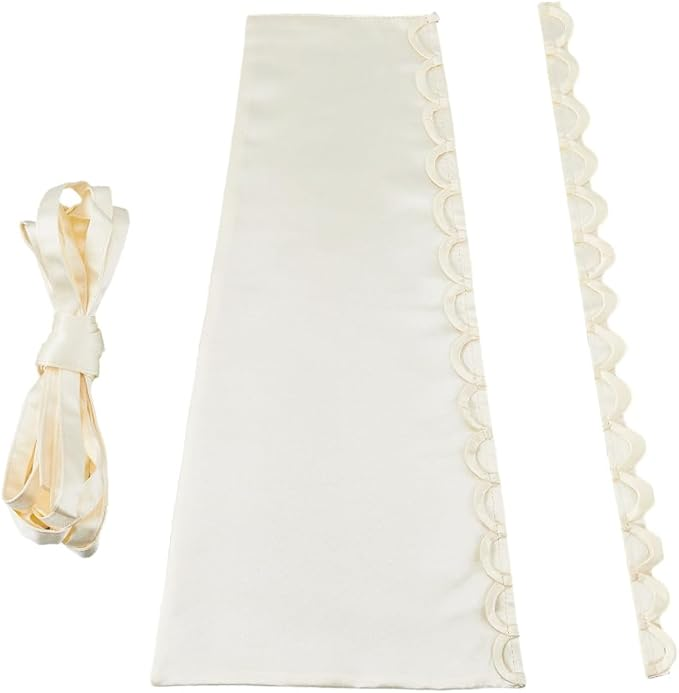
A zipper extender helps extend tight dresses by adding length to the zipper closure.
Key Features
- Hook-and-zip extension system
- Adjustable length options
- Lightweight fabric attachment
- Easy to install
- Compatible with most zipper dresses
Pros
- No full alteration needed
- Quick and effective solution
- Helps close tight dresses easily
- Removable and reusable
- Discreet design
Cons
- Temporary solution
- May not work for all zipper types
- Limited size expansion
Recommendation
Great for last-minute fixes when dealing with tight dresses and learning how to make a dress bigger quickly.
Final Product Insight
Each of these products serves a different purpose when it comes to how to make a dress bigger:
- Quick fixes: Waistband extenders, zipper extenders
- Style solutions: Lace extender slips
- Permanent changes: Sewing kits, seam rippers, elastic panels.
How to Wash Products Used for How to Make a Dress Bigger (Care Guide)
When using tools and accessories for how to make a dress bigger, proper cleaning and care are important to keep them effective and long-lasting. Some of these are fabric-based (like extenders and panels), while others are tools (like sewing kits), so each needs a different approach.
Below is a complete washing and care guide with important cautions.
1. How to Wash Waistband Extender Button Set
How to Wash
- Hand wash in cold water with mild soap
- Gently clean elastic and metal parts
- Rinse thoroughly
- Air dry completely before reuse
Caution
- Do not machine wash (can damage hooks/buttons)
- Avoid hot water (weakens elastic)
- Do not twist or stretch while wet
- Keep metal parts dry to prevent rust
2. How to Wash Lace Dress Extender Slip
How to Wash
- Hand wash only in cold water
- Use mild detergent
- Soak for 5–10 minutes
- Lay flat or hang to air dry
Caution
- Do not wring or twist lace
- Avoid bleach or strong chemicals
- Do not tumble dry
- Keep away from rough surfaces to prevent damage
3. How to Clean Sewing Repair Kit (Needles, Threads, Tools)
How to Clean
- Wipe metal tools with a dry cloth
- Store threads in a dry, closed container
- Clean scissors occasionally
Caution
- Do not wash threads with water
- Keep tools away from moisture (prevents rust)
- Store needles safely to avoid injury
- Keep out of reach of children
4. How to Clean Seam Ripper Tool
How to Clean
- Wipe blade with a dry cloth after use
- Remove fabric threads stuck in tip
- Store with protective cap
Caution
- Do not wash with water
- Avoid touching blade directly (sharp)
- Keep dry to prevent rust
- Store safely to avoid accidents
5. How to Wash Elastic Fabric Side Panels
How to Wash
- Hand wash gently in cold water
- Use mild detergent
- Rinse without stretching
- Lay flat to dry
Caution
- Avoid hot water (damages elasticity)
- Do not machine dry
- Do not overstretch when wet
- Avoid strong detergents
6. How to Clean Zipper Extender
How to Wash
- Wipe with damp cloth
- Use mild soap for stains
- Air dry completely
Caution
- Do not soak in water
- Avoid forcing zipper mechanism
- Keep metal parts dry
- Do not pull aggressively during use
General Care Tips for Dress Alteration Products
To maintain your tools for how to make a dress bigger:
- Always use cold water for fabric items
- Avoid harsh chemicals and bleach
- Air dry instead of machine drying
- Store items in a dry and organized place
- Handle sharp tools carefully
- Clean after each use
Final Care Insight
Proper cleaning and maintenance of your alteration tools ensure they remain effective and safe to use. Whether you are using simple extenders or doing full sewing adjustments for how to make a dress bigger, well-maintained products will give better results, last longer, and make your work easier and more professional.
Frequently Asked Questions (FAQs)
1. Can I wash all dress alteration products the same way?
No. Fabric-based items like extenders and panels can be hand washed, but tools like seam rippers and sewing kits should only be wiped clean and kept dry.
2. Is it safe to machine wash dress extenders?
It’s not recommended. Most extenders contain elastic or delicate materials that can get damaged in a washing machine. Hand washing is the safest method.
3. How often should I clean these products?
Clean fabric items after a few uses or when dirty. Tools should be cleaned after each use to remove dust, thread, or residue.
4. Can heat damage elastic panels or extenders?
Yes. Hot water and high heat drying can weaken elasticity and ruin the product. Always use cold water and air drying.
5. How do I store sewing tools safely?
Keep them in a dry box or kit, with sharp tools covered. Proper storage prevents rust and avoids accidents.
6. What should I avoid when cleaning zipper extenders?
Avoid soaking them in water or forcing the zipper. Always clean gently and dry completely before using again.
7. Why is proper care important for these products?
Good maintenance ensures durability, better performance, and safer use when working on how to make a dress bigger projects.
Conclusion
Taking proper care of the tools and accessories used for how to make a dress bigger is essential for achieving the best results. Clean, well-maintained products not only last longer but also make the alteration process easier and more effective. By using gentle cleaning methods, avoiding heat and harsh chemicals, and storing everything properly, you can keep your tools in excellent condition. This ensures that every time you need to adjust a dress, you can do it smoothly, safely, and with professional-looking results.