
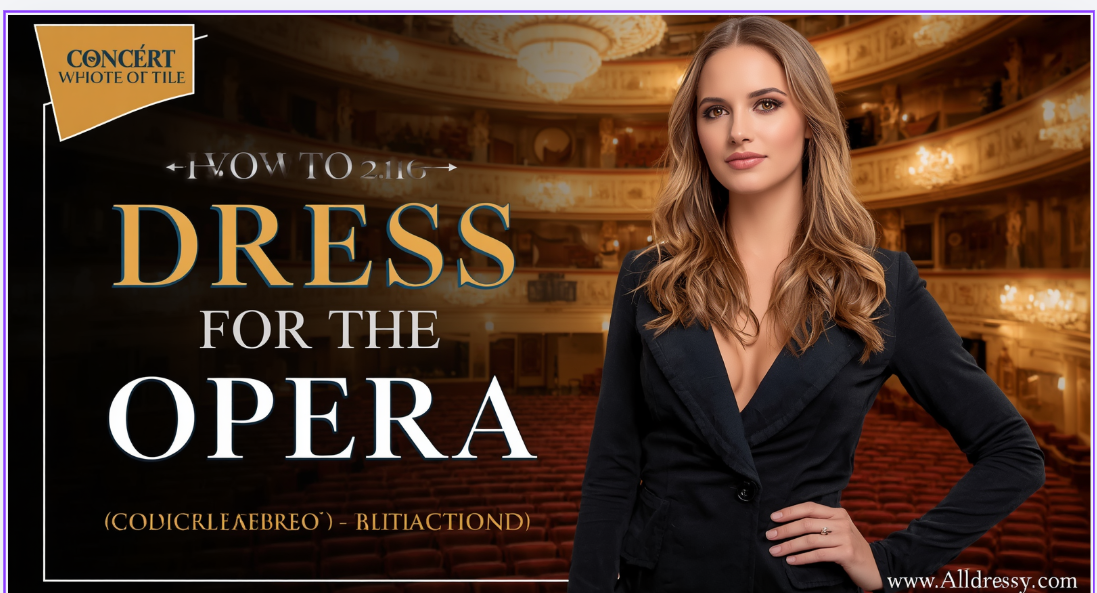
Knowing how to dress for the opera can feel intimidating, especially if you are attending your first opera performance. Opera events are often associated with elegance, sophistication, luxury, and timeless fashion, but modern opera dress codes can vary depending on the venue, performance time, city, season, and cultural expectations. Understanding what to wear helps you feel confident, stylish, and appropriately dressed while fully enjoying the experience.
Opera fashion is unique because it blends formalwear traditions with personal style. Some opera houses still encourage black-tie elegance, while others embrace modern smart-casual sophistication. Learning how to dress for the opera allows you to strike the perfect balance between refined fashion and comfortable practicality.
Whether you are attending a grand evening performance, a daytime matinee, a romantic opera date, or a modern experimental production, this complete guide explains everything you need to know about opera attire, including dress codes, outfit ideas for men and women, seasonal styling, accessories, shoes, fabrics, colors, etiquette, and common mistakes to avoid.
Why Opera Fashion Matters
Opera has long been associated with cultural sophistication and artistic elegance. Historically, opera attendees dressed in formal attire to reflect the grandeur of the performance and venue.
Today, while many opera houses have relaxed their rules, dressing well still shows:
- Respect for the performance
- Appreciation of the venue
- Personal style and elegance
- Awareness of social etiquette
Opera attire is often about feeling polished and elevated rather than overly extravagant.
Understanding Modern Opera Dress Codes
Before deciding how to dress for the opera, it helps to understand modern opera dress expectations.
Is the Opera Still Formal?
Some opera houses remain highly formal, while others are more relaxed.
Dress expectations may depend on:
- Evening vs daytime performances
- Opening night events
- Venue reputation
- City culture
- Ticket section
- Seasonal events
In major cities, evening opera performances often lean toward cocktail attire or formalwear.
Common Opera Dress Codes
Opera attire usually falls into one of these categories:
- Smart casual
- Business formal
- Cocktail attire
- Black tie optional
- Formal eveningwear
Understanding the venue atmosphere helps determine the best outfit choice.
Best Colors to Wear to the Opera
Color choice affects how elegant and timeless your outfit appears.
Classic Opera Colors
Popular opera colors include:
- Black
- Navy
- Burgundy
- Emerald green
- Deep purple
- Charcoal gray
- Champagne
- Jewel tones
These shades feel sophisticated and photograph beautifully in elegant venues.
Neutral Colors for Opera Outfits
Neutral tones create timeless opera looks.
Elegant neutrals include:
- Cream
- Beige
- Taupe
- Soft gray
- Ivory
Neutral palettes work especially well for daytime performances.
How to Dress for the Opera Female Style
Women have many elegant outfit options for opera performances.
Best Opera Outfit Ideas for Women
Popular choices include:
- Cocktail dresses
- Midi dresses
- Elegant jumpsuits
- Floor-length gowns
- Satin dresses
- Structured skirts and blouses
The goal is polished sophistication rather than nightclub glamour.
Cocktail Dresses for the Opera
Cocktail dresses are one of the safest and most versatile choices.
Best Cocktail Dress Styles
Elegant opera-friendly options include:
- A-line dresses
- Wrap dresses
- Satin midi dresses
- Off-shoulder gowns
- Long sleeve formal dresses
Choose styles that feel refined and timeless.
Can Women Wear Pants to the Opera?
Yes, elegant pants outfits are increasingly popular.
Stylish Opera Pants Outfits
Sophisticated choices include:
- Tailored trousers with silk blouses
- Formal jumpsuits
- Wide-leg dress pants
- Monochrome suits
Structured tailoring creates an elegant appearance.
Best Fabrics for Women’s Opera Clothing
Luxurious fabrics elevate opera outfits.
Recommended Opera Fabrics
Popular choices include:
- Velvet
- Satin
- Silk
- Chiffon
- Crepe
- Lace
Textured fabrics photograph beautifully under opera house lighting.
Shoes for Women at the Opera
Comfort matters because opera performances can last several hours.
Best Women’s Opera Shoes
Popular footwear options include:
- Closed-toe heels
- Elegant pumps
- Slingback heels
- Dressy flats
- Block heels
Choose shoes that balance elegance with comfort.
Opera Accessories for Women
Accessories complete the overall opera look.
Best Women’s Opera Accessories
Elegant choices include:
- Clutch bags
- Pearl earrings
- Delicate necklaces
- Statement earrings
- Silk shawls
Accessories should enhance rather than overpower the outfit.
Makeup for the Opera
Opera makeup should appear polished and sophisticated.
Best Opera Makeup Looks
Popular choices include:
- Soft glam makeup
- Classic red lipstick
- Neutral smoky eyes
- Defined brows
- Elegant eyeliner
Theatrical makeup is usually unnecessary unless attending a themed event.
Hairstyles for Women at the Opera
Hair should feel polished and refined.
Elegant Opera Hairstyles
Popular hairstyles include:
- Soft curls
- Sleek buns
- Hollywood waves
- Low chignons
- Elegant ponytails
Timeless hairstyles suit opera fashion best.
How to Dress for the Opera Male Style
Men’s opera fashion traditionally leans formal and refined.
Best Opera Outfit Ideas for Men
Classic opera attire includes:
- Dark suits
- Dress shirts
- Blazers
- Tuxedos
- Tailored trousers
A polished appearance is always appropriate.
Should Men Wear a Tie to the Opera?
Ties are often recommended for evening opera performances.
Best Tie Options for Opera
Elegant choices include:
- Silk ties
- Bow ties
- Dark patterned ties
- Minimalist solid ties
Formal venues may encourage black tie styling.
Tuxedos for the Opera
Tuxedos are ideal for:
- Gala performances
- Opening nights
- Premium evening events
Black tie remains timeless for formal opera occasions.
Best Men’s Shoes for the Opera
Shoes should appear polished and formal.
Recommended Men’s Opera Shoes
Popular options include:
- Oxford shoes
- Loafers
- Derby shoes
- Patent leather dress shoes
Well-maintained shoes elevate the entire outfit.
Men’s Opera Accessories
Accessories add sophistication without excess.
Best Men’s Accessories for the Opera
Stylish choices include:
- Watches
- Pocket squares
- Cufflinks
- Leather belts
Minimal elegance works best.
Seasonal Opera Outfit Ideas
Season affects opera clothing significantly.
How to Dress for the Opera in Winter
Winter opera outfits often feature rich textures and layering.
Best Winter Opera Clothing
Popular choices include:
- Velvet dresses
- Wool coats
- Long gowns
- Dark jewel tones
- Faux fur wraps
Elegant outerwear matters during colder seasons.
Winter Opera Coat Ideas
Sophisticated coat options include:
- Wool overcoats
- Tailored trench coats
- Faux fur jackets
- Long cashmere coats
Avoid casual puffer jackets if possible.
How to Dress for the Opera in Summer
Summer opera fashion should remain elegant while staying breathable.
Best Summer Opera Clothing
Good choices include:
- Lightweight midi dresses
- Linen-blend suits
- Chiffon gowns
- Breathable fabrics
Stay polished without overheating.
Daytime Opera vs Evening Opera Attire
Performance timing influences dress formality.
Daytime Opera Fashion
Matinee performances may allow:
- Smart casual dresses
- Blazers without ties
- Dressy separates
- Softer color palettes
Evening Opera Fashion
Evening performances usually encourage:
- Darker colors
- Cocktail attire
- Formal dresses
- Tailored suits
Evening opera style feels more glamorous.
What Not to Wear to the Opera
Avoiding mistakes helps maintain an elegant appearance.
Overly Casual Clothing
Avoid:
- Hoodies
- Sweatpants
- Athletic wear
- Ripped jeans
- Graphic T-shirts
Casual clothing may feel out of place in formal venues.
Overly Revealing Outfits
Opera fashion should remain elegant rather than club-inspired.
Avoid:
- Extremely short dresses
- Excessive cutouts
- Transparent fabrics without layering
Loud or Distracting Clothing
Bright neon colors and overly flashy designs may feel inappropriate in traditional opera settings.
Opera Fashion Etiquette
Good opera etiquette includes thoughtful dressing choices.
Why Elegant Dressing Shows Respect
Opera performances involve:
- Professional musicians
- Vocal artists
- Historic venues
- Formal traditions
Dressing appropriately reflects appreciation for the experience.
Opera Date Night Outfit Ideas
Opera events are popular romantic occasions.
Romantic Opera Outfit Ideas for Women
Elegant date-night choices include:
- Satin slip dresses
- Velvet midi dresses
- Off-shoulder gowns
Romantic Opera Outfit Ideas for Men
Stylish options include:
- Navy suit with tie
- Tailored blazer and trousers
- Monochrome formal styling
Classic elegance works beautifully for opera dates.
Plus Size Opera Fashion Tips
Opera fashion should feel sophisticated and comfortable for every body type.
Best Plus Size Opera Outfits
Popular options include:
- Wrap dresses
- Structured gowns
- Tailored suits
- Velvet dresses
- Monochrome outfits
Fit and fabric quality matter more than size.
Budget-Friendly Opera Outfit Tips
You do not need designer clothing to look elegant at the opera.
Affordable Opera Fashion Ideas
Affordable options include:
- Classic black dresses
- Tailored blazers
- Minimalist heels
- Simple jewelry
- Well-fitted suits
Simple elegance often looks more sophisticated than overly trendy fashion.
Opera Fashion Around the World
Opera style varies by location.
European Opera Fashion
European opera houses often lean more formal and traditional.
American Opera Fashion
American venues may allow more flexibility depending on the city and production.
Modern Opera Fashion Trends
Opera fashion continues evolving with contemporary style trends.
Popular Modern Opera Trends
Current trends include:
- Minimalist luxury
- Monochrome tailoring
- Elegant jumpsuits
- Sustainable formalwear
- Vintage-inspired glamour
Modern opera fashion balances tradition with personal style.
How to Feel Confident at the Opera
Confidence is one of the most important parts of opera style.
Best Confidence Tips
- Dress slightly more formal rather than underdressed
- Choose comfortable shoes
- Wear timeless pieces
- Focus on polished grooming
- Keep accessories elegant
Feeling comfortable improves your entire opera experience.
Timeless Elegance Defines Opera Fashion
Understanding how to dress for the opera helps you create an elegant, polished, and confident appearance that suits the sophistication of the event. Opera fashion combines timeless style, refined fabrics, polished grooming, and thoughtful details to create outfits that feel elevated without becoming overly theatrical.
Whether you choose a cocktail dress, velvet gown, tailored suit, elegant jumpsuit, or classic tuxedo, the best opera outfits balance sophistication, comfort, and personal style. By focusing on timeless colors, quality fabrics, elegant accessories, and proper fit, you can confidently attend any opera performance while fully embracing the beauty, culture, and grandeur of the experience.
FAQs About How to Dress for the Opera
What should I wear to the opera for the first time?
For your first opera experience, choose elegant and polished clothing such as a cocktail dress, midi dress, tailored suit, dress pants with a blouse, or a blazer with formal shoes. Dressing slightly more formal is usually safer than being underdressed.
Is there a dress code for the opera?
Many opera houses no longer require strict formal attire, but elegant clothing is still encouraged. Dress codes can range from smart casual to black tie depending on the venue, city, and performance type.
Can I wear jeans to the opera?
Dark, polished jeans may be acceptable at some modern or casual opera venues, especially when paired with a blazer or elegant top. However, ripped, distressed, or overly casual jeans are usually not recommended.
Do women have to wear dresses to the opera?
No, women can also wear:
- Elegant jumpsuits
- Tailored pantsuits
- Dress pants with silk blouses
- Formal separates
Sophisticated tailoring works beautifully for opera fashion.
What should men wear to the opera?
Men typically wear:
- Dark suits
- Blazers
- Dress shirts
- Tailored trousers
- Ties or bow ties
Formal evening performances may encourage tuxedos or black-tie attire.
Can I wear sneakers to the opera?
Sneakers are generally not recommended unless the opera venue has a very casual atmosphere. Dress shoes, loafers, heels, or elegant flats are usually better choices.
What colors are best for opera outfits?
Classic opera colors include:
- Black
- Navy
- Burgundy
- Emerald green
- Charcoal gray
- Jewel tones
These colors create a timeless and elegant appearance.
Is black always appropriate for the opera?
Yes, black is one of the safest and most elegant choices for opera attire. Black dresses, suits, coats, and accessories work beautifully for both daytime and evening performances.
What should I wear to a daytime opera?
Daytime opera outfits can be slightly less formal than evening performances. Good options include:
- Midi dresses
- Dress pants and blouses
- Smart blazers
- Softer neutral colors
Daytime looks should still appear polished and refined.
How formal is an evening opera performance?
Evening opera performances are usually more formal and elegant. Cocktail attire, dark suits, formal dresses, and sophisticated accessories are commonly worn.
Can I wear a short dress to the opera?
Yes, elegant cocktail-length dresses are perfectly appropriate for many opera events. Avoid dresses that are excessively short or overly revealing.
What fabrics work best for opera clothing?
Luxurious fabrics photograph and drape beautifully in opera settings. Popular opera fabrics include:
- Velvet
- Satin
- Silk
- Lace
- Chiffon
- Crepe
What shoes should I wear to the opera?
Comfortable yet elegant shoes are ideal because opera performances can last several hours. Good options include:
- Pumps
- Block heels
- Dress flats
- Loafers
- Oxford shoes
Can I wear a tuxedo to the opera?
Yes, tuxedos are excellent for formal opera nights, opening performances, gala events, and black-tie occasions.
What should I avoid wearing to the opera?
Avoid:
- Hoodies
- Sweatpants
- Athletic wear
- Flip-flops
- Ripped clothing
- Graphic T-shirts
- Overly casual outfits
Opera fashion should feel polished and respectful of the venue.
Conclusion
Understanding how to dress for the opera helps you feel elegant, confident, and appropriately styled for one of the most sophisticated cultural experiences. Opera fashion combines timeless refinement, polished grooming, luxurious fabrics, and thoughtful accessories to create a look that respects both the venue and the performance itself.
Whether you choose a cocktail dress, formal gown, elegant jumpsuit, tailored suit, or classic tuxedo, the best opera outfits balance sophistication with personal comfort and style. Dark colors, quality fabrics, elegant shoes, and minimal yet refined accessories usually create the most timeless opera looks.
Modern opera dress codes may vary depending on the venue and performance, but dressing with care and attention always enhances the experience. By understanding how to dress for the opera, you can confidently attend daytime matinees, formal evening performances, romantic opera dates, and grand gala events while fully embracing the elegance and artistic atmosphere of the occasion.