
If you have ever looked at your wardrobe and wondered, “How do I dress better?”, you are not alone. Many people want to improve their appearance, feel more confident in their clothing choices, and develop a personal style that reflects their personality. However, dressing better does not mean buying expensive clothes, following every fashion trend, or completely changing your wardrobe. It is about understanding what works for you, choosing clothes thoughtfully, and creating outfits that are comfortable, coordinated, and appropriate for different occasions.
Learning how to dress better starts with a few simple habits: understanding clothing fit, choosing suitable colors, organizing your wardrobe, selecting versatile pieces, and paying attention to small details. Whether you prefer casual outfits, professional clothing, elegant dresses, or relaxed everyday fashion, you can improve your style without spending a fortune.
This comprehensive guide explains how to dress better step by step. You will discover practical styling techniques, wardrobe essentials, outfit combinations, common fashion mistakes, and ways to develop a consistent personal style.
1. Understand Your Personal Style Before Changing Your Wardrobe
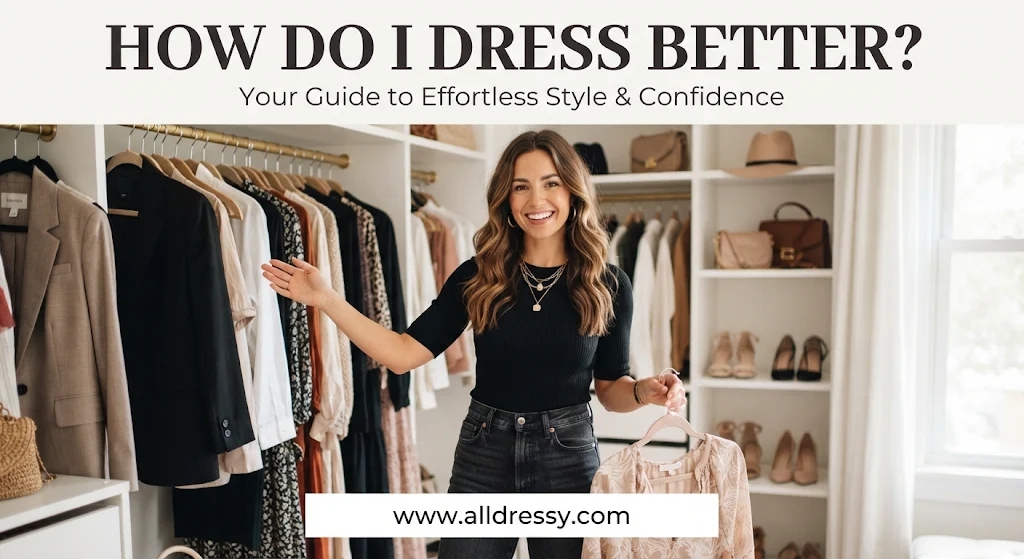
One of the most important steps in learning how to dress better is identifying your personal style. Your clothing should reflect your personality, lifestyle, comfort preferences, and the occasions you dress for.
Instead of copying another person’s entire wardrobe, pay attention to the outfits you naturally enjoy wearing.
Identify the Clothing Styles You Like
Fashion includes many different styles. Understanding them can help you make better clothing decisions.
Some popular personal styles include:
- Casual style: Comfortable jeans, T-shirts, sneakers, relaxed shirts, and simple everyday outfits.
- Classic style: Timeless clothing, neutral colors, tailored trousers, button-down shirts, and simple accessories.
- Minimalist style: Clean designs, simple silhouettes, limited patterns, and coordinated colors.
- Elegant style: Refined dresses, structured jackets, polished shoes, and sophisticated accessories.
- Sporty style: Athletic-inspired clothing, comfortable sneakers, joggers, and practical layers.
- Bohemian style: Flowing fabrics, relaxed silhouettes, interesting textures, and creative accessories.
- Streetwear style: Oversized shirts, casual jackets, sneakers, graphic designs, and contemporary combinations.
You do not need to choose only one category. Many people combine two or three styles to create a look that feels natural.
Create a Personal Style Inspiration Collection
Collect examples of outfits you genuinely like. You can use fashion magazines, clothing catalogs, or your own saved outfit ideas.
Look for patterns in your selections. Perhaps you repeatedly choose neutral colors, simple dresses, structured jackets, or relaxed trousers.
These patterns can help you understand which clothing features you prefer.
2. Choose Clothes That Fit Properly
Proper fit is one of the biggest differences between an ordinary outfit and a well-styled outfit. Even expensive clothing may look unfinished when it does not fit comfortably or sit correctly.
When learning how to dress better, pay attention to the way clothing fits across the shoulders, waist, sleeves, and overall length.
Check Shoulder Fit
For shirts, jackets, and blazers, the shoulder seams should generally sit close to your natural shoulder line.
If the seams extend too far beyond your shoulders, the garment may appear oversized. If they sit too far inward, the clothing may feel restrictive.
Some relaxed and oversized styles intentionally have dropped shoulders, so the right fit also depends on the design.
Pay Attention to Clothing Length
The length of clothing affects how an outfit looks as a whole.
Consider these points:
- Shirts should have a length that works with the way you wear them, tucked or untucked.
- Trousers should have an appropriate length for their cut and footwear.
- Sleeves should allow comfortable movement without constantly slipping.
- Skirts and dresses should have a length suitable for the occasion and your personal preference.
- Jackets should sit comfortably without pulling when buttoned.
Avoid Choosing the Wrong Size
Do not assume that one clothing size will fit perfectly across every brand. Sizing systems vary between manufacturers and countries.
Check the brand’s size chart and compare the garment measurements with clothing you already own.
Comfort should always be part of the decision. Clothes that restrict movement or require constant adjustment are unlikely to become reliable wardrobe favorites.
3. Learn How to Combine Colors Effectively
Color coordination can make your outfits look more polished without requiring additional clothing. You do not need advanced fashion knowledge to create attractive color combinations.
Start with a few versatile colors and gradually experiment with other shades.
Build Your Wardrobe Around Neutral Colors
Neutral colors are useful because they work with many other shades.
Common wardrobe neutrals include:
- Black
- White
- Cream
- Beige
- Gray
- Navy
- Brown
- Charcoal
For example, a white shirt can be paired with black trousers, blue jeans, beige pants, or a navy skirt.
Similarly, black trousers can work with colorful shirts, patterned tops, sweaters, and simple neutral pieces.
Use the Three-Color Outfit Rule
A simple styling technique is to limit an outfit to approximately three main colors.
For example:
- White shirt, blue jeans, and brown shoes.
- Black dress, beige jacket, and neutral shoes.
- Navy trousers, white top, and gray cardigan.
- Cream sweater, brown trousers, and black accessories.
This is a flexible guideline rather than a strict fashion rule. You can use additional colors when they are part of a coordinated print or design.
Experiment With Color Combinations
Once you are comfortable with neutrals, introduce colors that complement one another.
Some combinations to consider include:
| Color combination | Styling idea |
|---|---|
| Navy and white | Classic shirts and trousers |
| Beige and brown | Warm, coordinated everyday outfits |
| Black and cream | Simple and sophisticated clothing |
| Blue and gray | Relaxed or professional outfits |
| Green and beige | Natural-looking casual combinations |
| Burgundy and black | Rich, coordinated evening outfits |
| Pink and white | Soft and fresh outfit combinations |
Try new combinations using clothing you already own before purchasing anything.
4. Build a Wardrobe With Versatile Essentials
A wardrobe filled with random clothing can make getting dressed difficult. Instead, focus on versatile pieces that work together.
You do not need hundreds of items to create different outfits. A smaller collection of useful clothing can provide plenty of combinations.
Essential Tops
Consider including:
- Plain white T-shirts
- Black or neutral T-shirts
- Comfortable button-down shirts
- Simple blouses
- Knit tops
- Cardigans
- Casual sweaters
These pieces can be styled with jeans, skirts, tailored trousers, and other wardrobe essentials.
Essential Bottoms
Useful options include:
- Straight-leg jeans
- Classic trousers
- Comfortable casual pants
- Neutral skirts
- Well-fitting everyday shorts
- Occasion-appropriate formal trousers
Choose styles that suit your daily activities and work with the tops you already own.
Essential Outerwear
Outerwear can change the appearance of an outfit while providing additional comfort.
Useful options include:
- Denim jackets
- Lightweight cardigans
- Blazers
- Casual jackets
- Neutral coats
- Weather-appropriate outer layers
A simple blazer, for example, can make a basic shirt-and-trouser combination look more structured.
Choose Pieces That Work Together
Before buying a new item, think about at least three outfits you could create with it.
If a top only works with one particular pair of trousers, it may not be as versatile as another option that matches several items.
This simple shopping habit helps reduce unnecessary purchases.
5. Dress According to the Occasion
Dressing better also means understanding what type of clothing is appropriate for different environments.
An outfit that works for a relaxed weekend may not be suitable for a formal meeting or special event.
How to Dress Better Casually
Casual clothing should balance comfort and coordination.
A simple casual outfit might include:
- A clean T-shirt
- Well-fitting jeans
- Comfortable sneakers
- A lightweight jacket
- A simple bag or accessory
You can also combine a knit top with casual trousers or wear a button-down shirt with denim.
The key is to choose clothing that feels relaxed without looking careless.
How to Dress Better for Work
Professional clothing should reflect your workplace dress code.
Depending on your environment, suitable options may include:
- Tailored trousers
- Button-down shirts
- Simple blouses
- Structured blazers
- Knee-length or longer skirts
- Professional dresses
- Clean, comfortable shoes
Choose coordinated colors and avoid clothing that makes movement difficult during the workday.
If your workplace has a business-casual dress code, you may be able to combine formal and relaxed pieces.
How to Dress Better for Parties
Party outfits allow more room for creativity.
Depending on the event, you might choose:
- A simple cocktail dress
- A coordinated top and skirt
- Elegant trousers with a dressy blouse
- A stylish jumpsuit
- A statement jacket
Consider the event’s location, time, dress code, and expected level of formality.
How to Dress Better for Special Occasions
Weddings, graduation ceremonies, celebrations, and formal dinners often require more thoughtful outfit planning.
Choose clothing that suits the occasion without making you uncomfortable.
Pay attention to fabric, color, footwear, and accessories. Planning your outfit in advance also gives you time to check whether everything works together.
6. Choose Fabrics That Look Good and Feel Comfortable
Fabric plays an important role in the appearance, comfort, and durability of clothing.
Two garments with similar designs can look quite different because of their materials.
Understand Common Clothing Fabrics
Cotton: Cotton is widely used for T-shirts, shirts, dresses, and casual clothing. It is generally comfortable and easy to wear.
Linen: Linen is popular for warm-weather clothing because of its lightweight feel and relaxed appearance. It naturally wrinkles, which is part of its characteristic look.
Wool: Wool is commonly used for sweaters, coats, and cold-weather clothing. It can provide warmth and structure.
Denim: Denim is durable and commonly used for jeans, jackets, and skirts.
Polyester: Polyester is used in many types of clothing. Its characteristics depend on the fabric construction and blend.
Viscose: Viscose is often used for dresses, blouses, and flowing garments because it can have a soft, draped appearance.
Consider Fabric Quality
When shopping, examine the stitching, seams, fabric thickness, and overall construction.
A well-made garment should feel suitable for its intended use. Check whether the buttons are secure, the seams are even, and the material feels comfortable.
The most expensive fabric is not automatically the best choice. Select materials based on comfort, climate, maintenance requirements, and durability.
7. Use Accessories to Improve Your Outfits
Accessories can make simple clothing look more complete. However, adding too many accessories can distract from the overall outfit.
The goal is to choose a few pieces that complement your clothing.
Choose Suitable Jewelry
Jewelry can add detail to everyday and formal outfits.
Examples include:
- Small earrings with casual outfits
- Simple necklaces with plain tops
- Watches with professional clothing
- Bracelets with relaxed outfits
- More noticeable jewelry for special occasions
Choose accessories that feel comfortable and suit the style of your clothing.
Select the Right Bag
A bag should be practical as well as visually coordinated.
Common options include:
- Tote bags for everyday activities
- Crossbody bags for casual outings
- Structured handbags for professional settings
- Small evening bags for formal events
- Backpacks for school or travel
Neutral bags are often versatile, while colorful bags can add interest to simple outfits.
Pay Attention to Belts and Other Details
A belt can create a more finished appearance when worn with suitable trousers, skirts, or dresses.
Scarves, hats, sunglasses, and hair accessories can also contribute to your personal style.
You do not need to wear every accessory at once. Choose items that have a clear purpose in the outfit.
8. Choose Shoes That Match Your Clothing
Shoes are an important part of an outfit because they affect both appearance and comfort.
Even a well-coordinated outfit may feel incomplete if the footwear does not suit the occasion.
Everyday Shoes
Useful everyday options include:
- Clean sneakers
- Comfortable flats
- Loafers
- Casual sandals
- Simple slip-on shoes
These styles can work with jeans, casual dresses, skirts, and relaxed trousers.
Professional Shoes
Depending on the dress code, professional footwear may include:
- Loafers
- Formal flats
- Classic dress shoes
- Simple low heels
- Clean ankle boots
Choose footwear that allows comfortable movement throughout the day.
Special Occasion Shoes
Formal events may call for dressier shoes, such as elegant flats, dress shoes, or heels.
Consider the length of your outfit, the event location, and how long you will need to wear the shoes.
Comfortable footwear can help you enjoy the occasion without constantly thinking about your shoes.
9. Keep Your Clothes Clean, Neat, and Well-Maintained
Dressing better is not only about buying new clothing. Proper clothing care can make your existing wardrobe look more polished.
Clean, well-maintained garments often create a better impression than expensive clothing that is poorly cared for.
Follow Clothing Care Labels
Different fabrics require different washing and drying methods.
Always check garment care labels before washing.
For example:
- Separate light and dark clothing when necessary.
- Use suitable washing temperatures.
- Avoid excessive washing when the care instructions allow less frequent cleaning.
- Dry delicate fabrics according to their care requirements.
- Store knitwear carefully to help maintain its shape.
Remove Wrinkles
Wrinkled clothing can make an outfit appear unfinished.
Use an iron or garment steamer when appropriate for the fabric. Always check the recommended temperature to avoid damaging delicate materials.
Hang shirts, dresses, and jackets properly after washing.
Repair Small Problems
Do not immediately discard clothing because of a loose button or minor stitching issue.
Small repairs can help extend the life of your wardrobe.
Check for loose threads, damaged buttons, open seams, and worn areas before wearing an outfit.
10. Learn the Art of Layering
Layering means wearing multiple clothing pieces together to create a coordinated outfit.
It can add visual interest, improve comfort, and make your wardrobe more adaptable to changing temperatures.
Start With a Simple Base Layer
Begin with a basic item such as:
- A plain T-shirt
- A fitted top
- A lightweight shirt
- A simple dress
Then add another piece that complements it.
Add a Second Layer
Useful second layers include:
- Cardigans
- Denim jackets
- Blazers
- Overshirts
- Lightweight sweaters
For example, a white T-shirt, blue jeans, and a neutral cardigan create a simple layered outfit.
Balance Different Textures
Combining different fabric textures can make an outfit more interesting.
You might pair a cotton shirt with denim, a knit sweater with tailored trousers, or a smooth blouse with a textured jacket.
Keep the overall combination comfortable and avoid adding so many layers that movement becomes difficult.
11. Understand Patterns and Prints
Patterns can add personality to an outfit, but they should be selected thoughtfully.
Popular clothing patterns include:
- Stripes
- Checks
- Floral prints
- Polka dots
- Geometric designs
- Abstract prints
- Animal-inspired patterns
Start With One Statement Pattern
If you are unsure how to combine prints, begin with one patterned item.
For example, wear a floral blouse with plain trousers or a striped shirt with neutral jeans.
This makes the pattern the main visual feature without creating unnecessary competition between different designs.
Coordinate Colors Within Patterns
Look for one color in the pattern that you can repeat in another part of your outfit.
For example, if a patterned skirt includes navy and cream, you could pair it with a plain navy or cream top.
This creates a more coordinated appearance.
12. Dress for Your Lifestyle and Daily Activities
A wardrobe should support your actual lifestyle.
If most of your day involves school, work, commuting, or household activities, your clothing choices should reflect those needs.
Buying clothing that looks attractive but is difficult to wear in your daily routine can lead to an impractical wardrobe.
Create Outfits for Your Regular Activities
Think about the situations you dress for most frequently.
You might need:
- Comfortable everyday clothing
- School or workplace outfits
- Clothing for family gatherings
- Formal occasion outfits
- Weather-appropriate clothing
- Relaxed clothing for home
Prioritize the categories you use most often.
Consider Your Local Climate
Weather can influence fabric, color, and clothing choices.
In hot and humid conditions, lightweight and breathable fabrics may be more comfortable.
During colder weather, layering can help you adjust your outfit throughout the day.
For rainy conditions, consider practical footwear and outerwear that can handle moisture.
13. Shop More Carefully and Avoid Unnecessary Purchases
Shopping habits have a major effect on wardrobe quality.
Buying more clothing does not automatically mean dressing better. A thoughtful shopping strategy can help you build a more useful collection.
Make a Shopping List
Before purchasing anything, identify what your wardrobe is missing.
For example, you may need a versatile jacket, comfortable trousers, or a pair of everyday shoes.
A shopping list helps prevent impulsive purchases.
Check the Quality Before Buying
Examine:
- Fabric construction
- Stitching quality
- Button attachment
- Zipper function
- Seam finishing
- Overall comfort
Also consider whether the garment requires special care that you can realistically manage.
Think About Cost Per Wear
Cost per wear is a useful way to evaluate clothing purchases.
You can calculate it by dividing the purchase price by the number of times you expect to wear the item.
For example, a garment that costs $60 and is worn 30 times has a cost per wear of $2.
This does not mean every item must be worn frequently. Special occasion clothing can still be worthwhile when it serves a specific purpose.
Avoid Buying Something Only Because It Is Trending
Fashion trends change quickly.
Before purchasing a trendy item, ask whether you genuinely like it and whether it works with your existing wardrobe.
Choose trends that complement your personal style rather than replacing your entire clothing collection every season.
14. Organize Your Wardrobe to Make Dressing Easier
An organized wardrobe makes it easier to see what you own and create coordinated outfits.
You may already have several useful clothing combinations but struggle to find them because your wardrobe is difficult to manage.
Sort Clothing Into Categories
Arrange your clothes according to their type.
For example:
- T-shirts and casual tops
- Shirts and blouses
- Dresses
- Jeans and trousers
- Skirts
- Sweaters and cardigans
- Jackets and coats
You can also organize clothing by season or color if that makes it easier to find items.
Remove Items You No Longer Wear
Review your wardrobe periodically.
Separate clothing that no longer fits comfortably, is damaged beyond practical repair, or does not suit your current lifestyle.
Consider repairing, donating, recycling, or responsibly disposing of items where appropriate.
Plan Outfits in Advance
Preparing outfits before busy mornings can save time.
Try combining different tops, bottoms, shoes, and accessories to discover new combinations.
Taking notes or photographs of outfits you enjoy can also help you repeat successful combinations.
15. Avoid Common Fashion Mistakes
Understanding what to avoid can be just as helpful as learning what to wear.
Here are some common mistakes that can make dressing more difficult.
Wearing Clothes That Are Uncomfortable
Clothing that constantly needs adjusting may not be a practical choice.
Select garments that allow you to sit, walk, and move comfortably.
Ignoring the Occasion
An outfit should match the setting and dress code.
Very casual clothing may not suit a formal event, while highly formal clothing may feel unnecessary for a relaxed gathering.
Combining Too Many Competing Elements
Multiple bold patterns, bright colors, and statement accessories can make an outfit feel visually crowded.
If one item is especially noticeable, keep the remaining pieces relatively simple.
Buying Clothing Without Considering Existing Items
A garment may look attractive in a store but become difficult to style at home.
Think about what you already own before making a purchase.
Neglecting Clothing Maintenance
Wrinkles, stains, missing buttons, and damaged seams can affect an outfit’s overall appearance.
Regular clothing care helps keep garments presentable.
Following Every Fashion Trend
Trends can be enjoyable, but not every trend will suit your preferences or lifestyle.
Use fashion trends selectively and keep your wardrobe centered on clothing you genuinely enjoy.
16. Develop a Simple Daily Styling Routine
You do not need to spend a long time planning every outfit.
A consistent routine can help you make better clothing choices.
Try following these steps:
- Check the weather and your daily schedule.
- Choose clothing suitable for your activities.
- Select a comfortable outfit with a coordinated color combination.
- Check the fit and overall length of each item.
- Choose suitable shoes.
- Add one or two accessories if they improve the outfit.
- Check that the clothing is clean and neat.
- Make sure you can move comfortably.
Over time, these habits can make outfit selection easier and help you understand which combinations work best.
17. How Do I Dress Better on a Budget?
Improving your personal style does not require a large shopping budget.
You can make meaningful improvements by using your existing clothes more effectively and making thoughtful purchases.
Start With What You Already Own
Before shopping, review your wardrobe.
Look for clothing that can be combined in different ways. A simple shirt might work with jeans, trousers, or a skirt.
Sometimes the best new outfit comes from combining existing items differently.
Buy Versatile Clothing
Prioritize pieces that work with several other garments.
A neutral cardigan, classic shirt, or comfortable pair of trousers may provide more outfit options than a highly specific statement item.
Explore Affordable Shopping Options
Depending on availability, consider:
- Seasonal sales
- Discount clothing stores
- Secondhand shops
- Clothing exchanges
- Affordable local brands
- Basic wardrobe collections
Always check quality and fit rather than choosing an item simply because it is inexpensive.
Make Small Changes First
You do not need to replace your entire wardrobe at once.
Start by improving one area, such as footwear, everyday tops, or clothing organization.
Gradual changes make it easier to understand your preferences and manage your spending.
18. Build Confidence Through Comfortable Personal Style
A good outfit should help you feel comfortable and prepared for your day.
Confidence does not depend on wearing expensive brands, following strict fashion rules, or looking like someone else.
It comes from choosing clothing that feels appropriate for your activities and reflects your personal preferences.
Wear Clothing That Feels Natural to You
If you prefer relaxed clothing, you can still create polished outfits with comfortable shirts, trousers, and sneakers.
If you enjoy dresses, you can explore different fabrics, lengths, and accessories.
Your wardrobe should reflect your choices rather than pressure you into wearing styles you dislike.
Experiment Without Being Too Strict
Fashion is a creative process.
Try different combinations, explore new colors, and experiment with accessories. You may discover that an item you rarely wear works surprisingly well with another piece in your wardrobe.
Not every experiment needs to become part of your regular style.
Focus on Comfort and Practicality
The best wardrobe is one that works for your daily life.
Choose clothing that allows you to move comfortably, suits the occasion, and can be maintained without unnecessary difficulty.
When comfort and coordination come together, getting dressed becomes a more enjoyable experience.
19. A Practical 7-Day Plan to Start Dressing Better
If you are unsure where to begin, use this simple seven-day plan to improve your wardrobe habits gradually.
Day 1: Review Your Wardrobe
Look through your clothing and identify the items you wear regularly. Separate garments that need repair or cleaning.
Day 2: Identify Your Personal Style
Collect outfit inspiration and notice which colors, fabrics, and clothing designs you prefer.
Day 3: Practice Color Coordination
Create three outfits using neutral colors and items you already own.
Day 4: Check Clothing Fit
Try on your regular outfits and identify garments that need minor adjustments or a different styling approach.
Day 5: Experiment With Accessories
Try adding a suitable bag, watch, scarf, belt, or jewelry to simple outfits.
Day 6: Create Occasion-Based Outfits
Prepare one casual outfit, one professional or school-appropriate outfit, and one special occasion outfit.
Day 7: Make a Wardrobe Shopping List
Identify the items that would genuinely improve your wardrobe. Prioritize practical pieces that can work with multiple outfits.
This plan provides a manageable starting point without requiring a complete wardrobe makeover.
20. Long-Term Habits That Help You Dress Better
Developing personal style takes time. Instead of expecting immediate changes, focus on habits that make your wardrobe more practical and coordinated.
- Learn which colors you enjoy wearing.
- Understand how different fabrics behave.
- Choose clothing based on fit and comfort.
- Maintain your clothes properly.
- Organize your wardrobe regularly.
- Purchase items with a clear purpose.
- Experiment with new outfit combinations.
- Pay attention to dress codes and occasions.
- Avoid unnecessary purchases.
- Allow your personal style to change naturally over time.
The more familiar you become with your wardrobe, the easier it becomes to recognize useful pieces and create outfits that work for different situations.
Dressing better is not about following one perfect fashion formula. It is about making thoughtful choices, understanding your preferences, and building a wardrobe that supports your everyday life.
10 Frequently Asked Questions About How Do I Dress Better?
1. How do I dress better every day?
To dress better every day, choose comfortable, well-fitting clothes that suit your daily activities. Coordinate colors, keep your clothing clean and wrinkle-free, and select shoes and accessories that complement your outfit. Planning your clothes in advance can also make getting dressed easier.
2. How can I improve my dressing sense?
You can improve your dressing sense by understanding your personal style, learning basic color combinations, choosing appropriate clothing for different occasions, and experimenting with outfit combinations. Pay attention to fit, fabric quality, and small styling details.
3. Do I need expensive clothes to dress better?
No. Expensive clothing is not necessary to develop good personal style. Affordable garments can look polished when they fit properly, coordinate well, and are maintained carefully. Focus on versatile wardrobe essentials rather than expensive brand names.
4. What are the most important wardrobe essentials?
Some useful wardrobe essentials include plain T-shirts, button-down shirts, comfortable jeans, tailored trousers, neutral sweaters, versatile dresses, a suitable jacket, and comfortable shoes. Choose items that match your lifestyle and can be combined in different ways.
5. How do I choose the right colors for my outfits?
Start with versatile neutral colors such as black, white, navy, gray, beige, and brown. Then introduce additional colors that coordinate with your existing clothing. Try limiting an outfit to a few main colors for a balanced appearance.
6. How can I make simple outfits look more stylish?
You can improve simple outfits by choosing well-fitting clothing, adding a suitable jacket, coordinating your shoes, and using a few accessories. Keeping clothes clean and neat also makes a significant difference.
7. How do I dress better without buying new clothes?
Start by organizing your existing wardrobe and trying different combinations. Wear familiar pieces in new ways, experiment with layering, coordinate accessories, and take care of your garments. You may discover several new outfits without spending money.
8. How important is clothing fit when dressing better?
Clothing fit is extremely important because it affects comfort and the overall appearance of an outfit. Choose garments that allow easy movement and sit comfortably across the shoulders, waist, sleeves, and other areas. Remember that different styles have different intended fits.
9. How do I dress appropriately for different occasions?
Consider the event, location, time, weather, and dress code before choosing an outfit. Casual clothing works well for relaxed activities, while professional environments may require structured clothing. Weddings, celebrations, and formal events may call for more elegant outfits.
10. How long does it take to develop a better personal style?
There is no fixed timeline for developing personal style. You can improve your outfit choices through small daily changes, such as coordinating colors, understanding clothing fit, and organizing your wardrobe. Over time, you will become more familiar with the styles and combinations you enjoy.
Conclusion
Learning how do I dress better is about developing practical fashion habits and understanding what works for your lifestyle. You do not need an expensive wardrobe or a completely new appearance to improve your personal style. Small changes, such as choosing well-fitting clothing, coordinating colors, selecting versatile wardrobe essentials, and maintaining your garments, can make a meaningful difference.
Start with the clothes you already own, experiment with different combinations, and gradually add useful pieces when necessary. Remember to consider comfort, personal preferences, and the occasion whenever you choose an outfit. With thoughtful choices and consistent practice, you can build a wardrobe that feels comfortable, looks coordinated, and reflects your individual personality.