
Understanding what is the dress code for yoga begins with realizing that yoga attire is designed around functional movement, thermal regulation, safety, and studio etiquette. Unlike rigid dress codes in corporate environments or formal sports, yoga dress standards prioritize biomechanical freedom and personal comfort while honoring the shared environment of a studio.
Whether entering a boutique studio, a community gym, or a traditional ashram, knowing what is the dress code for yoga ensures you focus entirely on breathwork and alignment rather than readjusting slipping waistbands or fighting restrictive fabrics.
Core Principles: What Is the Dress Code for Yoga Studios?
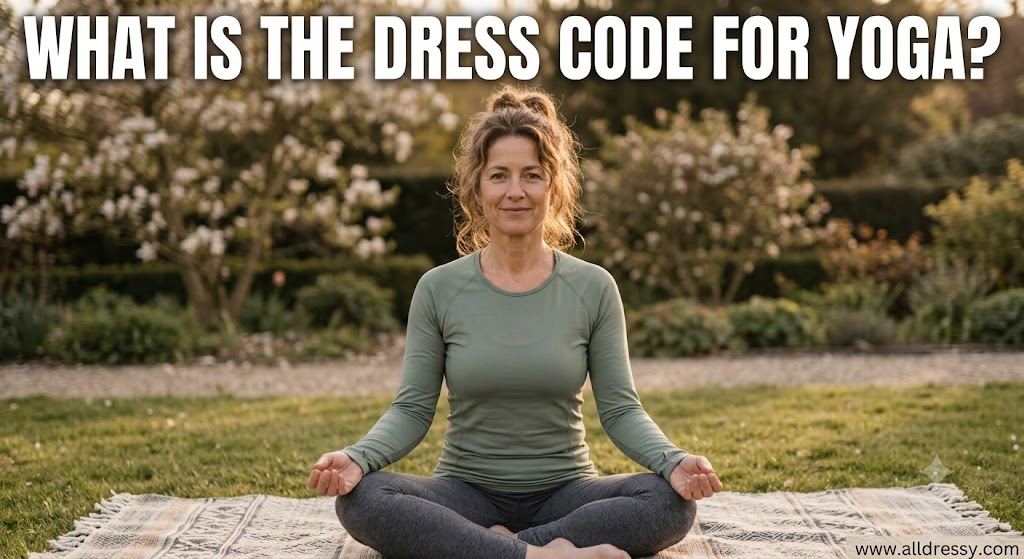
When evaluating what is the dress code for yoga, studios generally abide by four foundational pillars: flexibility, coverage during movement, temperature regulation, and studio mindfulness.
┌─────────────────────────────────────────────────────────────────┐
│                 FOUR PILLARS OF YOGA ATTIRE                      │
├─────────────────┬─────────────────┬─────────────┬───────────────┤
│   FLEXIBILITY   │    COVERAGE     │ THERMAL REG │ MINDFULNESS   │
│ 4-way stretch   │ Stays put in    │ Wicks sweat │ Silent, clean │
│ (10–20% spandex)│ inversions      │ & breathes  │ no metal tags │
└─────────────────┴─────────────────┴─────────────┴───────────────┘
1. Unrestricted Range of Motion
Yoga postures (asanas) require multidirectional movement—folding, twisting, arching, and inverting. Apparel must feature four-way stretch construction. Clothing that binds around the hips, shoulders, or knees hinders joint articulation and distorts posture alignment.
2. Functional Coverage & Inversion Protection
Because yoga involves inversion postures like Downward-Facing Dog (Adho Mukha Svanasana) or Shoulderstand (Sarvangasana), loose tops can slide over the face, and loose shorts can gap uncomfortably. A proper yoga outfit stays in place throughout transitions without constant manual adjustments.
3. Thermal and Moisture Management
Body temperature fluctuates depending on the style of practice. Dynamic flows generate internal heat and perspiration, demanding quick-drying, moisture-wicking textiles. Slow, restorative practices require thermal retention layers to keep muscles warm during passive holds.
4. Tactile and Visual Simplicity
Avoid outerwear with zippers, heavy metal clasps, thick seams, plastic toggles, or dangling drawstrings. Metal hardware digs painfully into the spine during floor postures like Cobra or Happy Baby. Furthermore, quiet, non-rustling fabrics prevent auditory distractions in quiet studio settings.
Fabric Science: Material Comparison for Yoga Apparel
Selecting the right textile is central to determining what is the dress code for yoga performance. The table below outlines how various performance fabrics function across different yoga disciplines.
| Fabric Type | Composition Highlights | Key Strengths | Limitations | Best Suited For |
| Nylon-Spandex Blends | 80–85% Nylon / 15–20% Spandex | Exceptional elasticity, soft hand-feel, high durability, fast drying | Can retain odor if not washed properly | Vinyasa, Power, Ashtanga, Bikram |
| Polyester-Spandex Blends | 82–88% Polyester / 12–18% Elastane | Superior moisture wicking, shrink-resistant, budget-friendly | Less soft than nylon; prone to pill over time | Hot Yoga, High-Sweat Flows |
| Bamboo Viscose | Natural cellulose fibers blended with elastane | Silky feel, naturally antibacterial, highly breathable, sustainable | Holds moisture longer than synthetics | Yin Yoga, Restorative, Gentle Hatha |
| Merino Wool (Lightweight) | Fine ultrafine wool blends | Temperature-regulating, odor-resistant, soft | Higher cost, delicate care requirements | Cold-weather practices, Meditation |
| 100% Pure Cotton | Heavy natural fiber | Soft, breathable when dry | Absorbs sweat, grows heavy, loses shape, slow dry | Light stretching, Casual Home Practice |
Synthetics vs. Natural Fibers
Synthetics (Nylon, Polyester, Elastane) reign supreme for high-intensity classes because they pull moisture away from the skin to the outer surface of the garment, where it quickly evaporates. High elastane/spandex content (at least 12–15%) ensures the material snaps back to its original shape rather than bagging at the knees or waistband.
Natural fibers like bamboo or light organic cotton work well for slow-paced, low-perspiration styles where skin breathability and soft tactile sensation take priority over heavy moisture evacuation.
Class-Specific Dress Codes: Tailoring Attire to the Discipline
Different yoga traditions and environments dictate distinct clothing choices. Aligning your wardrobe with the specific class style optimizes safety, comfort, and performance.
Hot Yoga / Bikram         Vinyasa / Power          Restorative / Yin
┌──────────────────┐      ┌──────────────────┐     ┌──────────────────┐
│ Lightweight Tops │      │ High-Waist Tights│     │ Soft Layers      │
│ Sweat-Wick Shorts│      │ Fitted Tank Top  │     │ Warm Socks/Sleeves│
│ Minimal Coverage │      │ High Elasticity  │     │ Cozy Sweaters    │
└──────────────────┘      └──────────────────┘     └──────────────────┘
1. Hot Yoga and Bikram Yoga
Hot yoga rooms are heated between 95°F and 105°F (35°C to 40°C) with high humidity.
- Top Choice: Sports bras with sweat-wicking properties or lightweight, minimalist crop tanks.
- Bottom Choice: High-waisted bike shorts or fitted 7/8 length moisture-wicking tights.
- Crucial Tip: Avoid heavy cotton tees or thick leggings. Wet cotton becomes heavy, clings to skin, restricts circulation, and causes severe chafing.
2. Vinyasa, Power, and Ashtanga Yoga
These dynamic, continuous movement flows involve rapid transitions between standing, balancing, and inverted postures.
- Top Choice: Form-fitting tank tops with built-in shelf bras or high-neck sports bras that stay snug when upside down.
- Bottom Choice: Full-length or Capri-length high-waisted leggings engineered with squat-proof (non-see-through) fabric.
- Crucial Tip: Check that leggings feature a stay-put waistband (preferably seamless or inner-grip) that does not roll down during forward folds.
3. Restorative, Yin, and Gentle Hatha Yoga
Slow-paced practices involve long holds (2 to 7 minutes per pose) with minimal movement, causing body temperature to drop over the hour.
- Top Choice: Layered apparel—a soft base tank topped with a long-sleeve bamboo or light fleece pullover.
- Bottom Choice: Relaxed-fit joggers, soft bamboo pants, or cozy studio trousers.
- Crucial Tip: Bring warm grip socks and a light sweater for the final relaxation pose (Savasana).
4. Iyengar and Alignment-Based Yoga
Iyengar yoga focuses heavily on precise anatomical alignment, often utilizing straps, blocks, and chairs.
- Top Choice: Well-fitted short-sleeve tees or tucked-in tanks.
- Bottom Choice: Fitted yoga shorts or form-fitting tights.
- Crucial Tip: Instructors need to visually inspect knee, hip, and ankle alignment. Overly baggy pants obscure anatomical landmarks, making it hard for teachers to offer safety corrections.
5. Aerial Yoga
Aerial yoga involves hanging from fabric hammocks suspended from the ceiling.
- Top Choice: Fitted long-sleeve tops or elbow-length shirts.
- Bottom Choice: Full-length tight leggings.
- Crucial Tip: Avoid tank tops and shorts. The silk hammock can cause friction burns on bare skin behind the knees and under the armpits. Zippered pockets, exposed metal hooks, and sharp jewelry are strictly forbidden as they snag and tear the delicate aerial fabrics.
Detailed Garment Guide: Tops, Bottoms, and Undergarments
Understanding what is the dress code for yoga requires examining each piece of the outfit individually to eliminate wardrobe malfunctions.
Yoga Tops & Tanks
A functional yoga top must remain in place regardless of orientation.
- Form-Fitting Tanks: The gold standard for dynamic yoga. Ensure the neckline provides comfortable coverage during forward bends without shifting.
- Tuckable Tees: If you prefer loose tees, select a longer cut that can be tucked into high-waisted leggings to keep it from falling toward your face during inversions.
- Built-in Shelf Bras: Convenient for low-to-medium impact styles, offering integrated support without extra straps.
Yoga Leggings, Pants, and Shorts
Bottoms are subject to maximum stretch during lunges, splits, and deep squats.
The Transparency “Squat Test”: Before heading to class, stand in front of a well-lit mirror, bend your knees, and fold into a deep squat. If the fabric thins out and reveals your skin or underwear pattern underneath, the material lacks sufficient thread density or elastane composition for yoga practice.
- High-Waisted Tights: Provide midsection support and prevent midback exposure during deep folds.
- Capris & 7/8 Leggings: Ideal for shorter stature or hotter climates where full-length tights feel overly warm.
- Yoga Shorts: Bike-style shorts (5-inch to 8-inch inseams) prevent inner-thigh chafing while staying fitted through movements. Loose running shorts can expose undergarments during wide-legged postures unless they feature a compression inner liner.
Sports Bras & Structural Support
Support requirements depend on bust size and practice intensity.
- Low-to-Medium Impact: Suitable for most yoga classes, as yoga involves minimal vertical bounce compared to running or HIIT.
- Flat-Back Design: Choose bras with racerback, crisscross, or flat strap configurations. Avoid bras with back metal clasps or thick hook-and-eye enclosures that press painfully into the spine when lying on your back.
- Seamless Bands: Wide, flat chest bands distribute pressure evenly without digging into the ribcage or restricting deep diaphragm breathing.
One-Piece Bodysuits and Unitards
Unitards and bodysuits have emerged as a streamlined, highly functional option in contemporary yoga fashion.
- Benefits: Eliminates waistbands entirely, removing friction points around the abdomen. Guarantees zero waist gap or top-riding issues during upside-down transitions.
- Considerations: Choose styles with supportive straps and high-stretch, opaque fabrics. Layering a light shirt or wrap over a bodysuit allows for easy temperature adjustment.
Undergarment Protocols
Undergarments are the unsung foundation of any comfortable yoga outfit.
- Fabric: Opt for synthetic, moisture-wicking materials (microfiber, nylon, fine mesh). Avoid heavy 100% cotton underwear, which bunches and holds sweat.
- Construction: Seamless edges or raw-cut hem thongs and bikinis prevent visible panty lines (VPL) and eliminate skin chafing along the hip flexors.
- Fit: Ensure leg openings sit flat without pinching into sensitive areas during wide straddle stretches.
Gender-Specific Guidelines
While the core principles of comfort, stretch, and coverage apply universally, specific garment configurations cater to different body structures.
FOR WOMEN                       FOR MEN                         FOR ALL / NON-BINARY
├── High-Waist Tights           ├── Lined Athletic Shorts       ├── Form-fitting Tanks
├── Fitted Tank / Crop Top      ├── Moisture-Wick Crew Tee      ├── High-Stretch Joggers
└── Flat-Strap Sports Bra       └── Compression Under-Layer     └── Seamless Base Layers
Options for Women
- Primary Ensemble: High-waisted compression leggings combined with a sweat-wicking sports bra or fitted tank.
- Layering: Light crop jackets or long-sleeve wraps for pre-class warmups and post-class cool-downs.
- Coverage Adjustments: For extra coverage during deep stretches, high-neck fitted tanks prevent sagging chestlines.
Options for Men
- Bottoms: Lined athletic shorts (typically 7-inch to 9-inch inseams) or fitted stretch joggers. If wearing unlined, loose shorts, always wear compression shorts underneath to ensure modesty during leg lifts and inversions.
- Tops: Fitted moisture-wicking tees, athletic tanks, or sleeveless performance shirts. Going shirtless is common in hot yoga studios, but check individual studio policy beforehand.
- Fit Tip: Choose shorts with flat drawstrings that tie flat against the waistband so they don’t dig into the navel during lie-down poses.
Gender-Neutral and Adaptive Attire
- Loose-Fit Performance Pants: Tapered jogger pants made from lightweight performance elastane blends provide ample freedom without loose fabric around the ankles.
- Unisex Tops: Soft, stretch athletic tees cut straight through the torso offer clean coverage for all body shapes.
Footwear, Accessories, and Personal Grooming Rules
Addressing what is the dress code for yoga involves more than just pants and shirts—footwear and personal accessories follow distinct guidelines.
The Barefoot Standard
Yoga is traditionally and practically practiced barefoot. Going barefoot allows the toes to spread wide, engaging the intrinsic muscles of the feet to establish grounding, balance, and tactile connection with the mat.
- Studio Etiquette: Remove shoes and street socks immediately upon entering the designated studio area or lobby cubbies.
- Pedicure & Foot Hygiene: Ensure feet are clean and toenails are trimmed short to prevent catching on the mat or scratching adjacent mats in tight quarters.
Grip Socks: When Shoes/Bare Feet Aren’t Ideal
For practitioners who prefer foot coverage due to personal preference, cold studios, or hygiene concerns, standard socks are unsafe because they slip easily on mats.
- Solution: Wear specialized yoga grip socks featuring silicone or rubberized tread patterns across the sole. Five-toe grip socks allow natural toe articulation while providing traction.
Hair Management & Accessories
Uncontrolled hair distracts from movement during rapid vinyasas.
- Hair Ties & Headbands: Secure long hair in low buns, side braids, or soft fabric headbands. High ponytails can interfere with lying flat on your back during Savasana or floor work.
- Jewelry Policy: Remove drop earrings, long necklaces, rings with raised stones, and wrist watches. Necklaces dangle into the face during forward folds, long rings tear mats, and watches restrict wrist extension during planks.
Studio Etiquette: Unwritten Rules of Yoga Attire
Beyond pure mechanics, what is the dress code for yoga encompasses respectful studio etiquette and community consideration.
┌──────────────────────────────────────────────────────────────┐
│                    STUDIO ETIQUETTE CHECK                    │
├──────────────────────────────────────────────────────────────┤
│  [✓] Zero Fragrances / Perfumes / Scented Oils               │
│  [✓] Clean, Freshly Laundered Garments (No Odor Build-up)    │
│  [✓] Silent Fabrics (No Swishing, Rustling, or Hard Metal)   │
│  [✓] Appropriate Coverage (Squat-Tested Non-Transparent)     │
└──────────────────────────────────────────────────────────────┘
1. Fragrance-Free Zone
Yoga emphasizes deep pranayama (breathwork). Strong perfumes, colognes, heavily scented body lotions, and essential oils become amplified in a warm room, triggering respiratory irritation or allergies in fellow practitioners. Stick to unscented deodorants.
2. Garment Hygiene & Synthetic Care
Synthetic performance fabrics like polyester and nylon are susceptible to trapping bacteria over time if not washed correctly.
- Wash Protocol: Wash yoga clothes promptly after sweating. Avoid fabric softeners, which coat performance fibers with a waxy film that destroys moisture-wicking capabilities and locks in odor-causing bacteria.
- Freshness Check: Before wearing workout clothes, ensure they smell fresh when dry. Synthetic garments that smell fine cold can release trapped body odor as soon as body heat warms up the fabric.
3. Visual Modesty and Spatial Awareness
While self-expression is encouraged, yoga studios are shared spaces focused on internal awareness. Check attire in dynamic movements to ensure undergarments remain covered and sheer fabrics do not reveal more than intended under bright studio lights or heavy sweat.
Troubleshooting Checklist for Common Attire Issues
Use this quick diagnostic table to fix wardrobe issues before stepping onto your mat.
                  ┌───────────────────────────────┐
                  │ COMMON OUTFIT TROUBLESHOOTING │
                  └───────────────┬───────────────┘
                                  │
      ┌───────────────────────────┼───────────────────────────┐
      ▼                           ▼                           ▼
Waistband Rolls             Shirt In Face              Slipping On Mat
  • Switch to higher rise     • Choose fitted tanks      • Go barefoot
  • Increase elastane %       • Tuck hem into tights     • Use grip socks
  • Avoid seamless bands      • Pick high-neck cuts      • Wipe mat down
| Symptom | Primary Cause | Immediate Solution | Long-Term Fix |
| Waistband rolls down during forward folds | Waistband is too loose, lacks internal elastic, or rise is too low. | Tuck your top in to create friction; tie inner drawstrings if available. | Switch to high-waisted seamless leggings with an elastane content above 15%. |
| Shirt falls into face during inversions | Top is too loose, wide at the hem, or un-tucked. | Tuck the front hem into your waistband prior to starting inversions. | Buy form-fitting tank tops, crop tops, or bodysuits. |
| Hands/feet slipping on mat surface | Sweat build-up, smooth socks, or low-grip mat texture. | Remove standard socks; place a microfiber yoga towel across the top of your mat. | Wear specialized rubberized grip socks or invest in a polyurethane/open-cell rubber mat. |
| Severe inner thigh chafing | Loose shorts riding up, or wet cotton fabric rubbing skin. | Apply anti-chafing balm to inner thighs prior to class. | Wear longer fitted bike shorts (7-inch inseam) or full synthetic tights. |
| Fabric turns transparent when bending | Material is stretched beyond its density limits or thinned from wear. | Layer a long top or tie a light studio shirt around your waist during class. | Replace thin leggings with heavy knit nylon-spandex fabrics that pass the “Squat Test.” |
Frequently Asked Questions
What should a beginner wear to their first yoga class?
For your first class, keep it simple with a pair of high-waisted, form-fitting leggings or athletic shorts, paired with a fitted tank top or T-shirt that can be tucked in. Make sure the clothing stretches easily and isn’t see-through. You do not need specialized gear right away—just comfortable, breathable workout clothes that stay in place when you bend over.
Can I wear normal cotton clothes to yoga?
While 100% cotton is soft and breathable for low-intensity, restorative practices, it is generally not recommended for active flow or hot yoga classes. Cotton absorbs sweat without drying quickly, making garments heavy, damp, saggy, and prone to causing skin chafing during repetitive movements.
Do I need to wear shoes or socks during yoga?
No. Yoga is traditionally practiced barefoot to allow your feet to grip the mat, spread your toes, and establish stable balance. If you prefer not to go barefoot due to cold temperatures or personal comfort, wear specialized yoga grip socks featuring rubberized treads on the soles—standard socks will cause you to slip on the mat.
Is there a specific dress code for hot yoga versus regular yoga?
Yes. Hot yoga rooms are heated up to 105°F (40°C), making sweat management essential. Dress in minimal, lightweight, and highly moisture-wicking apparel, such as sports bras, fitted crop tanks, and high-waisted bike shorts or 7/8 performance leggings. Avoid loose pants, heavy cotton, or long sleeves, which trap heat and moisture.
What should men wear to a yoga class?
Men typically wear athletic shorts (with a 7-inch to 9-inch inseam) over a pair of compression shorts to ensure modest coverage during inversion poses. For tops, a fitted, sweat-wicking T-shirt or athletic tank top works best. In hot yoga, many men choose to go shirtless if studio rules permit.
Why shouldn’t I wear clothing with zippers or buttons to yoga?
Zippers, metal clasps, thick plastic toggles, and buttons can press painfully into your spine, ribs, or stomach when performing floor poses like Cobra or lying on your back for relaxation (Savasana). Additionally, sharp hardware can catch on and tear your yoga mat.
Conclusion
Understanding what is the dress code for yoga ultimately comes down to balancing functional performance with studio mindfulness. Rather than following rigid fashion rules, ideal yoga attire prioritizes unrestricted movement, proper moisture management, dynamic coverage during inversions, and quiet comfort. By selecting the right high-stretch performance fabrics, tailored silhouettes for your specific style of practice, and mindful undergarments, you eliminate the distraction of shifting waistbands and overheating. Ultimately, the best yoga outfit is one you don’t have to think about once you step onto your mat, allowing you to focus entirely on your breath, alignment, and practice.