
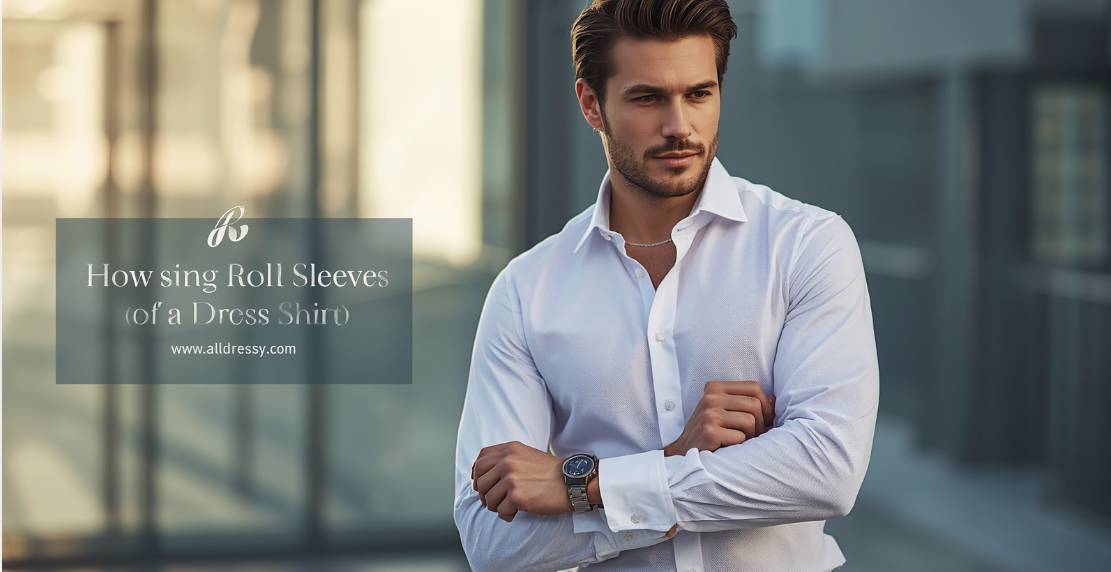
Rolling up your sleeves is one of the easiest ways to transform your appearance while staying comfortable. Whether you’re heading into a business casual meeting, working at your desk, attending an outdoor event, or simply trying to beat the heat, knowing how to roll sleeves dress shirt properly can make a significant difference in both style and functionality.
A well-executed sleeve roll creates a polished yet relaxed appearance, while a sloppy roll can make even the most expensive dress shirt look untidy. The right rolling technique depends on the occasion, sleeve length, fabric type, and the look you want to achieve. This comprehensive guide covers everything you need to know about how to roll sleeves dress shirt, from classic methods to professional styling tips, common mistakes, fabric considerations, and maintenance advice.
Why Learning How to Roll Sleeves Dress Shirt Matters
Rolling sleeves is more than just pushing fabric up your arms. It serves several practical and style purposes.
Improves Comfort
Rolling sleeves helps regulate body temperature during warm weather or physically demanding tasks.
Creates a Relaxed Style
A neatly rolled sleeve instantly makes formal attire look approachable without sacrificing elegance.
Protects Shirt Cuffs
Keeping cuffs away from water, food, paint, or machinery reduces stains and wear.
Increases Mobility
Many professionals roll sleeves while working because it allows better arm movement.
Adds Personal Style
Different rolling techniques create different impressions, ranging from business casual to rugged and masculine.
Understanding Dress Shirt Sleeve Construction
Before learning how to roll sleeves dress shirt, it’s important to understand sleeve design.
A dress shirt sleeve usually consists of:
- Barrel cuff
- French cuff (double cuff)
- Sleeve placket
- Sleeve seam
- Button closure
Each component affects how easily sleeves roll and stay in place.
Best Times to Roll Dress Shirt Sleeves
Knowing when to roll sleeves is just as important as knowing how.
Good situations include:
- Business casual workplaces
- Outdoor weddings
- Summer events
- Working in the office
- Home projects
- Casual dinners
- Traveling
- Gardening
- Creative workplaces
- Weekend outings
Avoid rolling sleeves during:
- Black tie events
- Formal business meetings
- Job interviews
- Luxury dining experiences
- Court appearances
- Traditional ceremonies requiring full formal attire
Choosing the Right Sleeve Roll
There isn’t one perfect method. Different occasions call for different styles.
Popular sleeve rolls include:
- Classic Roll
- Master Roll
- Italian Roll
- High Forearm Roll
- Casual Push-Up Roll
- Military Roll
Each offers unique advantages.
How to Roll Sleeves Dress Shirt Using the Classic Roll
The Classic Roll is the easiest and most versatile technique.
Step 1
Unbutton the cuff.
Step 2
Unbutton the sleeve placket.
Step 3
Flip the cuff upward.
Step 4
Fold the sleeve evenly.
Step 5
Continue rolling until reaching below the elbow.
Step 6
Smooth wrinkles.
Best For
- Office wear
- Everyday business casual
- Beginners
How to Roll Sleeves Dress Shirt Using the Master Roll
Many style experts consider this the most attractive sleeve roll.
Step 1
Undo cuff buttons.
Step 2
Flip the cuff inside out almost to the elbow.
Step 3
Fold the lower sleeve upward once or twice.
Step 4
Leave part of the cuff exposed.
This creates depth and visual contrast.
Advantages
- Very secure
- Elegant appearance
- Doesn’t easily unravel
- Works well with thicker fabrics
The Italian Sleeve Roll
The Italian Roll has become popular because it looks effortless.
Steps include:
- Open cuff
- Fold sleeve inside out
- Roll twice
- Keep part of cuff visible
The result appears stylish without looking overly formal.
High Forearm Roll
This roll is designed for physical activity.
Benefits include:
- Maximum arm movement
- Excellent cooling
- Great for manual work
- Keeps sleeves away from dirt
This style sits above the elbow.
Casual Push-Up Method
Instead of folding precisely, simply push the sleeves upward.
Advantages:
- Fast
- Relaxed
- Modern
- Great for lightweight shirts
However, it may loosen throughout the day.
Military Sleeve Roll
Military personnel often use this method because it stays secure.
Steps include:
- Fold fabric inward
- Roll tightly
- Keep edges even
- Secure tension throughout
This roll rarely slips.
How High Should You Roll Sleeves?
This depends on the occasion.
Just Below the Elbow
Best for:
- Offices
- Meetings
- Business casual
At the Elbow
Ideal for:
- Smart casual
- Travel
- Lunch meetings
Above the Elbow
Perfect for:
- Outdoor work
- Gardening
- Heavy lifting
- Painting
Best Fabrics for Rolling Sleeves
Different fabrics behave differently.
Cotton
The easiest material to roll.
Benefits:
- Holds folds well
- Comfortable
- Breathable
Oxford Cloth
Excellent for sleeve rolling because it’s slightly thicker.
Advantages:
- Stays rolled
- Wrinkle resistant
- Durable
Linen
Perfect for hot weather.
Challenges:
- Wrinkles easily
- Rolls loosen faster
Poplin
Very lightweight.
Best for:
- Office wear
- Summer
May require tighter folds.
Twill
A premium fabric that rolls beautifully.
Features:
- Soft
- Durable
- Maintains shape
How Shirt Fit Affects Sleeve Rolling
Slim Fit
Produces cleaner rolls because there’s less excess fabric.
Regular Fit
Offers comfortable movement.
Relaxed Fit
Requires tighter folding to prevent slipping.
Should the Cuff Show?
Showing part of the cuff creates contrast.
Many menswear experts recommend exposing around one inch of cuff when using the Master Roll.
This creates a sophisticated appearance.
Common Mistakes When Learning How to Roll Sleeves Dress Shirt
Uneven Rolls
Crooked folds immediately look sloppy.
Always keep both sleeves symmetrical.
Rolling Too Tight
Very tight rolls reduce circulation and become uncomfortable.
Rolling Too Loose
Loose folds quickly unravel.
Ignoring Wrinkles
Smooth each fold before continuing.
Leaving Buttons Closed
Always unbutton cuffs before rolling.
Different Sleeve Heights
One sleeve higher than the other looks careless.
Matching Sleeve Rolls with Different Dress Codes
Business Casual
Choose:
- Classic Roll
- Master Roll
Avoid rolling above elbows.
Smart Casual
Italian Roll works perfectly.
Casual
Almost any style works.
Outdoor Events
High Forearm Roll offers maximum comfort.
Accessories That Complement Rolled Sleeves
Rolled sleeves pair well with:
- Leather watches
- Minimal bracelets
- Wedding bands
- Simple cuff accessories
Avoid oversized accessories that interfere with sleeve folds.
Seasonal Tips for Rolling Sleeves
Summer
Choose lightweight cotton or linen.
Roll above elbows if necessary.
Spring
The Classic Roll offers flexibility.
Autumn
Roll only during warmer afternoons.
Winter
Generally keep sleeves down unless indoors.
Rolling Sleeves Without Wrinkling the Shirt
Follow these practices:
- Iron shirt first
- Fold evenly
- Avoid twisting
- Smooth after each fold
- Do not over-tighten
Can You Roll French Cuff Dress Shirts?
Yes, but carefully.
French cuffs create more bulk.
Recommended approach:
- Remove cufflinks
- Fold carefully
- Use wider folds
- Stop below elbow
Some formal shirts simply look better with sleeves fully extended.
How to Keep Rolled Sleeves from Falling Down
Many people struggle with sleeves loosening throughout the day.
Solutions include:
- Make tighter folds
- Choose thicker fabrics
- Keep folds even
- Roll with consistent tension
- Avoid overstretching sleeves
Rolling Sleeves for Different Body Types
Muscular Arms
Use wider rolls.
Avoid extremely tight folds.
Slim Arms
Smaller, tighter rolls create balance.
Tall Individuals
Roll slightly higher to maintain proportion.
Short Individuals
Avoid oversized rolls that overwhelm your frame.
Professional Styling Tips
To master how to roll sleeves dress shirt, pay attention to small details.
Professional stylists recommend:
- Keep both sleeves identical.
- Stop at the same height.
- Pair rolled sleeves with neatly tucked shirts for business casual settings.
- Untuck only in relaxed environments.
- Iron sleeves before rolling.
- Match your sleeve style with your footwear and belt for a cohesive appearance.
- Avoid rolling sleeves on heavily wrinkled shirts.
- Adjust rolls during the day if they loosen.
Caring for Dress Shirts After Rolling Sleeves
Repeated rolling can create temporary creases, but proper care keeps shirts looking their best.
Wash Properly
Follow the garment care label and use an appropriate wash cycle for the fabric.
Iron the Sleeves
Ironing removes fold lines left by rolled sleeves and restores a crisp appearance.
Store Correctly
Hang dress shirts on quality hangers instead of folding them for long periods.
Avoid Overstretching
Do not force tight rolls on fitted shirts, as this may stress the seams and cuffs over time.
Rotate Your Shirts
Wearing different shirts throughout the week reduces wear on individual garments and helps them last longer.
FAQs
How many times should I fold my dress shirt sleeves?
The number of folds depends on your sleeve length and the look you want. Most dress shirts require two to four folds to reach just below or above the elbow. Aim for even, symmetrical folds on both sleeves for a polished appearance.
What is the best way to roll sleeves on a dress shirt?
The Master Roll is widely considered the best method because it stays in place, looks neat, and leaves part of the cuff visible for added style. The Classic Roll is another excellent option for business casual settings and everyday wear.
Can I roll up my sleeves for a business meeting?
It depends on the level of formality. For business casual meetings, neatly rolled sleeves are usually acceptable. For formal meetings, client presentations, interviews, or executive boardrooms, it’s generally better to keep your sleeves fully buttoned.
Should rolled sleeves be above or below the elbow?
For most occasions, sleeves should stop just below the elbow. If you’re doing physical work or spending time outdoors in hot weather, rolling them just above the elbow provides better comfort and mobility.
Do rolled sleeves make you look more stylish?
Yes. Properly rolled sleeves create a relaxed yet confident appearance. They can make a dress shirt look more modern while highlighting your forearms and giving your outfit a balanced, effortless style.
How do I keep my rolled sleeves from falling down?
To prevent sleeves from slipping:
- Roll with even tension.
- Make smooth, consistent folds.
- Choose thicker fabrics like Oxford cloth or twill.
- Avoid overly loose rolls.
- Re-adjust the roll if it loosens during the day.
Can you roll sleeves on a slim-fit dress shirt?
Yes. Slim-fit dress shirts often hold rolled sleeves better because there is less excess fabric. Be careful not to roll them too tightly, as this can feel restrictive around the forearms.
Is it okay to roll sleeves on a French cuff shirt?
You can, but it requires removing the cufflinks first. French cuffs create more bulk, so use wider folds and avoid rolling too high. For highly formal occasions, it’s usually best to leave French cuff sleeves unrolled.
Which fabrics hold rolled sleeves the best?
Oxford cloth, twill, and medium-weight cotton are excellent choices because they maintain their shape well. Linen and lightweight poplin can also be rolled but may loosen or wrinkle more quickly.
Can rolled sleeves damage a dress shirt?
Not if done properly. Rolling sleeves gently and avoiding excessive tightness will not harm the fabric. Regular ironing and proper storage will help prevent permanent creases and extend the life of your dress shirt.
Conclusion
Learning how to roll sleeves dress shirt is a simple skill that can dramatically improve both your comfort and your overall appearance. Whether you choose the Classic Roll for a clean business casual look, the Master Roll for a refined style, or a higher roll for practical tasks, the key is to create neat, even folds that stay in place throughout the day. Matching the rolling technique to the occasion, selecting the right fabric, and paying attention to small details such as symmetry and cuff placement will ensure your outfit always looks intentional and polished. With consistent practice, rolling your dress shirt sleeves will become second nature, allowing you to transition effortlessly between formal, professional, and casual settings while maintaining a sharp, confident style.