
There is perhaps no garment in the history of fashion that carries the cultural weight, sartorial authority, and sheer versatility of the Little Black Dress (LBD). In 1926, when Coco Chanel debuted a simple, calf-length black crepe de Chine shift dress in American Vogue, the publication famously dubbed it “Chanel’s Ford.” Like the Model T car, it was designed to be simple, accessible, and universally functional for women of all social classes. Over a century later, that design philosophy remains unshakeable. The LBD is not merely an item of clothing; it is a blank canvas that strips away aesthetic noise, transferring pure, undeniable focus onto the presence of the wearer.
Yet, despite its legendary status as a safety-net garment, understanding exactly how to wear a little black dress in the contemporary fashion landscape requires precise, strategic execution. Because a black dress lacks color or pattern to distract the eye, its success relies entirely on structural fit, material chemistry, visual weight orchestration, and the architecture of your accessories. When styled haphazardly, an LBD can look unremarkable or disappear into the background. When styled with deliberate intent, it becomes an unshakeable statement of quiet confidence, command, and refined glamour. This comprehensive masterclass moves past superficial fashion cliches to reveal the precise formulas, textile breakdowns, and structural techniques required to wear a little black dress across every dress code.
The Fit and Silhouette Taxonomy: Selecting Your Ultimate Base Canvas
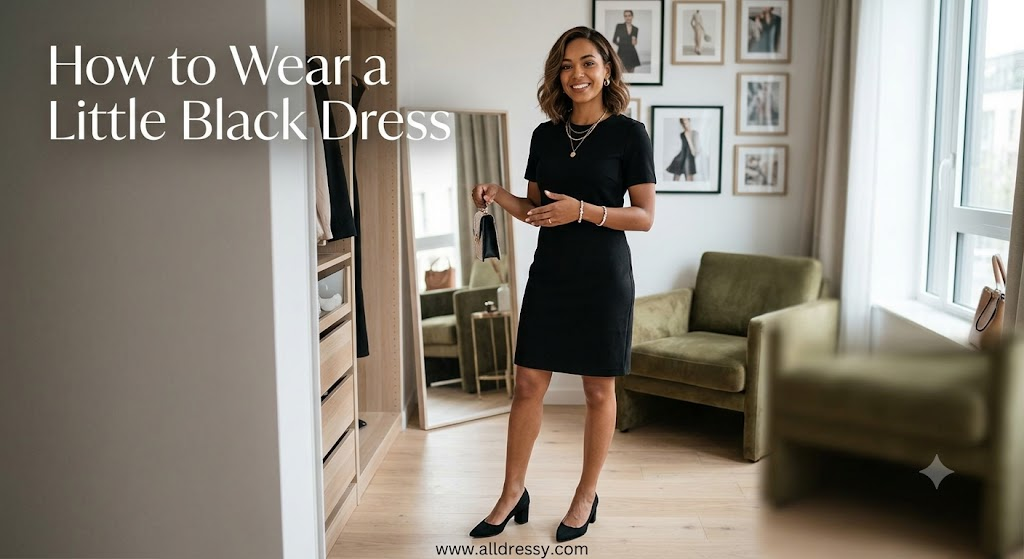
To master the art of styling, you must first ensure that the physical structure of your little black dress matches your bodily proportions and the style identity you want to project. Because black absorbs light, the external silhouette of the dress acts as a crisp geometric frame against your environment.
1. The Tailored Sheath and Shift
Characterized by clean, straight lines that drop directly from the shoulders or gently contour the waist, the sheath and shift silhouettes represent the ultimate corporate and formal baseline. The sheath is traditionally more fitted and nipped at the natural waistline, while the shift drops in a continuous column.
- The Vibe: Authoritative, traditional, and sleek.
- Best For: Boardrooms, high-level corporate networking, and academic environments.
2. The Architectural A-Line and Fit-and-Flare
Featuring a structured bodice that cinches at the smallest part of the waist before flaring outward toward the hem, the A-line profile creates an elegant, balanced hourglass silhouette.
- The Vibe: Romantic, classical, and highly dynamic in motion.
- Best For: Cocktail parties, daytime weddings, and celebratory brunches.
3. The Minimalist Silk or Satin Slip
Borrowing design notes from traditional boudoir wear, the slip dress features thin spaghetti straps and a fluid, bias-cut fabric construction that skims along the natural curves of the body.
- The Vibe: Slinky, effortless, and modern.
- Best For: Late-night dinner dates, gallery openings, and high-fashion street-style layering.
4. The Structured Knit or Turtleneck Sweater Dress
Constructed from dense, opaque yarns like merino wool, ribbed cotton, or cashmere blends, the knit LBD provides immediate texture, warmth, and physical substance.
- The Vibe: Cozy, intellectual, and utilitarian.
- Best For: Autumnal transitions, winter workplace styling, and off-duty weekend wear.
The Textile Matrix: Understanding Fabric Personalities and Light Interaction
A critical mistake when learning how to wear a little black dress is ignoring the textile composition. Because black garments rely entirely on texture to create depth, the fabric you choose dictates how the dress catches the light and interacts with surrounding pieces.
Textile Light Interaction Matrix:
┌──────────────────────────────┼──────────────────────────────┼──────────────────────────────┐
│     High-Reflective (Satin)  │    Absorptive (Velvet/Wool)  │    Dimensional (Lace/Mesh)   │
├──────────────────────────────┼──────────────────────────────┼──────────────────────────────┤
│ • Bounces light completely   │ • Drinks light entirely      │ • Filters light via negative │
│ • Projects luxury & evening  │ • Projects depth & opulence  │   space                      │
│ • Pair with matte outerwear  │ • Pair with metallic accents │ • Pair with clean solids     │
└──────────────────────────────┴──────────────────────────────┴──────────────────────────────┘
High-Reflective Fabrics: Silk, Satin, and Patent Leather
Satin and silk surfaces bounce light across their contours, making them look highly dynamic and liquid-like. These fabrics naturally feel luxurious and formal, making them the default choice for evening wear. When wearing a highly reflective black dress, balance the outfit by choosing matte accessories—like soft suede heels or a brushed leather handbag—to keep the shine focused entirely on the dress.
Low-Reflective, Absorptive Fabrics: Velvet, Crepe, and Dense Wool
Heavy velvet and tightly woven wool crepe absorb light entirely, creating an incredibly deep, rich black shade. These fabrics are exceptional at concealing undergarment lines and providing structure. Because absorptive fabrics can look heavy on their own, they require high-contrast metallic accents—like polished gold jewelry, silver hardware, or gemstone embellishments—to inject life and energy into the ensemble.
Dimensional Fabrics: Lace, Mesh, Crochet, and Tulle
These materials use negative space and transparency to create a layered, multi-dimensional look. A black lace or mesh dress reveals hints of skin or base layers underneath, breaking up the solid block of dark color. These dresses function best when kept simple; avoid busy, over-accessorized layers and let the intricate pattern of the fabric stand as the primary focal point.
Proportional Harmony: Calibrating Hemlines to Footwear Weights
The spatial relationship between the bottom hem of your little black dress and the structure of your footwear dictates your overall visual height and bodily proportions. Manipulating this gap allows you to effortlessly dress an LBD up or down.
Proportional Balance Blueprint:
    [Mini Length LBD]  ──> Pair with: Heavy Lug-Sole Boots or Chunky Platform Loafers
                                   (Balances exposed leg with grounded visual weight)

    [Midi Length LBD]  ──> Pair with: Low-Profile Pointed Pumps or Sleek Slingbacks
                                   (Maximizes bare skin below calf to elongate frame)
1. The Mini Dress Balance
A short mini dress exposes a significant amount of leg, which can look top-heavy if paired with ultra-flimsy footwear. To anchor a mini LBD, pair it with shoes that carry substantial visual weight—such as chunky leather loafers, platform heels, or knee-high leather boots. The structural weight at your feet balances the short hemline, making the overall outfit look intentional, contemporary, and grounded.
2. The Midi Dress Calibration
Midi hemlines land precisely between the knee and the lower calf—the widest section of the leg. To prevent this length from visually shortening your frame, always pair a midi little black dress with low-profile footwear that exposes the ankle or foot arch. Pointed-toe pumps, low-slung slingbacks, or minimalist strappy sandals extend the line of the foot, ensuring you look tall, lean, and balanced.
3. The Maxi and Column Dress Flow
A long maxi or column LBD creates an uninterrupted, tall block of dark fabric. To keep this silhouette from looking restrictive or heavy, ensure the dress features a functional walking slit or an asymmetrical hemline to introduce light and movement. Pair it with a structural kitten heel or an architectural wedge to cleanly lift the fabric off the floor.
The Layering Matrix: Mastering the “Third-Piece Rule” with Black
The quickest way to transition a little black dress through different seasons and dress codes is by mastering the “Third-Piece Rule.” This concept states that adding a third structural layer over a foundational piece transforms a basic outfit into a complete, curated look.
The Structured Blazer: Corporate Authority
To transition a sleeveless or simple sheath LBD into a powerful office ensemble, layer a sharp, structured blazer over top.
- The Color Strategy: Avoid pairing a basic black blazer with a black dress unless the fabrics match perfectly or offer a clear texture contrast (such as a matte wool blazer over a glossy satin slip dress). Instead, opt for a contrasting blazer in glen plaid, houndstooth, tailored ivory, or deep olive. This creates a distinct visual frame around your core, focusing attention on your professional silhouette.
The Leather or Suede Jacket: Edgy Street-Style Juxtaposition
If you want to strip away the inherent formality of a little black dress for a casual weekend look, layer an oversized black leather moto jacket or a rich brown suede blazer over your shoulders. The heavy, rugged texture of leather contrasts beautifully against delicate dress fabrics like silk or cotton jersey, creating a cool, done-but-undone aesthetic.
The Sweeping Maxi Trench: Dramatic Proportions
For transition seasons, layer a long, sweeping trench coat or double-faced wool coat directly over a mini or midi LBD. Ensure the coat is equal to or longer than the length of the dress hem. When you walk, the coat flows open to reveal the clean, dark line of the dress underneath, creating a high-fashion, elongated look.
The Accessorizing System: Transforming a Blank Canvas
When determining how to wear a little black dress, your accessories function as the architectural details that define the outfit’s destination. Because black is highly accommodating, it allows you to experiment with bold jewelry, belts, and eyewear styles.
1. The Metallic and Pearl Framework
- The Classical Approach: For an upscale, timeless look inspired by Audrey Hepburn, accessorize a high-neckline black sheath dress with a multi-layered strand of high-luster freshwater pearls. Ensure you wear matching pearl stud earrings to pull the focus back up toward your face.
- The Contemporary Metal Framework: If pearls feel too traditional, choose heavy, sculptural metallics. Pair a minimalist LBD with thick gold hoop earrings, a chunky silver cuff bracelet, or a bold liquid-metal choker. Keep the metals consistent across your earrings, watch, and bag hardware to ensure the final look is cohesive and polished.
2. Defining Shape with Architectural Belts
If your little black dress feels too loose or column-like, use a structural belt to cinch your waist and add visual interest.
- The Hardware Statement: A wide leather belt featuring an oversized metallic geometric buckle creates an instant focal point that breaks up the solid expanse of black fabric.
- The Tonal Texture: For a more subtle look, use a black patent leather belt over a matte knit dress. The difference in shine provides a sophisticated texture contrast without disrupting the monochromatic flow of the outfit.
3. Hosiery and Tights: Dramatic Depth Changes
Hosiery allows you to radically transform the mood of a little black dress while adding warmth during colder months.
- Sheer Black Stockings (10–20 Denier): Sheer black tights add an instant layer of evening elegance and classic sophistication to mini and knee-length dresses, creating a beautifully shaded leg line.
- Patterned and Fishnet Hosiery: Introduce a modern, slightly rebellious element by pairing a simple, unadorned LBD with subtle polka-dot tights, houndstooth hosiery, or classic fishnets. Keep your footwear simple to let the patterned tights serve as the outfit’s primary detail.
- Opaque White Tights: For a bold, trend-forward mod aesthetic, pair a structured black shift mini dress with thick opaque white tights and black patent leather ballet flats.
Destination Styling Blueprints: Concrete Outfit Formulations
To ensure flawless execution, here are four step-by-step outfit templates designed for specific style environments.
Blueprint 1: The High-Stakes Boardroom
- The Base Canvas: A thick, premium Ponté knit or wool crepe sheath dress that hits right at the bottom of the kneecap, featuring a modest boatneck neckline.
- The Third Layer: A tailored, single-breasted blazer in cream or dark houndstooth with structured shoulders.
- The Footwear: Pointed-toe leather block heels (2 inches) in deep burgundy or classic black.
- The Finishes: A structural leather laptop tote bag, a classic gold wristwatch, and small pearl earrings.
Blueprint 2: The Casual Weekend Commute
- The Base Canvas: A comfortable, relaxed cotton jersey or ribbed knit midi black dress with short or long sleeves.
- The Third Layer: An oversized, washed denim jacket or a rugged utility jacket left completely open.
- The Footwear: Clean, low-top white leather lifestyle tennis shoes paired with hidden no-show socks.
- The Finishes: A leather crossbody saddle bag, a canvas baseball cap, and oversized black polarized sunglasses.
Blueprint 3: The Elevated Cocktail Party
- The Base Canvas: A sophisticated satin midi dress with an asymmetrical neckline or a classic slip profile.
- The Third Layer: A plush faux-fur car coat or a tailored tuxedo jacket draped casually over your shoulders rather than worn through the sleeves.
- The Footwear: Minimalist, metallic gold or silver strappy stiletto sandals.
- The Finishes: A hard-shell metallic clutch bag, bold sculptural chandelier earrings, and a classic red lip.
Blueprint 4: The Modern Creative Office
- The Base Canvas: A long-sleeved, tiered cotton poplin or a pleated black A-line shirt dress.
- The Third Layer: A longline tailored sleeveless vest in a rich camel tone.
- The Footwear: High-shine black patent leather chunky loafers paired with sheer black ankle socks.
- The Finishes: A structured geometric top-handle bag and chunky silver chain jewelry.
Frequently Asked Questions (FAQs)
How do I prevent a little black dress from showing lint, pet hair, and dust?
Because dark fabrics naturally highlight light-colored debris, an LBD can quickly look untidy if it picks up lint or pet hair. To minimize this, choose fabrics less prone to static attraction, such as 100% silk, wool crepe, or high-quality rayon blends, and avoid cheap synthetics like low-grade polyester. Spraying your dress with an anti-static shield before wearing it will prevent debris from clinging to the fibers. Always keep a compact lint roller in your handbag for quick, on-the-go touch-ups.
Can I wear a little black dress to a summer wedding?
Yes, you can absolutely wear an LBD to a summer wedding, provided the silhouette, fabric, and styling reflect a celebratory, warm-weather vibe. Opt for breathable, lightweight textiles like silk chiffon, cotton eyelet, or linen-viscose blends. To offset the somber nature of a solid black garment, accessorize with vibrant colors or metallic tones—such as strappy gold sandals, a colorful woven clutch, and playful statement jewelry. Avoid heavy velvets or stiff corporate sheath silhouettes, which will look out of place.
Is it acceptable to pair navy blue or brown accessories with a black dress?
Yes. The old fashion rule stating that black should never be paired with navy blue or brown is entirely outdated. In modern styling, combining black with rich chocolate brown, camel, or deep navy creates an incredibly sophisticated, luxury color palette. When executing this combination, make sure the contrast is intentional: pair a matte black knit dress with a wide cognac leather belt and matching cognac boots, or drape a structural navy blazer over a black silk slip dress.
How often should I wash my little black dress to maintain its deep color?
To keep your LBD from fading into a dull charcoal gray, wash it as infrequently as possible. If the dress isn’t stained or holding onto odors, hanging it in an open space with good air circulation after a night out is usually enough to refresh it. When it does require cleaning, wash it inside out in cold water on a delicate cycle using a specialized dark-laundry liquid detergent. Avoid the heat of a tumble dryer completely, as it bakes out the color and damages delicate fibers; instead, lay it flat or hang it to air-dry.
Conclusion
The enduring legacy of the little black dress lies in its unique ability to remain a timeless classic while shifting seamlessly to accommodate your personal style. By mastering the interaction between textile light reflection, tailoring proportions, and strategic layering through the “Third-Piece Rule,” you transform a simple garment into a highly functional wardrobe asset. Whether styled with an oversized denim jacket and crisp white sneakers for a casual daytime errand or elevated with sculptural gold jewelry and metallic stilettos for an evening gala, the LBD adapts effortlessly to any dress code. Investing in high-quality fabric foundations and understanding how to curate your accessories ensures that this legendary staple will consistently project confidence, elegance, and polished authority whenever you step into a room.