
Understanding how sleeves should fit on a dress shirt is essential for creating a polished, professional, and comfortable appearance. Even when a dress shirt fits well around the neck, shoulders, and chest, sleeves that are too long, too short, too tight, or too loose can make the entire outfit look poorly fitted. The right sleeve fit allows you to move naturally while maintaining a clean silhouette that works for business meetings, formal occasions, interviews, and everyday office wear.
Dress shirt sleeves have several important measurements, including sleeve length, cuff circumference, upper-arm width, and the position of the shoulder seam. Each measurement affects how the shirt looks and feels. A properly fitted sleeve should follow the natural shape of your arm without restricting movement or creating excessive fabric folds. The cuff should sit neatly around the wrist, and the sleeve should extend to the correct point when your arms are relaxed.
If you have ever wondered, “How should sleeves fit on a dress shirt?” this comprehensive guide explains the details that matter most. You will learn how to measure dress shirt sleeves, identify common fitting problems, choose the right sleeve length, understand cuff fit, and determine when tailoring can improve your shirt.
How Should Sleeves Fit on a Dress Shirt?
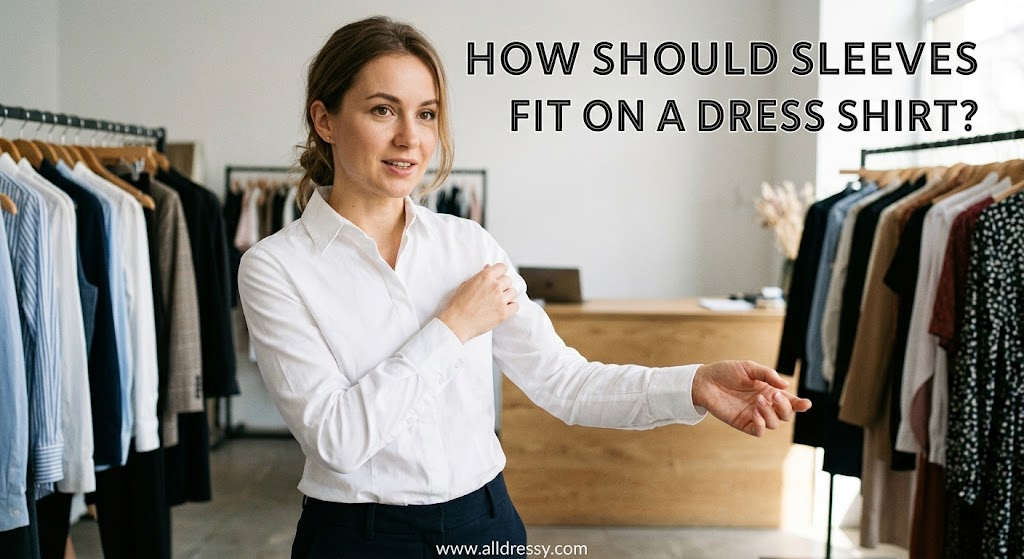
Dress shirt sleeves should fit comfortably from the shoulder to the wrist, providing enough room for movement without looking oversized. The fabric should follow the natural shape of your arms while maintaining a neat, professional appearance.
A properly fitted sleeve should not pull tightly across the biceps, twist around the forearm, or create large folds near the elbow. At the same time, it should not contain so much extra fabric that the sleeve looks baggy.
The ideal sleeve fit depends on your arm proportions, the shirt’s cut, the fabric, and the intended use. A slim-fit dress shirt usually has narrower sleeves, while a classic-fit shirt may offer more room. Both styles can look excellent when the measurements are appropriate.
Key Signs of a Properly Fitted Dress Shirt Sleeve
Look for these characteristics when trying on a dress shirt:
- The shoulder seam sits near the natural edge of your shoulder.
- The upper arm has enough room for comfortable movement.
- The sleeve does not pull excessively when you bend your elbow.
- The fabric falls smoothly along the forearm.
- The cuff reaches the appropriate position at the wrist.
- The cuff closes securely without squeezing your wrist.
- The sleeve does not bunch excessively beneath a suit jacket.
A dress shirt does not need to be completely wrinkle-free to fit correctly. Natural folds appear when you bend your arms or move your shoulders. The goal is to avoid persistent wrinkles caused by excessive tightness or unnecessary fabric.
How Long Should Dress Shirt Sleeves Be?
Sleeve length is one of the most important factors when evaluating how sleeves should fit on a dress shirt. A shirt with sleeves that are too short may look undersized, while excessively long sleeves can bunch around the wrists and interfere with a jacket.
For a conventional long-sleeve dress shirt, the cuff should generally reach the wrist joint or the base of the hand when your arms hang naturally. The exact position depends on the cuff design, shirt construction, and whether you intend to wear the shirt with a suit jacket.
The Correct Sleeve Length When Standing
Stand naturally with your arms relaxed at your sides. The cuff should cover the wrist without extending excessively over the hand.
If the cuff ends well above the wrist, the sleeves may be too short. If the fabric repeatedly falls over your hand, the sleeves may be too long or the cuff may be too loose.
Check both arms because some people have slightly different arm lengths. If the difference is noticeable, a tailor may be able to adjust the sleeves to improve the fit.
Dress Shirt Sleeve Length With a Suit Jacket
When wearing a dress shirt under a suit jacket, a small amount of shirt cuff should generally be visible beyond the jacket sleeve. Around half an inch is a common traditional guideline, although the ideal amount can vary with the jacket and shirt.
The shirt cuff should not disappear completely beneath the jacket when you stand naturally, nor should a large section of the shirt sleeve extend beyond the jacket.
The relationship between the two sleeve lengths is important. A shirt sleeve that fits correctly on its own may still look too long if the jacket sleeves are unusually short.
How Sleeve Length Changes With Movement
Sleeves naturally move upward when you bend your elbows, reach forward, or raise your arms. This is normal and does not automatically mean the shirt is too short.
To check the fit, stand naturally, bend your arms, and move your hands forward as if typing at a desk. The cuffs should allow normal movement without pulling uncomfortably far up the forearms.
If the sleeves consistently ride up or feel restrictive, examine the sleeve length, shoulder fit, and upper-arm width together.
How Should Dress Shirt Sleeves Fit at the Shoulders?
The shoulder area affects how the entire sleeve hangs. If the shoulder seam is positioned incorrectly, even a sleeve with the right length may look awkward.
For a conventional dress shirt, the shoulder seam should generally sit close to the point where your shoulder transitions into your upper arm. The exact placement can vary slightly by design, but the seam should not sit far down the arm or pull noticeably toward the neck.
Signs the Shoulder Fit Is Correct
A properly fitted shoulder area should look smooth when your arms are relaxed. The fabric should not pull tightly across the upper back, and the sleeve should hang naturally from the shoulder seam.
Watch for these common signs:
- The shoulder seam aligns approximately with the natural shoulder edge.
- The fabric does not create strong tension lines around the shoulder.
- The sleeve hangs without twisting noticeably.
- You can move your arms forward without severe restriction.
- The collar and upper back remain comfortable during normal movement.
What Happens When the Shoulders Are Too Tight?
If the shoulder area is too narrow, the shirt may pull across the upper back and restrict arm movement. The sleeve may also feel tight even when the fabric around the biceps seems adequate.
In this situation, sizing up or choosing a different shirt cut may help. However, a larger shirt may introduce excess fabric around the waist and chest, so comparing different brands or fits can be more effective.
What Happens When the Shoulders Are Too Wide?
When the shoulder seams extend too far down the upper arms, the sleeves may appear oversized or droopy. The shirt may also create folds around the upper sleeve and underarm.
A different size or cut may solve the issue more effectively than altering the sleeve length alone. Shoulder alterations can be more complex than shortening a cuff, so choosing the correct shoulder fit from the beginning is helpful.
How Tight Should Dress Shirt Sleeves Be Around the Upper Arm?
The upper arm, particularly the biceps area, needs enough room to accommodate normal movement. Sleeves that are too tight may pull across the arm, while sleeves that are too loose can create a bulky appearance beneath a suit jacket.
There is no single ideal sleeve circumference for every person. Arm size, shirt construction, fabric stretch, and personal preference all affect the right amount of room.
Slim-Fit Dress Shirt Sleeves
Slim-fit dress shirts generally have narrower sleeves that follow the shape of the arm more closely. This can create a streamlined appearance under tailored jackets.
However, slim fit should not mean tight enough to restrict movement. You should be able to bend your elbows, reach forward, and move your arms naturally without the fabric pulling sharply across the biceps.
If the sleeve feels restrictive, consider a different cut rather than choosing a shirt solely because it creates a narrow silhouette.
Classic-Fit Dress Shirt Sleeves
Classic-fit shirts usually provide more room through the body and sleeves. They can be a practical choice for people who prefer a traditional silhouette or need additional room for movement.
The extra space should still look intentional. Excessively wide sleeves may wrinkle more easily and can bunch beneath a fitted jacket.
How to Test Upper-Arm Fit
When trying on a shirt, bend your elbows and move your arms forward. Notice whether the fabric stretches tightly across your biceps or creates uncomfortable tension around the armhole.
If the sleeve is tight only when the shoulder moves, the problem may involve the armhole or shoulder construction rather than the sleeve width itself.
A well-designed sleeve balances comfort with a clean appearance. It should not compress the arm or hang so loosely that it loses its shape.
How Should Dress Shirt Sleeves Fit Around the Forearm?
The forearm section should provide enough room for comfortable movement while maintaining a smooth line toward the cuff. The correct width depends on the shirt’s cut and your natural arm shape.
A sleeve that is too narrow may pull when you bend your elbow or rotate your wrist. A sleeve that is too wide may create excess fabric that gathers near the cuff.
Signs of a Good Forearm Fit
The fabric should follow the arm without clinging tightly. When your arm is relaxed, the sleeve should hang naturally rather than forming deep folds along the forearm.
You should be able to bend your elbow and reach forward without feeling that the fabric is being stretched to its limit.
Remember that some wrinkles are normal. The elbow is a moving joint, so the sleeve must contain enough fabric to accommodate bending.
Why Sleeve Taper Matters
Many modern dress shirts taper from the upper arm toward the wrist. This shape helps the sleeve look neat beneath a jacket while reducing unnecessary fabric.
A strong taper can look polished, but it should not make the forearm feel squeezed. If the upper arm fits well but the forearm feels restrictive, look for a shirt with a more suitable sleeve pattern or ask a tailor whether the sleeve can be adjusted.
How Should Dress Shirt Cuffs Fit Around the Wrist?
The cuff is the finished band at the end of the sleeve. Its fit affects comfort, appearance, and how the shirt works with a watch or suit jacket.
A properly fitted cuff should close securely around the wrist without digging into the skin. It should be loose enough to allow normal wrist movement but not so loose that it repeatedly slides over the hand.
How to Check Cuff Tightness
Fasten the cuff button and let your arm hang naturally. The cuff should sit neatly around the wrist without creating excessive pressure.
You should be able to move your wrist comfortably. If the cuff leaves a deep indentation or feels uncomfortable when you bend your hand, it may be too tight.
If the cuff slides easily over your hand while fastened, it may be too loose. However, some variation is normal depending on cuff construction and hand size.
Button Cuffs
Button cuffs are common on everyday business shirts. They typically feature one or two buttons that allow a small amount of adjustment.
Choose the button position that keeps the cuff secure without making it uncomfortable. If the cuff has two buttons, the alternative position may provide a better fit around the wrist.
French Cuffs
French cuffs fold back and close with cufflinks. They are commonly associated with formal shirts and special occasions.
The cuff should sit neatly at the wrist without excessive bunching. Because cufflinks do not offer the same adjustment options as multiple-button cuffs, selecting the correct cuff size is particularly important.
Should a Watch Affect Cuff Fit?
If you regularly wear a watch, try the shirt with it. The cuff should sit comfortably without becoming trapped or creating a large bulge around the wrist.
Some shirts have adjustable cuff buttons that provide additional space. Avoid choosing a cuff so wide that it loses its shape simply to accommodate a watch.
How Should Dress Shirt Sleeves Fit Under a Suit Jacket?
Dress shirt sleeves should complement the jacket sleeves rather than compete with them. The shirt cuff should generally extend slightly beyond the jacket cuff, creating a deliberate and balanced finish.
This detail helps distinguish a carefully fitted suit from an outfit in which the shirt and jacket sleeves appear to have the same length.
The Ideal Shirt and Jacket Sleeve Relationship
A commonly used guideline is to show approximately half an inch of shirt cuff beyond the jacket sleeve. This is not a rigid rule, and the final result depends on jacket construction, shirt length, arm proportions, and personal style.
The important thing is to create a small, consistent amount of visible cuff when standing naturally.
Why Shirt Sleeves Sometimes Disappear Under a Jacket
If the shirt cuffs are not visible, the shirt sleeves may be too short, the jacket sleeves may be too long, or the shirt may move upward when you bend your arms.
Check both garments before deciding which needs adjustment. Altering the wrong item can create a new fitting problem.
How to Prevent Excessive Bunching
If too much shirt fabric gathers around the wrist beneath the jacket, the shirt sleeves may be too long or too wide. A jacket with narrow sleeves can make the issue more noticeable.
Try the shirt with the jacket before purchasing a formal outfit. This allows you to evaluate sleeve length, cuff visibility, and the amount of fabric around the forearms together.
How to Measure Dress Shirt Sleeve Length Correctly
Knowing how to measure dress shirt sleeves can help you select the right size online or communicate clearly with a tailor.
One important detail is that brands do not always measure sleeves in exactly the same way. Some measure from the center back of the neck, across the shoulder, and down to the cuff. Others list sleeve length based on a different reference point.
Always check the brand’s measurement instructions before comparing numbers.
Measuring From the Center Back of the Neck
For shirts that use a center-back measurement, follow these steps:
- Stand naturally with your arms relaxed.
- Place the measuring tape at the center back of your neck.
- Run the tape across the shoulder toward the top of the arm.
- Continue along the arm to the wrist area where the cuff should end.
- Keep the tape following the natural shape of your arm without pulling it tightly.
- Record the measurement and compare it with the brand’s size chart.
A helper can make the measurement more accurate because it is difficult to keep the tape correctly positioned while measuring yourself.
Measuring a Dress Shirt You Already Own
If you have a shirt with sleeves that fit well, use it as a reference. Lay it flat on a clean surface and smooth the fabric without stretching it.
Measure the sleeve according to the manufacturer’s stated method, if available. Depending on the shirt, this may involve measuring from the shoulder seam to the cuff or from the center back through the shoulder.
Compare the measurement with the new shirt’s size chart only when the measurement methods are compatible.
Why Sleeve Measurements Can Differ Between Brands
A sleeve measurement alone does not determine fit. Two shirts with the same listed sleeve length can feel different because of shoulder width, armhole shape, cuff size, and sleeve taper.
For a more accurate choice, consider the shirt’s neck, chest, shoulders, body cut, and sleeve measurements together.
Common Dress Shirt Sleeve Fit Problems and How to Fix Them
Recognizing fitting problems can help you determine whether a shirt needs a different size, a different cut, or a simple alteration.
Sleeves That Are Too Long
Long sleeves may cover too much of the hand or create excessive fabric folds near the cuff.
If the shoulder and upper-arm fit are good, a tailor may be able to shorten the sleeves. The best method depends on the cuff construction, button placement, and available fabric.
Sleeves That Are Too Short
Short sleeves may leave the wrist exposed when your arms are relaxed or cause the cuffs to disappear beneath a suit jacket.
Before replacing the shirt, check whether the shoulders fit correctly. If the shoulder seam sits too high or the shirt is generally undersized, a different size may solve more than one problem.
If the rest of the shirt fits well, sleeve-length alterations may be limited by the amount of fabric available.
Sleeves That Are Too Tight
Tight sleeves can pull across the biceps or forearm and restrict movement. The problem may result from a narrow sleeve pattern, a small armhole, or a shirt size that does not suit your proportions.
Look for a different cut with more room. Some sleeves can be let out slightly if sufficient seam allowance remains, but the amount of possible adjustment varies.
Sleeves That Are Too Loose
Loose sleeves can appear baggy and create excess fabric beneath a jacket. If the shirt fits well elsewhere, a tailor may be able to narrow the sleeves.
However, excessive narrowing can affect the sleeve’s shape and movement. The alteration should preserve enough room around the elbow and forearm.
Wrinkles Around the Elbow
Some elbow wrinkles are normal because the fabric must bend with the joint. Persistent diagonal or horizontal tension lines may indicate that the sleeve is too short, too narrow, or poorly shaped for your arm.
Evaluate the shirt while standing naturally and while bending your elbows. This helps distinguish normal movement wrinkles from a genuine fit problem.
How Should Dress Shirt Sleeves Fit for Different Occasions?
The basic principles of sleeve fit remain the same, but the desired appearance may vary depending on the occasion.
Dress Shirt Sleeves for Office Wear
For everyday office clothing, prioritize comfort and a neat appearance. Sleeves should allow typing, writing, reaching, and other normal activities without pulling or sliding excessively.
A cuff that stays securely around the wrist helps keep the shirt looking tidy throughout the working day.
Dress Shirt Sleeves for Job Interviews
For interviews, choose sleeves that create a clean silhouette under a suit jacket or blazer. Check that the shoulder seams sit correctly and that a small amount of cuff is visible when appropriate.
Avoid sleeves that bunch heavily at the wrist or appear noticeably too short.
Dress Shirt Sleeves for Weddings and Formal Events
Formal shirts should fit neatly around the shoulders, arms, and cuffs. If you are wearing cufflinks, verify that the French cuffs sit comfortably and work with the jacket sleeves.
Try the complete outfit before the event so that you can identify any issues with cuff visibility or sleeve length.
Dress Shirt Sleeves for Smart-Casual Outfits
When wearing a dress shirt without a jacket, you may have more flexibility in sleeve shape. The sleeves should still look intentional, with a suitable length and enough room for comfortable movement.
If you roll up your sleeves, make sure the cuffs and forearms are comfortable enough to accommodate the chosen style.
Can a Tailor Improve the Fit of Dress Shirt Sleeves?
Yes. A tailor can often improve sleeve length, narrow overly wide sleeves, or make limited adjustments to the cuffs. The best alteration depends on the shirt’s construction and the amount of extra fabric available.
Common Sleeve Alterations
Shortening sleeves: A tailor may shorten a sleeve at the cuff or, in some cases, near the shoulder. The appropriate method depends on the design and whether the sleeve has special plackets or button details.
Narrowing sleeves: Excess fabric may be removed from the sleeve seams to create a cleaner silhouette. The tailor must preserve enough space for bending the elbow and moving the arm.
Adjusting cuffs: Some cuffs can be altered to provide a closer or more comfortable fit, although button placement and cuff construction may limit the available options.
When Buying a Different Shirt Is Better
If the shoulder seams are significantly misplaced, the armholes are restrictive, or the shirt is too small through the upper body, sleeve alterations may not solve the main problem.
A different size or brand may offer a better starting fit. It is generally easier to make modest adjustments to a well-fitting shirt than to reshape a shirt with major proportion problems.
How to Maintain the Fit of Dress Shirt Sleeves
Proper care helps preserve the shape and appearance of dress shirt sleeves. The correct cleaning method depends on the fabric, construction, and care label.
Follow the Care Label
Cotton, linen, and synthetic-blend shirts can have different washing and ironing requirements. Use the recommended temperature and avoid harsh treatment that may damage the fabric or affect its shape.
Some garments may shrink if washed or dried at high temperatures. Following the care instructions helps reduce the risk of unexpected changes in sleeve length.
Iron the Sleeves Carefully
Smooth the sleeves before ironing and follow the fabric’s recommended heat setting. Avoid stretching the fabric while pressing.
If the shirt has a defined crease, you can maintain it according to your preferred style. Otherwise, pressing the sleeve smoothly can create a clean appearance without emphasizing an unwanted crease.
Store Shirts Properly
Hang dress shirts on suitable hangers that support the shoulders. This helps reduce unnecessary creasing and keeps the sleeves in better condition between wears.
Allow damp shirts to dry fully before storing them, and avoid overcrowding garments in a closet.
Final Checklist for the Perfect Dress Shirt Sleeve Fit
Before buying or wearing a dress shirt, check these important details:
- Shoulders: The seams sit near the natural edge of your shoulders.
- Upper arms: The sleeves provide enough room without excessive looseness.
- Forearms: The fabric follows the arm without pulling tightly.
- Elbows: You can bend your arms comfortably.
- Length: The cuffs reach the wrist area when your arms are relaxed.
- Cuffs: They close securely without squeezing or sliding excessively.
- Jacket compatibility: The shirt cuff extends slightly beyond the jacket sleeve when appropriate.
- Movement: The sleeves do not cause uncomfortable tension when reaching forward.
- Overall appearance: The fabric hangs neatly without persistent pulling, twisting, or excessive bunching.
The best dress shirt sleeves combine comfort, proportion, and a clean appearance. By checking the shoulder fit, sleeve length, upper-arm width, forearm shape, and cuff circumference together, you can select shirts that look polished and feel comfortable throughout the day. Whether you are dressing for work, a formal event, or a smart-casual occasion, the right sleeve fit helps your entire outfit look more refined.
10 Frequently Asked Questions About How Sleeves Should Fit on a Dress Shirt
1. How should sleeves fit on a dress shirt?
Dress shirt sleeves should follow the natural shape of your arms without feeling tight or looking excessively loose. The shoulder seam should sit near the natural edge of your shoulder, and the cuffs should reach the wrist area when your arms hang naturally. A good sleeve fit allows comfortable movement while maintaining a neat, professional appearance.
2. Where should dress shirt sleeves end?
Dress shirt sleeves should generally end at the wrist joint or the base of the hand when your arms are relaxed. The cuff should cover the wrist without extending too far over the hand. When wearing a suit jacket, a small amount of shirt cuff—often around half an inch—should be visible beyond the jacket sleeve.
3. Should dress shirt sleeves be tight or loose?
Dress shirt sleeves should be comfortably fitted rather than extremely tight or excessively loose. You should have enough room to bend your elbows, reach forward, and move your arms naturally. Slim-fit shirts have narrower sleeves, while classic-fit shirts provide more room, but both should allow comfortable movement.
4. How much shirt cuff should show under a suit jacket?
A common traditional guideline is to show approximately half an inch of shirt cuff beyond the jacket sleeve. However, the ideal amount can vary depending on the jacket’s fit, shirt sleeve length, and personal style. The goal is to create a balanced appearance without exposing too much shirt fabric.
5. How do I know if my dress shirt sleeves are too long?
Your dress shirt sleeves may be too long if the cuffs repeatedly cover your hands, bunch excessively around your wrists, or extend too far beyond your suit jacket. Check the sleeves while standing naturally with your arms relaxed. If the shoulders and upper arms fit properly, a tailor may be able to shorten the sleeves.
6. How do I know if my dress shirt sleeves are too short?
Dress shirt sleeves may be too short if the cuffs end noticeably above your wrists when your arms are relaxed or disappear completely beneath a suit jacket. However, sleeves naturally move upward when you bend your elbows. Check the fit while standing naturally before deciding whether the sleeves need to be longer.
7. How tight should dress shirt cuffs be?
Dress shirt cuffs should close securely around your wrists without squeezing or leaving uncomfortable pressure marks. You should be able to move your wrists naturally, and the cuffs should not slide excessively over your hands. If you wear a watch, try the shirt with it to ensure the cuff remains comfortable.
8. Can a tailor fix dress shirt sleeves that do not fit properly?
Yes, a tailor can often shorten sleeves, narrow overly wide sleeves, or make certain cuff adjustments. The available alterations depend on the shirt’s construction, button placement, and seam allowance. If the shoulders or armholes fit poorly, choosing a different shirt may produce a better result than altering the sleeves alone.
9. Should dress shirt sleeves wrinkle around the elbows?
Some wrinkles around the elbows are normal because the sleeves need enough fabric to accommodate bending. However, strong, persistent wrinkles may indicate that the sleeves are too tight, too short, or poorly shaped for your arms. Check the shirt while standing and moving to determine whether the wrinkles result from normal movement or an incorrect fit.
10. How can I measure my dress shirt sleeve length at home?
You can measure sleeve length with a flexible measuring tape. Depending on the brand’s sizing method, measure from the center back of the neck across the shoulder and down to the wrist, or from the shoulder seam to the cuff. Always follow the manufacturer’s measurement instructions because sizing methods can differ between brands.
Conclusion
Understanding how sleeves should fit on a dress shirt is an important part of choosing clothing that looks polished and feels comfortable. The ideal sleeve should follow the natural shape of your arm, provide enough room for movement, and end at the appropriate point near your wrist. The cuffs should fit securely without squeezing, while the shoulder seams should align with your natural shoulder position.
When wearing a suit jacket, pay attention to the relationship between the shirt and jacket sleeves. A small amount of visible shirt cuff creates a balanced, traditional appearance. For everyday office wear, interviews, weddings, and formal events, the right sleeve length and width can make a noticeable difference in your overall outfit.
Remember that dress shirt sizing varies between brands, so always consider the shoulder fit, upper-arm width, cuff circumference, and sleeve length together. If the shirt fits well in most areas but needs a minor adjustment, professional tailoring can help refine the result.
Ultimately, the best dress shirt sleeves combine comfort, proportion, and personal style. By checking the fit carefully and choosing a shirt suited to your measurements, you can create a clean, confident appearance for almost any occasion.