
If you are preparing for a court appearance, one of the first questions you may ask is, “How should I dress for court?” Choosing appropriate clothing can help you feel more comfortable, prepared, and confident during your visit. Whether you are attending a hearing, serving as a witness, accompanying a family member, responding to a legal matter, or appearing for another reason, your clothing should be neat, modest, and suitable for a formal setting.
Courtrooms are professional environments where judges, attorneys, court staff, and members of the public follow established procedures. Although clothing requirements vary by jurisdiction and courthouse, a clean, conservative outfit is generally a sensible choice. You do not necessarily need expensive clothing or a formal business suit. What matters most is that your outfit is respectful, comfortable, and consistent with the court’s dress code.
Understanding how to dress for court can also help you avoid common clothing mistakes, such as wearing beachwear, clothing with distracting graphics, or items that violate local courtroom rules. Different situations may call for different outfits, and what is appropriate for a short administrative hearing may differ from what you choose for a formal court appearance.
This comprehensive guide explains what to wear to court, how to choose suitable clothing for different types of hearings, what to avoid, and how to prepare your outfit in advance. It also covers practical considerations for comfort, cultural clothing, footwear, accessories, and courtroom etiquette.
How Should I Dress for Court?
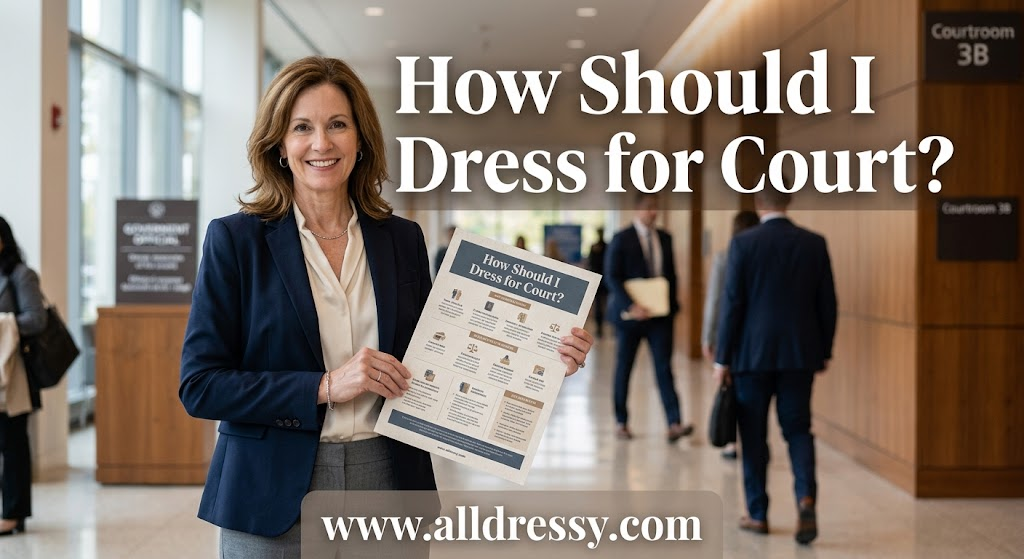
The best way to dress for court is to choose clean, well-fitting, modest clothing that looks appropriate for a professional environment. Business-casual clothing is often a practical starting point, although some courts have specific dress requirements.
For many court appearances, suitable clothing may include:
- Dress pants or neat, tailored trousers.
- A collared shirt, blouse, or simple button-up shirt.
- A modest dress or skirt of an appropriate length.
- A clean sweater, cardigan, or blazer.
- Closed-toe shoes or other neat, practical footwear.
- Simple accessories that do not distract from your appearance.
You do not have to purchase a new outfit if you already own clean, presentable clothing. A simple combination of trousers, a shirt, and clean shoes can be appropriate for many court settings.
The most important principle is to check the rules of the specific courthouse before attending. Some courts prohibit particular garments, accessories, or items for security or courtroom-management reasons. Local requirements should take priority over general fashion advice.
Choose Neat and Clean Clothing
Your clothing should be free of obvious stains, excessive wrinkles, and unpleasant odors. You do not need designer clothes or expensive tailoring to look presentable.
If you plan to wear a shirt, make sure it is reasonably clean and fits comfortably. If you choose trousers, check that the hem does not drag on the floor. Simple preparation can make an ordinary outfit look more polished.
Choose Modest, Comfortable Clothing
Clothing that provides suitable coverage and allows you to sit, stand, and walk comfortably is generally a sensible choice for court.
Avoid outfits that require constant adjustment or make you uncomfortable throughout the hearing. A courtroom visit can involve waiting, walking through security, sitting for extended periods, and moving between different areas of the courthouse.
Follow the Court’s Dress Code
Courtroom rules are not identical everywhere. A courthouse may have specific requirements concerning hats, head coverings, footwear, slogans, or clothing that exposes too much skin.
If you are unsure, check the court’s official instructions or contact the court office before your visit. Do not assume that the same rules apply to every courthouse.
What Should I Wear to Court as a Defendant?
If you are appearing in court as a defendant, choose clothing that is neat, modest, and comfortable. The exact requirements depend on the jurisdiction, the type of proceeding, and any instructions provided by the court.
For many situations, a simple professional outfit is a practical option.
Dress Pants and a Button-Up Shirt
Dress pants paired with a clean button-up shirt create a classic, professional appearance. Neutral colors such as navy, gray, black, white, and light blue are easy to coordinate.
A tie or blazer may be suitable for a more formal appearance, but you should not assume that a suit is required unless the court specifies otherwise.
A Blouse and Tailored Trousers
A blouse paired with tailored trousers can also be appropriate. Choose clothing that fits comfortably and allows you to sit without needing to adjust the waistband, sleeves, or neckline repeatedly.
A cardigan or blazer can provide an additional layer if the courtroom is cool.
A Simple Dress or Skirt
A simple dress or skirt may be appropriate if it meets the court’s dress code. Choose a style that provides suitable coverage while sitting and standing.
You should be able to move comfortably without worrying about the garment shifting or requiring constant adjustment.
Avoid Assuming That Expensive Clothing Is Necessary
You do not need to spend a large amount of money on courtroom clothing. Clean, presentable garments that you already own may be entirely suitable.
If you need guidance, a court office, legal aid service, or your attorney may be able to explain any specific requirements for your hearing.
How Should I Dress for Court as a Witness?
Witnesses should generally choose clothing that is neat, modest, and suitable for a formal setting. You may be required to wait before giving evidence, answer questions, and remain in court for a period of time.
Comfort matters because you may be sitting for extended periods.
Wear a Simple Professional Outfit
A collared shirt, blouse, sweater, or other neat top paired with trousers or a suitable skirt can be a practical option.
Choose clothing that does not distract you or require frequent adjustment. You should be able to concentrate on the proceedings rather than worrying about your outfit.
Choose Comfortable Footwear
You may need to walk through security, move between rooms, or wait in a courthouse corridor. Comfortable, clean footwear can make the experience easier.
Avoid shoes that are difficult to walk in or that cause discomfort after standing for a short time.
Avoid Distracting Graphics and Slogans
Clothing with large graphics, offensive language, or provocative slogans may be inappropriate in a courtroom. Depending on the court’s rules, certain messages or images may also be prohibited.
A plain shirt or understated pattern is generally an easier choice.
How Should I Dress for Court as a Visitor?
If you are attending court to support a family member, observe a hearing, or accompany someone, choose clothing that is respectful and appropriate for a public institution.
You may not be directly involved in the case, but you should still follow the courthouse’s dress code.
Business-Casual Clothing
Business-casual clothing is often a convenient choice for visitors. Examples include a clean shirt with trousers, a simple blouse with a skirt, or a modest dress with neat shoes.
You generally do not need to dress as formally as someone attending a special ceremony. However, avoid clothing that appears intended for the beach, gym, or a casual recreational activity.
Bring an Appropriate Outer Layer
Courtrooms and waiting areas can have different temperatures. A cardigan, sweater, or lightweight jacket can help you remain comfortable.
An additional layer may also make a simple outfit look more formal without requiring you to purchase special clothing.
Consider the Length of Your Visit
If you expect to spend several hours at the courthouse, choose clothing that remains comfortable while sitting and standing. Avoid garments that wrinkle excessively or become uncomfortable when you sit for a long time.
What Colors Should You Wear to Court?
When deciding how to dress for court, color is usually less important than cleanliness, comfort, and compliance with the dress code. However, neutral and understated colors can make it easier to assemble a suitable outfit.
Navy Blue
Navy is a versatile color that works well with dress pants, blazers, skirts, and many types of shirts.
It can be combined with white, light blue, gray, beige, or other neutral colors to create a balanced outfit.
Gray
Gray is another practical choice for trousers, jackets, and sweaters. It pairs easily with a variety of shirt colors and can work for both formal and business-casual clothing.
White and Light Blue
White and light-blue shirts are classic options for professional settings. They can be worn with dark trousers or under a blazer.
Make sure lighter clothing is clean and appropriate for the fabric and setting.
Black
Black clothing can be appropriate for court when it is clean, modest, and suitable for the occasion. Black trousers, skirts, shoes, and blazers are easy to coordinate.
An entirely black outfit is not automatically more appropriate than another color combination. Focus on the overall appearance rather than following a strict color rule.
Are Bright Colors Inappropriate for Court?
Not necessarily. Court dress codes generally focus more on the type of clothing and its appropriateness than on a particular color palette. However, extremely distracting combinations, large graphics, or clothing that violates local rules may be unsuitable.
If you are uncertain, a simple color scheme is an easy option.
What Should Women Wear to Court?
Women can choose from several types of clothing when preparing for a court appearance. Suitable options may include tailored trousers, a blouse, a modest dress, a skirt, a sweater, or a blazer.
The most important considerations are comfort, appropriate coverage, and the specific court’s requirements.
Blouse and Dress Pants
A blouse paired with dress pants is a versatile choice for many court appearances. Choose a comfortable fit and a neckline that remains suitable when sitting or leaning forward.
You can add a cardigan or blazer if you want an additional layer.
Dress or Skirt
A simple dress or skirt can be suitable for court. Check how the garment fits when you sit down, stand, and walk.
A style that remains comfortable and provides appropriate coverage throughout the visit is preferable to one that needs frequent adjustment.
Flats or Low Heels
Flats, loafers, and low heels can all be practical options, depending on the court’s rules and your comfort.
You may have to walk through security or stand in line, so select footwear that allows you to move safely.
Accessories and Makeup
Simple accessories are generally easy to coordinate with courtroom clothing. Avoid items that are noisy, cumbersome, or likely to interfere with security procedures.
Makeup is a personal choice and is not necessary for an appropriate court appearance. You can wear it if you wish, but your outfit does not need to follow a particular beauty standard.
What Should Men Wear to Court?
Men can choose a range of neat, professional outfits for court. A suit may be appropriate for some formal proceedings, but it is not always necessary.
A clean shirt, suitable trousers, and neat shoes can be enough for many situations, subject to local requirements.
Dress Pants and a Collared Shirt
Dress pants paired with a collared shirt are a classic choice. Navy, gray, black, and beige trousers can be combined with white, light-blue, or other understated shirts.
Ensure that the shirt fits comfortably around the neck and shoulders and that the trousers are an appropriate length.
Should You Wear a Suit to Court?
A suit can be a suitable choice for a formal hearing, but it is not universally required. The decision depends on the type of case, local expectations, your role, and any guidance you receive from your attorney.
If you already own a suit, make sure it is clean and fits comfortably. If you do not own one, do not assume you must purchase an expensive suit for every court appearance.
Is a Tie Necessary for Court?
A tie may be appropriate for certain formal situations, but it is not always required. A neat collared shirt can be suitable for many court visits.
If you decide to wear a tie, choose one that fits comfortably and complements the rest of your outfit. You should be able to sit and move without feeling restricted.
How Should I Dress for Family Court?
Family court may involve matters such as parenting arrangements, family disputes, support issues, or other personal legal proceedings. The appropriate clothing depends on the court’s requirements and the nature of the hearing.
A clean, modest, and comfortable outfit is generally a sensible choice.
Choose Clothing That Allows Comfortable Movement
Family court appearances can involve waiting and sitting for extended periods. Select clothing that remains comfortable and appropriate throughout the visit.
Trousers, a blouse, a collared shirt, a cardigan, or a simple dress may all be suitable options if they meet local requirements.
Avoid Clothing With Distracting Messages
A plain or understated outfit is often a practical choice for a sensitive legal proceeding. Avoid clothing with offensive graphics or slogans that could conflict with the court’s dress code.
Prepare for an Emotional or Lengthy Visit
If you expect the hearing to last several hours, consider bringing an appropriate outer layer and wearing comfortable shoes.
Your clothing should support your comfort rather than create another source of stress during an already demanding day.
How Should I Dress for Small Claims Court or Traffic Court?
Small claims court and traffic court may have different procedures from more formal proceedings, but you should still follow the courthouse’s dress code.
You usually do not need to assume that a special uniform or expensive formal outfit is required.
Small Claims Court
A neat shirt, trousers, and suitable shoes may be appropriate for many small claims hearings. A simple dress or other modest professional outfit can also work.
Check whether the court provides specific instructions for participants and visitors.
Traffic Court
For a traffic-related hearing, choose clothing that is clean, comfortable, and suitable for a formal public setting.
Avoid assuming that a short hearing requires no preparation. Even if the appearance is brief, it is sensible to check the court’s rules and arrive dressed appropriately.
Follow Any Instructions You Receive
If a court notice, attorney, or court official gives specific clothing guidance, follow it. General recommendations cannot replace the rules of the courthouse where your case will be heard.
What Should You Not Wear to Court?
Knowing what to avoid is an important part of understanding how to dress for court. While the exact rules vary, some clothing choices are less suitable for a formal courtroom environment.
Clothing With Offensive Words or Images
Shirts and other garments with offensive language, threatening messages, or inappropriate images may be unsuitable or prohibited.
Choose clothing that does not create an unnecessary distraction.
Beachwear and Gym Clothing
Swimwear, beach cover-ups, sports bras worn as outerwear, and clothing intended primarily for swimming or exercise are generally not appropriate choices for a court appearance.
Instead, choose a clean outfit suitable for a professional public setting.
Clothing That Is Extremely Revealing
Clothing that exposes a large amount of the chest, back, or midsection may not meet a courthouse’s dress code. Some courts specify coverage requirements.
Choose garments that provide suitable coverage when sitting, standing, and moving.
Clothing That Is Dirty or Damaged
Clothing with significant stains, excessive holes, or badly frayed hems may look unsuitable for a formal setting.
You do not need new clothing, but choose the cleanest and most presentable items available to you.
Overly Distracting Accessories
Large accessories, noisy jewelry, or items that interfere with security screening can make your visit less convenient.
Follow security instructions and avoid bringing unnecessary items into the courtroom.
Hats and Headwear
Some courts restrict hats or other headwear inside the courtroom, while exceptions may apply for religious, medical, or other reasons.
Do not assume the rule is identical everywhere. Check the specific court’s policy, particularly if you wear a head covering for religious or medical reasons.
Can You Wear Jeans to Court?
Whether jeans are appropriate for court depends on the courthouse, the type of hearing, and any applicable dress code.
Some courts allow clean, well-fitting jeans, while others may prefer or require more formal clothing. If you are uncertain, dress pants or another neat alternative may be a safer choice.
When Jeans May Be Acceptable
If the court permits jeans, choose a clean pair without large holes, excessive distressing, or distracting decorations. Pair them with a neat shirt and suitable footwear.
Dark, plain jeans may look more polished than heavily distressed or unusually decorated styles, but the court’s actual requirements take priority.
When Dress Pants Are a Better Choice
Dress pants are a practical option if you want a more formal appearance or if you are unsure whether jeans are allowed.
You do not necessarily need a full suit. Clean trousers and a collared shirt can provide a balanced, professional look.
What Shoes Should You Wear to Court?
Footwear should be clean, comfortable, and suitable for walking through a public building. Court appearances can involve security checks, waiting in corridors, and moving between rooms.
Closed-Toe Shoes
Closed-toe shoes are a versatile choice for many court settings. Dress shoes, loafers, flats, and simple formal shoes may all be suitable.
However, confirm whether the courthouse has any specific footwear requirements.
Comfortable Flats or Low Heels
If you expect to stand or walk for extended periods, choose shoes that fit well and provide adequate support.
You do not need to wear high heels to look professional. Comfortable footwear is often more practical.
Sneakers
Some courts may permit clean, understated sneakers, while others may expect more formal footwear. If you choose sneakers, check the local rules and consider whether they suit the occasion.
Avoid Damaged or Unsafe Footwear
Shoes with broken straps, loose soles, or other damage may be uncomfortable or unsafe. Inspect your footwear before leaving home.
How Should I Dress for Court in Hot or Cold Weather?
Weather can influence your outfit, but your clothing should remain suitable for the courthouse.
Dressing for Hot Weather
Choose breathable fabrics such as cotton or lightweight blends when appropriate. Lightweight trousers, a modest dress, or a neat short-sleeved shirt may work if the court permits them.
Avoid assuming that hot weather automatically allows beachwear or gym clothing. Check the dress code and select clothing that remains comfortable indoors.
Dressing for Cold Weather
In cold weather, layers can help you stay comfortable. A sweater, cardigan, blazer, or appropriate coat may be useful.
You may need to remove your coat before entering the courtroom, depending on the circumstances. Make sure the clothing underneath is also suitable.
Preparing for Air-Conditioned Courtrooms
Some courtrooms are cooler than the outdoor environment. An additional layer can help you remain comfortable while waiting or attending a lengthy hearing.
Choose layers that are easy to manage and do not interfere with security screening.
How Should I Dress for Court While Following Cultural or Religious Practices?
Cultural and religious clothing can be compatible with appropriate courtroom attire. The key is to follow the courthouse’s rules while respecting applicable accommodations and your personal practices.
Traditional Clothing
Traditional garments can be suitable for court if they meet the applicable requirements. Choose clothing that is clean, comfortable, and appropriate for the setting.
You do not need to abandon your cultural style simply to wear conventional Western business clothing.
Religious Head Coverings
Some people wear head coverings for religious reasons. Rules regarding headwear can vary, and religious accommodations may be available.
If you are concerned about a particular requirement, contact the court office in advance to understand the relevant policy and any procedure you may need to follow.
Clothing for Cultural or Religious Events
If you are attending court after another event or coming directly from a religious service, choose an outfit that can work for both settings while meeting the courthouse’s requirements.
A neat outer layer or a change of footwear may help you adapt your outfit without needing an entirely separate wardrobe.
How to Prepare Your Court Outfit the Day Before
Preparing in advance can reduce stress and help you avoid last-minute clothing problems.
Check the Court Notice
Review your court notice for the date, time, location, and any instructions. If clothing or security rules are mentioned, follow them carefully.
Select Your Outfit in Advance
Choose your shirt, trousers, dress, skirt, shoes, and any additional layers the night before.
Check that each item is clean and in good condition. This gives you time to find an alternative if something is unsuitable.
Try Everything On Together
Wear the complete outfit and check how it looks while standing, sitting, and walking.
Make sure the trousers are not too long, the waistband is comfortable, and the top remains appropriate when you move.
Check Your Shoes
Inspect your shoes for dirt or damage. Clean them if necessary and confirm that they are comfortable enough for walking and standing.
Keep Accessories Simple
Choose only the accessories you need. Check whether the courthouse restricts certain items and follow all security instructions when you arrive.
Plan for Waiting Time
Court visits may take longer than expected. Wear clothing that stays comfortable throughout the day and bring an appropriate outer layer if needed.
Practical Court Outfit Examples
The following outfit ideas are general examples rather than universal dress-code rules. Always check the specific courthouse’s requirements.
Classic Professional Outfit
- Dark dress pants.
- A clean white or light-blue shirt.
- A simple blazer if appropriate.
- Neat closed-toe shoes.
This combination is versatile for many formal or professional settings.
Comfortable Business-Casual Outfit
- Tailored trousers.
- A modest blouse or collared shirt.
- A cardigan or sweater.
- Comfortable flats or loafers.
This option may be suitable for many visitors, witnesses, and participants, depending on the court’s rules.
Simple Formal Outfit
- A modest, well-fitting dress or skirt.
- A lightweight jacket or cardigan.
- Neat shoes.
- Minimal accessories.
This provides a straightforward option without requiring expensive clothing.
Warm-Weather Outfit
- Lightweight trousers or another permitted garment.
- A breathable, neat top.
- Comfortable footwear.
- A light layer for a cool courtroom.
Final Clothing Checks Before Entering Court
Before leaving home, review these practical points:
- Your outfit follows the courthouse’s dress code.
- Your clothing is clean and presentable.
- Your shirt or top provides appropriate coverage.
- Your trousers or skirt fit comfortably.
- Your footwear is clean and safe for walking.
- Your accessories do not interfere with security procedures.
- You have checked any special instructions for your hearing.
- Your outfit remains comfortable when sitting and standing.
10 Frequently Asked Questions About How to Dress for Court
1. How should I dress for court?
You should generally wear clean, modest, and presentable clothing that is suitable for a professional setting. Dress pants with a collared shirt, a blouse with tailored trousers, or a simple dress can be appropriate options. Always check the specific courthouse’s dress code before attending, as requirements vary by location and type of proceeding.
2. Do I need to wear a suit to court?
No, a suit is not always necessary. Although a suit can be appropriate for formal hearings, a neat shirt with dress pants or another modest professional outfit may be sufficient for many court appearances. Follow any instructions provided by the court or your attorney, and choose clothing that is comfortable and presentable.
3. Can I wear jeans to court?
Whether you can wear jeans depends on the courthouse’s rules. Some courts allow clean, well-fitting jeans, while others expect more formal clothing. If you are unsure, dress pants are a practical alternative. Avoid jeans with large holes, excessive distressing, or distracting decorations if you want a more conservative appearance.
4. What colors are best to wear to court?
Neutral and understated colors such as navy, gray, black, white, and beige are easy choices for courtroom attire. These colors coordinate well and can create a neat, professional appearance. However, there is no universal rule requiring specific colors. Cleanliness, appropriate coverage, comfort, and compliance with the dress code are more important.
5. What should women wear to court?
Women may choose tailored trousers with a blouse, a modest dress, a suitable skirt, or another neat outfit that follows the courthouse’s dress code. Comfortable shoes and a cardigan or blazer can complete the look. Choose clothing that remains appropriate and comfortable while sitting, standing, and walking.
6. What should men wear to court?
Men can consider dress pants with a collared shirt, a sweater, or a blazer. A suit and tie may be suitable for more formal proceedings, but they are not universally required. Choose clean clothing that fits comfortably, and check whether the court has specific expectations for your appearance.
7. Can I wear sneakers to court?
Some courthouses may allow clean, understated sneakers, while others may expect dress shoes or more formal footwear. Check the local rules before attending. If you are uncertain, clean loafers, flats, or simple closed-toe dress shoes are often practical alternatives, provided they meet the courthouse’s requirements.
8. Can I wear a hat or religious head covering to court?
Rules about hats and head coverings vary by courthouse. Some courts restrict ordinary hats inside the courtroom, while religious or medical accommodations may apply. If you wear a head covering for religious or medical reasons, contact the court office beforehand if you are unsure about the requirements.
9. What should I avoid wearing to court?
Avoid clothing that violates the courthouse’s dress code, including garments with offensive slogans, inappropriate images, or excessive exposure. Beachwear and gym clothing are generally unsuitable choices for formal courtroom settings. Also check local rules regarding hats, accessories, and footwear. When in doubt, choose a clean, simple, modest outfit.
10. What should I wear to court if I cannot afford formal clothing?
You do not need expensive or designer clothing to dress appropriately for court. Clean trousers, a simple shirt, a modest dress, or other presentable clothing you already own may be suitable. Focus on cleanliness, comfort, and following the courthouse’s rules. If you need specific guidance, contact the court office or a legal aid service.
Conclusion
Knowing how to dress for court can help you prepare for your appearance and feel more comfortable in a formal legal environment. In most situations, clean, modest, and presentable clothing is a sensible starting point. Dress pants with a collared shirt, a blouse with tailored trousers, a simple dress, or a suitable business-casual outfit may all be appropriate, depending on the courthouse and the type of proceeding.
You do not necessarily need an expensive suit or a brand-new outfit. Instead, choose clothing that fits well, provides appropriate coverage, and allows you to sit, stand, and walk comfortably. Neutral colors and simple accessories can make putting together an outfit easier, but there is no universal color requirement for every court.
Before attending, check the specific court’s dress code and review any instructions from the court or your attorney. Pay attention to rules concerning headwear, footwear, accessories, and other clothing requirements. Preparing your outfit the day before can also help you avoid unnecessary stress.
Ultimately, the best court outfit is one that respects the setting, follows the applicable rules, and allows you to focus on your reason for being there. With a little planning, you can choose suitable clothing without spending more than necessary or compromising your comfort