
Fashion is a powerful form of self-expression, but for many people, dressing modestly is equally important. Understanding how to dress modestly involves choosing clothing that covers appropriately while still reflecting personal style, confidence, and modern trends. Modest dressing is not about sacrificing fashion; rather, it’s about creating elegant, versatile, and stylish outfits that respect personal, cultural, or religious values.
Learning how to dress modestly helps individuals navigate professional environments, social settings, and casual outings with confidence. It emphasizes layering, proper fit, thoughtful color coordination, and smart accessorizing. This guide explores modest fashion in detail, offering insights and strategies that go beyond basic advice, helping you create outfits that are both stylish and respectful.
In this comprehensive guide, we will cover wardrobe essentials, layering techniques, color coordination, seasonal adaptations, modest styling for different occasions, accessories, footwear, fabrics, cultural considerations, and modern modest fashion trends.
How to Dress Modestly: Core Principles
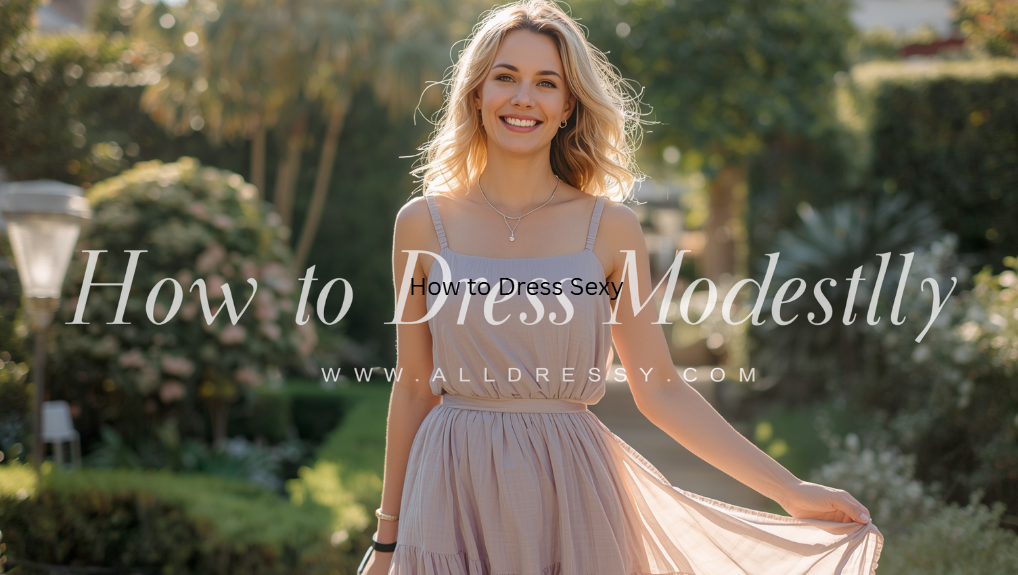
Before diving into specific clothing items, it’s important to understand the core principles of modest dressing.
Coverage and Proportion
The foundation of modest fashion is coverage. This means clothing that avoids excessive exposure of the chest, midriff, or legs. However, modest dressing also focuses on proportion—balancing loose and fitted elements to create a flattering silhouette without revealing too much.
Comfort and Fit
While modesty often requires layering or longer garments, comfort remains essential. Proper fit ensures that garments look polished without being restrictive, allowing movement and confidence. Oversized clothing is acceptable if it is tailored in a way that maintains style and shape.
Layering and Versatility
Layering is a key tool for modest dressing. It allows for multiple combinations of tops, bottoms, and outerwear, creating dimension and versatility. Long cardigans, vests, kimonos, and jackets are essential for achieving a modest yet fashionable look.
Fabric Selection
Natural, breathable fabrics like cotton, linen, silk, and wool are ideal for modest clothing. These materials provide comfort, allow airflow, and drape beautifully, enhancing the overall look without clinging to the body.
Timelessness and Style
Modest fashion focuses on timeless elegance rather than fleeting trends. Neutral tones, classic silhouettes, and simple patterns create a wardrobe that can adapt across seasons and events.
How to Dress Modestly: Wardrobe Essentials
A modest wardrobe is built on versatile, high-quality staples. These pieces form the foundation for casual, professional, and formal modest outfits.
Tops
- Long-Sleeved Shirts and Blouses: Essential for covering arms while maintaining elegance. Choose cotton, silk, or chiffon for style and comfort.
- Tunic Tops: Tunics offer coverage for the hips and thighs, making them ideal for pairing with leggings or trousers.
- High-Neck or Collared Shirts: Provide chest coverage while maintaining a refined look.
- Layered Tees: A long-sleeved tee under a short-sleeved top is a practical modest styling option.
Bottoms
- Maxi Skirts and Dresses: Floor-length skirts are a cornerstone of modest fashion, providing full coverage while allowing freedom of movement.
- Wide-Leg Pants and Palazzo Trousers: Loose-fitting pants offer comfort, coverage, and style, ideal for work or casual wear.
- Midi Skirts: Covering below the knee, midi skirts strike a balance between modesty and modern style.
- Jeans with Full-Length Coverage: High-waisted or straight-leg jeans can be paired with tunics or long tops for a modest look.
Outerwear
- Cardigans and Sweaters: Longline cardigans or oversized sweaters are perfect for layering over tops or dresses.
- Blazers and Structured Jackets: For professional settings, tailored blazers add polish while maintaining modest coverage.
- Kimonos and Wraps: Lightweight layers like kimonos provide dimension and elegance while covering the arms.
- Coats and Trench Coats: For colder climates, long coats and trench coats ensure warmth and full-body coverage without compromising style.
Dresses
- Maxi Dresses: Floor-length dresses with long sleeves are ideal for casual, social, or formal occasions.
- A-Line Dresses: A-line cuts provide movement and coverage while highlighting the waist subtly.
- Shirt Dresses: Long, buttoned shirt dresses can be layered over leggings or tights for a refined modest look.
How to Dress Modestly: Color Coordination
Color coordination is critical to creating a cohesive and stylish modest wardrobe.
Neutral Base Colors
- White, black, navy, beige, gray, and olive form the foundation of a versatile wardrobe.
- Neutral tones allow layering and mixing of textures without clashing.
Accent Colors
- Subtle pops of color like burgundy, mustard, or muted pastels can enhance modest outfits.
- Use accent colors sparingly in tops, scarves, or accessories to maintain sophistication.
Monochromatic Outfits
- Dressing in varying shades of a single color creates a sleek, elongated silhouette.
- Example: Beige maxi skirt, ivory blouse, tan cardigan, and neutral-toned shoes.
Seasonal Color Adjustments
- Spring: Soft pastels and light neutrals for a fresh, airy look.
- Summer: Light fabrics in white, beige, or soft blue for a breezy feel.
- Fall: Earthy tones like rust, olive, and mustard enhance warmth and seasonal harmony.
- Winter: Dark neutrals such as navy, charcoal, and black provide elegance and warmth.
How to Dress Modestly: Layering Techniques
Layering allows for versatile outfits while maintaining modesty.
Casual Layering
- Tunic tops over leggings with a long cardigan or kimono
- Long-sleeved tops under short-sleeved blouses or dresses
- Lightweight scarf over the shoulders for added coverage
Professional Layering
- Blazers over high-neck blouses and tailored trousers
- Cardigans over midi dresses for office-appropriate modesty
- Structured coats over business suits for winter elegance
Seasonal Layering
- Winter: Layer knitwear, coats, and scarves without adding bulk
- Summer: Lightweight layering with cotton or linen to maintain coverage without overheating
- Fall/Spring: Layer tunics, long-sleeved shirts, and cardigans for transitional weather
How to Dress Modestly: Accessories
Accessories are essential for enhancing modest outfits while adding personality and style.
Scarves and Shawls
- Lightweight scarves can cover the neckline and chest
- Shawls add elegance over tops or dresses
- Patterns or textures in scarves can elevate neutral outfits
Belts
- Belts define the waist without compromising modesty
- Thin or wide leather belts over tunics or dresses add structure
- Avoid belts that draw attention away from the overall modest silhouette
Bags
- Structured handbags or totes enhance professional modest outfits
- Crossbody or shoulder bags are practical for casual wear
- Neutral or coordinating colors maintain elegance
Jewelry
- Minimalist jewelry such as stud earrings or delicate bracelets complements modest outfits
- Layered necklaces or statement rings can be added sparingly for evening events
- Avoid overly flashy jewelry that detracts from the modest aesthetic
How to Dress Modestly: Footwear
Footwear should be stylish, comfortable, and versatile to complement modest clothing.
Casual Shoes
- Ballet flats, loafers, or minimalist sneakers for everyday wear
- Neutral tones ensure easy coordination with multiple outfits
Formal Shoes
- Closed-toe pumps or low-heeled shoes for professional or formal occasions
- Ankle boots in leather or suede provide elegance with modest coverage
Seasonal Footwear
- Summer: Sandals with ankle straps or closed flats
- Fall/Winter: Leather boots or insulated ankle boots
- Spring: Comfortable flats or low heels for outdoor activities
How to Dress Modestly: Fabrics and Textures
Selecting the right fabrics enhances modest outfits.
Breathable Fabrics
- Cotton, linen, and silk are breathable, comfortable, and drape well
- Ideal for layering without feeling heavy or bulky
Structured Fabrics
- Wool, tweed, or thick cotton provide warmth and form for winter or professional settings
- Structured fabrics maintain shape in dresses, skirts, and coats
Patterns and Textures
- Subtle patterns like stripes, polka dots, or florals add interest
- Textured fabrics like knitwear, lace, or embroidered materials enhance visual depth while maintaining modesty
How to Dress Modestly: Modest Styling for Different Occasions
Understanding how to dress modestly involves adapting outfits for casual, professional, and formal settings.
Casual Settings
- Tunics over leggings or wide-leg pants
- Maxi skirts paired with long-sleeved tops
- Cardigans or lightweight jackets for layering
- Comfortable flats or sneakers
Professional Settings
- Blouses with collars or high necklines
- Midi skirts or tailored trousers
- Blazers or structured jackets
- Closed-toe shoes or low heels
- Minimal accessories and neutral tones
Formal or Evening Events
- Maxi dresses with long sleeves or high necklines
- Floor-length skirts paired with elegant blouses
- Coordinated accessories such as scarves or statement jewelry
- Heeled shoes or stylish boots
Social or Religious Gatherings
- Dresses or skirts covering below the knee
- Long-sleeved tops layered with cardigans or shawls
- Subtle accessories for a respectful and polished look
How to Dress Modestly: Modern Trends
Modern modest fashion blends traditional modesty with contemporary style:
- Layering crop tops over long-sleeved shirts for stylish coverage
- Midi dresses with slits layered with leggings or tights
- Oversized blazers paired with trousers or wide-leg pants
- Sustainable and eco-friendly fabrics for ethical modest fashion
- Subtle patterns, monochromatic outfits, and statement outerwear for modern elegance
Mastering how to dress modestly means combining coverage, comfort, style, and personal expression. From wardrobe essentials to layering, color coordination, accessories, footwear, fabrics, and seasonal adjustments, modest fashion offers endless possibilities for creating polished and elegant outfits suitable for any occasion.
FAQs: How to Dress Modestly
What does it mean to dress modestly?
Dressing modestly means choosing clothing that covers the body appropriately, balancing comfort, style, and personal or cultural values. Modesty is about proportion, avoiding overly revealing outfits while maintaining elegance.
What are the key wardrobe essentials for modest dressing?
Key pieces include:
- Long-sleeved shirts and blouses
- Tunics and high-neck tops
- Maxi and midi skirts
- Wide-leg pants or palazzo trousers
- Cardigans, blazers, kimonos, and coats
- Floor-length dresses for formal or social events
How can I layer clothes modestly without looking bulky?
Layering is essential for modesty. Use lightweight fabrics such as cotton or linen for inner layers, and structured outer layers like blazers, cardigans, or coats. Mix fitted and loose pieces to maintain shape and style.
How do I coordinate colors in modest outfits?
Start with neutral base colors like black, white, navy, beige, or gray. Add subtle accent colors in scarves, belts, or tops. Monochromatic outfits using shades of the same color can create a sleek, cohesive look.
What types of fabrics are best for modest fashion?
Breathable fabrics like cotton, linen, silk, and wool work best for comfort and drape. Textured fabrics such as lace, knitwear, or embroidered materials add visual interest while maintaining coverage.
How should accessories be used in modest fashion?
Accessories enhance modest outfits without drawing too much attention. Use scarves, belts, handbags, minimalist jewelry, and subtle statement pieces. Match accessory colors to your outfit for a polished appearance.
How can I dress modestly for different occasions?
- Casual: Tunics over leggings, maxi skirts, cardigans, flats or sneakers
- Professional: High-neck blouses, tailored trousers, blazers, low-heeled shoes
- Formal: Maxi dresses or floor-length skirts, elegant blouses, coordinated accessories
- Seasonal: Layering with coats, scarves, and appropriate footwear for winter; light fabrics for summer
Can modern fashion trends be incorporated into modest dressing?
Yes. Modern modest fashion blends traditional coverage with contemporary style: oversized blazers, layered crop tops, sustainable fabrics, subtle patterns, and monochromatic looks. These trends maintain modesty while adding a fashionable edge.
Conclusion
Learning how to dress modestly is about balancing coverage, elegance, comfort, and personal expression. By focusing on wardrobe essentials, layering, color coordination, footwear, accessories, and fabric selection, anyone can create versatile and polished outfits suitable for any occasion.
Modest fashion allows for creativity and individuality while respecting personal, cultural, or religious values. Whether dressing for casual outings, professional settings, formal events, or social gatherings, modest outfits provide confidence, sophistication, and timeless style. By incorporating modern trends thoughtfully and paying attention to detail, you can build a wardrobe that is stylish, respectful, and adaptable across seasons and occasions. Modest dressing is not just about clothing—it’s a statement of self-respect, confidence, and refined elegance.