
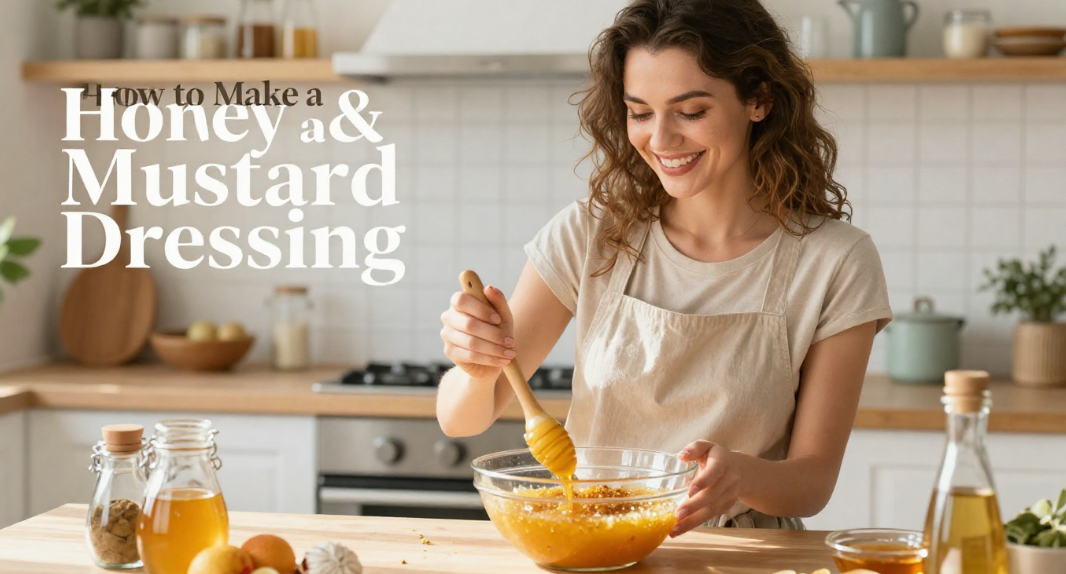
Learning how to make a honey and mustard dressing is essential for anyone who enjoys fresh, flavorful salads or versatile condiments for sandwiches, chicken, or roasted vegetables. This sweet and tangy dressing balances the sharpness of mustard with the natural sweetness of honey, creating a sauce that enhances a variety of dishes. While many store-bought versions exist, homemade honey and mustard dressing is fresher, healthier, and fully customizable.
In this comprehensive guide, we will explore everything about how to make a honey and mustard dressing—from understanding the basic ingredients to advanced variations, tips for achieving perfect texture and flavor, and practical uses in meals. By the end of this article, you’ll have all the knowledge to craft the ideal dressing for any occasion, elevating your cooking game far beyond standard recipes.
Why Honey and Mustard Dressing is So Popular
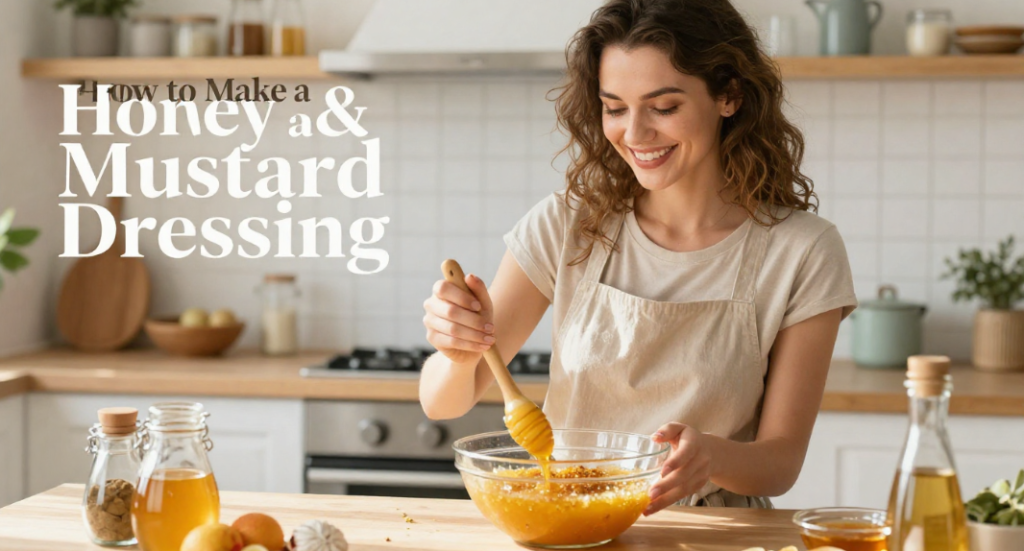
Honey and mustard dressing is a classic because it combines flavors that appeal to a wide range of tastes. Its popularity comes from several factors:
- Balanced Flavor Profile: The sweetness of honey tempers the spiciness of mustard, creating a well-rounded taste.
- Versatility: Works as a salad dressing, marinade, dip, or drizzle over roasted meats and vegetables.
- Health Benefits: Using natural honey and mustard adds antioxidants and reduces reliance on processed sugars.
- Easy to Customize: You can adjust sweetness, acidity, and spice levels to suit your preferences.
Understanding these benefits makes it clear why knowing how to make a honey and mustard dressing is a valuable culinary skill.
Essential Ingredients for Honey and Mustard Dressing
The quality of your dressing depends heavily on the ingredients you choose. Here are the essentials:
1. Mustard
- Types: Dijon mustard provides a smooth, tangy flavor; whole-grain mustard adds texture; yellow mustard offers milder taste.
- Considerations: Use fresh, high-quality mustard for best flavor. Avoid heavily processed varieties with excessive additives.
2. Honey
- Types: Raw honey provides more natural flavor and health benefits; pasteurized honey is smoother and easier to blend.
- Considerations: Adjust the quantity depending on your desired level of sweetness.
3. Oil
- Olive Oil: Adds richness and smooth texture.
- Neutral Oils: Canola or avocado oil provide subtle flavor while keeping the dressing light.
- Considerations: Use good-quality oil for optimal taste and emulsification.
4. Acidic Component
- Vinegars: Apple cider vinegar, white wine vinegar, or balsamic vinegar add brightness.
- Lemon Juice: Offers fresh acidity and lightens the overall flavor.
5. Optional Flavor Enhancers
- Garlic, salt, black pepper, herbs, or chili flakes can add depth.
- Mustard powder, smoked paprika, or a touch of soy sauce can create unique variations.
Using high-quality, fresh ingredients is key to mastering how to make a honey and mustard dressing that stands out.
Basic Method: How to Make a Honey and Mustard Dressing
Here is the step-by-step process to make a classic honey and mustard dressing:
Step 1: Combine Ingredients
- In a small bowl or jar, mix 3 tablespoons of mustard with 2 tablespoons of honey.
- Add 1–2 tablespoons of vinegar or lemon juice.
Step 2: Add Oil
- Slowly whisk in ¼ cup of olive oil until fully emulsified.
- For a creamier texture, use a blender or shake ingredients in a sealed jar.
Step 3: Season
- Add salt, black pepper, and optional herbs or spices to taste.
- Adjust honey or mustard to balance sweetness and tang.
Step 4: Taste and Adjust
- Taste the dressing and adjust ingredients as needed.
- If too thick, add a few drops of water or additional vinegar.
Step 5: Serve or Store
- Serve immediately over salad, grilled chicken, or roasted vegetables.
- Store in an airtight container in the refrigerator for up to 1–2 weeks.
This basic method forms the foundation for all honey and mustard dressing variations.
Tips for Perfect Emulsion
Creating a smooth, stable dressing requires understanding emulsification—the process of combining oil and water-based ingredients:
- Slowly Add Oil: Pour oil in a thin stream while whisking constantly.
- Use Mustard as Emulsifier: Mustard helps oil and vinegar blend together without separating.
- Blend for Consistency: A hand blender or food processor creates a creamy, even texture.
- Temperature Considerations: Room temperature ingredients emulsify more easily than cold ones.
Mastering emulsion ensures your honey and mustard dressing has a consistent, silky texture.
Variations of Honey and Mustard Dressing
1. Creamy Honey Mustard Dressing
- Add 2 tablespoons of mayonnaise or Greek yogurt for creaminess.
- Blend until smooth.
- Works well as a dip for vegetables, chicken tenders, or fries.
2. Spicy Honey Mustard Dressing
- Add a pinch of cayenne pepper, hot sauce, or crushed red pepper flakes.
- Adjust heat according to your taste.
- Great for drizzling over grilled meats or roasted vegetables.
3. Herb-Infused Honey Mustard Dressing
- Add finely chopped fresh herbs like parsley, tarragon, or dill.
- Provides fresh, aromatic flavor perfect for summer salads.
4. Balsamic Honey Mustard Dressing
- Replace vinegar with balsamic vinegar for a richer, sweeter profile.
- Ideal for leafy green salads or roasted root vegetables.
5. Asian-Inspired Honey Mustard Dressing
- Add soy sauce, sesame oil, and grated ginger.
- Creates a fusion dressing for noodle salads or grilled tofu.
Customizing your honey and mustard dressing allows you to match it to different dishes and cuisines.
Common Mistakes to Avoid
When learning how to make a honey and mustard dressing, avoid these pitfalls:
- Overusing Honey: Can make the dressing too sweet and overpower mustard.
- Not Emulsifying Properly: Oil can separate if added too quickly.
- Using Low-Quality Ingredients: Mustard and oil quality greatly affect flavor.
- Skipping Acid Adjustment: Vinegar or lemon juice balances sweetness; missing this can make the dressing flat.
Avoiding these mistakes ensures a flavorful, well-balanced dressing every time.
Advanced Techniques
Using a Blender or Food Processor
- Blending ensures a smooth, uniform texture.
- Ideal for creamy or spicy variations.
Infusing Oil or Honey
- Heat oil with herbs or spices for extra flavor.
- Infuse honey with chili or ginger for a unique twist.
Layering Flavors
- Combine different types of mustard (Dijon + whole grain) for depth.
- Use a mix of citrus juice and vinegar for complex acidity.
Advanced techniques allow you to create gourmet-level honey and mustard dressing at home.
Pairing Honey and Mustard Dressing with Foods
Salads
- Mixed greens with apples, nuts, and goat cheese.
- Spinach or kale salads with roasted vegetables.
Proteins
- Grilled chicken, pork chops, or salmon.
- Roasted tofu or tempeh for vegetarian options.
Sandwiches and Wraps
- Drizzle inside sandwiches or wraps for added flavor.
- Works well with turkey, ham, or roasted vegetables.
Vegetables and Snacks
- Roasted carrots, sweet potatoes, or Brussels sprouts.
- As a dipping sauce for fresh veggies or pretzels.
Pairing the dressing with the right dishes enhances flavor and versatility.
Storing and Preserving Honey and Mustard Dressing
- Store in airtight glass containers.
- Refrigerate for 1–2 weeks.
- Shake or whisk before each use if separation occurs.
- Avoid metal containers as vinegar can react and affect taste.
Proper storage ensures freshness and consistency over time.
Nutritional Benefits
Honey and mustard dressing can be both flavorful and healthy:
- Honey: Contains antioxidants and natural sweetness.
- Mustard: Low in calories and contains beneficial minerals.
- Olive Oil: Rich in healthy fats and heart-healthy compounds.
- Low-Sugar Option: Adjust honey quantity for lower sugar content.
By controlling ingredients, you can enjoy a dressing that is both delicious and nourishing.
Making Large Batches
- Double or triple the recipe for meal prep or parties.
- Store in the refrigerator in sterilized jars for convenience.
- Shake well before serving to restore emulsification.
Batch preparation saves time while ensuring you always have fresh, homemade dressing on hand.
Conclusion
Mastering how to make a honey and mustard dressing gives you a versatile, flavorful condiment suitable for salads, meats, vegetables, and sandwiches. By understanding the balance of sweet, tangy, and savory flavors, selecting high-quality ingredients, and using proper emulsification techniques, you can craft a dressing that elevates any dish.
Exploring variations, pairing with the right foods, and employing advanced techniques allow for creative experimentation and personalized flavors. With these strategies, homemade honey and mustard dressing becomes a staple in your kitchen, offering freshness, customization, and superior taste compared to store-bought options.
FAQs About How to Make a Honey and Mustard Dressing
1. Can I make honey and mustard dressing without a blender?
Yes. You can whisk the ingredients by hand or shake them in a sealed jar. Whisking slowly while adding oil ensures proper emulsification and smooth texture.
2. How long does homemade honey and mustard dressing last?
When stored in an airtight container in the refrigerator, it typically lasts 1–2 weeks. Always shake or whisk before using if the oil has separated.
3. Can I adjust the sweetness or tanginess?
Absolutely. Add more honey for sweetness or increase vinegar/lemon juice for a tangier flavor. Taste and adjust gradually for balanced flavor.
4. What types of mustard work best?
Dijon mustard gives a smooth, tangy flavor. Whole-grain mustard adds texture, and yellow mustard provides a milder taste. Combining types can create a complex flavor.
5. Can I make a creamy version?
Yes. Adding Greek yogurt, mayonnaise, or sour cream creates a creamy honey and mustard dressing, perfect as a dip or sandwich spread.
6. Is it healthy to use honey in the dressing?
Honey provides natural sweetness and antioxidants. Using raw or unprocessed honey is healthier than refined sugar, and controlling the amount keeps the dressing nutritious.
7. Can I make a spicy variation?
Yes. Adding cayenne pepper, chili flakes, or hot sauce creates a spicy honey and mustard dressing, ideal for grilled meats or bold salads.
8. Can I store the dressing in a glass jar?
Yes. Glass jars are ideal for storing the dressing because they are non-reactive and help maintain freshness and flavor longer.
Conclusion: Mastering How to Make a Honey and Mustard Dressing
Learning how to make a honey and mustard dressing allows you to elevate everyday meals with a flavorful, versatile condiment. From salads to meats, sandwiches, and roasted vegetables, this dressing brings balance and freshness to your dishes. By selecting high-quality ingredients, mastering emulsification, and experimenting with variations like creamy, spicy, or herb-infused versions, you can create a dressing that outshines store-bought options.
Homemade honey and mustard dressing is not only customizable but also healthier, giving you control over sweetness, acidity, and spice levels. With practice, this simple yet powerful skill transforms your cooking and ensures your meals are always flavorful, vibrant, and perfectly dressed.