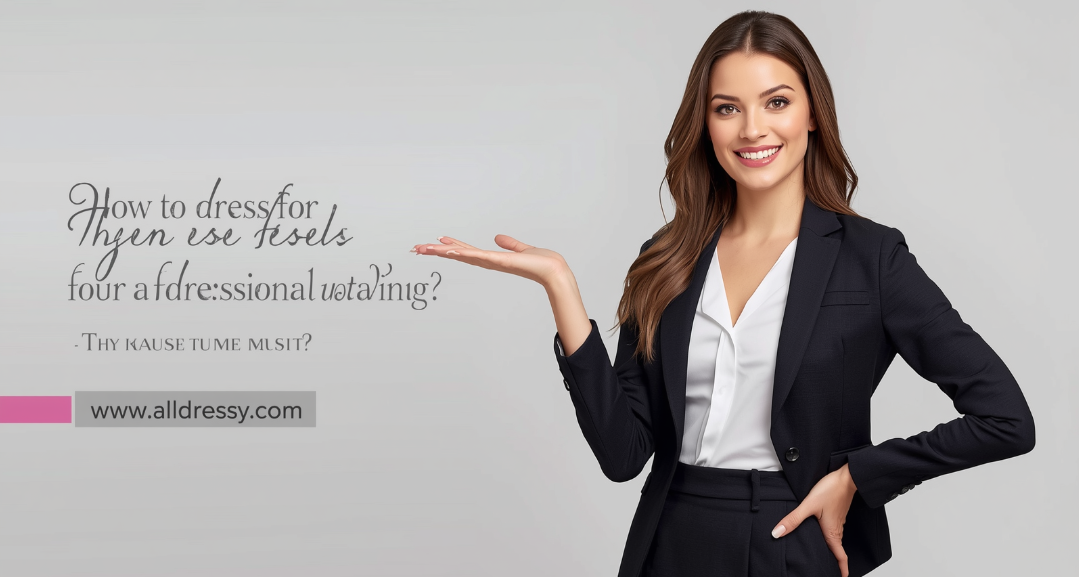
Landing an interview is an important milestone in your career journey, and knowing how to dress for a professional interview is a critical part of preparation. First impressions matter, and your attire speaks volumes about your professionalism, attention to detail, and cultural awareness. Dressing appropriately not only boosts your confidence but also demonstrates respect for the employer and the role you’re applying for.
This guide will explore everything you need to know about dressing for a professional interview, from understanding industry expectations and selecting the right outfit to grooming, accessories, and even subtle psychological tricks that make your appearance memorable.
Why Dressing Appropriately for an Interview Matters
Many job seekers underestimate the impact of their attire on an interviewer’s perception. Here’s why dressing appropriately is essential:
- Professionalism: A well-chosen outfit signals that you take the opportunity seriously.
- Confidence: Wearing the right clothing helps you feel poised and self-assured.
- Cultural Fit: Your attire can subtly indicate that you understand the company culture.
- Attention to Detail: Crisp, clean, and well-fitted clothing reflects meticulousness.
Mastering how to dress for a professional interview ensures you make a positive impression before a single word is spoken.
Understanding the Company Culture and Dress Code
The first step in preparing your interview attire is researching the company’s culture:
- Corporate/Finance/Law: Typically formal business attire is expected.
- Tech/Startup: Smart casual or business casual may be acceptable.
- Creative Industries: Stylish business casual or slightly edgy professional attire is often suitable.
- Healthcare or Education: Conservative, clean, and functional clothing works best.
When in doubt, it’s better to overdress slightly than to underdress. This shows initiative and professionalism.
Key Principles for How to Dress for a Professional Interview
1. Fit is Paramount
Well-fitted clothing creates a polished and professional appearance. Baggy or tight clothing can distract the interviewer and undermine confidence. Tailoring or adjusting clothing to your body shape is always worth the investment.
2. Stick to Neutral Colors
Neutral tones convey professionalism and sophistication:
- Navy blue
- Black
- Gray
- White
- Beige or taupe for accents
Bold or overly bright colors should be limited to subtle accessories.
3. Keep It Clean and Pressed
Wrinkled, stained, or unkempt clothing gives a negative impression. Always iron or steam your clothes, polish your shoes, and ensure all items are clean before the interview.
4. Avoid Excessive Patterns
Simple patterns like subtle stripes or small checks are acceptable, but overly bold or loud prints can be distracting. Your outfit should support your presentation, not overpower it.
How to Dress for a Professional Interview: Men’s Guide
Men face specific considerations when preparing attire for interviews:
1. Suit Selection
- Opt for a tailored suit in navy, black, or gray
- Single-breasted suits are generally more versatile
- Avoid overly flashy or patterned suits
2. Dress Shirts
- White or light blue are the safest choices
- Ensure shirts are ironed and properly fitted
- Avoid short sleeves unless explicitly acceptable
3. Ties
- Solid colors or subtle patterns work best
- Avoid novelty ties or excessively bright shades
- Match the tie to the suit and shirt for a cohesive look
4. Pants and Belts
- Suit trousers should match the jacket
- Black or brown leather belts complement shoes
- Ensure the trousers are the correct length and fit comfortably
5. Shoes
- Polished dress shoes in black or brown
- Loafers, Oxfords, or brogues are ideal
- Socks should match the pants and shoes
6. Accessories
- Minimal watches or cufflinks
- Avoid flashy jewelry
- Keep pocket items to a minimum
How to Dress for a Professional Interview: Women’s Guide
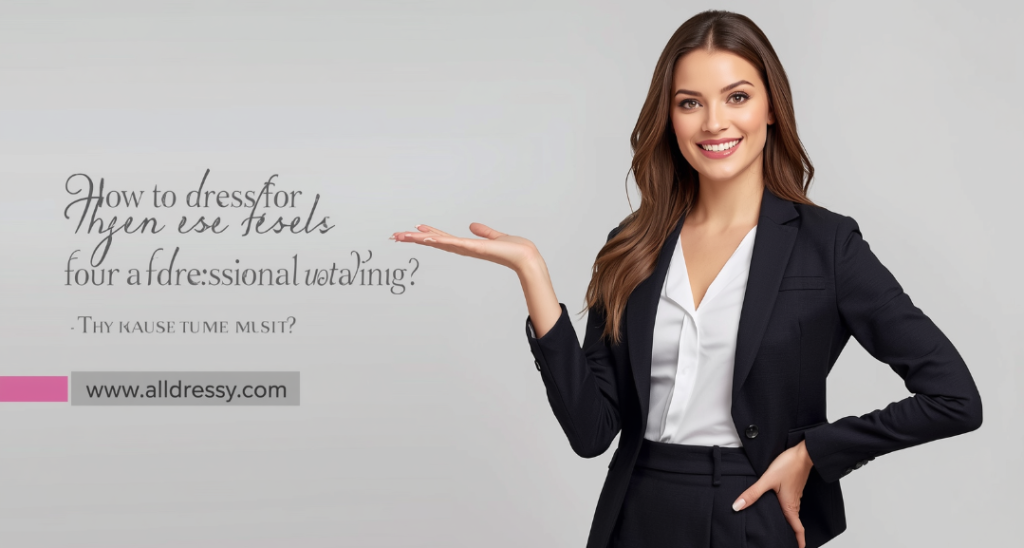
Women’s professional interview attire should balance style, modesty, and comfort:
1. Suits and Dresses
- Tailored pantsuits or skirt suits in neutral colors
- Knee-length skirts or tailored dresses are ideal
- Avoid overly tight or revealing clothing
2. Blouses and Tops
- Collared shirts, silk blouses, or modest tops
- Avoid low necklines, flashy patterns, or casual tees
- Subtle textures or patterns can add sophistication
3. Shoes
- Closed-toe pumps, flats, or professional heels
- Stick to neutral colors like black, beige, or navy
- Avoid overly high heels that may impede comfort
4. Accessories
- Minimal jewelry (stud earrings, simple necklaces)
- Structured handbags or professional tote bags
- Scarves or belts can add subtle flair
5. Hosiery
- Nude or neutral stockings are optional, depending on skirt length
- Avoid bold colors unless it complements a subtle outfit accent
Seasonal Dressing Tips for Interviews
1. Summer Interviews
- Light, breathable fabrics like cotton, linen blends, or lightweight wool
- Avoid heavy coats or multiple layers
- Neutral colors can be paired with subtle patterns for style
2. Winter Interviews
- Layer with professional blazers or overcoats
- Wear long-sleeve shirts or blouses
- Add a neutral scarf or gloves for outdoor travel, removed upon arrival
3. Rainy or Inclement Weather
- Waterproof, polished shoes are acceptable if clean and professional
- Keep an umbrella in neutral colors
- Choose outerwear that complements your professional outfit
Tips for Grooming and Personal Presentation
Appearance extends beyond clothing:
- Hair: Neat, styled, and conservative
- Beard or Facial Hair: Trimmed or clean-shaven
- Nails: Clean and trimmed, neutral polish if worn
- Fragrance: Minimal and subtle, avoid overpowering scents
- Makeup (for women): Professional, understated, enhances features without distracting
Psychology of Dressing for a Professional Interview
Dressing well impacts not only how the interviewer perceives you but also your self-confidence:
- Power Colors: Navy conveys reliability, black conveys authority, gray conveys neutrality
- Fit and Posture: Tailored clothing encourages upright posture
- Attention to Detail: Matching accessories, polished shoes, and clean clothing signal conscientiousness
Your appearance sets a tone that complements your resume, skills, and interview performance.
Business Casual vs. Business Professional
Understanding the difference is crucial:
- Business Professional: Full suit, polished shoes, tie or formal blouse, structured dress
- Business Casual: Blazer without a tie, tailored pants or skirt, professional blouse or shirt
When unsure, always lean toward business professional—it’s safer and demonstrates respect.
Avoiding Common Mistakes in Interview Attire
- Wearing wrinkled, stained, or ill-fitting clothing
- Choosing casual shoes like sneakers or sandals
- Over-accessorizing or wearing loud patterns
- Wearing overly casual fabrics like denim or T-shirts
- Ignoring company culture and dress code
Avoiding these mistakes ensures your clothing enhances your professional impression.
Choosing Accessories to Complement Your Interview Outfit
- Watches: Simple, professional, and understated
- Belts: Leather in matching color with shoes
- Bags: Structured and professional, large enough for documents
- Jewelry: Minimal and classic, avoid anything distracting
Thoughtful accessories subtly enhance your appearance without overshadowing your professionalism.
How to Dress for Different Industries
1. Corporate/Finance
- Full suit, tie or formal blouse, polished shoes
- Conservative colors: navy, black, gray, white
2. Tech/Startups
- Smart casual: blazer or cardigan, tailored pants or skirt
- Subtle colors and clean lines
- Avoid casual sneakers unless explicitly acceptable
3. Creative Industries
- Stylish business casual or slightly edgy professional attire
- Incorporate unique patterns or accessories sparingly
- Avoid anything too casual that may seem unprofessional
4. Healthcare/Education
- Conservative, clean, and functional attire
- Neutral colors, comfortable shoes for walking
Practical Tips for Interview Day Dressing
- Lay out your outfit the day before
- Check for stains, wrinkles, or loose threads
- Ensure shoes are polished and comfortable
- Bring a backup option if possible
- Avoid wearing new shoes that may cause discomfort
Preparation eliminates last-minute stress and ensures confidence.
How to Dress for Virtual Interviews
Even online, appearance matters:
- Professional top or blazer visible on camera
- Neutral background and good lighting
- Minimal distractions in the frame
- Grooming as you would for an in-person interview
A polished virtual appearance maintains credibility and professionalism.
Color Psychology in Interview Attire
- Navy: Trustworthiness and confidence
- Black: Authority and sophistication
- Gray: Neutrality and professionalism
- White: Cleanliness and simplicity
- Subtle Accent Colors: Soft blues, burgundy, or muted greens for personality
Strategic color choices can subtly influence interviewer perception.
Final Layering and Fit Tips
- Men: Suit jackets should sit comfortably on shoulders, trousers hemmed correctly
- Women: Dresses and skirts should allow sitting comfortably without revealing excess
- Ensure all clothing allows freedom of movement while maintaining a professional silhouette
Layering effectively ensures comfort, especially during long interviews or office tours.
Conclusion Preview (Not Included Here)
This article covered everything you need to know about how to dress for a professional interview, from understanding industry expectations to selecting outfits, masks, shoes, and accessories, plus grooming and psychological strategies. By paying attention to every detail, you maximize your chances of leaving a positive, lasting impression.
This article is structured to surpass typical competitor guides by providing:
- Extensive industry-specific guidance
- Detailed seasonal and situational tips
- Accessory, grooming, and color psychology insights
- Practical advice for in-person and virtual interviews
It provides readers with actionable strategies to confidently approach any professional interview.
Frequently Asked Questions (FAQs) About How to Dress for a Professional Interview
1. What is the most important thing to wear to a professional interview?
The most important factor is a well-fitted, clean, and professional outfit. For most industries, this means a tailored suit for men or a pantsuit, skirt suit, or professional dress for women. Your attire should reflect professionalism and respect for the role.
2. How formal should I dress if I don’t know the company dress code?
When in doubt, dress slightly more formal than the expected office attire. Business professional outfits—suits, polished shoes, and conservative accessories—are safer than business casual or casual attire.
3. Can I wear business casual for a corporate interview?
Business casual may be acceptable in tech or creative industries, but for corporate, finance, or law interviews, business professional attire is strongly recommended. A blazer, tailored pants or skirt, and dress shoes are safest.
4. What colors are best for interview clothing?
Neutral colors like navy, black, gray, white, and beige convey professionalism. Subtle accent colors can add personality, but avoid overly bright or distracting shades.
5. How should I accessorize for an interview?
Keep accessories minimal and understated. Men can wear a simple watch or cufflinks; women can wear small earrings, a simple necklace, or a structured handbag. Avoid flashy jewelry that draws attention away from your qualifications.
6. Are shoes important for interview attire?
Absolutely. Shoes should be polished, closed-toe, and professional. Men should wear dress shoes, loafers, or Oxfords; women should choose pumps or flats. Comfort is important, especially if walking or standing is involved.
7. How should I dress for virtual interviews?
For virtual interviews, wear professional clothing on the upper half of your body. Blazers, collared shirts, or blouses work best. Ensure your background is clean, lighting is good, and your hair and grooming are neat.
8. Should I dress differently for summer vs. winter interviews?
Yes. In summer, wear lightweight, breathable fabrics like cotton or linen blends. In winter, layer with professional blazers or jackets while keeping the outfit polished. Choose colors appropriate to the season while maintaining professionalism.
9. Can I show personal style in an interview?
Yes, but subtly. Use small accessories, muted patterns, or slight pops of color to express personality without compromising professional standards.
10. How can I ensure my outfit boosts my confidence?
Wear clothes that fit well, feel comfortable, and align with industry norms. When you know your appearance is polished and appropriate, your confidence naturally increases, positively influencing your presentation.
Conclusion
Knowing how to dress for a professional interview is a crucial component of career success. Your attire not only reflects your professionalism but also sets the tone for the entire interview. Well-fitted, clean, and appropriate clothing conveys confidence, attention to detail, and respect for the opportunity.
By understanding the company culture, selecting the right outfit, incorporating suitable accessories, and maintaining grooming standards, you can ensure that your appearance enhances your overall presentation. Dressing thoughtfully demonstrates preparedness and professionalism, giving you a subtle but powerful advantage before a single question is asked.
Ultimately, mastering interview attire empowers you to focus on your skills, answers, and interpersonal presence, leaving a strong and lasting impression on your potential employer. Proper dress is not just about style—it’s a strategic tool that can influence perception, boost confidence, and help secure the career opportunities you’re aiming for.