
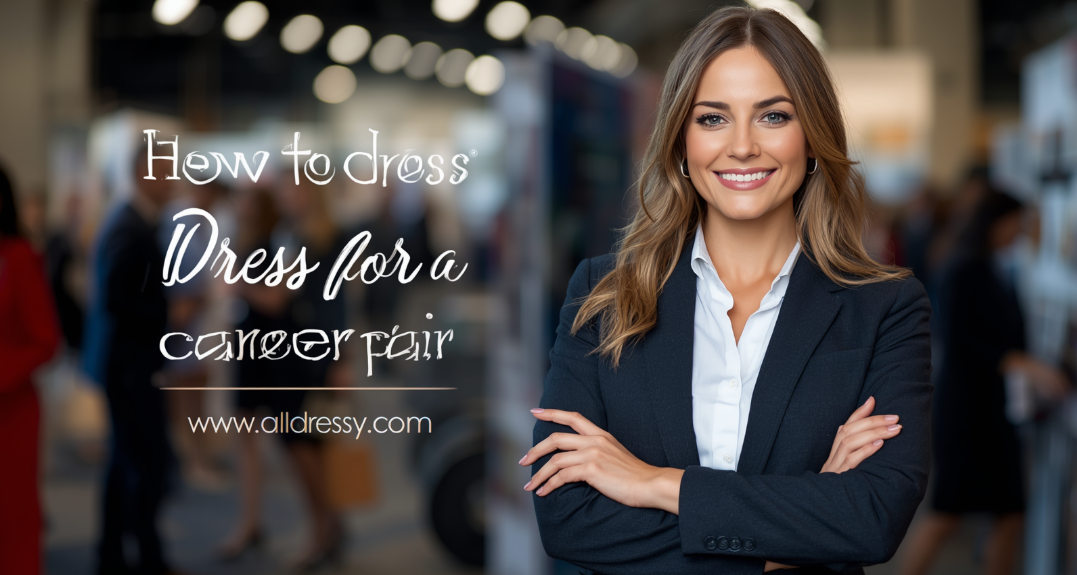
First impressions matter—especially at a career fair where recruiters meet dozens or even hundreds of candidates in a single day. Knowing how to dress for a career fair can significantly influence how you’re perceived before you even say a word.
Your outfit communicates professionalism, confidence, attention to detail, and your understanding of workplace culture. Dressing appropriately doesn’t just help you blend in—it helps you stand out for the right reasons. Whether you’re a student, recent graduate, or professional exploring new opportunities, learning how to dress for a career fair is essential for success.
This comprehensive guide will walk you through everything you need to know, from choosing the right outfit to avoiding common mistakes and adapting your look based on industry expectations.
Why Dressing Properly for a Career Fair Is So Important
Understanding how to dress for a career fair goes beyond looking good:
- Creates a strong first impression
- Shows professionalism and seriousness
- Reflects your understanding of the industry
- Boosts your confidence
- Makes recruiters more likely to remember you
In many cases, your appearance can determine whether a recruiter initiates a conversation or not.
Understanding Career Fair Dress Codes
Before deciding what to wear, it’s important to understand typical dress codes.
1. Business Professional
This is the safest and most recommended option:
- Formal suits
- Neutral colors
- Polished shoes
Best for industries like finance, law, and corporate roles.
2. Business Casual
Slightly relaxed but still professional:
- Dress shirts or blouses
- Slacks or skirts
- Blazers optional
Common in tech, marketing, and creative industries.
3. Industry-Specific Dress
Some industries allow more flexibility:
- Tech: Smart casual
- Creative: Stylish but polished
- Startups: Casual but neat
Researching the companies attending the fair helps you choose the right level of formality.
How to Dress for a Career Fair: Core Principles
Regardless of industry, these principles apply:
1. Fit Matters More Than Price
Well-fitted clothing looks more professional than expensive but ill-fitting outfits. Avoid overly tight or baggy clothing.
2. Stick to Neutral Colors
Neutral tones create a polished look:
- Black
- Navy
- Gray
- White
You can add subtle color through accessories.
3. Keep It Clean and Wrinkle-Free
Wrinkled or stained clothing sends the wrong message. Always iron or steam your outfit beforehand.
4. Dress One Level Above Expected
When in doubt, dress slightly more formal than required. It shows effort and professionalism.
What to Wear: Men’s Guide
Understanding how to dress for a career fair for men involves building a clean, professional look.
1. Suit or Blazer
- Navy or charcoal suits are ideal
- Blazers paired with slacks work for business casual
2. Dress Shirt
- White or light blue is safest
- Ensure it’s well-pressed
3. Tie (Optional but Recommended)
- Adds professionalism
- Choose simple patterns or solid colors
4. Pants
- Dress slacks or suit pants
- Avoid jeans unless the event is very casual
5. Shoes
- Leather dress shoes (black or brown)
- Clean and polished
6. Accessories
- Minimal watch
- Simple belt matching shoes
What to Wear: Women’s Guide
When learning how to dress for a career fair, women have several professional options.
1. Blazer or Jacket
- Adds structure and professionalism
- Neutral colors work best
2. Top or Blouse
- Modest neckline
- Avoid overly bright or distracting patterns
3. Bottoms
- Dress pants, skirts, or dresses
- Knee-length or longer for skirts
4. Shoes
- Closed-toe flats or low heels
- Comfortable for walking and standing
5. Accessories
- Minimal jewelry
- Structured handbag or portfolio
Industry-Specific Outfit Tips
Different industries have different expectations:
1. Corporate (Finance, Law, Consulting)
- Full business professional attire
- Conservative colors
- Minimal accessories
2. Technology
- Business casual
- Blazer with chinos or slacks
- Clean sneakers sometimes acceptable
3. Creative Fields
- Stylish but polished
- Add personality through subtle design elements
4. Healthcare
- Professional but practical
- Clean, simple attire
Grooming and Personal Presentation
Knowing how to dress for a career fair also includes grooming:
1. Hair
- Neat and styled
- Avoid overly casual looks
2. Hygiene
- Clean and fresh appearance
- Light fragrance only
3. Nails and Hands
- Clean and trimmed
- Neutral nail colors preferred
What Not to Wear to a Career Fair
Avoid these common mistakes:
1. Casual Clothing
- Jeans (in most cases)
- T-shirts
- Hoodies
2. Overly Trendy Outfits
- Distracting patterns
- Flashy accessories
3. Uncomfortable Shoes
- High heels you can’t walk in
- Worn-out footwear
4. Strong Perfumes or Cologne
- Can be overwhelming in crowded spaces
5. Wrinkled or Dirty Clothes
- Signals lack of preparation
How to Prepare Your Outfit in Advance
Preparation is key:
- Choose your outfit the day before
- Try it on to ensure fit
- Iron or steam clothing
- Check for stains or damage
Planning ahead reduces stress on the day of the event.
How to Dress for a Career Fair on a Budget
You don’t need to spend a lot:
- Invest in one versatile blazer
- Choose neutral pieces you can mix and match
- Shop sales or secondhand stores
- Focus on fit and cleanliness
A simple, well-coordinated outfit can look just as professional as an expensive one.
Seasonal Dressing Tips
Summer Career Fairs
- Lightweight fabrics
- Light colors
- Breathable materials
Winter Career Fairs
- Layer with coats
- Stick to darker tones
- Ensure outerwear is professional
Carrying Essentials Without Ruining Your Look
Bring only what you need:
- Copies of your resume
- Notebook and pen
- Portfolio or folder
Avoid bulky bags that distract from your appearance.
Body Language and Confidence
Even the best outfit won’t help without confidence:
- Stand tall
- Make eye contact
- Smile
- Offer a firm handshake
Your presentation and attire work together to create a strong impression.
Quick Outfit Checklist
Before leaving:
- Clothes clean and pressed
- Shoes polished
- Hair neat
- Breath fresh
- Essentials packed
Advanced Tips to Stand Out
To go beyond the basics:
- Add a subtle personal touch (tie, scarf, accessory)
- Match your outfit to your target industry
- Wear something memorable but professional
- Ensure comfort for long hours
Standing out doesn’t mean overdressing—it means dressing smartly.
How to Adapt If You’re Unsure About Dress Code
If you’re unsure:
- Choose business casual with a blazer
- Avoid extremes (too formal or too casual)
- Research companies attending
It’s always better to be slightly overdressed than underdressed.
The Psychology Behind Dressing Well
Your outfit influences perception:
- Professional attire builds trust
- Clean appearance signals reliability
- Attention to detail reflects work ethic
Dressing well can positively impact how recruiters evaluate you.
Final Thoughts on How to Dress for a Career Fair
Mastering how to dress for a career fair is a powerful step toward making a lasting impression. Your outfit should reflect professionalism, confidence, and an understanding of the industry you’re entering. By focusing on fit, cleanliness, appropriate style, and subtle personal touches, you can create a polished look that supports your career goals.
With the right preparation and attention to detail, you’ll not only look the part but also feel more confident approaching recruiters and making meaningful connections. Dressing well isn’t just about appearance—it’s about presenting yourself as a capable and prepared candidate ready to succeed.
Frequently Asked Questions (FAQs) About How to Dress for a Career Fair
1. What is the best dress code for a career fair?
The safest option is business professional, which includes a suit, dress shirt or blouse, and polished shoes. Business casual can also work for tech, creative, or startup industries, but when in doubt, dress slightly more formal.
2. Should men wear a tie to a career fair?
While not always required, wearing a tie adds professionalism and shows attention to detail. Solid colors or subtle patterns are ideal.
3. Can women wear dresses to a career fair?
Yes. Choose knee-length or midi dresses with modest necklines. Pair them with a blazer or structured jacket for a polished look.
4. How can I dress professionally on a budget?
Invest in neutral, versatile pieces such as a blazer, dress pants, or pencil skirt. Mix and match these items, and focus on fit and cleanliness rather than expensive labels.
5. What shoes are appropriate for a career fair?
Closed-toe shoes are preferred. Flats, low heels, or polished dress shoes are comfortable for walking and standing, while still maintaining a professional appearance.
6. Should I wear bright colors or patterns?
Subtle colors or accents are fine, but avoid overly bold patterns that can distract from your professionalism. Neutral tones with minor accessories are best.
7. How do I dress for a career fair in a casual industry?
In creative, tech, or startup fields, you can wear smart casual attire: a blazer with neat trousers, a collared shirt, or a polished dress. Avoid overly casual clothing like ripped jeans or hoodies.
8. How should I handle grooming and personal hygiene?
Ensure hair is neat, nails are clean, breath is fresh, and minimal fragrance is used. A well-groomed appearance complements your outfit and creates a strong impression.
9. How should I dress for seasonal career fairs?
In summer, choose lightweight fabrics and breathable materials. In winter, layer smartly with a professional coat and darker tones, while maintaining a polished look.
10. Can accessories help or hurt my career fair outfit?
Accessories like a simple watch, small earrings, or a structured portfolio can enhance your professional image. Avoid large, flashy jewelry or anything that draws attention away from you.
Conclusion
Knowing how to dress for a career fair is an essential part of career preparation. Your outfit is the first impression recruiters will have, and dressing appropriately communicates professionalism, confidence, and attention to detail.
By choosing well-fitted clothing, neutral colors, appropriate shoes, and subtle accessories, you can create a polished look suitable for any industry. Grooming, posture, and confidence work hand-in-hand with your attire to leave a lasting positive impression.
Ultimately, dressing correctly is about more than appearance—it’s about signaling that you are a capable, prepared, and professional candidate ready to make an impact. With the right approach, your career fair wardrobe becomes a tool that supports your goals and helps you stand out among hundreds of attendees.