
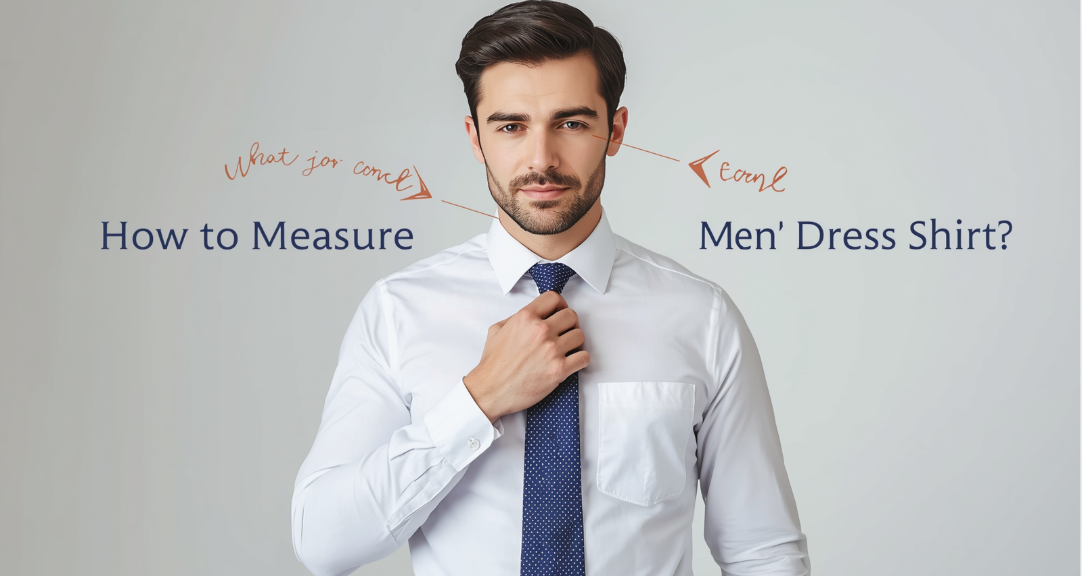
Knowing how to measure mens dress shirt is essential for achieving a professional, stylish, and comfortable look. Whether you are buying a dress shirt online, ordering custom-made shirts, or shopping in-store, precise measurements make the difference between a well-fitted shirt and one that is too tight, too loose, or awkwardly proportioned. Understanding how to measure mens dress shirt properly ensures your shirts fit your body type, enhance your style, and provide comfort for all-day wear.
This comprehensive guide will explain everything you need to know about measuring a men’s dress shirt, including step-by-step instructions, tools required, tips for custom and ready-to-wear shirts, sizing variations, and adjustments for body types. By mastering these techniques, you can confidently select or order dress shirts that complement your frame and style.
Why It’s Important to Know How to Measure Mens Dress Shirt
Understanding how to measure mens dress shirt is vital for several reasons:
- Perfect Fit: Shirts that fit well look polished and professional.
- Comfort: Proper measurements prevent tightness across the chest or sleeves and allow ease of movement.
- Style: Well-fitted shirts enhance your body shape and elevate your overall appearance.
- Online Shopping Confidence: With accurate measurements, you can purchase shirts from any brand or store without worrying about size discrepancies.
- Custom Shirts: Knowing your measurements is essential when ordering tailored or made-to-measure dress shirts.
By learning how to measure mens dress shirt, you save time, money, and stress while ensuring your wardrobe reflects style, confidence, and professionalism.
Essential Tools for Measuring a Men’s Dress Shirt
Before you begin measuring, it’s important to have the right tools. Accurate measurements require precision and the proper equipment.
1. Measuring Tape
A soft, flexible cloth measuring tape is ideal. It contours to your body and provides accurate measurements. Avoid rigid rulers or metal tapes, as they may give incorrect readings.
2. Mirror
A full-length mirror allows you to see if the measuring tape is level and correctly positioned, especially for shoulder, chest, and back measurements.
3. Helper
While some measurements can be taken alone, having a friend or family member assist ensures accuracy, particularly for shoulders and sleeve length.
4. Notepad or Digital Device
Record your measurements immediately to avoid forgetting or mixing numbers. Write in both inches and centimeters for versatility.
Key Measurements for a Men’s Dress Shirt
To properly know how to measure mens dress shirt, you need to focus on several key measurements. Each measurement corresponds to a part of the shirt and affects fit, comfort, and appearance.
1. Neck Measurement
The neck is the most critical measurement for a dress shirt.
- Wrap the tape around the base of your neck where the collar will sit.
- Leave a small gap (around half an inch) to allow movement and comfort.
- Ensure the tape is snug but not tight.
The neck measurement determines the collar size, which is essential for tie wear and overall comfort.
2. Chest Measurement
Chest measurement ensures that the shirt fits well across the torso.
- Wrap the tape around the widest part of your chest, just under the armpits.
- Keep the tape level and snug but not tight.
- Stand naturally without flexing your muscles.
Chest size is crucial for tailored and fitted shirts. A poorly measured chest can lead to gaping buttons or restrictive movement.
3. Waist Measurement
The waist measurement is important for slim-fit or tailored shirts.
- Measure around your natural waistline, typically just above the belly button.
- Stand straight without holding in your stomach.
This measurement helps ensure the shirt doesn’t billow or feel tight when tucked in.
4. Shoulder Measurement
Shoulders are key to a polished shirt fit.
- Measure from the tip of one shoulder to the tip of the other.
- Keep the tape straight across the back.
Correct shoulder measurement prevents the shirt from sagging or having excess fabric in the upper body.
5. Sleeve Length
Sleeve length affects both comfort and style, especially for formal settings.
- Start from the shoulder seam (or where you want the sleeve to begin) down to the wrist.
- Keep your arm relaxed and slightly bent to ensure the sleeve is comfortable.
Proper sleeve length ensures that cuffs sit correctly at the wrist and avoid excess fabric or short sleeves.
6. Shirt Length
Shirt length determines how well the shirt stays tucked and its overall proportion.
- Measure from the highest shoulder point down to where you want the hem to fall.
- For a classic fit, the shirt should be long enough to stay tucked into pants.
7. Wrist Measurement
For cuff size, measure around your wrist where the cuff will sit.
- Add a small allowance (around half an inch) to ensure comfort.
- This is especially important for buttoned or French cuffs.
Step-by-Step Guide on How to Measure Mens Dress Shirt
Here’s a detailed process for measuring a men’s dress shirt accurately:
Step 1: Prepare Yourself
- Wear a well-fitting undershirt.
- Stand straight with relaxed arms.
- Have your measuring tape, mirror, and notepad ready.
Step 2: Measure the Neck
- Wrap the tape around the base of your neck.
- Insert a finger for a comfortable fit.
- Record the measurement.
Step 3: Measure the Chest
- Wrap the tape around the widest part of the chest.
- Keep the tape snug but not tight.
- Ensure the tape is level across the back.
Step 4: Measure the Waist
- Wrap the tape around your natural waistline.
- Stand normally without sucking in your stomach.
- Record the measurement for fitted shirts.
Step 5: Measure the Shoulders
- Measure from one shoulder tip to the other.
- Keep the tape straight and level.
Step 6: Measure Sleeve Length
- Start from the shoulder seam down to the wrist.
- Slightly bend your arm to allow for movement.
Step 7: Measure Shirt Length
- Measure from the highest shoulder point down to the desired hemline.
- Ensure enough length for tucking or casual wear.
Step 8: Measure the Wrist
- Wrap the tape around your wrist where the cuff will sit.
- Add ½ inch for comfort.
Recording all these measurements ensures that any dress shirt, whether custom-made or ready-to-wear, fits perfectly.
Tips for Measuring Mens Dress Shirt Accurately
- Measure Twice: Always double-check each measurement for accuracy.
- Use a Helper: Some areas, like shoulders or back, are hard to measure alone.
- Record Measurements: Write them down for reference when shopping.
- Consider Fit Type: Slim-fit, classic, or relaxed-fit shirts may require slight adjustments to measurements.
- Account for Fabric Stretch: Non-stretch fabrics need precise measurements, while fabrics with stretch allow flexibility.
- Use Both Inches and Centimeters: Some brands provide charts in different units.
How to Measure Mens Dress Shirt for Custom or Tailored Shirts
Custom shirts require precise measurements. Knowing how to measure mens dress shirt is essential for a perfect fit.
1. Take All Key Measurements
- Neck, chest, waist, shoulders, sleeve length, shirt length, wrist.
- For more advanced tailoring, include measurements for bicep, armhole, and back width.
2. Discuss Fit Preference
- Slim-fit: closer to the body, emphasizes silhouette.
- Classic-fit: comfortable with more room around the chest and waist.
- Relaxed-fit: loose, casual look.
3. Verify Ease Allowance
- Add ease for movement, especially for non-stretch fabrics.
- Typical ease allowance is 1–2 inches on the chest and waist.
4. Final Measurement Check
- Some tailors may provide a test shirt or digital mock-up.
- Confirm that all measurements align with your comfort and style preference.
How to Measure Mens Dress Shirt for Online Shopping
Shopping online requires precision. Here’s how to apply how to measure mens dress shirt knowledge online:
1. Compare Measurements to Size Chart
- Use your recorded measurements against the brand’s chart.
- Focus on neck, chest, waist, and sleeve length.
2. Check Product Fit Description
- Slim-fit, regular-fit, or relaxed-fit affects sizing choice.
3. Review Customer Feedback
- Look for comments on whether shirts run large, small, or true to size.
4. Consider Alterations
- Slight size differences can often be corrected by a tailor.
- Knowing your exact measurements helps in adjusting sleeves, collars, or waist.
Common Mistakes When Measuring a Men’s Dress Shirt
- Using a rigid ruler instead of a soft measuring tape.
- Measuring over bulky clothing instead of fitted undergarments.
- Not keeping the tape level across shoulders or chest.
- Forgetting to add ease allowance for comfort.
- Relying solely on shirt size labels rather than measurements.
Adjusting Dress Shirt Measurements for Different Body Types
- Broad Shoulders: Consider slightly larger neck and shoulder measurements.
- Slim Build: Opt for slim-fit shirts to avoid excess fabric.
- Muscular Build: Ensure chest and bicep measurements allow movement.
- Tall Individuals: Pay attention to sleeve and shirt length to avoid short sleeves or hem.
Seasonal and Style Considerations
- Summer: Lightweight fabrics like cotton or linen.
- Winter: Layering with long sleeves and heavier fabrics.
- Formal: Crisp fabric, precise measurements, and proper sleeve length.
- Casual: Slightly relaxed fit for comfort and movement.
FAQs: How to Measure Mens Dress Shirt
1. Why is it important to know how to measure mens dress shirt?
Knowing how to measure mens dress shirt ensures a perfect fit, improves comfort, and enhances your overall appearance. Accurate measurements prevent tightness, gaping buttons, or overly loose shirts and save time and money when shopping online or ordering custom shirts.
2. What are the key measurements needed for a men’s dress shirt?
The essential measurements include:
- Neck
- Chest
- Waist
- Shoulders
- Sleeve length
- Shirt length
- Wrist circumference
These measurements help you choose the right size for ready-to-wear or tailored shirts.
3. How do I measure my neck for a dress shirt?
Wrap a soft measuring tape around the base of your neck, where the collar sits. Leave a small gap (about half an inch) for comfort and ensure the tape is snug but not tight.
4. How do I measure my chest and waist?
- Chest: Measure around the fullest part of your chest, keeping the tape level and snug.
- Waist: Measure around your natural waistline, just above the belly button, without holding in your stomach.
5. How do I measure shoulders and sleeve length?
- Shoulders: Measure from the tip of one shoulder to the tip of the other across the back.
- Sleeve Length: Start from the shoulder seam down to the wrist, with your arm slightly bent.
6. How do I measure shirt length and wrist circumference?
- Shirt Length: Measure from the highest shoulder point down to where you want the hemline to fall.
- Wrist: Measure around the wrist where the cuff sits, adding about half an inch for comfort.
7. How do I account for different fits?
- Slim-fit shirts: Require precise measurements, especially for chest and waist.
- Classic-fit shirts: Allow some extra room for comfort.
- Relaxed-fit shirts: Provide more ease, suitable for casual wear.
8. How do I use these measurements when shopping online?
Compare your measurements to the brand’s size chart, check the fit type (slim, classic, or relaxed), read product descriptions, and consider customer feedback for sizing guidance.
9. Can I use the same measurements for custom-made and ready-to-wear shirts?
Yes, accurate measurements are essential for both. Custom-made shirts often require additional measurements like bicep or back width, but the fundamental measurements remain the same.
10. How often should I measure myself for dress shirts?
It’s recommended to measure yourself every 6–12 months or whenever your body shape changes to ensure accurate sizing.
Conclusion
Mastering how to measure mens dress shirt is the key to achieving a perfect fit, whether for formal, business, or casual wear. Accurate measurements of your neck, chest, waist, shoulders, sleeves, shirt length, and wrists ensure that every shirt fits comfortably and flatters your body shape.
Understanding your measurements allows you to confidently shop online, order custom shirts, or select ready-to-wear options from any brand. It eliminates the frustration of ill-fitting shirts, enhances your style, and ensures professional and polished appearances for all occasions. Proper measurement techniques are more than just numbers—they are the foundation of comfort, confidence, and impeccable style in every men’s dress shirt you wear.