
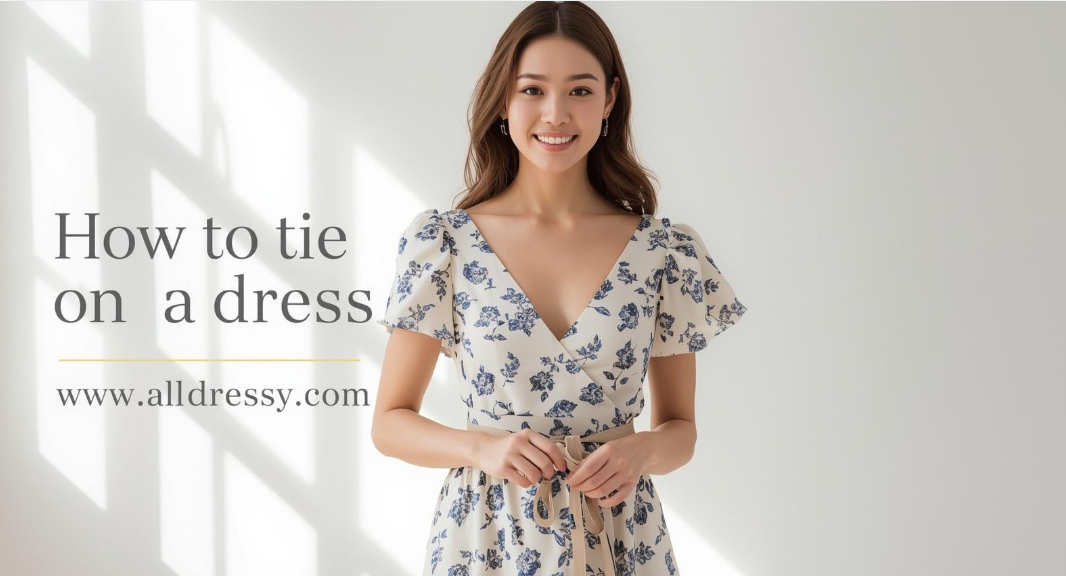
Belts are one of the most versatile accessories in a wardrobe, capable of transforming a simple dress into a chic, fashion-forward outfit. Knowing how to tie a belt on a dress is essential for any fashion enthusiast, as the right technique can enhance your silhouette, define your waistline, and elevate your overall look. Whether you’re styling a casual day dress, a formal evening gown, or a trendy midi dress, mastering the art of belt tying allows you to unlock endless styling possibilities. In this comprehensive guide, we will explore everything from selecting the right belt to professional-level tying techniques, ensuring you make the most out of this timeless accessory.
Choosing the Right Belt for Your Dress
Before diving into how to tie a belt on a dress, it’s crucial to select a belt that complements your dress and body type. Belts come in a variety of materials, widths, and styles, each suitable for different outfits and occasions.
1. Belt Width
- Thin belts: Ideal for dresses that are form-fitting or flowy. Thin belts are subtle and add just a touch of definition without overwhelming your outfit.
- Medium belts: Perfect for casual or office dresses, providing balance and structure.
- Wide belts: Best for high-waisted dresses or maxi dresses, creating a statement and emphasizing the waist dramatically.
2. Belt Material
- Leather belts: Classic and versatile, suitable for both casual and formal dresses. Leather belts add a touch of sophistication.
- Fabric belts: Soft and flexible, often used with casual or boho dresses. They can be tied in knots or bows easily.
- Metal belts: Statement-making, these are often used for evening dresses or fashion-forward outfits.
3. Belt Color
Choosing a color that contrasts or complements your dress is key. A contrasting belt draws attention to the waistline, while a matching belt creates a cohesive, seamless look.
Understanding Dress Types and Belt Placement
Different dresses require different belt placement to achieve the most flattering effect. Knowing how to tie a belt on a dress begins with understanding where and how the belt should sit on your body.
1. A-Line Dresses
A-line dresses naturally flare out from the waist. A belt should sit at your natural waistline to enhance your silhouette without disrupting the dress’s flow.
2. Shift Dresses
Shift dresses are generally loose-fitting and straight. Tying a belt slightly above your hips or at the empire waist creates the illusion of curves and adds shape to a boxy silhouette.
3. Wrap Dresses
Wrap dresses are inherently designed for belting. Use the existing fabric ties or add a separate belt to accentuate the waist. Ensure the knot or bow is tight enough to keep the wrap secure.
4. Shirt Dresses
Shirt dresses often feature button-down fronts. A belt tied at the waist creates a polished, tailored look. Thin leather belts work best here to maintain a clean, professional vibe.
5. Maxi Dresses
For flowy maxi dresses, belts can break up the length and create a balanced figure. High-waisted belts elongate the legs, while low-waist belts provide a relaxed, bohemian style.
Step-by-Step Techniques on How to Tie a Belt on a Dress
Once you have chosen the right belt and identified the dress type, it’s time to learn the techniques of how to tie a belt on a dress. There are multiple ways to tie belts, each giving a different effect.
1. Classic Knot
The classic knot is simple and works with fabric or leather belts.
Steps:
- Wrap the belt around your waist evenly.
- Cross the ends over each other.
- Tuck one end under the other and pull tight.
- Adjust the knot to sit slightly to the side for a more modern look.
This technique is timeless and ideal for everyday dresses or casual outings.
2. Bow Tie Belt
A bow adds a feminine, playful touch to your outfit, perfect for party dresses or casual midi dresses.
Steps:
- Place the belt around your waist.
- Make a loop with one end.
- Wrap the other end around the loop.
- Pull it through to form a bow.
- Adjust the bow loops and tails for symmetry and style.
3. Double Wrap
Double wrap belts are great for long dresses or belts with extra length.
Steps:
- Wrap the belt around your waist twice.
- Overlap the ends evenly at the front or side.
- Tie a knot or bow to secure the belt.
This technique adds dimension and makes the waist look smaller, perfect for tall or slim frames.
4. Side Knot
Tying the belt to the side is a subtle way to add flair.
Steps:
- Wrap the belt around your waist.
- Position the ends at the side.
- Tie a simple knot or bow.
Side knots work especially well with asymmetrical or casual dresses, giving a relaxed yet chic look.
5. Half-Tuck Loop
For fabric belts or scarves, the half-tuck loop creates a stylish, effortless vibe.
Steps:
- Wrap the belt around your waist.
- Make a small loop with one end.
- Pull the other end through the loop partially, leaving one tail hanging.
This method is popular with bohemian or casual outfits and creates a relaxed, editorial look.
Styling Tips: How to Tie a Belt on a Dress for Different Occasions
Knowing how to tie a belt on a dress is not just about technique—it’s about style. Your choice of belt style and knot should reflect the occasion.
1. Office or Professional Settings
- Choose thin to medium belts in neutral tones like black, brown, or beige.
- Use classic knots to maintain a polished appearance.
- Avoid oversized bows or side knots, which can appear too casual.
2. Casual Day Out
- Fabric belts or colorful leather belts add personality to casual dresses.
- Try side knots or bow ties to create a playful, relaxed look.
- Double wrap belts can also add dimension to simpler dresses.
3. Evening or Formal Events
- Metallic belts or sleek leather belts work best.
- Opt for bow ties or sophisticated knot styles for a statement effect.
- Ensure the belt complements your dress rather than distracting from it.
4. Bohemian and Festival Styles
- Scarves or fabric belts with patterns enhance maxi or flowy dresses.
- Half-tuck loops and side knots create a laid-back, free-spirited aesthetic.
- Mix textures for a visually interesting look.
Tricks for Making Any Belt Work on Any Dress
Even if a belt isn’t designed for a specific dress type, you can still make it work by applying some styling tricks:
1. Layering Belts
Layering thin belts over a dress creates visual interest and can replace one wide belt. Experiment with colors and textures for a bold fashion statement.
2. Cinching Over Jackets
Belts can be tied over jackets, cardigans, or blazers worn over a dress to define the waistline and add structure. This is particularly effective for oversized or loose-fitting dresses.
3. Using Scarves as Belts
A scarf tied as a belt can instantly elevate a dress. Long, patterned scarves are particularly versatile, allowing for creative knots and wraps.
4. Adjustable Belt Placement
Don’t feel restricted to your natural waist. Experiment with belts slightly above or below the waist to change the dress’s silhouette and create different looks.
Common Mistakes to Avoid When Tying a Belt on a Dress
Even the most stylish outfits can be undermined by belt mistakes. Here’s what to avoid:
- Wrong Belt Width: Using an excessively wide belt on a delicate dress can overwhelm your frame.
- Poor Knot Placement: Knots or bows that are uneven or off-center can make the outfit look sloppy.
- Clashing Colors: Avoid belts that clash harshly with your dress. Color harmony is key.
- Ignoring Dress Material: Slippery fabrics may require knots or bows that are tighter to prevent slipping.
- Overcomplicating the Tie: Simplicity often works best. Avoid knots that look too fussy unless it’s intentional for style.
Enhancing Your Look: Accessories and Belts
Belts don’t exist in isolation—they interact with other accessories to create a cohesive outfit.
- Shoes: Match your belt material or color with your shoes for a polished appearance.
- Bags: Coordinated belts and handbags create harmony in your outfit.
- Jewelry: Avoid heavy necklaces that compete with a statement belt; instead, complement your belt with subtle jewelry.
Belt Trends to Watch
Fashion evolves constantly, and knowing current belt trends can inform how you tie your belt on a dress:
- Corset Belts: Wide belts that mimic corsets are increasingly popular with dresses for dramatic waist definition.
- Statement Buckles: Belts with large or artistic buckles act as focal points.
- Mixing Materials: Combining leather with fabric or metallic elements creates a unique, modern look.
- Minimalist Belts: Sleek, thin belts in neutral shades remain timeless for professional and casual outfits.
Expert Tips on How to Tie a Belt on a Dress
- Always consider the dress silhouette and body shape before tying the belt.
- Adjust knot tightness based on dress material: slippery fabrics need a tighter knot.
- Experiment with different knot positions: side, center, or back knots can dramatically change your style.
- Layer textures, colors, and belt widths to add depth and visual interest to your outfit.
- Observe fashion icons and runway trends for inspiration on innovative belt tying techniques.
This article has provided an in-depth guide on how to tie a belt on a dress, covering every angle—from selecting the right belt, mastering knot techniques, styling for different occasions, to avoiding common mistakes. With these insights, anyone can elevate their dress styling game, create flattering silhouettes, and embrace the versatility of belts as a wardrobe essential.
FAQs About How to Tie a Belt on a Dress
1. Can I tie any type of belt on any dress?
While most belts can be paired with dresses, it’s important to consider the belt width, material, and dress style. Thin belts work well with delicate or flowy dresses, while wide belts are better suited for structured or maxi dresses. Fabric belts are more flexible, whereas leather or metal belts create a polished look.
2. Where should I position my belt on a dress?
Belt placement depends on your dress and body shape:
- Natural waist: Ideal for A-line and wrap dresses to define the waistline.
- High waist: Works well with empire dresses and maxi dresses to elongate the legs.
- Low waist or hips: Suitable for relaxed, bohemian styles or shift dresses.
3. What is the best knot for a casual dress?
For casual dresses, side knots, classic knots, or bow ties with fabric belts are ideal. They create a relaxed and stylish vibe without looking overly formal.
4. How do I prevent a belt from slipping on silky or slippery dresses?
To prevent slipping, choose belts with adjustable buckles, secure knots, or textured materials like leather. Fabric belts can also be double-wrapped or tied tighter to ensure they stay in place.
5. Can I layer multiple belts on one dress?
Yes! Layering thin belts can add dimension and create a unique, modern look. Ensure the colors and materials complement each other and the dress to avoid a cluttered appearance.
6. Are belts suitable for professional office dresses?
Absolutely. Thin or medium belts in neutral shades like black, brown, or beige work best for office attire. Stick to classic knots or simple bows to maintain a polished, professional look.
7. Can scarves be used as belts on dresses?
Yes, scarves make versatile and stylish belts. Long scarves allow for creative tying techniques like loops, knots, or bows, adding a bohemian or fashionable flair to your dress.
8. How do I choose the right belt color for my dress?
For a cohesive look, match the belt to your shoes or accessories. For contrast, pick a belt color that complements or contrasts with the dress without clashing. Neutral belts work well for formal or professional outfits, while vibrant belts can enhance casual or party dresses.
9. Are corset-style belts suitable for casual dresses?
Corset belts are typically statement pieces. While they can be worn with casual dresses for a bold fashion look, they are better suited for structured, fashion-forward, or evening dresses.
10. How can I make my belt the focal point of my dress outfit?
Choose a belt with a statement buckle, bright color, or unique texture. Tie it with a bow or knot that draws attention to the waistline. Keep other accessories minimal to let the belt shine.
Conclusion
Mastering how to tie a belt on a dress is a game-changer for your wardrobe. A belt is not just a functional accessory—it is a style tool that defines your silhouette, enhances your figure, and elevates any outfit. From casual day dresses to formal evening gowns, knowing the right belt type, knot technique, and placement can transform a simple dress into a chic, polished ensemble.
By experimenting with different styles such as classic knots, bows, side knots, or double wraps, and selecting the right belt material, width, and color, you can create endless fashion possibilities. Layering, accessorizing, and following current belt trends ensures that your look remains stylish and contemporary.
With this ultimate guide, anyone can confidently tie a belt on a dress, avoid common mistakes, and create looks that flatter their body while reflecting their personal style. Whether for work, casual outings, or special events, the power of a perfectly tied belt should never be underestimated.