
Learning how to cuff a dress shirt is a simple styling skill that can make a significant difference in your overall appearance. A properly cuffed dress shirt can create a relaxed look without making an outfit appear messy, while the right cuffing technique can also make the sleeves more comfortable during work, dinner, travel, or casual occasions.
There is more than one way to roll or cuff a dress shirt. The best technique depends on the shirt fabric, sleeve length, cuff design, occasion, and the type of outfit you are wearing. Some methods create a neat and structured appearance, while others provide a more relaxed and casual effect.
In this guide, you will learn how to cuff a dress shirt using several popular techniques, how high to roll the sleeves, which methods work best with different fabrics, and how to avoid common cuffing mistakes.
Why Learn How to Cuff a Dress Shirt?
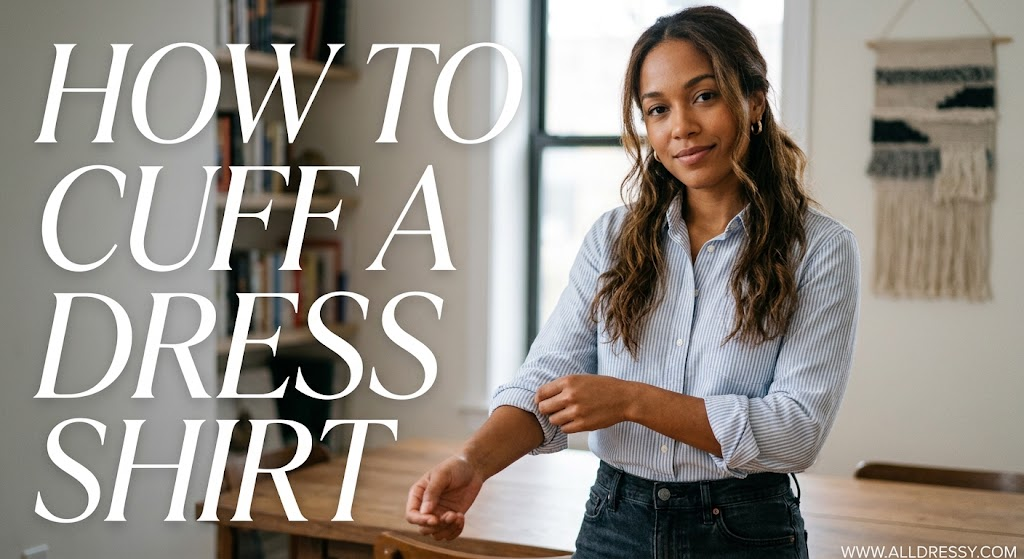
Cuffing a dress shirt is useful for both practical and style reasons. Long sleeves can sometimes feel uncomfortable when working, eating, studying, cooking, or moving around. Rolling the sleeves keeps the cuffs away from your hands while giving the shirt a more relaxed appearance.
A well-made cuff can also change the visual balance of an outfit. A formal dress shirt can look less rigid when the sleeves are neatly rolled, making it suitable for smart-casual situations.
However, sleeve rolling should look intentional. Uneven rolls, excessively loose folds, or sleeves pushed too high can make an otherwise polished outfit look untidy.
How to Cuff a Dress Shirt With a Basic Roll
The basic roll is one of the easiest methods to learn. It creates a straightforward appearance and works well for many everyday situations.
Step 1: Unbutton the Cuff
Start by unbuttoning the button or buttons on the shirt cuff. If there is a gauntlet button farther up the sleeve, loosen it as well if necessary.
Opening the buttons allows the fabric to move naturally and prevents unnecessary bunching.
Step 2: Fold the Cuff Upward
Take the bottom edge of the cuff and fold it upward toward the elbow.
Try to make the fold approximately the same width as the cuff itself. Keep the fold relatively straight around the arm.
Step 3: Fold the Sleeve Again
After the first fold, continue folding the sleeve upward. Each fold should remain reasonably even.
Avoid twisting the fabric because twisting can create an uneven appearance around the arm.
Step 4: Continue Until You Reach the Desired Height
Repeat the folding process until the sleeve reaches your preferred position.
For a polished casual appearance, stopping below the elbow often works well. For practical activities, you can roll higher, provided the sleeve remains comfortable.
How to Cuff a Dress Shirt With the Master Roll
The master roll, sometimes called the Italian roll, provides a slightly more relaxed appearance while keeping the sleeve secure.
This technique is especially useful when you want the shirt cuff or a small portion of the inside sleeve to remain visible.
Step 1: Pull the Sleeve Above the Cuff
Begin by pulling the sleeve upward so that the cuff sits several inches above its normal position.
The sleeve does not need to be perfectly arranged at this stage.
Step 2: Fold the Lower Sleeve
Take the fabric below the cuff and fold it upward, covering most of the cuff.
Step 3: Adjust the Cuff
Pull or position the cuff so that part of it remains visible above the folded fabric.
The visible cuff creates a deliberate contrast and helps the roll look less bulky.
Step 4: Secure the Roll
Smooth the fabric around your arm and make sure the roll is comfortable.
The master roll should look relaxed rather than tightly compressed.
How to Cuff a Dress Shirt With the High Roller Method
The high roller is designed for situations where you want your sleeves well above the elbows.
It can be useful during physical activities or when you want a distinctly casual appearance.
Start With the Cuff Unbuttoned
Open the cuff and any nearby sleeve button that restricts movement.
Pull the Sleeve Toward the Upper Arm
Instead of starting with a small fold, bring a larger section of the sleeve upward.
Fold the Fabric Around the Arm
Fold the lower portion of the sleeve upward repeatedly until the desired height is reached.
Keep the Roll Secure but Comfortable
The sleeve should remain in place without feeling overly tight. If the fabric is bunching significantly, unfold it and start again with more even sections.
How to Cuff a Dress Shirt Without Looking Messy
Knowing how to cuff a dress shirt is not only about folding the fabric. The final appearance depends heavily on how carefully the sleeve is arranged.
Before rolling, straighten the sleeve. Remove large wrinkles with your hands and align the sleeve seams as naturally as possible.
Try to keep each fold approximately the same width. Perfectly measured folds are not necessary, but significant differences between folds can make the sleeve look careless.
Avoid squeezing every fold extremely tightly. A slightly relaxed roll usually looks more natural.
How High Should You Cuff a Dress Shirt?
The ideal cuff height depends on the occasion and personal preference.
Below the Elbow
Rolling the sleeves to just below the elbow is a versatile option. It creates a casual appearance while retaining some structure.
This height works particularly well for casual workplaces, dinners, social gatherings, and everyday wear.
Around the Elbow
Stopping near the elbow provides a balance between comfort and style. It can work well when you want your sleeves out of the way without creating a very casual appearance.
Above the Elbow
Rolling above the elbow creates a more relaxed look. It is particularly practical for activities where you need greater freedom of movement.
However, this style generally looks more casual than a sleeve rolled only once or twice.
How to Cuff a Dress Shirt for Business Casual Outfits
Business-casual dressing requires a balance between polished and relaxed styling.
When cuffing a dress shirt for this type of outfit, avoid overly bulky rolls. Two or three neat folds are usually enough to create a clean appearance.
Pair the cuffed shirt with well-fitting trousers, chinos, or similarly structured clothing. Keep the rest of the outfit relatively polished so the rolled sleeves look intentional.
For a more formal workplace, check the expected dress code before rolling your sleeves. Some professional environments may expect sleeves to remain down.
How to Cuff a Dress Shirt for a Casual Outfit
Casual outfits provide more flexibility.
You can experiment with different rolling methods, including the master roll and higher rolls. A slightly relaxed appearance can work particularly well with casual trousers, jeans, or other everyday clothing.
The key is to make the roll look deliberate rather than accidental.
If the sleeve repeatedly falls down, try a different technique instead of continually tightening the folds.
How to Cuff Different Dress Shirt Fabrics
Fabric has a major effect on how well a cuff stays in place.
Cotton Dress Shirts
Cotton shirts are generally easy to roll. Medium-weight cotton often holds folds well without creating excessive bulk.
Linen Shirts
Linen is naturally relaxed and tends to wrinkle more easily. A slightly loose cuff can complement the fabric’s casual character.
Oxford Cloth Shirts
Oxford fabric is usually somewhat structured, making it suitable for traditional sleeve rolls.
Thin Dress Shirt Fabrics
Very thin fabrics may create smaller, less stable folds. Avoid making numerous tiny rolls because they can produce a bulky appearance.
Instead, use fewer, slightly wider folds.
How to Cuff a Dress Shirt With French Cuffs
French cuffs require more consideration because their cuff design is different from a standard button cuff.
French-cuff shirts are generally associated with more formal clothing, so rolling them may not always be appropriate.
If you need to push the sleeves up temporarily, you can fold the sleeve carefully, but avoid damaging or excessively creasing the cuff area.
For formal occasions, leaving French cuffs properly arranged is generally more consistent with their intended styling.
How to Cuff a Dress Shirt With Patterned Sleeves
Some dress shirts have contrasting patterns or colors on the inside of the cuffs.
A cuff can intentionally expose a small amount of that contrasting fabric. This creates visual interest without requiring additional accessories.
When using this approach, avoid exposing too much contrasting fabric unless you are intentionally going for a more casual look.
How to Cuff a Dress Shirt With a Tie
A dress shirt can still be worn with a tie while the sleeves are rolled, but the combination changes the overall level of formality.
For a relaxed setting, a tie with rolled sleeves can create a smart-casual appearance.
For highly formal situations, keeping the sleeves down generally creates a more traditional appearance.
The rest of the outfit should help determine whether rolled sleeves are appropriate.
Common Mistakes When Cuffing a Dress Shirt
Understanding common mistakes is just as important as learning the techniques.
Making Uneven Folds
Uneven folds can make the sleeves look untidy. Try to keep the width of each fold relatively consistent.
Rolling Too Tightly
Extremely tight rolls can feel uncomfortable and may cause the fabric to wrinkle heavily.
The cuff should stay in place without restricting normal movement.
Rolling Too High
A very high roll can make a dress shirt appear significantly more casual.
Consider the occasion before deciding how far to roll.
Leaving Buttons Closed
Trying to roll a buttoned cuff can cause awkward bunching. Opening the cuff first usually makes the process much easier.
Creating Too Many Folds
Too many narrow folds can make the sleeve bulky. Fewer, wider folds are often easier to maintain.
Ignoring the Shirt’s Fabric
A technique that works well with a structured cotton shirt may not work equally well with a lightweight fabric.
Choose a method based on how the material behaves.
How to Keep Cuffed Sleeves in Place
One of the most common problems with rolled sleeves is that they gradually fall down.
Start by making sure the cuff is completely unbuttoned before rolling. Then use evenly sized folds and avoid leaving loose fabric between the folds.
If the sleeve is especially slippery, a master roll can sometimes provide better stability than a basic roll.
Avoid using excessive force to tighten the sleeve. Comfort should remain a priority.
How to Cuff a Dress Shirt for Different Occasions
Different occasions call for different levels of formality.
Work
For a relaxed workplace, a neat cuff below or around the elbow can work well. However, workplace dress codes vary.
Dinner
For a casual or smart-casual dinner, neatly rolled sleeves can create a relaxed appearance.
Outdoor Activities
A higher roll can keep the sleeves away from your hands and provide greater freedom of movement.
Social Events
The appropriate cuff depends on the event’s dress code. A subtle roll is generally more versatile than an extremely high roll.
Formal Events
For formal occasions, sleeves are usually best left down unless the event or setting becomes more casual later.
How to Cuff a Dress Shirt for Different Sleeve Lengths
Sleeve length affects how the cuff looks.
If the shirt sleeves are already short, rolling them several times may make them appear disproportionately high.
If the sleeves are long, rolling them can create a practical solution for temporary comfort, but excessive rolling can produce too much fabric around the forearm.
The goal is to create a balanced appearance rather than simply removing fabric from the hands.
How to Make Dress Shirt Cuffs Look Symmetrical
Symmetry can make rolled sleeves look much more polished.
After rolling one sleeve, use it as a visual reference for the other. Check that both sleeves finish at approximately the same height.
Look at the sleeves from the front and sides because unevenness can be difficult to notice from one angle.
If one sleeve is tighter than the other, unfold both and restart rather than trying to repair only one side.
How to Cuff a Dress Shirt for a Relaxed Look
For a relaxed appearance, you do not need perfectly rigid folds.
A master roll or slightly loose basic roll can create a natural appearance. Allowing a small amount of fabric to remain relaxed can make the shirt look less formal.
However, relaxed does not have to mean messy. The sleeve should still be controlled and comfortable.
How Shirt Fit Affects Cuffing
The fit of the shirt influences how the rolled sleeves look.
A shirt with very wide sleeves may create bulky folds. A closer-fitting sleeve generally produces a more streamlined cuff.
However, the shirt should still allow comfortable movement. Rolling a sleeve does not compensate for a shirt that is uncomfortable or poorly fitted.
How to Cuff a Dress Shirt in Hot Weather
Rolling sleeves can make a dress shirt more comfortable in warm weather by keeping fabric away from the hands and lower forearms.
Lightweight fabrics are particularly useful during warmer conditions. Use fewer folds with thin materials to avoid creating unnecessary bulk.
For extremely warm conditions, choose breathable clothing rather than relying only on sleeve rolling for comfort.
How to Unroll a Cuffed Dress Shirt
When returning the sleeves to their original position, avoid simply pulling the entire roll downward.
Instead, gently unfold each layer one at a time. Straighten the sleeve and reconnect the cuff buttons.
This reduces unnecessary pulling and helps minimize additional creasing.
If the shirt will be worn with the sleeves down afterward, smooth the fabric with your hands before fastening the cuff.
How to Care for Dress Shirt Cuffs
Proper shirt care can make cuffing easier.
Follow the garment’s care instructions when washing and drying it. Excessive heat can affect some fabrics and may contribute to shrinkage or changes in shape.
Iron or steam the shirt when necessary, paying attention to the cuffs and sleeve area.
Clean, well-maintained cuffs create a much more polished appearance when rolled.
How to Choose the Right Cuffing Method
The best method depends on your goal.
Choose a basic roll when you want simplicity and versatility.
Choose a master roll when you want a secure, relaxed appearance with some cuff visibility.
Choose a high roll when practicality and freedom of movement are more important than formality.
For formal settings, consider leaving the sleeves down unless rolled sleeves are clearly appropriate.
Practical Tips for Better Dress Shirt Cuffs
A few small adjustments can make a major difference:
- Always open the cuff before rolling.
- Straighten the sleeve before beginning.
- Keep folds reasonably even.
- Avoid rolling excessively tightly.
- Match the cuff height on both arms.
- Consider the fabric thickness.
- Think about the occasion and dress code.
- Avoid excessive fabric bunching.
- Choose fewer folds for lightweight fabrics.
- Smooth the sleeve after completing the roll.
- Check that the sleeve does not restrict movement.
- Unroll carefully when returning the shirt to its normal position.
How to Cuff a Dress Shirt: A Simple Routine to Remember
If you frequently wear dress shirts, you do not need to memorize every technique. A simple routine can help.
First, unbutton the cuff. Second, straighten the sleeve. Third, make an even fold from the cuff upward. Fourth, continue folding until the sleeve reaches the desired height. Finally, smooth the fabric and check both sleeves for symmetry.
Once you become comfortable with the basic roll, you can experiment with the master roll or higher cuffing techniques.
The most important principle when learning how to cuff a dress shirt is to match the technique to the occasion, fabric, and desired appearance. A carefully arranged cuff can make a dress shirt more comfortable while maintaining a polished and intentional look.
Frequently Asked Questions About How to Cuff a Dress Shirt
1. What is the easiest way to cuff a dress shirt?
The basic roll is usually the easiest method. Unbutton the cuff, fold the cuff upward, and continue making even folds until the sleeve reaches your preferred height. Keep both sleeves approximately the same length for a neat appearance.
2. How high should you roll a dress shirt?
For a balanced casual appearance, rolling the sleeves to around or slightly below the elbow is a versatile choice. Rolling above the elbow creates a more relaxed appearance and can be useful when you need greater freedom of movement.
3. Should I unbutton my dress shirt cuffs before rolling them?
Yes. Unbuttoning the cuff before rolling makes it easier to fold the sleeve smoothly and helps prevent unnecessary bunching. If there is an additional button higher on the sleeve, you may also need to undo it.
4. What is the best way to cuff a dress shirt for business casual?
A neat basic roll or master roll can work well for a business-casual setting when the dress code permits rolled sleeves. Keep the folds relatively even and avoid rolling the sleeves excessively high, as this creates a more casual appearance.
5. What is a master roll on a dress shirt?
A master roll is a sleeve-rolling technique in which the sleeve is pulled upward and then folded so that part of the cuff can remain visible. It creates a relaxed but intentional appearance and can help keep the sleeve securely in place.
6. Can I cuff a dress shirt with French cuffs?
French cuffs are designed for a more formal appearance, so they are generally worn extended rather than rolled. If you need to push the sleeves up temporarily, handle the cuffs carefully to avoid excessive creasing or damage.
7. Why do my rolled-up shirt sleeves keep falling down?
Sleeves may fall because the folds are too loose, the fabric is slippery, or the rolling method is not providing enough support. Try making even folds or using a master roll, which can provide a more secure fit.
8. Can you cuff a dress shirt with a tie?
Yes, but the combination generally creates a more relaxed appearance than wearing a tie with sleeves fully extended. It can work in casual or smart-casual settings, depending on the dress code.
9. How many times should I roll a dress shirt sleeve?
There is no fixed number of rolls. The number depends on the sleeve length, fabric thickness, and desired cuff height. Generally, fewer wider folds can look cleaner than many small, bulky folds.
10. Is it better to roll dress shirt sleeves tightly or loosely?
The sleeves should be secure enough to stay in place but not so tight that they restrict movement or feel uncomfortable. A moderately firm, even roll usually provides a good balance between comfort and appearance.
Conclusion
Knowing how to cuff a dress shirt is a simple skill that can make your clothing more comfortable and versatile. Whether you prefer a basic roll, master roll, or higher roll, the technique you choose should match the shirt’s fabric, sleeve length, occasion, and overall outfit.
For a polished appearance, start by unbuttoning the cuff, straighten the sleeve, and create reasonably even folds. Pay attention to the final height and make sure both sleeves look balanced. Avoid excessive rolling, overly tight folds, and unnecessary bunching.
A dress shirt can transition easily from a more formal appearance to a relaxed style simply by adjusting the sleeves. With a little practice, you can choose the right cuffing technique for work, dinner, casual outings, travel, or everyday activities while keeping your outfit comfortable and well organized.