
If you’re asking is Good Seasons Italian Dressing Mix gluten free, you’re likely trying to make a safe food choice for yourself or someone following a gluten-free diet. Whether you have celiac disease, non-celiac gluten sensitivity, or simply prefer to avoid gluten, understanding what’s in packaged seasoning mixes is essential. While salad dressing mixes may seem like simple products, they can sometimes contain ingredients or manufacturing processes that introduce gluten.
Good Seasons Italian Dressing Mix has been a popular pantry staple for decades. Many people use it not only to prepare homemade Italian salad dressing but also as a seasoning for chicken, vegetables, pasta salads, marinades, roasted potatoes, and slow-cooker recipes. Because of its versatility, it’s natural to wonder whether it fits into a gluten-free lifestyle.
The answer to is Good Seasons Italian Dressing Mix gluten free isn’t always as straightforward as checking the front of the package. Consumers should understand ingredient labels, allergen statements, cross-contact risks, manufacturer labeling practices, and the difference between products that are naturally free of gluten and those that are officially certified gluten-free.
This comprehensive guide explains everything you need to know about Good Seasons Italian Dressing Mix, including its ingredients, gluten concerns, labeling practices, cross-contamination risks, how to read food labels correctly, gluten-free alternatives, homemade recipes, storage tips, and best practices for maintaining a safe gluten-free kitchen.
Is Good Seasons Italian Dressing Mix Gluten Free?
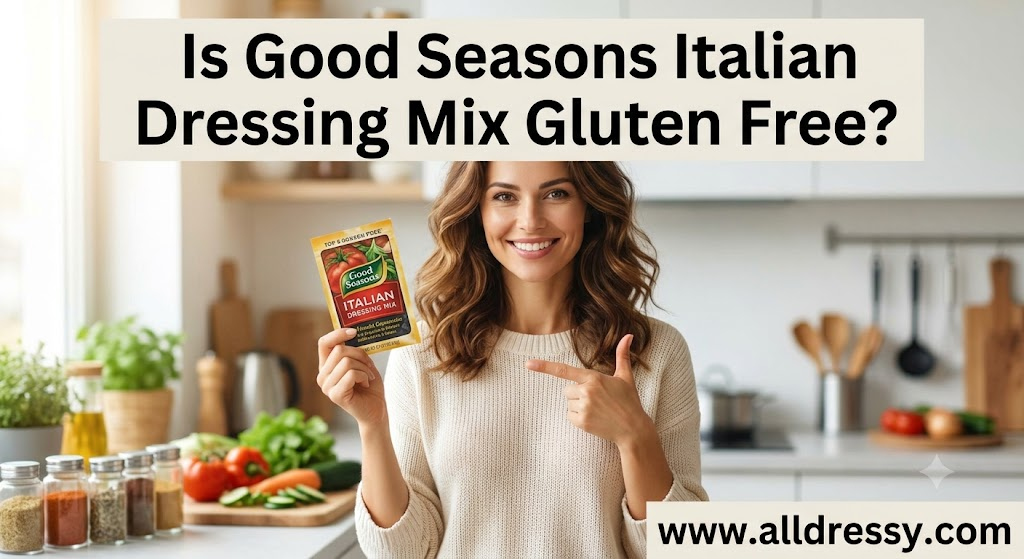
One of the most important things to understand is that ingredient formulations can change over time.
Always check the package before purchasing.
In general:
- Review the ingredient list carefully.
- Look for wheat-containing ingredients.
- Read allergen statements.
- Check for gluten-free labeling.
- Verify manufacturer updates when available.
Even if a product has previously been considered gluten-free, recipes and manufacturing processes can change.
What Is Good Seasons Italian Dressing Mix?
Good Seasons Italian Dressing Mix is a dry seasoning blend commonly used to prepare homemade Italian dressing.
It typically combines herbs and seasonings that create a savory, tangy flavor profile.
People commonly use it for:
- Salad dressings
- Marinades
- Chicken seasoning
- Vegetable seasoning
- Pasta salads
- Roasted vegetables
- Slow cooker recipes
- Grilled meats
Its versatility has made it a popular kitchen staple.
Understanding Gluten
Before evaluating any seasoning mix, it’s helpful to understand what gluten actually is.
Gluten is a protein naturally found in:
- Wheat
- Barley
- Rye
- Triticale
People with celiac disease or gluten sensitivity must avoid foods containing these grains.
Common Sources of Hidden Gluten
Many packaged foods contain unexpected gluten sources.
Examples include:
- Modified food starch (depending on source)
- Malt flavoring
- Wheat starch
- Soy sauce made with wheat
- Certain spice blends
- Thickening agents
Seasoning mixes deserve extra attention because they often contain multiple ingredients.
Reading the Ingredient List
The ingredient panel provides the first clue about gluten content.
Look carefully for:
- Wheat flour
- Barley malt
- Rye ingredients
- Malt vinegar
- Hydrolyzed wheat protein
If these ingredients appear, the product is not suitable for a gluten-free diet.
Why Allergen Statements Matter
In many countries, wheat must be clearly declared on food labels.
Typical allergen statements include:
- Contains wheat
- Manufactured with wheat
- Produced in a facility that also processes wheat
These notices help consumers identify potential concerns.
Gluten-Free vs. Certified Gluten-Free
Many shoppers confuse these two terms.
Gluten-Free
A product labeled gluten-free meets established regulatory standards for gluten content.
Certified Gluten-Free
Certified products undergo additional testing or third-party verification.
Certification often provides greater confidence for people with celiac disease.
Cross-Contact During Manufacturing
Even products without wheat ingredients may encounter gluten during production.
Cross-contact can occur through:
- Shared equipment
- Packaging lines
- Ingredient storage
- Manufacturing facilities
People with severe gluten intolerance should consider these possibilities.
Ingredients Commonly Found in Italian Dressing Mixes
Italian dressing blends often contain:
- Garlic
- Onion
- Oregano
- Basil
- Parsley
- Red pepper
- Black pepper
- Salt
- Sugar
- Citric acid
Most herbs and spices are naturally gluten-free.
However, added processing agents should always be reviewed.
Can Herbs and Spices Contain Gluten?
Pure herbs and spices are naturally gluten-free.
Problems may arise if manufacturers add:
- Anti-caking agents
- Flavor enhancers
- Fillers
- Wheat-based stabilizers
Reading labels remains the safest approach.
Who Needs Gluten-Free Foods?
Several groups benefit from avoiding gluten.
These include individuals with:
- Celiac disease
- Non-celiac gluten sensitivity
- Wheat allergy
- Certain medically supervised dietary needs
Not everyone benefits from eliminating gluten unnecessarily.
Symptoms of Gluten Exposure
For sensitive individuals, accidental gluten consumption may cause:
- Stomach pain
- Bloating
- Diarrhea
- Fatigue
- Headaches
- Skin irritation
- Joint discomfort
People with celiac disease may also experience intestinal damage even without obvious symptoms.
Using Italian Dressing Mix Safely
If the product fits your dietary needs, it can be used in numerous recipes.
Popular uses include:
- Homemade salad dressing
- Chicken marinade
- Pasta seasoning
- Potato seasoning
- Grilled vegetables
- Fish seasoning
- Roasted meats
Always combine it with gluten-free companion ingredients if following a gluten-free diet.
Homemade Gluten-Free Italian Dressing Mix
Many people prefer making their own seasoning blend.
Common ingredients include:
- Garlic powder
- Onion powder
- Oregano
- Basil
- Parsley
- Thyme
- Black pepper
- Salt
- Red pepper flakes
- Dried rosemary
Making your own blend gives you complete control over every ingredient.
Advantages of Homemade Mixes
Preparing seasoning at home offers several benefits.
You can:
- Avoid unwanted additives.
- Reduce sodium.
- Customize flavors.
- Control spice levels.
- Ensure gluten-free ingredients.
Homemade mixes are also cost-effective.
Storage Tips
Proper storage preserves flavor.
Store seasoning mixes:
- In airtight containers
- Away from heat
- Away from moisture
- In a dark pantry
Most dried herbs remain flavorful for many months when stored properly.
Common Mistakes When Buying Gluten-Free Seasonings
Avoid these mistakes:
- Assuming all spices are gluten-free.
- Ignoring allergen labels.
- Forgetting cross-contact risks.
- Using outdated ingredient information.
- Confusing wheat-free with gluten-free.
Reading every package remains the safest practice.
Best Practices for a Gluten-Free Kitchen
To reduce accidental gluten exposure:
- Use separate measuring spoons when necessary.
- Keep gluten-free ingredients clearly labeled.
- Store gluten-free seasonings separately.
- Avoid double-dipping utensils.
- Clean preparation surfaces thoroughly.
These habits are especially important in households preparing both gluten-containing and gluten-free foods.
How to Compare Seasoning Mixes
When evaluating different Italian dressing mixes, consider:
- Ingredient simplicity
- Sodium content
- Added sugars
- Artificial flavors
- Preservatives
- Gluten-free labeling
- Overall flavor profile
Choosing a mix that aligns with both your dietary needs and taste preferences helps you get the most value from your purchase.
Why Ingredient Labels Should Always Be Checked
Food manufacturers occasionally reformulate products by changing ingredients, suppliers, or production methods. Even if you’ve purchased the same seasoning mix for years, it’s wise to read the ingredient list and allergen statement every time you buy a new package.
Developing this habit helps protect individuals with celiac disease, gluten sensitivity, or wheat allergies while ensuring your meals remain both safe and delicious.
Certainly! Here are SEO-optimized FAQs and a Conclusion for your article on “Is Good Seasons Italian Dressing Mix Gluten Free?”
Before the reusable content, one important note: because food formulations can change, avoid making absolute claims that a packaged food is gluten-free unless you verify the current product label. The FAQs below reflect that best practice.
Frequently Asked Questions (FAQs)
Is Good Seasons Italian Dressing Mix gluten free?
The gluten status of Good Seasons Italian Dressing Mix may vary depending on the product formulation and manufacturing practices. Always read the ingredient list, allergen statement, and any gluten-free labeling on the package before purchasing, as recipes and labeling can change over time.
Does Good Seasons Italian Dressing Mix contain wheat?
The easiest way to determine whether the mix contains wheat is to check the ingredient label and allergen statement. Food manufacturers are required to declare major allergens such as wheat, making it easier for consumers to identify potential concerns.
Is Good Seasons Italian Dressing Mix safe for people with celiac disease?
People with celiac disease should only consume products that clearly meet their dietary requirements. Always verify the product’s ingredient list, allergen information, and gluten-free labeling before use. If you are unsure, choose a product specifically labeled gluten-free or make your own homemade Italian dressing mix.
What ingredients should I look for when checking for gluten?
When reading the label, watch for ingredients such as wheat, barley, rye, malt, malt extract, malt vinegar, or hydrolyzed wheat protein. If any of these ingredients appear, the product is not suitable for a strict gluten-free diet.
Can seasoning mixes contain hidden gluten?
Yes. Some seasoning mixes may include gluten-containing ingredients, anti-caking agents, flavorings, or thickeners. Even when gluten ingredients are not obvious, it’s important to read every label carefully before purchasing.
Is homemade Italian dressing mix a good gluten-free alternative?
Yes. Homemade Italian dressing mix allows you to control every ingredient. Using gluten-free herbs, spices, and seasonings helps reduce the risk of accidental gluten exposure while allowing you to customize the flavor to your preference.
Can cross-contact be a concern with seasoning mixes?
Yes. Even if a seasoning mix does not contain gluten ingredients, cross-contact may occur if it is manufactured on shared equipment with products containing wheat or other gluten-containing grains. Individuals with celiac disease should pay close attention to manufacturer labeling.
How should I store Italian dressing mix?
Store the seasoning mix in an airtight container in a cool, dry place away from heat, moisture, and direct sunlight. Proper storage helps preserve flavor and extends the shelf life of the dried herbs and spices.
Can I use Italian dressing mix for recipes other than salad dressing?
Absolutely. Italian dressing mix is commonly used as a seasoning for chicken, beef, seafood, roasted vegetables, potatoes, pasta salads, soups, marinades, casseroles, and slow-cooker meals, making it a versatile pantry ingredient.
Why should I read the label every time I buy the product?
Manufacturers occasionally update recipes, ingredients, or production methods. Even if you’ve purchased the same product before, reviewing the ingredient list and allergen statement each time helps ensure it still meets your dietary needs.
Conclusion
If you’re wondering is Good Seasons Italian Dressing Mix gluten free, the safest approach is to check the product’s current ingredient list, allergen statement, and any gluten-free labeling each time you purchase it. Food formulations and manufacturing practices can change, so relying on an older package or outdated information may not provide the most accurate answer.
For individuals with celiac disease, gluten sensitivity, or anyone following a gluten-free lifestyle, developing the habit of reading food labels carefully is one of the best ways to avoid accidental gluten exposure. If you want complete control over the ingredients, preparing a homemade Italian dressing mix with gluten-free herbs and spices is an excellent alternative. By understanding labels, recognizing potential sources of hidden gluten, and following safe food preparation practices, you can confidently enjoy flavorful meals while staying true to your dietary goals.