
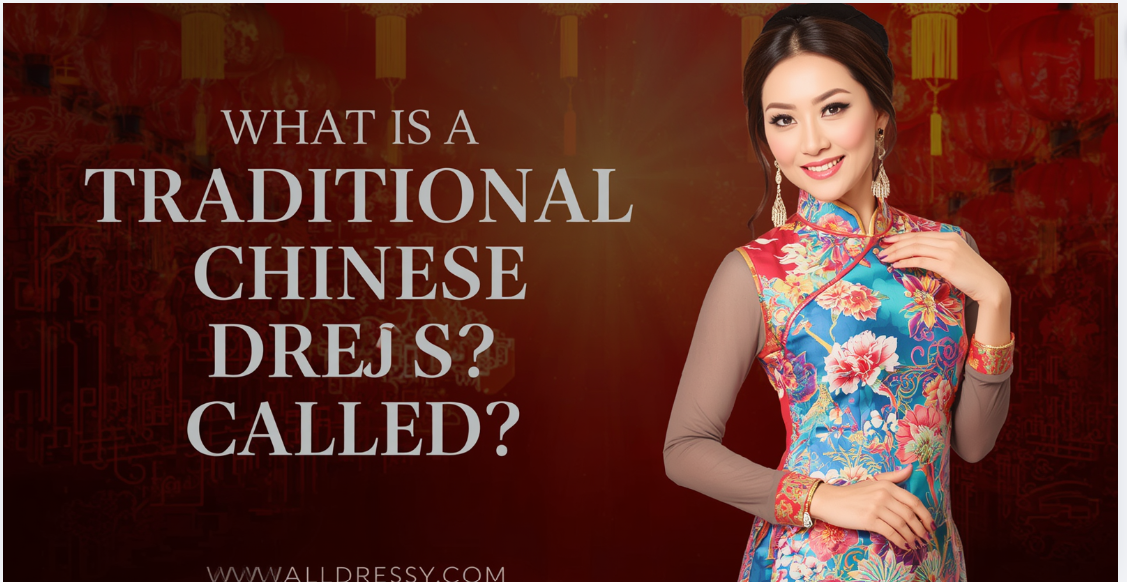
If you are searching for what is a traditional Chinese dress called, the answer depends on the historical period, gender, and specific style of clothing being discussed. However, the most widely recognized traditional Chinese dress today is the Qipao, also known as the Cheongsam. This elegant garment has become an international symbol of Chinese culture and fashion.
Understanding what is a traditional Chinese dress called requires looking beyond a single garment. China has over 5,000 years of history, and traditional clothing has evolved through numerous dynasties, regions, and ethnic groups. While the Qipao is the most famous traditional Chinese dress for women, other important styles include the Hanfu, Ruqun, Aoqun, Shenyi, and various forms of traditional attire worn by different ethnic communities throughout China.
Traditional Chinese clothing reflects cultural values, social status, artistic expression, and historical influences. Colors, embroidery, fabrics, and silhouettes often carried symbolic meanings related to prosperity, harmony, longevity, and social rank.
This comprehensive guide explores the different types of traditional Chinese dresses, their history, cultural significance, construction, fabrics, modern adaptations, and the role they continue to play in Chinese fashion and heritage.
What Is a Traditional Chinese Dress Called? The Short Answer
When people ask what is a traditional Chinese dress called, they are usually referring to one of two major garments:
- Qipao (Cheongsam) – the most famous traditional Chinese dress
- Hanfu – the traditional clothing of the Han Chinese people
The specific answer depends on the context.
Today, the Qipao is often considered the iconic Chinese dress because of its global recognition and elegant silhouette. However, Hanfu predates the Qipao by thousands of years and represents a much older form of traditional Chinese clothing.
What Is a Traditional Chinese Dress Called in Ancient China?
Before modern Chinese fashion developed, traditional clothing changed significantly from dynasty to dynasty.
Ancient Chinese garments were often characterized by:
- Flowing robes
- Wide sleeves
- Layered construction
- Wrap-style closures
- Silk fabrics
- Symbolic embroidery
These garments were designed according to Confucian ideals of modesty, harmony, and social order.
What Is Hanfu? The Original Traditional Chinese Dress
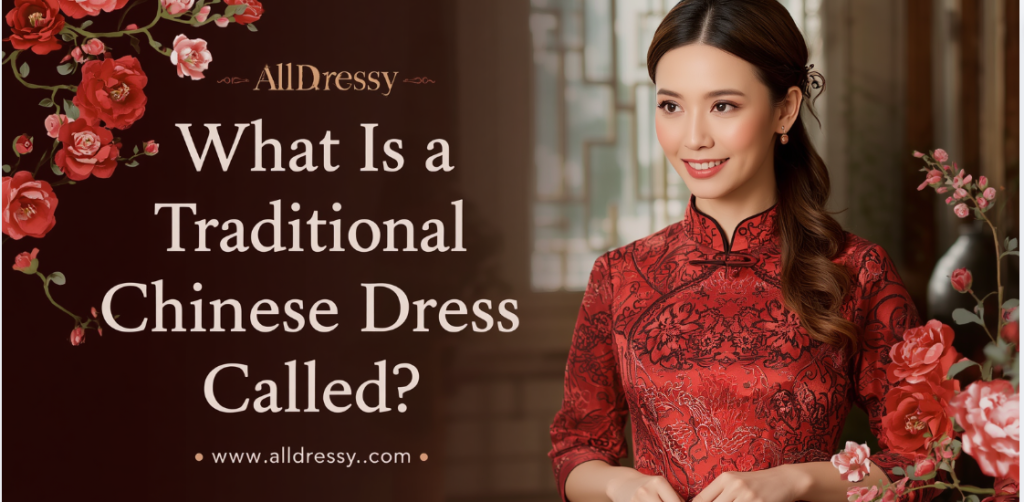
When discussing what is a traditional Chinese dress called, Hanfu deserves special attention.
Definition of Hanfu
Hanfu literally means:
- Han = Han Chinese ethnic group
- Fu = clothing
Hanfu refers to the traditional clothing worn by Han Chinese people before the Qing Dynasty.
History of Hanfu
Hanfu dates back more than 2,000 years.
It was worn during:
- Han Dynasty
- Tang Dynasty
- Song Dynasty
- Ming Dynasty
For centuries, Hanfu represented mainstream Chinese fashion.
Characteristics of Hanfu
Common features include:
- Flowing robes
- Cross-collar design
- Wide sleeves
- Sashes or belts
- Layered garments
The overall appearance is graceful and elegant.
Modern Hanfu Revival
In recent years, Hanfu has experienced a significant revival.
People wear Hanfu for:
- Cultural festivals
- Historical reenactments
- Traditional ceremonies
- Photography
- Everyday fashion among enthusiasts
The Hanfu movement has helped reintroduce traditional Chinese aesthetics to younger generations.
What Is a Qipao?
The Qipao is perhaps the most recognized answer to the question, what is a traditional Chinese dress called.
Origin of the Qipao
The Qipao originated during the Qing Dynasty.
It evolved from clothing worn by Manchu women and later transformed into a modern fashion icon.
Characteristics of the Qipao
Key features include:
- High collar
- Fitted silhouette
- Side slits
- Decorative frog buttons
- Elegant tailoring
Unlike Hanfu, the Qipao emphasizes the body’s natural shape.
Qipao vs Cheongsam
The terms are often used interchangeably.
- Qipao is the Mandarin term.
- Cheongsam is the Cantonese term.
Both refer to the same style of dress.
What Is a Traditional Chinese Dress Called During the Tang Dynasty?
The Tang Dynasty is considered one of China’s most culturally influential periods.
Women’s clothing featured:
- Flowing skirts
- Wide sleeves
- Decorative shawls
- Vibrant colors
Tang Dynasty fashion emphasized elegance and artistic beauty.
These styles continue to influence modern Hanfu designs.
What Is a Traditional Chinese Dress Called During the Ming Dynasty?
The Ming Dynasty significantly shaped traditional Chinese clothing.
Popular garments included:
- Aoqun
- Ruqun
- Shenyi
- Long robes
Distinctive characteristics included:
- Refined tailoring
- Rich embroidery
- Layered garments
Many modern Hanfu recreations are inspired by Ming Dynasty fashion.
Understanding the Ruqun
The Ruqun is another important traditional Chinese garment.
What Is a Ruqun?
Ruqun consists of:
- A blouse or jacket (Ru)
- A skirt (Qun)
It was commonly worn by women throughout various dynasties.
Features of Ruqun
Characteristics include:
- Flowing silhouette
- Elegant draping
- Feminine appearance
- Comfortable fit
Ruqun remains popular among Hanfu enthusiasts today.
Understanding the Shenyi
The Shenyi is one of China’s oldest recorded garments.
What Is a Shenyi?
Shenyi combines:
- Upper garment
- Lower garment
Into a single robe-like piece.
Historical Importance
The Shenyi represented:
- Social harmony
- Cultural values
- Formal dress traditions
It played an important role in ancient Chinese society.
Fabrics Used in Traditional Chinese Dresses
Traditional Chinese clothing is renowned for luxurious materials.
Silk
Silk is the most iconic fabric.
Benefits include:
- Smooth texture
- Elegant drape
- Luxurious appearance
China’s silk production significantly influenced world history.
Brocade
Brocade features intricate woven patterns.
Characteristics:
- Decorative appearance
- Rich texture
- Formal elegance
Often used in ceremonial clothing.
Cotton
Cotton became popular for everyday garments.
Advantages:
- Comfort
- Breathability
- Durability
Linen
Used in certain regions for practical clothing.
Benefits:
- Lightweight
- Cool in warm climates
Embroidery in Traditional Chinese Dresses
Embroidery is a defining feature.
Popular motifs include:
- Dragons
- Phoenixes
- Flowers
- Cranes
- Clouds
- Lotus blossoms
Each symbol often carries cultural meaning.
Symbolism in Traditional Chinese Dress
Chinese clothing often communicates symbolic messages.
Red Color
Represents:
- Happiness
- Good fortune
- Celebration
Frequently worn at weddings.
Gold Embroidery
Symbolizes:
- Wealth
- Prosperity
- Prestige
Dragon Designs
Traditionally associated with:
- Power
- Authority
- Imperial status
Phoenix Motifs
Represent:
- Grace
- Beauty
- Harmony
Often used in bridal attire.
Traditional Chinese Wedding Dresses
Wedding attire plays a major role in Chinese culture.
Traditional Bridal Qipao
Features:
- Red fabric
- Gold embroidery
- Symbolic motifs
Widely used in modern Chinese weddings.
Traditional Hanfu Weddings
Some couples choose:
- Historical Hanfu garments
- Dynasty-inspired designs
- Traditional ceremonies
These weddings celebrate ancient Chinese heritage.
Traditional Chinese Dresses for Men
Traditional Chinese clothing is not limited to women.
Popular male garments include:
- Changshan
- Shenyi
- Long robes
- Tang jackets
These garments emphasize dignity and cultural tradition.
Modern Adaptations of Traditional Chinese Dresses
Traditional styles continue evolving.
Modern Qipao
Contemporary versions include:
- Shorter lengths
- Modern fabrics
- Fashion-forward cuts
Popular for formal events.
Contemporary Hanfu
Modern Hanfu incorporates:
- Simplified designs
- Everyday practicality
- Modern fabrics
This makes traditional clothing more accessible.
Fusion Fashion
Many designers combine:
- Western tailoring
- Traditional Chinese elements
Resulting in unique contemporary styles.
Traditional Chinese Dresses in Popular Culture
Chinese traditional clothing appears frequently in:
- Historical dramas
- Fashion shows
- Cultural festivals
- International events
- Photography sessions
These appearances have increased global interest in Chinese fashion heritage.
Differences Between Hanfu and Qipao
Many people confuse these garments.
Hanfu
- Ancient origins
- Loose-fitting silhouette
- Flowing robes
- Wide sleeves
- Layered construction
Qipao
- More modern development
- Fitted silhouette
- High collar
- Side slits
- Body-contouring shape
Both are important parts of Chinese clothing history.
Traditional Chinese Dresses Around the World
Chinese communities worldwide continue preserving traditional dress.
Traditional garments are commonly worn during:
- Lunar New Year celebrations
- Cultural festivals
- Weddings
- Heritage events
- Religious ceremonies
These occasions help maintain cultural traditions across generations.
Why Traditional Chinese Dresses Remain Important Today
Traditional Chinese dresses are more than clothing. They represent history, identity, artistry, and cultural continuity. Each garment reflects centuries of craftsmanship, social customs, and aesthetic values that have shaped Chinese civilization.
The continued popularity of Hanfu, Qipao, and other traditional garments demonstrates a growing appreciation for cultural heritage in a modern world. Younger generations are increasingly embracing traditional styles while adapting them to contemporary lifestyles
FAQs About What Is a Traditional Chinese Dress Called
What is a traditional Chinese dress called?
The most well-known traditional Chinese dress is the Qipao, also known as the Cheongsam. However, traditional Chinese clothing includes many styles, such as Hanfu, Ruqun, Shenyi, and other garments that have been worn throughout different dynasties and historical periods.
What is the difference between a Qipao and a Cheongsam?
There is no major difference. Qipao is the Mandarin Chinese name, while Cheongsam is the Cantonese name. Both terms refer to the same elegant dress known for its high collar, fitted silhouette, and side slits.
Is Hanfu the same as a Qipao?
No. Hanfu and Qipao are different styles of traditional Chinese clothing. Hanfu is much older and features loose, flowing robes with wide sleeves, while the Qipao has a fitted design that became popular during the 20th century.
What does Hanfu mean?
Hanfu means “Han clothing.” It refers to the traditional attire of the Han Chinese people and has a history spanning more than two thousand years. Hanfu includes a variety of garments worn throughout different Chinese dynasties.
Why is the Qipao so famous?
The Qipao became internationally recognized because of its elegant silhouette, sophisticated appearance, and association with Chinese culture. It gained popularity during the early 20th century and remains a symbol of Chinese fashion today.
What colors are traditionally used in Chinese dresses?
Traditional Chinese dresses often feature symbolic colors such as:
- Red for happiness and good fortune
- Gold for prosperity and wealth
- Yellow for royalty and prestige
- Green for harmony and growth
- Blue for peace and stability
The meaning of colors can vary depending on the occasion and historical context.
What fabric is commonly used for traditional Chinese dresses?
Silk is the most iconic fabric used in traditional Chinese clothing. Other materials include brocade, cotton, satin, linen, and embroidered textiles that enhance the garment’s beauty and cultural significance.
Are traditional Chinese dresses still worn today?
Yes. Traditional Chinese dresses are still worn for weddings, cultural festivals, Lunar New Year celebrations, formal events, historical reenactments, and traditional ceremonies. Hanfu and Qipao have also become popular fashion choices among younger generations.
What is a traditional Chinese wedding dress called?
Many traditional Chinese brides wear a red Qipao or Cheongsam decorated with gold embroidery. Some couples also choose traditional Hanfu wedding attire inspired by ancient Chinese dynasties.
Can non-Chinese people wear traditional Chinese dresses?
Yes. Traditional Chinese dresses are often appreciated worldwide for their beauty and craftsmanship. Wearing them respectfully and understanding their cultural significance is generally encouraged in cultural, educational, and celebratory settings.
What is the traditional Chinese dress for men?
Traditional Chinese men’s clothing includes garments such as the Changshan, Shenyi, Tang jacket, and various robe styles that have been worn throughout China’s history.
Conclusion
Understanding what is a traditional Chinese dress called opens the door to a rich history of culture, artistry, and fashion that spans thousands of years. While many people immediately think of the elegant Qipao or Cheongsam, traditional Chinese clothing includes a wide variety of garments such as Hanfu, Ruqun, Shenyi, and other historical styles that reflect different dynasties and cultural traditions.
Each traditional Chinese dress carries unique characteristics, from the flowing sleeves and layered robes of Hanfu to the tailored sophistication of the Qipao. These garments are more than pieces of clothing—they represent social values, artistic achievements, cultural identity, and centuries of craftsmanship.
Today, traditional Chinese dresses continue to play an important role in weddings, festivals, cultural celebrations, and modern fashion movements. The growing popularity of Hanfu and the enduring appeal of the Qipao demonstrate how traditional styles can remain relevant while adapting to contemporary tastes.
Ultimately, traditional Chinese dresses symbolize elegance, heritage, and cultural pride. Whether admired for their historical significance, intricate embroidery, luxurious fabrics, or timeless beauty, these garments remain among the most recognizable and influential traditional fashions in the world.