
The question what color is the actual dress became one of the most viral debates in internet history. At first glance, a simple image of a dress divided the world into two strong opinions: some people saw it as white and gold, while others insisted it was blue and black. This strange disagreement sparked global discussions in psychology, neuroscience, photography, and social media behavior.
When people ask what color is the actual dress, they are not just trying to identify a fashion item—they are trying to understand why human perception can be so different even when viewing the same image. The phenomenon revealed how lighting, brain interpretation, and digital exposure can completely change how we see reality.
This article explores the science behind the illusion, the real color of the dress, and why your brain might be tricking you. It also breaks down the role of lighting, camera settings, and human vision in shaping what you see.
What Color Is the Actual Dress: Understanding the Original Viral Image
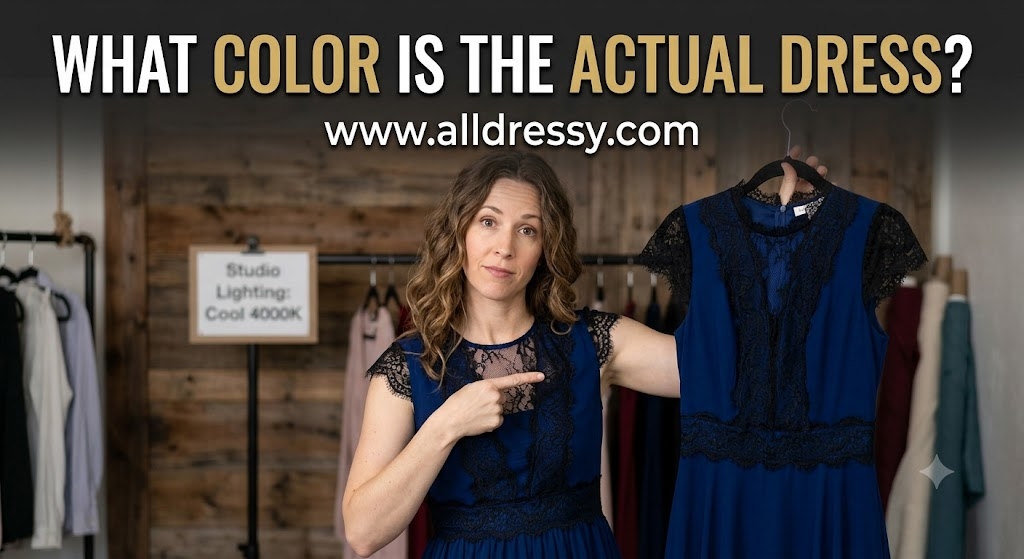
To understand what color is the actual dress, we must first revisit the original image that sparked the debate. The photograph showed a lace dress with ambiguous lighting. The background and exposure were unclear, which caused confusion in color interpretation.
The dress itself, when physically examined, is confirmed to be blue and black. However, the image circulated online had lighting distortions that caused many viewers to perceive it differently.
Key reason for confusion:
- Overexposed lighting in the image
- Poor white balance in the photograph
- Lack of visual context in the background
- Different screen brightness and display settings
Because of these factors, the brain fills in missing information, leading to two completely different interpretations.
What Color Is the Actual Dress According to Science
When analyzing what color is the actual dress, scientists agree on one fact: the physical dress is blue and black. However, perception depends on how the brain interprets light.
Human vision does not work like a camera. Instead, it constantly adjusts based on surrounding lighting conditions. This process is called color constancy, which allows us to see objects consistently under different lighting environments.
In the case of the dress:
- Some brains assumed the dress was under shadow → saw white and gold
- Others assumed it was under bright artificial light → saw blue and black
This difference in interpretation explains the global disagreement.
What Color Is the Actual Dress: The Role of Lighting and Exposure
Lighting is the most important factor in understanding what color is the actual dress. The original photo had ambiguous lighting, which confused the visual system.
How lighting affects perception:
- Overexposure
When an image is too bright, darker colors appear faded or washed out. - Underexposure
When an image is too dark, lighter colors may appear deeper or shifted. - Mixed lighting sources
Artificial light combined with natural light creates color distortion. - Shadow misinterpretation
The brain may assume shadows are altering true color.
In this case, the lighting caused a visual “guessing game” in the brain, leading to two valid interpretations.
What Color Is the Actual Dress: How the Human Brain Interprets Color
To fully understand what color is the actual dress, we must examine how the brain processes color information.
The human eye detects light through cones in the retina. These cones respond to different wavelengths corresponding to red, green, and blue light. However, the brain does not simply record raw data—it interprets it based on context.
Brain processing factors include:
- Surrounding colors in the environment
- Expected lighting conditions
- Past visual experiences
- Assumptions about shadows and brightness
This means two people can look at the same image and still see different colors because their brains are making different assumptions.
What Color Is the Actual Dress: White and Gold vs Blue and Black Debate
The viral debate around what color is the actual dress can be divided into two groups of perception:
Group 1: White and Gold Viewers
People in this group perceive:
- White lace dress
- Gold detailing or highlights
Their brain assumes the image is under strong shadow, removing blue tones and lightening the image.
Group 2: Blue and Black Viewers
People in this group see:
- Royal blue fabric
- Black lace or pattern
Their brain assumes the image is overexposed, reinforcing darker tones.
Neither group is “wrong” in terms of perception, but only one reflects the physical reality.
What Color Is the Actual Dress: The Real Answer Explained
Despite the debate, the scientific and physical truth about what color is the actual dress is simple:
The dress is blue and black in real life.
The confusion comes entirely from the photograph, not the actual garment. When the dress is viewed in person under controlled lighting conditions, there is no ambiguity.
This proves an important point: perception is not always reality.
What Color Is the Actual Dress and Why People See It Differently Online
The internet played a major role in amplifying the confusion around what color is the actual dress. Social media platforms spread the image globally within hours, and millions of people shared their opinions.
Factors that influenced online perception:
- Different phone screens and brightness settings
- Variations in device color calibration
- Screenshot compression altering image quality
- Psychological influence from comments and opinions
Once people read others’ interpretations, their brain often adjusted what they saw, reinforcing the illusion.
What Color Is the Actual Dress: Psychological Explanation of the Illusion
Psychology offers deeper insight into why what color is the actual dress became such a global debate.
1. Cognitive bias
People tend to interpret ambiguous information based on expectations rather than raw input.
2. Top-down processing
The brain uses prior knowledge to interpret visual data, sometimes overriding actual signals.
3. Social influence
Once a person reads a suggestion, their perception can shift unconsciously.
4. Visual ambiguity effect
When an image lacks clear lighting cues, the brain fills in missing information differently for each individual.
This combination created one of the strongest optical illusions ever seen online.
What Color Is the Actual Dress: Role of Device Screens and Technology
Modern technology also contributes to the confusion about what color is the actual dress.
Different screens display colors differently due to:
- Brightness levels
- Contrast settings
- Blue light filters
- Display calibration differences
A person viewing the image on a dim phone may see different colors than someone using a high-brightness monitor.
This technological variation intensified the global disagreement.
What Color Is the Actual Dress: Why This Illusion Went Viral
The reason what color is the actual dress became so famous is not just because of the illusion itself, but because of human curiosity and disagreement.
Reasons for virality:
- Simple image with complex interpretation
- Strong emotional disagreement
- Easy to participate in the debate
- Shareable on all social platforms
- Psychological curiosity about perception
People love visual puzzles, especially when there is no immediate agreement.
What Color Is the Actual Dress: Lessons About Human Perception
The dress phenomenon teaches important lessons about how humans see the world.
Key takeaways:
- Reality is not always objective in perception
- The brain actively interprets rather than records
- Lighting conditions dramatically affect vision
- People can genuinely see different things from the same image
- Consensus does not always equal truth
Understanding what color is the actual dress helps us realize how subjective vision can be.
What Color Is the Actual Dress: Impact on Science and Research
After the viral debate, researchers studied what color is the actual dress to better understand vision systems.
Areas of research impact:
- Neuroscience of color perception
- Computer vision algorithms
- Artificial intelligence image recognition
- Optical illusion studies
- Human cognitive bias research
AI systems were also tested on the image, and most correctly identified it as blue and black, supporting the physical reality over human perception variability.
What Color Is the Actual Dress: Cultural and Internet Impact
Beyond science, what color is the actual dress became a cultural milestone. It showed how quickly global conversations can form around a single image.
Cultural effects included:
- Memes and internet humor
- Celebrity discussions
- News coverage worldwide
- Social media debates lasting weeks
- Educational use in psychology and vision studies
The dress became a symbol of how perception can divide opinions instantly.
What Color Is the Actual Dress: Final Understanding of the Phenomenon
Even though the scientific answer to what color is the actual dress is blue and black, the deeper meaning lies in how differently humans experience the same reality.
The illusion proves that:
- Vision is interpretative
- Context shapes perception
- The brain can override visual data
- Reality is sometimes filtered through assumptions
FAQs: What Color Is the Actual Dress
1. What is the actual color of the dress?
The actual physical dress is blue and black. The confusion came from the lighting and exposure in the viral photograph, which altered how people perceived the colors.
2. Why do some people see white and gold instead of blue and black?
Some people see white and gold because their brain assumes the image is under strong shadow or poor lighting. This causes the brain to “correct” the colors differently, leading to an alternative perception.
3. Is anyone wrong about what color they see?
No. Perception is subjective. While the dress is physically blue and black, both interpretations happen due to how the brain processes light and color information. No one is “wrong” in terms of what they genuinely see.
4. What caused the dress color illusion?
The illusion was caused by:
- Poor lighting in the original photo
- Incorrect white balance
- Overexposure and shadow ambiguity
- Differences in screen brightness and device settings
These factors made the image highly ambiguous.
5. Can camera settings affect how we see colors?
Yes. Camera exposure, white balance, and lighting conditions can significantly change how colors appear in an image, which directly influenced the dress illusion.
6. Why did this dress become so famous online?
The dress went viral because it triggered global disagreement, curiosity, and debate. People were fascinated that the same image could produce two completely different visual experiences.
7. Do all people see colors the same way?
No. While most people have similar color vision, the brain interprets light differently depending on context, lighting assumptions, and even individual differences in vision processing.
8. Has science fully explained the dress illusion?
Yes, science explains it through color constancy, lighting ambiguity, and brain interpretation of visual cues. However, it remains a popular example of how perception can vary widely among individuals.
Conclusion: The Truth Behind What Color Is the Actual Dress
The question what color is the actual dress is more than just a viral internet debate—it is a powerful demonstration of how human perception works. While the dress itself is definitively blue and black, the way people perceive it varies because the brain constantly interprets visual information rather than simply recording it.
The illusion highlights the importance of lighting, context, and cognitive processing in shaping what we see. It also shows that two people can look at the same image and genuinely experience two different realities, both feeling correct in their perception.
Ultimately, the dress phenomenon is a reminder that vision is not purely objective. It is a complex interaction between the eyes, the brain, and the environment. This makes the question not just about color, but about how humans understand reality itself.