
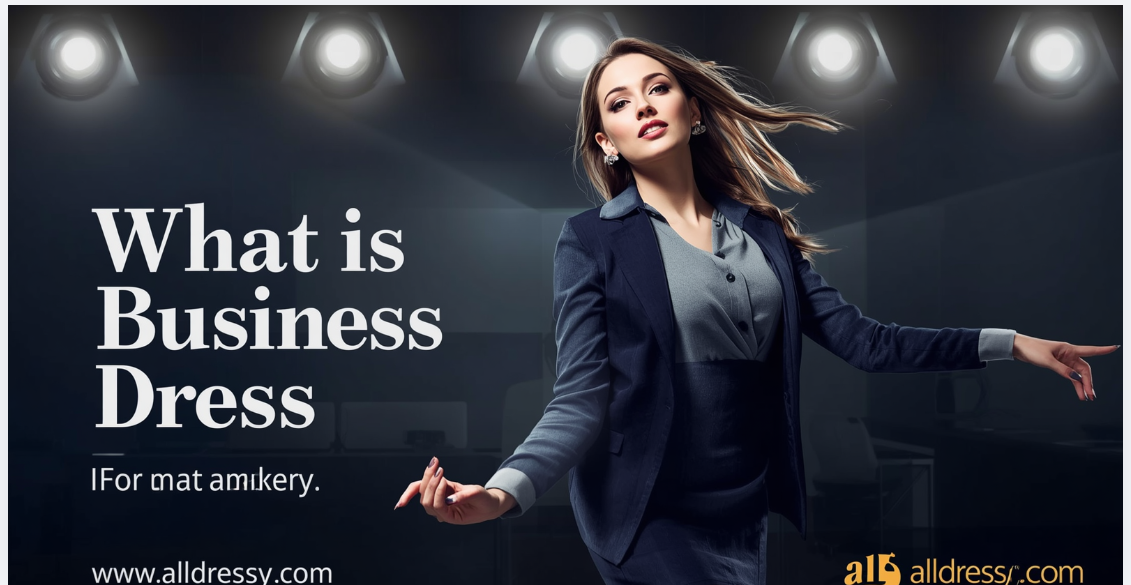
Navigating contemporary corporate dress codes can feel like deciphering an ever-shifting set of unwritten rules. As traditional corporate environments step away from rigid five-piece suits while moving past overly casual loungewear, a dominant sartorial standard has emerged in modern offices: smart business dress.
Understanding what is smart business dress requires looking beyond basic wardrobe checklists. Smart business dress is a deliberate aesthetic strategy that bridges the gap between traditional business formal attire (such as matching dark suits and strict neckwear) and business casual. It maintains an elevated level of professionalism, structure, and sharp tailoring while granting individuals the flexibility to incorporate separates, refined textures, subtle color accents, and contemporary silhouettes.
When a workplace or event invitation specifies a smart business dress code, the core expectation is a crisp, tailored, and thoughtful appearance. It signals competence, attention to detail, and respect for clients and colleagues, without feeling stuffy or overly conservative.
Deciphering the Spectrum: What Is Smart Business Dress vs Other Office Dress Codes?
To fully grasp what is smart business dress, it is helpful to place it within the broader hierarchy of workplace fashion standards. Corporate attire spans a spectrum ranging from ultra-strict Black Tie to completely relaxed casual wear. Smart business dress occupies a key position near the top of this spectrum, offering polish without the rigidity of full business formal wear.
| Dress Code Tier | Key Garments | Neckwear Requirements | Footwear Standards | Formality Level |
| Business Formal | Dark matching suits, skirt suits, formal dresses | Conservative tie required for men | Polished leather Oxfords, pumps | 10 / 10 |
| Business Professional | Tailored suits, sheath dresses with blazers | Tie generally expected | Closed-toe leather dress shoes, heels | 8.5 / 10 |
| Smart Business Dress | Tailored blazers, dress slacks, suit separates, elevated dresses | Tie optional; pocket square preferred | Leather loafers, Oxfords, dress flats, low heels | 7.5 / 10 |
| Business Casual | Chinos, slacks, blazers, cardigans, button-downs | Tie not required | Loafers, dressy flats, neat lifestyle sneakers (in some settings) | 5.5 / 10 |
| Smart Casual | Dark non-distressed jeans, tailored shirts, casual blazers | No neckwear | Clean minimal sneakers, suede shoes, ankle boots | 4.0 / 10 |
While business professional demands matching jacket-and-trouser suits in strict dark tones (navy, charcoal, black), smart business dress allows you to break up the suit. You might pair a tailored charcoal wool blazer with navy trousers, or wear a high-grade silk blouse with structured wide-leg trousers and a collarless jacket. It maintains sharp structure while embracing intentional styling.
Core Pillars: What Is Smart Business Dress Built Upon?
Achieving an authentic smart business look relies on four foundational elements: fabric selection, tailoring, color palette, and structural balance.
+--------------------------------------------------------------------------+
|                  THE FOUR PILLARS OF SMART BUSINESS DRESS                |
+--------------------------------------------------------------------------+
| 1. ELEVATED FABRICS    | Worsted Wool, Silk, High-Gage Cotton, Viscose   |
| 2. SHARP TAILORING     | Fitted Shoulders, Proper Sleeve & Hem Lengths   |
| 3. BALANCED PALETTE    | Anchor Neutrals (60%) + Subtle Accents (40%)    |
| 4. STRUCTURED LAYERS   | Blazers, Tailored Vests, Structured Coats        |
+--------------------------------------------------------------------------+
1. Elevated Fabric Choices
Garment construction begins with textile quality. Smart business dress rejects thin, shiny synthetics or overly casual fabrics like washed jersey, heavily crinkled linen, or slub cotton. Instead, it leans into high-performance natural fibers and structured weaves:
- Worsted Wool and Wool Blends: Provide structure, resist wrinkles, and drape clean over the body.
- Silk and Cupro: Offer subtle sheen and fluid draping for blouses, shells, and scarves.
- Fine-Gauge Merino Wool and Cashmere: Supply lightweight warmth without bulk, fitting seamlessly beneath tailored jackets.
- Structure Cotton Poplin and Twill: Deliver crisp collar lines and clean plackets for shirting.
2. Precise Tailoring and Fit
Even expensive clothing looks sloppy if ill-fitting. In smart business dress, garments should lightly follow the natural contours of the body without clinging tightly or draping baggily. Key tailoring benchmarks include:
- Shoulder Seams: Jacket shoulder pads should sit flush with the edge of your natural shoulder bone.
- Sleeve Length: Jacket sleeves should end right at the wrist bone, showing approximately a quarter to half an inch of shirt cuff.
- Trouser Break: Trousers should feature a slight break (where the hem lightly grazes the top of the shoe) or a clean no-break cropped line that sits neatly above the ankle bone.
3. Sophisticated Color Theory
The color palette of smart business dress uses anchored neutrals elevated by curated color accents.
- Base Anchors (60-70% of outfit): Navy blue, charcoal gray, deep olive, camel, chocolate brown, rich cream, and tailored black.
- Accent Tones (30-40% of outfit): Forest green, burgundy/plum, French blue, muted terracotta, blush pink, and soft mustard.
- Patterns: Subtle micro-checks, houndstooth, pinstripes, and muted windowpanes add texture without appearing distracting or overly loud.
4. Structural Layering
The defining line between casual and smart business is the presence of a structured outer layer. Throwing a tailored blazer, a structured knit jacket, or a belted trench coat over a basic top instantly lifts the ensemble into the professional tier.
Women’s Smart Business Dress: Essential Wardrobe Components
For women, answering what is smart business dress means choosing from a versatile selection of coordinates that balance comfort with an executive silhouette.
Tailored Blazers and Jackets
The blazer is the foundational piece of a smart business wardrobe.
- Single-Breasted Blazers: Versatile and flattering; worn buttoned for formal presentations or open for a dynamic daily look.
- Collarless Structured Jackets: Offer a clean, modern aesthetic that frames statement necklaces or high-neck silk tops.
- Belted Blazers and Peplum Cuts: Define the waistline while maintaining structural formality.
Trousers and Skirts
Smart business bottoms move past basic black slacks to include varied cuts and textures:
- High-Waisted Straight-Leg Trousers: Create an elongated line, pairing well with tucked-in blouses or structured knit tops.
- Ankle-Length Cigarette Pants: Sharp and modern; ideal for highlighting leather loafers or pointed-toe flats.
- Pleated Wide-Leg Trousers: Offer fluid drape and comfort while maintaining a crisp waistband and polished silhouette.
- Pencil and A-Line Skirts: Should fall at or slightly below the knee. Structured wool, heavy crepe, or structured leather skirts in deep neutral tones fit this dress code well.
Blouses, Tops, and One-Piece Solutions
- Silk and Satin Blouses: Button-up or cowl-neck tops add soft luster beneath structured blazers.
- Structured Shell Tops: Sleeveless woven tops with crew or boat necklines, designed to sit cleanly under jackets.
- Tailored Sheath and Shirt Dresses: One-piece options simplify dressing. Shirt dresses in structured poplin or wool-blend sheath dresses falling to the knee provide an instant smart business look.
- Sophisticated Jumpsuits: A tailored jumpsuit featuring a defined waist, high neckline, and wide legs serves as a chic alternative to a suit when paired with a blazer.
Footwear and Accessories
- Footwear: Pointed-toe dress flats, leather horsebit loafers, block-heel pumps (1.5 to 3 inches), closed-toe mules, and tailored leather ankle boots.
- Accessories: Structured leather totes or top-handle bags, minimalist gold or silver jewelry, silk neck scarves, and understated wristwatches.
Men’s Smart Business Dress: Key Garments and Styling Rules
When men ask what is smart business dress, the answer centers on modern tailoring that drops the requirement for a full matching suit and necktie, without sacrificing a sharp, commanding presence.
+--------------------------------------------------------------------------+
|                     MEN'S SMART BUSINESS OUTFIT ANATOMY                  |
+--------------------------------------------------------------------------+
| [ Upper Layer ]   Navy/Charcoal Tailored Blazer (Unstructured or Structured)|
| [ Inner Layer ]   Crisp Button-Down Shirt OR Merino Wool Turtleneck      |
| [ Waist Accent]   Leather Belt (Matching Footwear Color Exactly)         |
| [ Trousers ]      Tailored Wool Slacks or High-Density Cotton Chinos     |
| [ Footwear ]      Leather Oxfords, Monk Straps, or Suede Dress Loafers   |
+--------------------------------------------------------------------------+
Tailored Separates vs. Matching Suits
The defining characteristic of men’s smart business attire is the smart application of separates. Instead of a monochrome suit, opt for coordinated contrast:
- A navy hopsack blazer paired with mid-gray worsted wool trousers.
- A charcoal wool jacket worn over dark olive tailored chinos.
- A subtle glen check blazer paired with tailored navy slacks.
Shirts and Knit Layering
- Dress Shirts: Long-sleeved button-down shirts in solid white, light blue, or faint Bengal stripes form the backbone of this style. Collars should feature stays to keep them standing firm beneath a jacket frame.
- Fine-Gauge Knits: Replacing a collared shirt with a fine-knit merino wool crewneck, V-neck, or fitted turtleneck beneath a blazer is a hallmark of contemporary smart business dressing.
Trousers and Bottoms
- Tailored Wool Slacks: The most formal non-suit trouser option, offering a clean vertical crease down the center leg.
- High-Density Chinos: Chinos are acceptable provided they are sharply pressed, dark or neutral in tone (navy, stone, charcoal, olive), feature flat fronts, and lack external pocket stitching or heavy casual washing.
- Jeans Guidelines: Dark, uniform-wash, non-distressed jeans are sometimes permitted in modern smart business settings, but only when paired with a formal dress shirt, tailored blazer, and high-end dress shoes.
Footwear, Ties, and Finishing Touches
- Neckwear: Ties are generally optional in smart business dress. If you opt for a tie, choose textured wool, knit, or matte silk options rather than ultra-glossy formal silk ties.
- Pocket Squares: A crisp white linen pocket square folded neatly in a flat presidential fold elevates an unbuttoned blazer instantly.
- Footwear: Leather or suede Oxfords, Derbies, double Monk straps, and penny or tassel loafers. Belts should match shoe leather tones closely.
Gender-Neutral and Inclusive Smart Business Dress Options
Smart business dress adapts naturally to non-binary and gender-neutral styling. Its emphasis on tailoring, clean lines, and neutral tones allows individuals to assemble professional outfits outside traditional gender categories.
+--------------------------------------------------------------------------+
|                  GENDER-NEUTRAL SMART BUSINESS COMBINATIONS              |
+--------------------------------------------------------------------------+
| COMBINATION A: Relaxed-Fit Blazer + Band-Collar Shirt + Straight Trousers|
| COMBINATION B: Fine Merino Turtleneck + Pleated Slacks + Leather Oxfords |
| COMBINATION C: Tailored Vest/Waistcoat + Poplin Shirt + Ankle Trousers   |
+--------------------------------------------------------------------------+
Key Inclusive Essentials
- Relaxed-Fit Tailored Suits: Unstructured blazers paired with straight-leg trousers in high-quality wool or linen-viscose blends created in neutral palettes (tan, sage, charcoal).
- Band-Collar (Grandad Collar) Shirts: Offer a clean, neckwear-free look that stays structured under a blazer placket without requiring a traditional tie or collar fold.
- Tailored Waistcoats / Vests: Wearing a tailored vest over a crisp button-down shirt paired with slacks creates a sharp profile without requiring a full suit jacket.
- Universal Footwear: Classic leather Oxfords, minimalist monk straps, or high-grade leather loafers work effortlessly across all styles.
Seasonal Adaptations for Smart Business Dress
Maintaining a smart business aesthetic requires adjusting fabrics and layers to match weather conditions throughout the year.
Spring/Summer Protocols
Warm weather introduces challenges with perspiration and heat, but casual summer clothes (such as linen beach shirts, shorts, or flip-flops) remain off-limits.
- Fabrics: Tropical-weight wool, wool-silk-linen blends, cotton-poplin, and crisp viscose.
- Jacket Adjustments: Unlined or half-lined blazers in light gray, tan, soft blue, or stone.
- Women’s Styling: Sleeveless tailored sheath dresses, cropped cigarette pants, and silk-blend blouses.
- Men’s Styling: Open-collar cotton shirts (no tie), lightweight chinos, and suede loafers worn with invisible no-show socks.
Autumn/Winter Protocols
Cold weather allows for rich textures, heavier weights, and stylish outer layers.
- Fabrics: Flannel wool, tweed, cashmere, heavy knit jersey, and structured corduroy.
- Layering Strategy: Layering fine-gauge turtlenecks or V-neck sweaters over collared shirts beneath structured blazers.
- Outerwear: Single- or double-breasted wool overcoats, tailored trench coats, or tailored peacoats worn over office attire.
- Footwear: Leather dress boots, Chelsea boots, and thick-soled leather dress shoes.
Video Calls and Remote Work: Smart Business in Hybrid Environments
The growth of hybrid and remote work models has introduced specific considerations for video conference attire. On camera, people primarily see you from the chest up, shifting the focus to framing, collar structure, and color interaction with digital webcams.
+--------------------------------------------------------------------------+
|                    ON-CAMERA SMART BUSINESS FRAMEWORK                    |
+--------------------------------------------------------------------------+
| DO:   Wear structured collars (blazers, crisp button-downs, turtlenecks)|
| DO:   Choose mid-tone solid colors (teal, cobalt, plum, olive)            |
| AVOID: Fine pinstripes or moiré-inducing micro-patterns on camera       |
| AVOID: Bright neon white (overexposes) or pure jet black (loses detail)  |
+--------------------------------------------------------------------------+
Key Camera-Ready Guidelines
- Prioritize Top-Half Structure: A video screen flattens two-dimensional images. Wearing a soft t-shirt can make you look slouchy on camera, while adding a blazer, structured cardigan, or collared shirt instantly establishes authority.
- Avoid Moiré Patterns: High-density thin pinstripes, small houndstooth, or micro-checks can create a strobing visual distortion (“moiré effect”) on digital webcams. Stick to solid colors or larger, subtle patterns.
- Color Management for Sensors: Pure white shirts can overexpose video camera sensors, blowing out facial highlights. Pure black tops can erase garment details, making you look like a floating head against dark backgrounds. Opt for rich jewel tones (emerald, cobalt, plum) or muted mid-tones (slate gray, light blue, soft cream).
- Complete the Outfit: Avoid the trap of pairing a smart blazer with pajama bottoms. Dressing completely in smart business attire from head to toe improves posture, mindset, and professional focus, while ensuring you remain covered if you need to stand up unexpectedly during a call.
Industry-Specific Nuances of Smart Business Dress
While the core principles of smart business dress remain consistent, individual industries adapt the code to align with their specific workplace cultures.
1. Finance, Banking, and Law
In traditionally conservative fields, smart business sits at the formal end of the spectrum.
- Expectation: Darker color palettes (navy, charcoal, black), crisp button-down shirts, tailored wool trousers, and executive leather footwear.
- Separates: Should feature high contrast (e.g., navy blazer with light gray slacks) to signal intentional styling rather than an incomplete suit.
2. Technology, Startups, and E-Commerce
Tech sectors often skew casual, making smart business dress a powerful tool for leaders, managers, and client-facing representatives looking to stand out.
- Expectation: Unstructured jersey blazers, dark tailored chinos or high-end non-distressed denim, fine knitwear, and clean, minimal leather sneakers.
- Vibe: Modern, streamlined, and comfortable without appearing sloppy.
3. Creative Agencies, Marketing, and Media
Creative fields use smart business dress to showcase personal style, design awareness, and contemporary trends.
- Expectation: Asymmetric cuts, bolder color pairings, statement accessories, textured fabrics (like corduroy or velvet), and distinctive footwear choices.
- Vibe: Fashion-forward, intentional, and dynamic.
4. Real Estate, Consulting, and Client Services
Roles centered on direct client interaction require a style that builds trust, conveys competence, and remains approachable.
- Expectation: Sharply tailored blazers, polished leather shoes, high-quality accessories, and impeccably pressed shirts.
- Vibe: Authoritative, approachable, and pristine.
Common Sartorial Mistakes When Implementing Smart Business Dress
Understanding what is smart business dress also involves knowing what to avoid. Minor styling missteps can unintentionally demote an elevated outfit down to overly casual territory.
+--------------------------------------------------------------------------+
|                     DOS AND DON'TS OF SMART BUSINESS DRESS               |
+--------------------------------------------------------------------------+
| DO:   Ensure all clothing is pressed, fitted, and scuff-free             |
| DO:   Tuck in dress shirts when wearing a blazer or suit separates       |
| AVOID: Athletic wear, hoodies, graphic t-shirts, or distressed denim     |
| AVOID: Wearing gym sneakers or worn-down casual footwear                 |
| AVOID: Over-accessorizing with loud, clanking, or excessive jewelry      |
+--------------------------------------------------------------------------+
- Confusing Smart Business with Smart Casual: Wearing graphic t-shirts under a jacket, distressed jeans, or athletic sneakers crosses into smart casual or casual territory. T-shirts should be replaced with collared shirts, fine-gauge knitwear, or silk blouses.
- Neglecting Shoe Maintenance: Scuffed leather, worn heels, or dirty midsoles ruin an otherwise sharp tailored outfit. Keep leather shined, suede brushed, and soles clean.
- Wearing Ill-Fitting or Wrinkled Garments: Creased shirts or sagging trouser hems undercut professional credibility. Invest in basic tailoring and a reliable garment steamer.
- Exposing Undershirt Necklines: Men wearing open-collar dress shirts should opt for deep V-neck undershirts so the collar line remains hidden.
- Over-Accessorizing: Wearing too many statement accessories (such as loud tie clips, stacked bracelets, and heavy cologne or perfume) creates visual clutter. Stick to two or three subtle, high-quality pieces.
Frequently Asked Questions About Smart Business Dress
Are jeans ever acceptable in a smart business dress code?
Jeans are generally discouraged in traditional smart business dress environments. However, in modern or tech-adjacent industries, dark-wash, non-distressed jeans (free of rips, fading, or raw hems) may be acceptable if paired with a tailored blazer, a crisp button-down shirt or silk blouse, and high-end leather dress shoes or pumps.
Are sneakers allowed in smart business attire?
Standard athletic running shoes, high-tops, and gym sneakers are strictly off-limits. In more progressive offices, minimalist, solid-color leather dress sneakers (white, navy, or tan) can occasionally pass if they are immaculately clean and paired with well-tailored trousers and a structured jacket. For guaranteed compliance, stick to classic leather dress shoes, Oxfords, loafers, or dress flats.
What is the main difference between smart business dress and business casual?
Smart business dress sits one step higher in formality than business casual. While business casual allows unjacketed collared shirts, cardigans, and casual chinos, smart business dress requires a structured outer layer (a tailored blazer or structured knit jacket) and focuses more heavily on premium fabrics, formal separates, and crisp tailoring.
Do men have to wear a tie in smart business dress?
Ties are optional in a smart business dress code. Skipping the necktie is one of the easiest ways to distinguish smart business attire from traditional business formal wear. If you choose to forgo a tie, ensure your shirt collar stands firm under your blazer using collar stays or unbuttoning no more than the top two buttons.
How can I transition a smart business outfit from the office to an after-work event?
Smart business attire transitions seamlessly into evening functions. To relax your look after hours, men can unbutton their top shirt collar, remove a belt in favor of a sleek tailored fit, or swap structured trousers for dark-wash denim. Women can replace a structured work tote with a clutch, swap dress flats for statement heels, or add bold jewelry and a lip color to shift the outfit from professional to cocktail-ready.
Conclusion
Mastering smart business dress comes down to balancing modern comfort with crisp, professional tailoring. By swapping out full matching suits for refined separates, high-grade fabrics, and intentional layering, you can project authority and competence without feeling overly restricted. Focus on fit, quality textiles, and polished footwear to build a versatile executive wardrobe that effortlessly adapts to boardrooms, client meetings, and dynamic modern workplaces.