
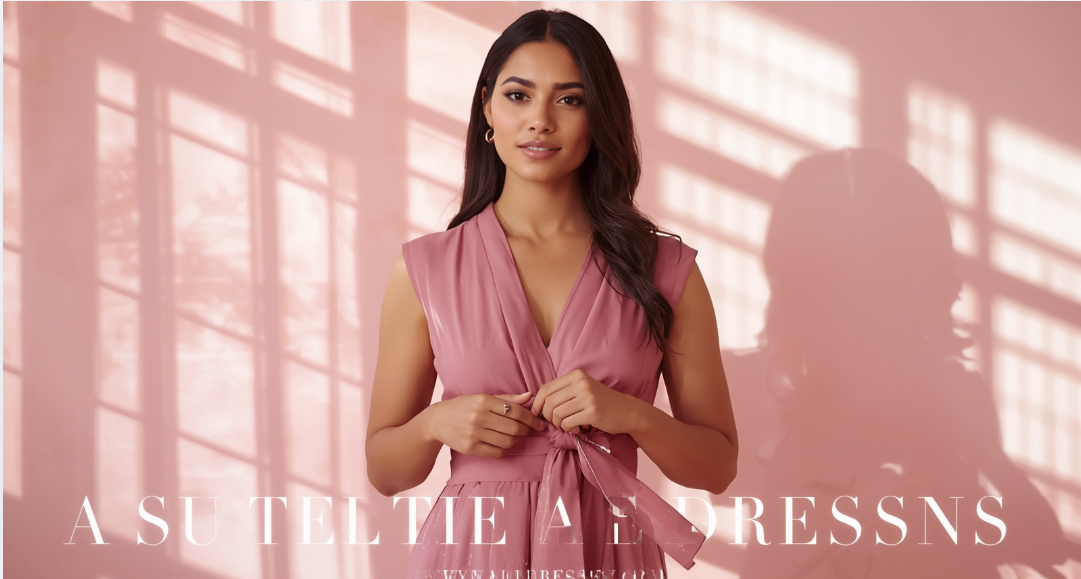
Learning how to tie a dress knot is a simple but powerful styling skill that can completely transform the way a dress looks and fits. A well-tied dress knot can define your waist, adjust the silhouette, add fashion detail, and even turn a basic dress into a designer-style outfit. From wrap dresses and shirt dresses to oversized t-shirt dresses and maxi dresses, knotting techniques are used in modern fashion to create shape, movement, and personality.
Understanding how to tie a dress knot is not just about tying fabric together—it is about controlling proportion, enhancing body shape, and creating intentional style details. Whether you want a casual front knot, a side knot, a back knot, or a decorative twist, mastering different techniques allows you to customize your outfit for different occasions.
This complete guide explores how to tie a dress knot in detail, including step-by-step methods, knot styles, fabric considerations, body shape styling tips, fashion hacks, and professional styling techniques used by fashion experts.
How to Tie a Dress Knot: Understanding Why Dress Knots Matter in Fashion
Before learning how to tie a dress knot, it is important to understand why knots are used in styling.
Dress knots serve multiple purposes:
- Define the waistline
- Add structure to loose dresses
- Create visual interest and texture
- Adjust dress length or fit
- Improve body proportions
- Turn basic dresses into styled outfits
Knots are especially useful in modern fashion because they allow customization without sewing or altering the garment.
How to Tie a Dress Knot: Different Types of Dress Knots You Should Know
There are several styles when learning how to tie a dress knot, and each creates a different fashion effect.
Front Knot
- Most common style
- Tied at the front waist or hem
- Creates casual, relaxed look
Side Knot
- Tied on left or right waist
- Adds asymmetry and style detail
- Popular in street fashion
Back Knot
- Tied behind the waist
- Creates smooth front silhouette
- Ideal for fitted looks
Hem Knot
- Used to shorten dress length
- Common in t-shirt dresses
- Adds playful, casual vibe
Twist Knot
- Fabric is twisted before tying
- Creates elegant, structured detail
- Used in formal or styled outfits
Each knot type changes the outfit’s overall appearance.
How to Tie a Dress Knot: Step-by-Step Front Knot Technique
One of the easiest methods in how to tie a dress knot is the front knot.
Step 1: Gather Fabric
Take both sides of the dress fabric at the front.
Step 2: Adjust Length
Decide how tight or loose you want the knot.
Step 3: Cross the Fabric
Cross the two ends over each other.
Step 4: Loop One Side
Wrap one end around the other to form a basic knot.
Step 5: Tighten Gently
Pull both ends to secure the knot.
Step 6: Adjust Shape
Fluff fabric to create balanced folds.
Front knots are ideal for casual everyday styling.
How to Tie a Dress Knot: Side Knot Styling Method
The side knot is a stylish variation in how to tie a dress knot.
Step 1: Shift Fabric to One Side
Gather fabric toward left or right waist.
Step 2: Cross Ends
Cross fabric ends over each other.
Step 3: Form Knot
Tie a simple knot at the side.
Step 4: Adjust Draping
Let fabric fall naturally for asymmetry.
Step 5: Balance Look
Ensure both sides of dress are visually even.
Side knots create a more fashionable and dynamic silhouette.
How to Tie a Dress Knot: Back Knot Technique for a Clean Look
Back knots are useful when you want a neat front appearance.
Step 1: Pull Fabric to Back
Gather loose fabric toward the back waist.
Step 2: Cross Ends Behind Body
Cross fabric ends behind you.
Step 3: Tie Secure Knot
Create a firm knot at the back.
Step 4: Adjust Front Fit
Smooth out front of dress for clean look.
Step 5: Hide Knot Under Fabric
Ensure knot stays hidden or subtle.
This technique is often used in formal styling.
How to Tie a Dress Knot: Hem Knot for Shortening Dresses
Hem knots are popular in casual styling and essential in how to tie a dress knot.
Step 1: Grab Bottom Fabric
Hold one side of the hem.
Step 2: Twist Fabric
Twist tightly until fabric gathers.
Step 3: Form Knot
Tie twisted fabric into a knot.
Step 4: Adjust Length
Raise knot to shorten dress visually.
Step 5: Balance Shape
Smooth remaining fabric for even look.
Hem knots are ideal for oversized dresses.
How to Tie a Dress Knot: Twist Knot for Elegant Styling
Twist knots add sophistication.
Step 1: Hold Fabric Section
Take a small section of fabric.
Step 2: Twist Repeatedly
Twist until fabric tightens.
Step 3: Loop Fabric
Form loop with twisted section.
Step 4: Secure Knot
Tuck end through loop.
Step 5: Style Draping
Adjust folds for elegant finish.
Twist knots are great for semi-formal outfits.
How to Tie a Dress Knot: Choosing the Right Knot for Dress Types
Different dresses require different knot styles.
T-Shirt Dresses
- Best: Front or hem knot
- Creates casual street look
Shirt Dresses
- Best: Waist or side knot
- Enhances structure
Maxi Dresses
- Best: Side or back knot
- Adds shape without shortening too much
Wrap Dresses
- Best: Natural waist knot
- Enhances original design
Choosing correctly improves overall style balance.
How to Tie a Dress Knot: Fabric Considerations for Better Results
Fabric plays a major role in how to tie a dress knot.
Cotton Fabric
- Easy to knot
- Holds shape well
Jersey Knit
- Stretchy and flexible
- Ideal for casual knots
Silk Fabric
- Slippery texture
- Requires gentle handling
Linen Fabric
- Slightly stiff
- Holds structured knots
Polyester Blend
- Versatile and durable
- Works with most knot styles
Fabric choice affects knot stability.
How to Tie a Dress Knot: Styling Tips for Body Types
Knots can enhance body proportions when styled correctly.
Hourglass Body
- Waist knots emphasize curves
- Side knots enhance balance
Pear-Shaped Body
- Upper knots draw attention upward
- Avoid heavy lower knots
Apple-Shaped Body
- Side knots create definition
- Avoid tight waist compression
Rectangle Body
- Knots add curves visually
- Use twist or front knots
Proper placement enhances natural silhouette.
How to Tie a Dress Knot: Fashion Styling Ideas
Knots can create multiple fashion looks.
Casual Street Style
- Front knot + sneakers
- Oversized dress + hem knot
Beach Style
- Side knot + sandals
- Lightweight fabric dresses
Chic Evening Look
- Twist knot + heels
- Sleek accessories
Office Casual
- Back knot + blazer
- Structured dress styling
Knots adapt outfits for any occasion.
How to Tie a Dress Knot: Common Mistakes to Avoid
Avoiding errors improves styling results.
Over-Tightening Knot
Can damage fabric or distort shape.
Uneven Fabric Pulling
Creates unbalanced look.
Wrong Knot Placement
Can ruin dress proportions.
Using Slippery Fabric Incorrectly
May cause knot to loosen.
Ignoring Body Shape
Reduces flattering effect.
Correct technique ensures better fashion results.
How to Tie a Dress Knot: Advanced Styling Techniques
Advanced knot styling creates professional-level fashion looks.
Layered Knotting
Using multiple small knots for texture.
Asymmetrical Knot Design
Creating uneven but stylish balance.
Hidden Knot Styling
Concealing knot inside folds for clean look.
Double Knot Technique
For extra security and decorative effect.
These techniques are used in fashion styling and editorial shoots.
How to Tie a Dress Knot: Everyday Fashion Benefits
Mastering how to tie a dress knot improves wardrobe versatility.
Outfit Transformation
One dress can create multiple looks.
Improved Fit
Adjusts loose clothing easily.
Style Personalization
Adds unique fashion identity.
Seasonal Adaptability
Works across summer, winter, and transitional seasons.
Knots make clothing more functional and stylish.
FAQs
What is the easiest way to learn how to tie a dress knot?
The easiest way is to start with a basic front knot. Gather the fabric, cross it over, loop one side through, and gently tighten. Practice with soft cotton or jersey fabric first for better control.
Can I tie a knot on any type of dress?
Not every dress is suitable for knotting. Cotton, jersey, and stretch fabrics work best. Slippery materials like silk or satin can loosen easily and may need more careful handling.
Will tying a dress knot damage my dress?
No, tying a dress knot will not damage your dress if done gently. However, pulling too tightly or repeatedly knotting delicate fabric can cause stretching over time.
Where is the best place to tie a dress knot?
It depends on the look you want. Front knots are casual, side knots are stylish and asymmetrical, back knots create a clean front look, and hem knots shorten the dress.
How do I keep a dress knot from coming undone?
Use slightly tighter tension when forming the knot and choose fabrics with some grip. You can also double knot or tuck loose ends into folds for better security.
Can dress knots make a loose dress fit better?
Yes, tying a dress knot is a great way to adjust fit. It helps define the waist, shorten length, and add shape to oversized or loose dresses.
Is knotting a dress suitable for formal wear?
Yes, but it should be done neatly and subtly. Twist knots or hidden back knots work best for semi-formal or elegant outfits.
What type of knot is best for a t-shirt dress?
Front knots and hem knots work best for t-shirt dresses because they are easy to style and create a relaxed, casual look.
Can I use knots to change dress length?
Yes, hem knots are commonly used to shorten dresses temporarily and create a more playful or casual silhouette.
Do dress knots work for all body types?
Yes, dress knots can be styled for all body types. The key is placement—waist knots enhance curves, while side knots balance proportions.
Conclusion
Learning how to tie a dress knot is a simple yet powerful styling skill that can completely transform your wardrobe. With the right technique, a basic dress can be turned into a fitted, stylish, and fashion-forward outfit suitable for any occasion. Whether you prefer front, side, back, hem, or twist knots, each method allows you to customize your look based on comfort, body shape, and personal style. Mastering dress knots not only improves fit and versatility but also helps you create unique fashion expressions without needing new clothing pieces.