
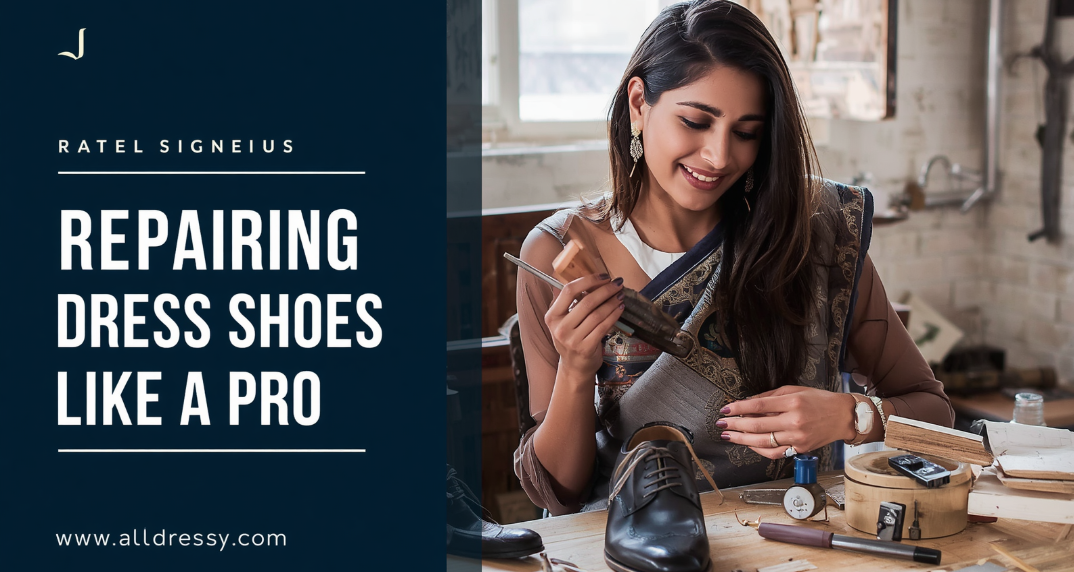
Knowing how to repair men dress shoe heel rubber can save money, extend the life of your favorite shoes, and help maintain a professional appearance. Dress shoes are an investment, and the rubber heel is often the first component to show signs of wear. Continuous walking on concrete, asphalt, office floors, and other hard surfaces gradually wears down the heel rubber, leading to uneven walking, discomfort, and potential damage to the shoe structure.
Many people replace perfectly good dress shoes simply because the heel rubber has worn out. However, learning how to repair men dress shoe heel rubber allows you to restore traction, improve comfort, and preserve the overall condition of your footwear. Whether the heel is slightly worn, cracked, loose, or completely detached, there are effective repair methods that can help.
This comprehensive guide covers everything you need to know about repairing men’s dress shoe heel rubber, including tools, materials, repair techniques, maintenance tips, and common mistakes to avoid.
Understanding the Structure of a Men’s Dress Shoe Heel
Before beginning repairs, it’s important to understand the basic heel structure.
Most men’s dress shoes consist of:
- Upper leather section
- Insole
- Midsole
- Heel block
- Rubber heel cap
- Outsole
The rubber heel cap is typically attached to the bottom of the heel block and serves several purposes:
- Provides traction
- Reduces slipping
- Protects the heel structure
- Improves walking comfort
- Absorbs shock
Because the rubber heel cap contacts the ground directly, it naturally wears out faster than other parts of the shoe.
Why Rubber Heels Wear Out
Understanding wear causes helps prevent future damage.
Frequent Walking
Daily use gradually wears down rubber materials.
Uneven Gait
Many people naturally place more pressure on one side of the heel.
Hard Surfaces
Concrete and pavement accelerate heel wear.
Moisture Exposure
Water can weaken adhesive bonds.
Poor Storage
Improper storage may contribute to cracking and deterioration.
Excess Weight
Additional pressure increases heel wear over time.
Signs That Your Dress Shoe Heel Rubber Needs Repair
Recognizing wear early can prevent larger issues.
Uneven Heel Wear
One side becomes thinner than the other.
Slipping
Reduced traction can make walking unsafe.
Clicking Sounds
Worn heels often create unusual sounds on hard floors.
Exposed Heel Block
The underlying heel structure becomes visible.
Loose Rubber Heel
The heel cap begins separating from the shoe.
Cracks in the Rubber
Visible cracks indicate aging and deterioration.
Benefits of Repairing Heel Rubber Instead of Replacing Shoes
Repairing the heel offers several advantages.
Cost Savings
Heel repairs cost significantly less than buying new shoes.
Extended Shoe Life
Quality dress shoes can last many years with proper maintenance.
Better Comfort
A repaired heel restores stability and support.
Environmental Benefits
Repairing footwear reduces waste.
Preservation of Quality Shoes
High-end dress shoes are often worth maintaining.
Tools Needed to Repair Men Dress Shoe Heel Rubber
Gathering the proper tools improves repair results.
Common tools include:
- Utility knife
- Sandpaper
- Shoe adhesive
- Small hammer
- Replacement heel caps
- Pliers
- Measuring tape
- Clamps
- Cleaning cloth
- Marker
Having quality tools simplifies the repair process.
Materials Used in Heel Rubber Repairs
Several materials may be required.
Replacement Rubber Heel Caps
Available in various sizes and thicknesses.
Shoe Repair Adhesive
Designed specifically for footwear applications.
Contact Cement
Provides strong bonding for rubber components.
Finishing Nails
Some heel caps require nails for additional security.
Rubber Repair Sheets
Useful for custom repairs.
How to Inspect Heel Damage Before Repair
Proper inspection determines the best repair method.
Check Heel Thickness
Compare worn areas with unworn sections.
Examine Attachment Points
Look for loose edges or separation.
Inspect Heel Alignment
Uneven wear may indicate gait issues.
Assess Structural Integrity
Ensure the heel block itself remains undamaged.
How to Repair a Loose Rubber Heel
A loose heel is one of the most common issues.
Step 1: Remove Dirt
Clean the heel thoroughly.
Step 2: Lift the Loose Section
Carefully separate the affected area.
Step 3: Apply Shoe Adhesive
Use a thin, even layer.
Step 4: Press Firmly
Align the heel properly.
Step 5: Clamp the Area
Maintain pressure during curing.
Step 6: Allow Full Drying Time
Follow adhesive manufacturer recommendations.
How to Replace Worn Rubber Heel Caps
When wear becomes severe, replacement is often the best solution.
Remove the Old Heel Cap
Use pliers or a utility knife carefully.
Clean the Heel Base
Remove old adhesive and debris.
Measure the Replacement
Ensure correct sizing.
Apply Adhesive
Spread evenly across the contact surface.
Position the New Heel Cap
Align accurately before pressing.
Secure and Cure
Allow sufficient drying time before use.
Choosing the Right Replacement Heel Rubber
Not all heel materials are equal.
Hard Rubber
Offers durability and longevity.
Soft Rubber
Provides better grip and comfort.
Combination Materials
Balance traction and wear resistance.
Premium Heel Rubber
Often lasts significantly longer than economy options.
How to Repair Cracked Heel Rubber
Small cracks can sometimes be repaired.
Clean the Area
Remove dirt and oils.
Apply Flexible Rubber Adhesive
Fill the crack completely.
Smooth the Surface
Create an even finish.
Allow Proper Curing
Avoid wearing the shoes during this period.
Severe cracking usually requires replacement rather than repair.
Fixing Uneven Heel Wear
Uneven wear can affect comfort and posture.
Identify Wear Patterns
Determine which side wears faster.
Replace Both Heels
Maintains balance and appearance.
Consider Orthotic Support
May help correct walking patterns.
Monitor Future Wear
Early detection prevents recurrence.
Repairing Leather and Rubber Heel Combinations
Some dress shoes feature both leather and rubber heel components.
Protect Leather Areas
Avoid excessive adhesive contact.
Use Appropriate Materials
Select adhesives compatible with both surfaces.
Maintain Original Design
Preserve the shoe’s appearance.
Common Adhesives for Heel Rubber Repair
Choosing the right adhesive improves durability.
Shoe Goo
Popular for flexible repairs.
Contact Cement
Provides strong bonds.
Rubber Cement
Useful for minor repairs.
Professional Shoe Adhesives
Specifically formulated for footwear.
How Long Does Heel Repair Last?
Durability depends on several factors.
Quality of Materials
Higher-quality components last longer.
Walking Habits
Frequent walking increases wear.
Surface Conditions
Rough surfaces accelerate deterioration.
Repair Quality
Proper technique improves longevity.
A well-executed repair can last months or even years.
Professional vs DIY Heel Repair
Both approaches have advantages.
DIY Repair Benefits
- Lower cost
- Immediate results
- Learning experience
Professional Repair Benefits
- Expert craftsmanship
- Specialized equipment
- Longer-lasting repairs
- Precise fit
The best choice depends on shoe value and repair complexity.
How to Prevent Future Heel Wear
Prevention reduces repair frequency.
Rotate Shoes
Avoid wearing the same pair daily.
Use Shoe Trees
Maintain proper shape.
Walk Carefully
Reduce dragging and scraping.
Store Properly
Keep shoes in a cool, dry environment.
Clean Regularly
Remove dirt and moisture.
Best Practices for Maintaining Men’s Dress Shoes
Heel maintenance is only one part of shoe care.
Polish Leather Regularly
Protects the upper.
Inspect Soles Frequently
Catch wear early.
Replace Heel Caps Promptly
Avoid damage to the heel block.
Condition Leather
Prevents cracking and drying.
Use Protective Sole Guards
Reduce wear on both heels and soles.
Common Mistakes When Repairing Heel Rubber
Avoiding mistakes improves outcomes.
Using the Wrong Adhesive
General-purpose glue may fail.
Ignoring Surface Preparation
Dirty surfaces weaken adhesion.
Rushing the Repair
Insufficient curing leads to failure.
Misaligning the Heel
Improper placement affects comfort.
Reusing Damaged Components
Old materials may not perform well.
When to Seek Professional Shoe Repair
Some repairs exceed DIY capabilities.
Professional assistance may be appropriate when:
- Heel blocks are damaged
- Multiple components require repair
- Shoes are expensive
- Structural issues exist
- Precise restoration is desired
High-quality dress shoes often justify professional repair costs.
Cost of Repairing Men’s Dress Shoe Heel Rubber
Repair expenses vary based on:
- Shoe type
- Material quality
- Extent of wear
- Professional labor costs
DIY repairs are generally inexpensive, while professional repairs remain significantly cheaper than purchasing premium new shoes.
How Often Should Heel Rubber Be Replaced?
Replacement frequency depends on usage.
Heavy daily wear may require replacement every several months.
Occasional wear may allow heels to last several years.
Regular inspection helps determine the ideal replacement schedule.
Advanced Tips for Long-Term Heel Durability
Experienced shoe owners often use additional strategies.
Install Protective Heel Taps
Provide extra wear resistance.
Maintain Proper Walking Form
Reduces uneven pressure.
Keep Heels Dry
Moisture can weaken materials.
Address Small Problems Early
Minor repairs prevent major damage.
Invest in Quality Components
Premium materials typically outperform cheaper alternatives.
By understanding how to repair men dress shoe heel rubber correctly, you can significantly extend the lifespan of your footwear, improve comfort, maintain a polished appearance, and protect your investment in quality dress shoes. Proper inspection, timely maintenance, and careful repairs ensure that your shoes continue looking professional and performing reliably for years.
Here are the FAQs and Conclusion sections for your article:
FAQs About How to Repair Men Dress Shoe Heel Rubber
How do I know if my dress shoe heel rubber needs repair?
Common signs include uneven wear, reduced traction, visible cracks, loose heel caps, clicking sounds while walking, and exposure of the underlying heel block. Regular inspections can help identify problems before they become severe.
Can I repair a loose rubber heel myself?
Yes. Minor heel separation can often be repaired using a quality shoe adhesive. Proper cleaning, alignment, and curing time are important for a successful repair.
What type of glue works best for rubber heel repair?
Shoe-specific adhesives, contact cement, and professional footwear repair glues generally provide the strongest and most durable bonds. Choosing an adhesive designed for footwear is essential for long-lasting results.
How long does a heel rubber repair typically last?
The lifespan depends on the quality of the repair, walking habits, surface conditions, and materials used. A properly completed repair can last many months or even years under normal use.
Is it better to repair or replace a worn heel?
If the heel block is still in good condition, replacing the worn rubber heel cap is usually the most cost-effective solution. However, severe structural damage may require more extensive repairs.
Can uneven heel wear affect walking comfort?
Yes. Uneven wear can alter your gait, reduce stability, and place extra stress on your feet, ankles, knees, and lower back. Prompt repair helps maintain proper balance and comfort.
How often should heel rubber be replaced?
Replacement frequency varies based on usage. Daily wearers may need replacement more often, while occasional users can go much longer between repairs. Regular inspections are the best way to determine when replacement is necessary.
Can I replace heel rubber on expensive dress shoes?
Yes. In fact, repairing premium dress shoes is often highly recommended because it extends their lifespan and protects your investment. High-quality shoes are usually designed to be maintained and repaired.
What causes heel rubber to wear out faster?
Factors such as frequent walking, uneven gait patterns, rough surfaces, excess body weight, moisture exposure, and poor shoe maintenance can all accelerate heel wear.
When should I seek professional shoe repair?
Professional repair is recommended when the heel block is damaged, the repair requires specialized tools, the shoes are valuable, or you want the highest-quality restoration possible.
Conclusion
Learning how to repair men dress shoe heel rubber is a valuable skill that can significantly extend the life of your footwear while saving money on replacements. Since heel rubber is often the first part of a dress shoe to wear down, addressing problems early helps prevent more serious damage to the heel block and overall shoe structure.
Whether you are fixing a loose heel cap, replacing worn rubber, or correcting uneven wear, proper inspection, quality materials, and careful repair techniques are essential for achieving durable results. Regular maintenance, routine cleaning, and prompt attention to minor issues can help keep your dress shoes looking professional and performing comfortably for years.
By understanding the causes of heel wear and following proven repair and maintenance practices, you can protect your investment in quality footwear and enjoy better comfort, stability, and appearance every time you wear your dress shoes.