
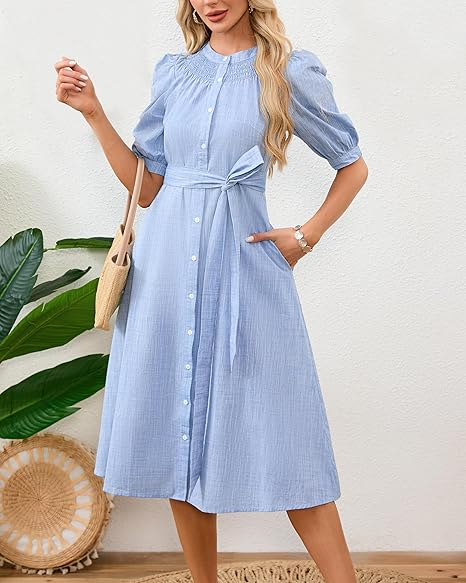
Finding the best fabric for dresses is key to creating outfits that not only look beautiful but also feel comfortable and last long. Whether you’re making or buying a casual sundress, a formal evening gown, or a stylish work outfit, the fabric can make or break your dress. The texture, drape, stretch, breathability, and sheen of a material all affect how it wears, how it moves, and how well it suits the occasion.
This comprehensive buying guide will walk you through the top fabrics for dresses, their benefits and drawbacks, and how to choose the right fabric for your style, climate, and purpose. Whether you’re sewing your own clothing or shopping ready-made, understanding the best fabric for dresses will help you make smarter, longer-lasting wardrobe decisions.
🛍️ Buying Guide: How to Choose the Best Fabric for Dresses
When selecting the best fabric for dresses, consider the following factors:
✅ 1. Occasion or Purpose
- Everyday Wear: Look for comfortable, breathable, and easy-to-maintain fabrics like cotton, jersey, or rayon.
- Formal Events: Go for luxurious, flowy fabrics such as silk, chiffon, velvet, or satin.
- Work Dresses: Choose structured, wrinkle-resistant materials like crepe, ponte knit, or cotton blends.
- Summer Dresses: Lightweight, breathable options like linen, cotton voile, and rayon work best.
- Winter Dresses: Opt for heavier materials like wool blends, tweed, or velvet.
✅ 2. Comfort & Breathability
- Natural fibers like cotton, linen, and silk allow your skin to breathe.
- Synthetic blends like polyester may trap heat but often add durability and wrinkle resistance.
✅ 3. Drape and Flow
- Fluid fabrics like rayon, chiffon, and silk create a soft, elegant look.
- Stiff fabrics like taffeta or denim add volume and structure.
✅ 4. Care & Maintenance
- Some fabrics (like cotton or jersey) are easy to wash at home.
- Others (like silk or velvet) may require dry cleaning.
✅ 5. Weather Suitability
- Warm climates: Cotton, rayon, and linen are ideal.
- Cool climates: Wool blends, heavier knits, and fleece-lined fabrics work better.
👗 Top 8 Best Fabrics for Dresses (With Pros & Cons)
1. Cotton – The Best Fabric for Everyday Dresses
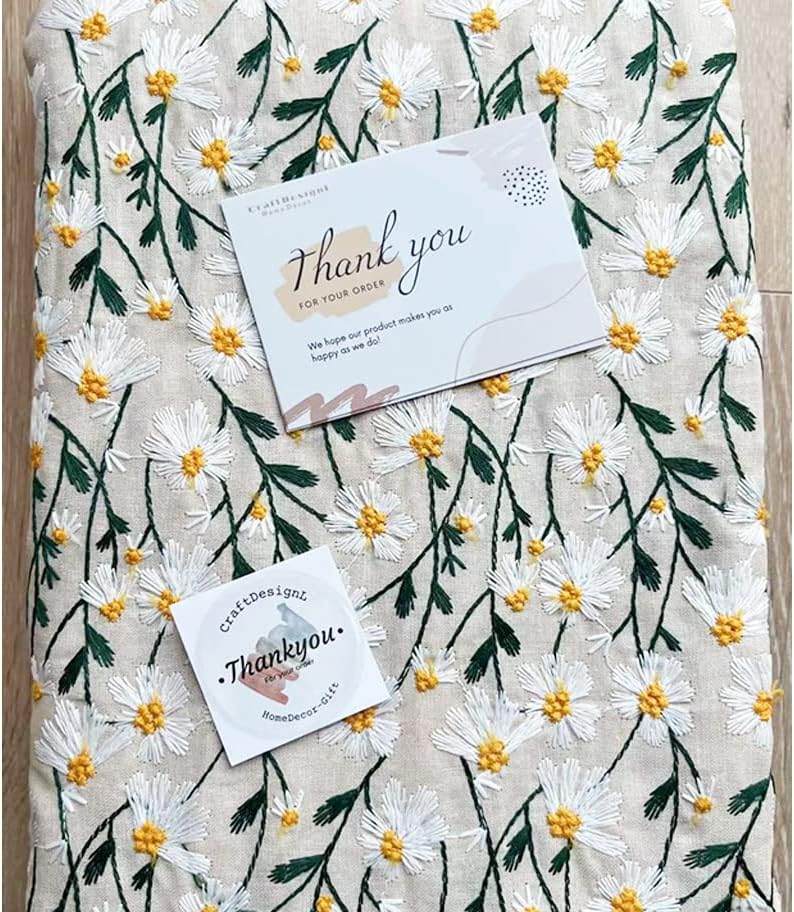
Why It’s Great:
Cotton is breathable, soft, versatile, and ideal for casual wear or day dresses. It’s easy to sew and comfortable in almost every climate.
Pros:
- Natural, breathable, and hypoallergenic
- Easy to wash and care for
- Comes in many weights and prints
Cons:
- Wrinkles easily
- May shrink if not pre-washed
Best for: Summer dresses, casual wear, shirt dresses
2. Silk – Best Fabric for Luxury and Formal Dresses
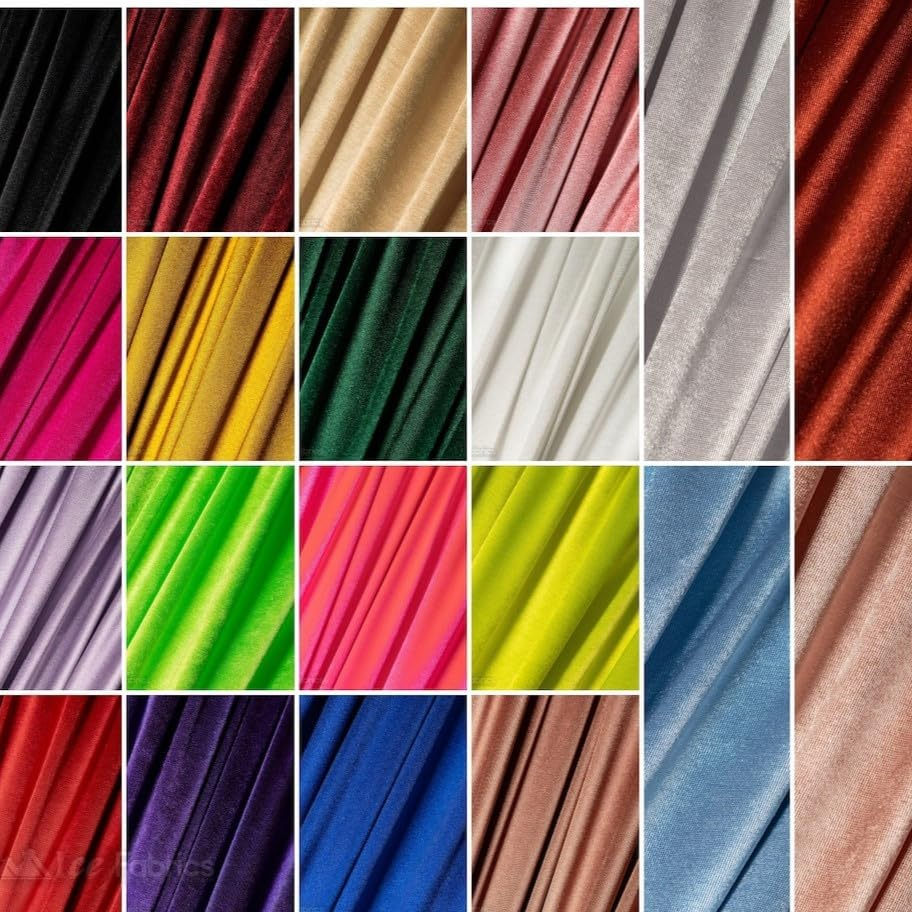
Why It’s Great:
Silk offers unmatched elegance and drape. It’s perfect for evening gowns and special occasion dresses.
Pros:
- Luxurious shine and texture
- Drapes beautifully
- Breathable
Cons:
- Expensive
- Delicate and requires dry cleaning
Best for: Wedding dresses, cocktail dresses, evening gowns
3. Linen – Best Fabric for Breathability and Summer Dresses
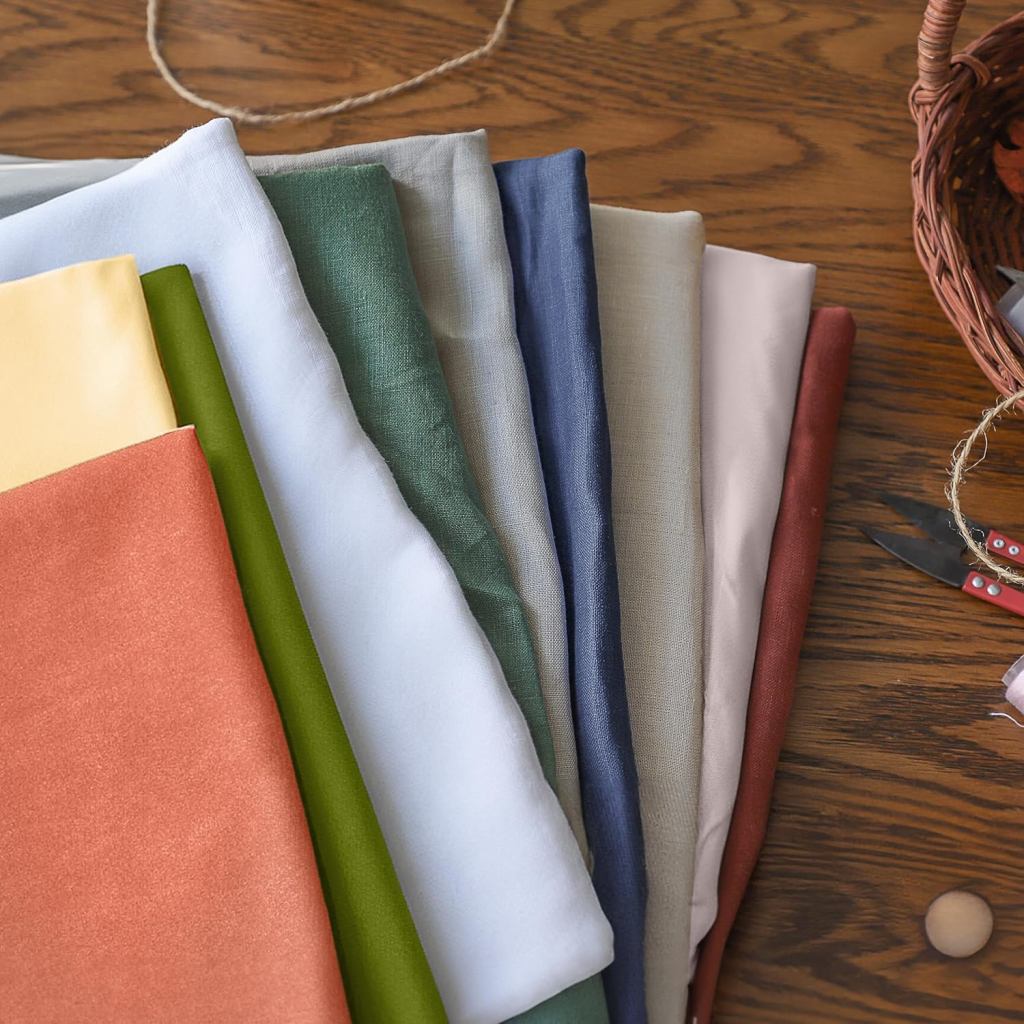
Why It’s Great:
Made from flax, linen is one of the most breathable and eco-friendly fabrics available. It’s great for hot climates.
Pros:
- Excellent airflow
- Natural and sustainable
- Absorbs moisture well
Cons:
- Wrinkles very easily
- Can feel rougher than cotton
Best for: Beachwear, resort dresses, boho-style clothing
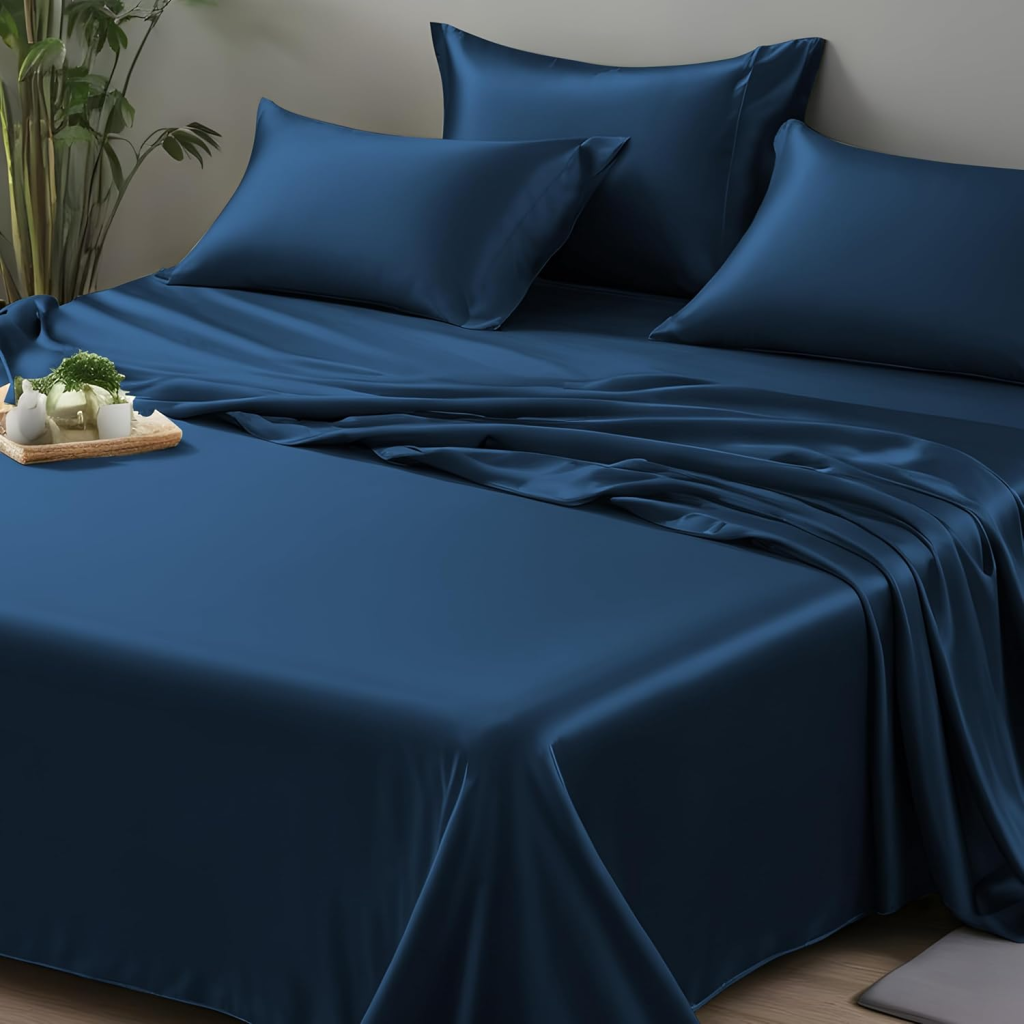
4. Rayon – Best Alternative to Silk
Why It’s Great:
Rayon mimics the feel and flow of silk at a much lower cost. It’s soft, lightweight, and easy to drape.
Pros:
- Affordable silk-like texture
- Breathable and lightweight
- Drapes smoothly
Cons:
- Can weaken when wet
- Prone to shrinking if not handled carefully
Best for: Wrap dresses, flowing maxi dresses, sundresses
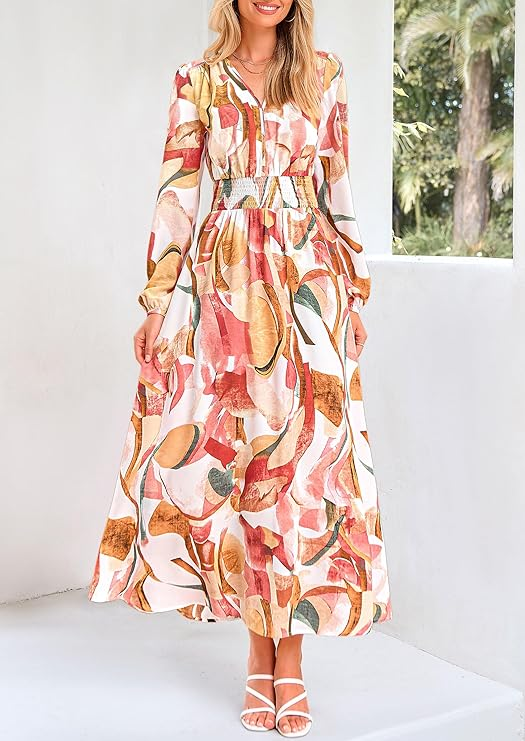
5. Chiffon – Best for Elegant, Flowing Dresses
Why It’s Great:
Chiffon is sheer, lightweight, and ideal for layering. It adds drama and elegance to any formal dress.
Pros:
- Light and airy
- Perfect for draping and layering
- Adds movement to dresses
Cons:
- Transparent – usually needs lining
- Delicate and frays easily
Best for: Bridesmaid dresses, gowns, eveningwear
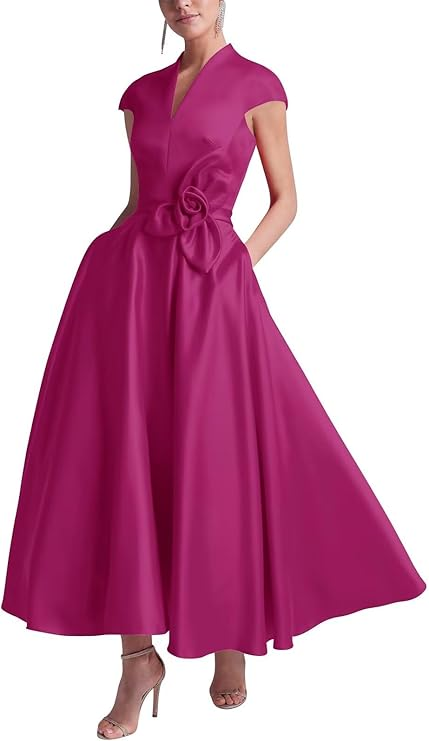
6. Satin – Best for Sleek, Shiny Formal Dresses
Why It’s Great:
Satin has a glossy surface that makes dresses look sleek and glamorous. Available in silk or polyester blends.
Pros:
- Shiny and eye-catching
- Smooth and soft to touch
- Available in many weights
Cons:
- Shows sweat and water spots
- Can snag easily
Best for: Formal wear, cocktail dresses, prom dresses
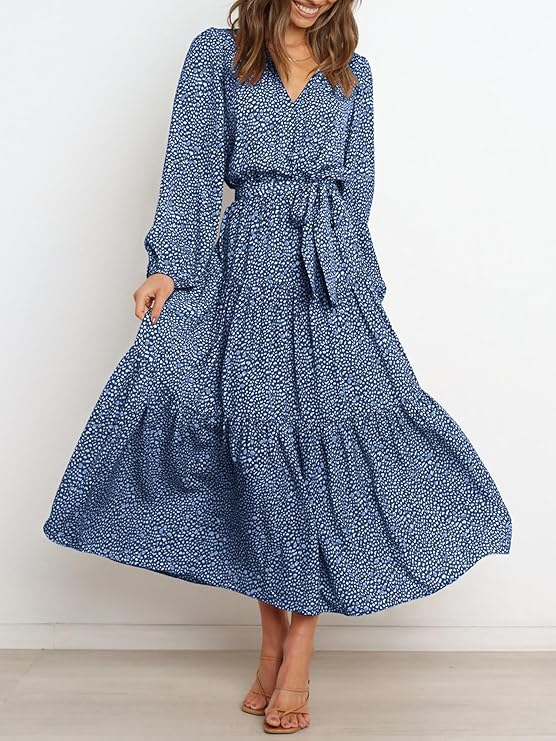
7. Jersey – Best for Stretchy and Comfortable Dresses
Why It’s Great:
A knit fabric known for its stretch and softness, jersey is ideal for fitted or casual dresses that require movement.
Pros:
- Comfortable and flexible
- Easy to care for
- Doesn’t wrinkle much
Cons:
- May cling to the body too much
- Thinner versions can be see-through
Best for: Bodycon, wrap, or travel-friendly dresses
8. Crepe – Best for Structured Yet Flowy Dresses
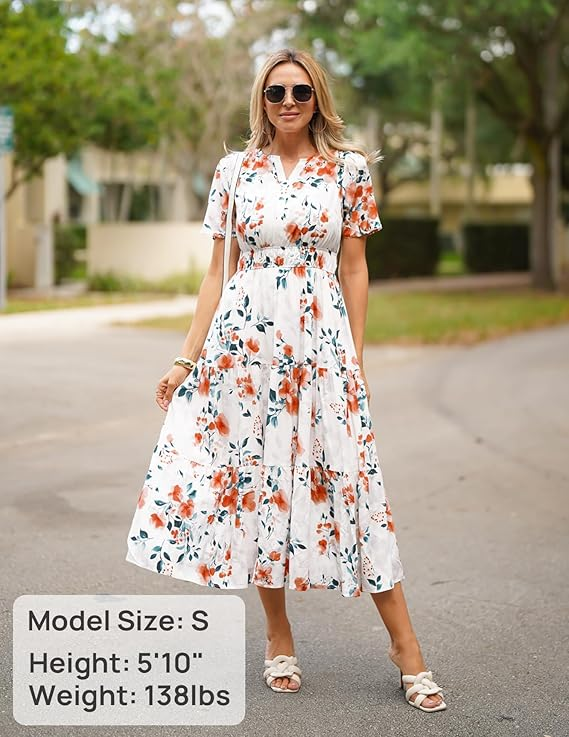
Why It’s Great:
Crepe offers a unique textured surface with a good balance between structure and flow. Great for professional and semi-formal looks.
Pros:
- Wrinkle-resistant
- Drapes elegantly
- Works well for tailored styles
Cons:
- Can be tricky to sew
- Some types are prone to fraying
Best for: Office wear, tailored midi dresses, cocktail dresses
🧵 Final Thoughts: What is the Best Fabric for Dresses?
The best fabric for dresses depends entirely on your needs:
- For daily comfort and easy care: go with cotton or jersey.
- For luxury and elegance: choose silk, satin, or chiffon.
- For warm climates: stick with linen, rayon, or cotton voile.
- For cooler months: consider wool blends or heavier crepe.
Each fabric has its own personality—some are flowy and delicate, others are structured and resilient. By knowing your fabric, you can create or buy dresses that flatter your body, suit your environment, and hold up to your lifestyle.
Ideal for those seeking a comfortable, stretchy dress for everyday use or travel.
Summary Table of Fabrics & Best Uses
| Dress | Fabric | Best For | Key Benefit |
|---|---|---|---|
| Milumia Maxi Dress | Polyester chiffon | Summer, formal | Flow and elegance |
| Allegra K Shirt Dress | 100% cotton | Casual, daily wear | Breathability & comfort |
| GRACE KARIN Slip Dress | Polyester satin | Evening, formal | Luxurious sheen |
| Eshakti Linen Dress | Linen blend | Warm weather, casual | Breathability + wrinkle resistance |
| Jessica Howard Sheath Dress | Polyester crepe | Office/formal | Structure + wrinkle resistance |
| Amazon Essentials Jersey Dress | Polyester/spandex knit | Casual, travel | Stretch and comfort |
How to Wash Dresses by Fabric Type & Important Cautions
Proper washing and care keep your dresses looking fresh, vibrant, and lasting longer. Different fabrics require different washing methods and precautions. Here’s a detailed guide on how to wash dresses made from popular fabrics and important cautions to keep in mind:
1. Chiffon Dresses (e.g., Polyester Chiffon)
Washing Instructions:
- Hand wash in cold water with a mild detergent to protect the delicate fibers.
- Gently swish the dress in water, avoiding twisting or wringing.
- Rinse thoroughly in cold water.
- Lay flat on a clean towel or hang to air dry away from direct sunlight.
Cautions:
- Avoid machine washing, which can damage the sheer fabric.
- Do not use bleach or harsh chemicals.
- Avoid tumble drying as heat can shrink or warp chiffon.
2. Cotton Dresses
Washing Instructions:
- Machine wash on a gentle cycle with cold or lukewarm water.
- Use a mild detergent suitable for cotton.
- Wash with like colors to avoid bleeding.
- Tumble dry on low heat or air dry for best results.
Cautions:
- Cotton may shrink if washed or dried in hot water/heat.
- Iron while slightly damp to remove wrinkles easily.
- Avoid bleach on colored cotton fabrics to prevent fading.
3. Satin Dresses (Polyester Satin)
Washing Instructions:
- Hand wash in cold water with a gentle detergent or use a delicate cycle in a mesh bag.
- Do not wring; gently press water out.
- Air dry flat or hang to dry indoors.
Cautions:
- Avoid bleach and fabric softeners.
- Do not tumble dry; heat can damage the shiny finish.
- Iron on low heat inside out with a cloth barrier if necessary.
4. Linen or Linen-Blend Dresses
Washing Instructions:
- Hand wash or machine wash on a gentle cycle with cold water.
- Use mild detergent designed for delicate fabrics.
- Remove promptly and air dry flat or hang to prevent wrinkles.
Cautions:
- Avoid twisting or wringing linen—it can damage fibers and cause misshaping.
- Iron while slightly damp for best wrinkle removal.
- Avoid high heat in washing or drying to prevent shrinkage.
5. Crepe Dresses (Polyester Crepe)
Washing Instructions:
- Machine wash cold on a gentle cycle or hand wash.
- Use mild detergent and avoid fabric softeners.
- Air dry or tumble dry on low heat.
Cautions:
- Avoid hot water to prevent fabric damage.
- Iron on low heat if needed, preferably with a pressing cloth.
- Avoid prolonged exposure to direct sunlight when drying to prevent color fading.
6. Jersey Knit Dresses
Washing Instructions:
- Machine wash cold on a gentle cycle.
- Use a mild detergent and avoid bleach.
- Lay flat to dry or tumble dry low to maintain fabric stretch.
Cautions:
- Avoid high heat in drying, which can cause shrinkage or damage elasticity.
- Avoid wringing to prevent distortion of the fabric’s shape.
- Iron on low heat only if necessary.
⚠️ General Cautions for All Dresses:
- Always check the care label first—manufacturer’s instructions take priority.
- Avoid overloading the washing machine to reduce stress on fabric and seams.
- Don’t leave wet dresses sitting in the washer; this can cause mildew and odors.
- Use mesh laundry bags for delicate dresses to protect them in the machine.
- Store dresses on padded hangers to maintain shape and avoid shoulder bumps.
❓ Frequently Asked Questions (FAQs) About the Best Fabric for Dresses
Q1: Which fabric is easiest to care for in dresses?
A: Cotton and polyester blends are generally the easiest to care for since they are machine washable, wrinkle-resistant, and durable. Jersey knit fabrics also require minimal ironing.
Q2: Can I machine wash silk dresses?
A: It’s best to avoid machine washing pure silk dresses. Hand washing with cold water and a gentle detergent or dry cleaning is recommended to maintain the fabric’s sheen and prevent damage.
Q3: Why do linen dresses wrinkle so easily?
A: Linen is made from flax fibers that naturally crease due to their stiffness and low elasticity. While wrinkles give linen a relaxed look, ironing while damp can help smooth them out.
Q4: Are synthetic fabrics like polyester good for dresses?
A: Polyester fabrics are durable, wrinkle-resistant, and often more affordable. However, they may trap heat and aren’t as breathable as natural fibers like cotton or linen.
Q5: How can I prevent color fading in my dresses?
A: Wash dresses inside out, use cold water, avoid harsh detergents and prolonged sun exposure during drying to help maintain vibrant colors longer.
Q6: What fabric is best for a dress in hot and humid weather?
A: Natural, breathable fabrics like cotton, linen, and rayon are best for hot and humid conditions as they allow air circulation and wick away moisture.
✅ Conclusion: Choosing the Best Fabric for Dresses
Selecting the best fabric for dresses depends on your lifestyle, climate, occasion, and personal comfort preferences. Natural fabrics like cotton, linen, and silk offer breathability and luxury, making them perfect for casual wear and special events. Synthetic blends and knits such as polyester crepe and jersey provide durability, stretch, and easy maintenance, ideal for everyday wear or travel.
Understanding each fabric’s care needs and properties ensures your dresses stay beautiful and comfortable over time. Whether you want a flowing chiffon gown for an elegant evening or a breathable cotton dress for daily comfort, choosing the right fabric will make all the difference in your style and confidence.