
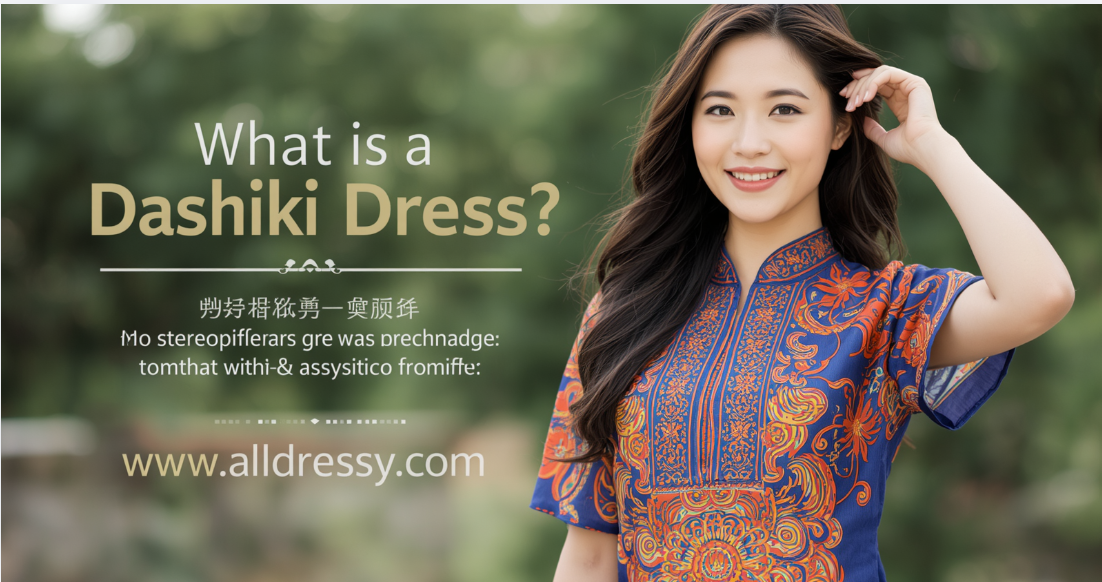
The keyword “what is a dashiki dress” refers to a vibrant, culturally rich garment rooted in African heritage and widely recognized for its bold patterns, loose-fitting style, and symbolic meaning. A dashiki dress is inspired by the traditional West African dashiki, a garment known for its colorful fabric, embroidery, and comfortable design. Today, it exists in many forms, including modern dresses for women, long tunics, and fashion adaptations worn globally.
The dashiki dress is not just clothing—it represents identity, cultural pride, history, and artistic expression. To fully understand it, we must explore its origins, evolution, design elements, cultural importance, and modern fashion influence.
What is a Dashiki Dress: Origin and Historical Background
The dashiki originates from West Africa and has deep linguistic and cultural roots. The word is commonly traced to Yoruba and Hausa languages, where similar garments were worn as loose tunics for everyday life and ceremonial occasions. (
Historically, the dashiki was not originally a “dress” but a pullover tunic worn mainly by men, often paired with trousers or robes. Over time, its design evolved into different variations, including women’s dresses, modern fashion pieces, and ceremonial outfits.
During the 1960s and 1970s, the dashiki gained global recognition, especially in the United States during the Black Pride and African heritage movements. It became a symbol of identity, resistance, and cultural connection among the African diaspora. (Encyclopedia.com)
What is a Dashiki Dress: Design and Key Features
A dashiki dress is known for its distinctive and easily recognizable design elements. While styles may vary, most share several core features:
1. Loose and Comfortable Fit
The dashiki dress is designed to be free-flowing and breathable. It does not cling to the body, making it suitable for warm climates and everyday wear.
2. Bold African Prints
One of the most defining characteristics is the use of bright, colorful, and symbolic prints. These patterns often include geometric shapes, floral motifs, and cultural symbols.
3. Embroidered Necklines
Many dashiki dresses feature detailed embroidery around the neckline, chest, and sleeves. This embroidery is often handcrafted and adds elegance to the garment.
4. V-Neck or Round Neck Style
The neckline is usually a deep V-shape or round cut, which enhances comfort and gives the dress a traditional yet stylish appearance.
5. Flowing Length
Modern dashiki dresses are often knee-length, midi, or full-length gowns, especially in women’s fashion versions.
What is a Dashiki Dress: Cultural Meaning and Symbolism
The dashiki dress carries deep cultural significance beyond fashion. It is closely linked with African identity and heritage.
Cultural Pride
Wearing a dashiki dress often symbolizes pride in African ancestry and cultural roots. It is frequently worn during cultural festivals, weddings, and heritage celebrations.
Unity and Identity
In many communities, the dashiki represents unity among people of African descent across different countries and continents.
Expression of Freedom
The loose and flowing design is also interpreted as a symbol of freedom, individuality, and self-expression.
Historical Connection
The dashiki connects modern wearers to traditional West African craftsmanship and textile history, preserving cultural knowledge through fashion.
What is a Dashiki Dress: Types and Variations
Over time, the dashiki has evolved into many different styles. Today, the dashiki dress appears in several forms:
1. Traditional Dashiki Tunic
- Originally worn by men
- Loose pullover style
- Paired with trousers
2. Women’s Dashiki Dress
- Tailored into fitted or semi-fitted dresses
- Available in short, midi, or maxi lengths
- Often includes belts or waist shaping
3. Dashiki Gown
- Floor-length version
- Common in weddings and formal events
- Often heavily embroidered
4. Casual Dashiki Dress
- Lightweight cotton fabric
- Simple prints
- Used for daily wear or summer fashion
5. Modern Fusion Styles
- Mixed with Western dress designs
- Off-shoulder, wrap dresses, or fitted silhouettes
What is a Dashiki Dress: Fabric and Materials Used
Dashiki dresses are made from different types of fabric depending on style and purpose:
Cotton Fabric
Most traditional dashiki garments use cotton because it is breathable and suitable for warm climates.
Wax Print Fabric
Many modern designs use African wax prints, known for their vibrant and long-lasting colors.
Silk and Satin
Used in luxury or formal dashiki dresses for weddings and special events.
Linen Blends
Occasionally used for lightweight summer versions.
What is a Dashiki Dress: Role in Modern Fashion
Today, the dashiki dress has become a global fashion trend. Designers around the world incorporate its elements into contemporary clothing lines.
Streetwear Influence
The dashiki print is popular in urban fashion, especially in oversized shirts, hoodies, and dresses.
Celebrity Fashion
Many musicians and public figures wear dashiki-inspired outfits as a statement of cultural pride and style.
Festival Wear
Dashiki dresses are commonly worn at cultural festivals, music events, and Afrocentric celebrations.
High Fashion Adaptation
Luxury designers have reimagined the dashiki using modern cuts, tailoring, and premium fabrics.
What is a Dashiki Dress: Styling Ideas
A dashiki dress is versatile and can be styled in many ways:
Casual Look
- Pair with sandals or sneakers
- Add minimal accessories
- Keep it relaxed and comfortable
Elegant Look
- Wear with heels
- Add statement jewelry
- Choose a fitted or long gown style
Cultural Look
- Pair with headwraps
- Add traditional jewelry
- Wear during cultural events or celebrations
Modern Fusion Look
- Combine with jackets or belts
- Mix with contemporary footwear
- Experiment with layering
What is a Dashiki Dress: Global Popularity and Influence
The dashiki dress has crossed cultural boundaries and is now worn worldwide. Its popularity continues to grow due to:
- Global appreciation of African fashion
- Rise of cultural awareness in clothing
- Social media fashion trends
- Increased demand for unique, bold designs
It is now commonly seen in Africa, the United States, Europe, the Caribbean, and beyond.
What is a Dashiki Dress: Differences Between Dashiki Shirt and Dress
Although often confused, there is a difference:
Dashiki Shirt
- Shorter length
- Usually worn by men
- Paired with pants
Dashiki Dress
- Longer, dress-like structure
- Designed mainly for women (but unisex versions exist)
- Can be casual or formal
Both share the same cultural roots and design aesthetics.
What is a Dashiki Dress: Why It Remains Important Today
The dashiki dress remains important because it:
- Preserves African cultural identity
- Represents historical fashion evolution
- Offers comfort and versatility
- Promotes cultural appreciation through fashion
- Bridges traditional and modern styles
FAQs on What is a Dashiki Dress
1. What is a dashiki dress?
A dashiki dress is a modern fashion version of the traditional West African dashiki garment. It is usually a loose-fitting, colorful dress featuring bold African prints, embroidery, and cultural patterns. It represents comfort, identity, and cultural pride while also being used in contemporary fashion.
2. Where does the dashiki dress come from?
The dashiki dress is inspired by the traditional dashiki, which originated in West Africa. It was originally worn as a tunic by men and later evolved into various styles, including women’s dresses. Over time, it became a global fashion symbol, especially during cultural movements celebrating African heritage.
3. What makes a dashiki dress unique?
A dashiki dress stands out because of its vibrant colors, bold patterns, and loose, breathable design. Many dresses also include detailed embroidery around the neckline and chest. Its combination of comfort and cultural symbolism makes it different from ordinary dresses.
4. Can dashiki dresses be worn for formal occasions?
Yes, dashiki dresses can be styled for both casual and formal events. Longer, more detailed versions made with silk or satin are often worn at weddings, cultural ceremonies, and special celebrations. The level of embroidery and fabric choice usually determines how formal the dress appears.
5. Who can wear a dashiki dress?
A dashiki dress can be worn by anyone. Although it is rooted in African culture, it has become a global fashion item. People of all backgrounds wear it as a celebration of diversity, cultural appreciation, and unique style.
6. What fabrics are used in dashiki dresses?
Dashiki dresses are commonly made from cotton, wax print fabric, silk, and linen blends. Cotton is the most traditional material because it is lightweight and breathable, while wax prints and silk are used for more stylish and formal designs.
7. Is a dashiki dress only for women?
No, the original dashiki was actually a unisex garment, mainly worn by men as a tunic. Today, the dashiki dress is more popular in women’s fashion, but modern designs are unisex and can be worn by anyone depending on style preference.
8. Why is the dashiki dress culturally important?
The dashiki dress is culturally important because it represents African heritage, identity, and pride. It also reflects history, unity, and artistic expression. Many people wear it during cultural events to honor and celebrate African traditions.
Conclusion on What is a Dashiki Dress
The concept of what is a dashiki dress goes far beyond fashion—it represents a powerful blend of history, culture, and modern style. A dashiki dress is rooted in the traditional West African dashiki, a garment that symbolizes identity, pride, and craftsmanship. Over time, it has evolved into a global fashion statement worn in many different styles, from casual everyday outfits to elegant ceremonial gowns.
Today, the dashiki dress continues to grow in popularity because it combines comfort, bold design, and meaningful cultural expression. Its colorful patterns, loose fit, and embroidered details make it both visually striking and deeply symbolic. Whether worn for cultural celebration, fashion expression, or personal style, the dashiki dress remains a timeless garment that connects the past with the present.
In modern fashion, the dashiki dress stands as a reminder that clothing can carry history, identity, and storytelling—all woven into one beautiful design.