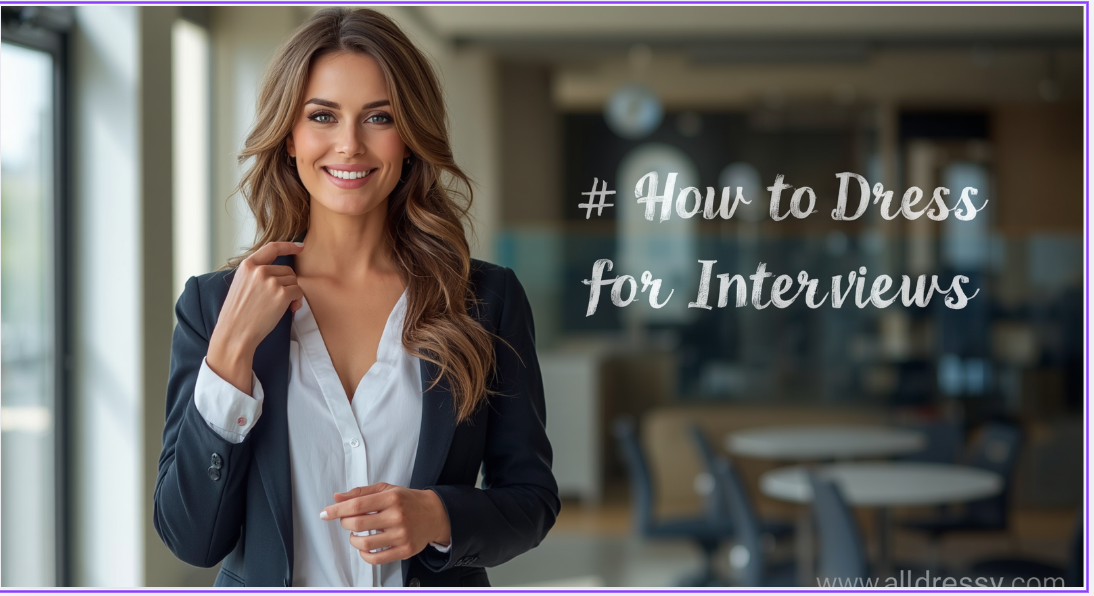
Understanding how to dress for interviews is one of the most important yet often overlooked aspects of job preparation. Before you say a single word, your appearance already communicates professionalism, confidence, and attention to detail. Research shows that interviewers form impressions within seconds, and your outfit plays a major role in shaping that perception.
In today’s competitive job market, knowing how to dress for interviews is not just about wearing formal clothes—it’s about aligning your look with company culture, industry expectations, and personal branding. Whether you’re applying for a corporate role, a creative position, or a remote job, your attire can either strengthen your candidacy or weaken it instantly.
This comprehensive guide will walk you through everything you need to know—from choosing the right outfit and colors to understanding industry-specific expectations—so you can confidently present yourself as the ideal candidate.
How to Dress for Interviews: Understanding the Basics
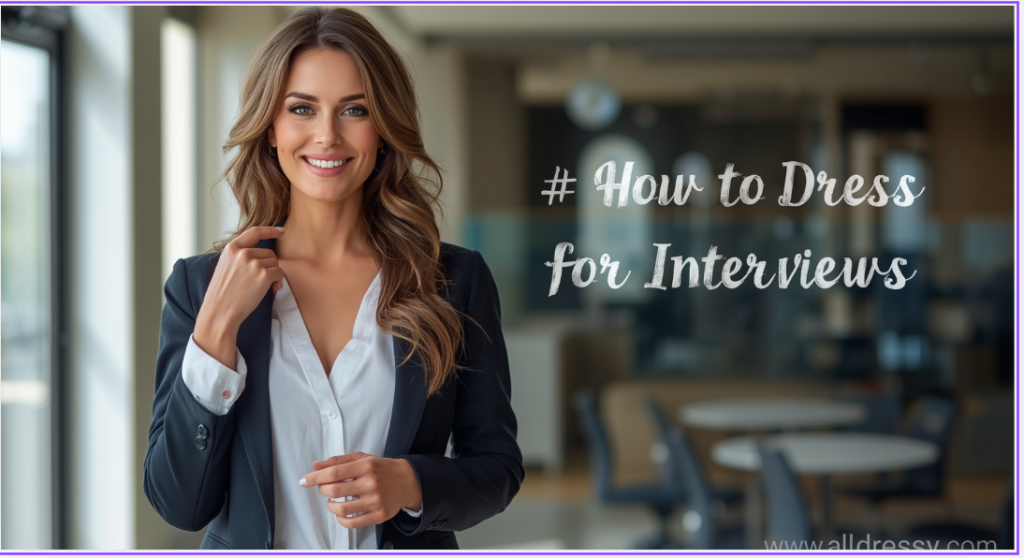
Before diving into specific outfit ideas, it’s important to understand the core principles behind how to dress for interviews.
1. First Impressions Are Visual
Your clothing signals:
- Professionalism
- Respect for the opportunity
- Attention to detail
Employers often associate neat, polished attire with competence and reliability.
2. Dress Slightly More Formal Than the Workplace
A key rule when learning how to dress for interviews is to dress one level above the company’s daily dress code. For example:
- If employees wear business casual → wear business formal
- If employees wear casual → wear smart casual
This shows effort and seriousness.
3. Fit and Cleanliness Are Non-Negotiable
No matter how expensive your outfit is, it won’t work if it:
- Doesn’t fit properly
- Is wrinkled or stained
- Looks worn out
Clean, well-fitted clothing is one of the strongest indicators of professionalism.
How to Dress for Interviews: Best Outfit Ideas for
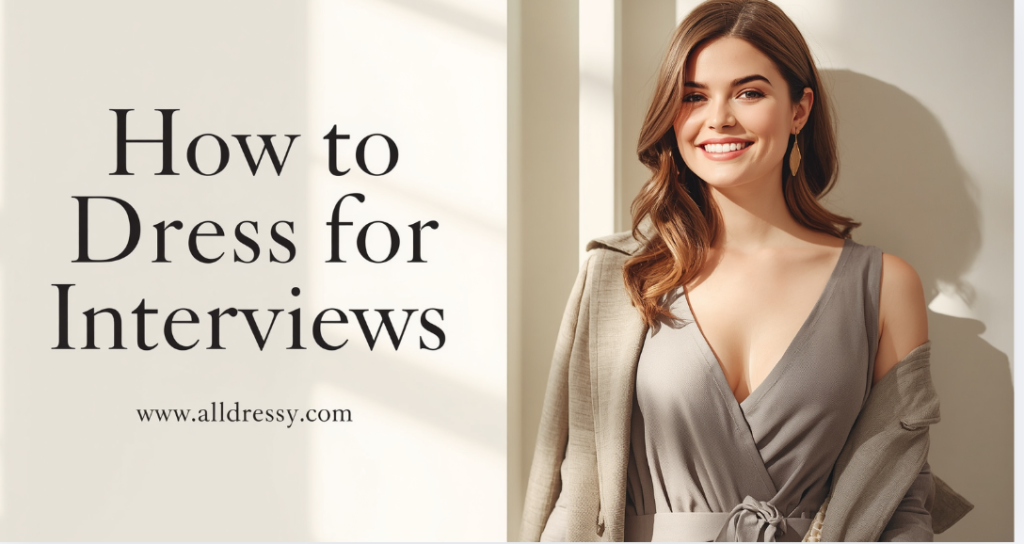
Men
1. Classic Business Professional Look
The safest and most recommended approach when learning how to dress for interviews is the traditional business outfit.
What to Wear:
- Dark suit (navy, black, or gray)
- White or light-colored dress shirt
- Conservative tie
- Polished dress shoes
Why It Works:
This look conveys authority, professionalism, and reliability. It’s ideal for:
- Corporate jobs
- Finance
- Law
- Management roles
2. Business Casual Interview Outfit
For less formal industries, business casual is appropriate.
What to Wear:
- Blazer or structured jacket
- Button-down shirt or polo
- Chinos or dress pants
- Loafers or formal shoes
Why It Works:
It balances professionalism with approachability, making it perfect for:
- Tech companies
- Startups
- Marketing roles
3. Smart Casual (For Creative Roles)
Creative industries allow more flexibility in how to dress for interviews.
What to Wear:
- Tailored shirt or stylish top
- Slim-fit trousers
- Optional blazer
- Clean, minimal shoes
Why It Works:
It shows personality while maintaining professionalism.
How to Dress for Interviews: Best Outfit Ideas for Women
1. Professional Suit or Blazer Set
What to Wear:
- Tailored blazer
- Matching pants or skirt
- Neutral blouse
- Closed-toe shoes
Why It Works:
This is the gold standard for formal interviews and conveys confidence and competence.
2. Professional Dress Option
What to Wear:
- Knee-length or midi dress
- Minimal accessories
- Neutral colors
Why It Works:
A simple, structured dress is elegant and appropriate for most industries.
3. Business Casual Look
What to Wear:
- Blouse or knit top
- Tailored pants or skirt
- Flats or low heels
Why It Works:
Comfortable yet polished—ideal for modern workplaces.
How to Dress for Interviews Based on Industry
Understanding industry expectations is crucial when mastering how to dress for interviews.
1. Corporate & Finance
- Formal suits
- Neutral colors
- Minimal accessories
2. Technology & Startups
- Smart casual
- Clean, simple outfits
- Less rigid styling
3. Creative Fields (Design, Media)
- Stylish but professional
- Subtle patterns or textures
- Unique but not distracting
4. Trades & Practical Roles
- Clean, practical clothing
- Polo shirts or work attire
- Closed-toe shoes
How to Dress for Interviews: Choosing the Right Colors
Color psychology plays a powerful role in how to dress for interviews.
Best Colors to Wear:
- Blue → Trust and teamwork
- Black → Authority and leadership
- Gray → Dependability
- White → Cleanliness and organization
Colors to Avoid:
- Neon or bright shades
- Loud patterns
- Overly bold colors like bright red
Neutral tones help you look professional and keep the focus on your skills. (
How to Dress for Interviews: Grooming and Personal Presentation
Clothing alone isn’t enough. Grooming is a critical part of how to dress for interviews.
Key Grooming Tips:
- Clean and styled hair
- Trimmed nails
- Minimal makeup
- Light or no fragrance
Strong scents can distract or even cause discomfort during interviews.
How to Dress for Interviews: Accessories and Details
Keep It Minimal
When deciding how to dress for interviews, less is more.
Recommended:
- Simple watch
- Small earrings
- Professional bag
Avoid:
- Large jewelry
- Flashy accessories
- Noisy items
Accessories should enhance your look—not distract from it.
The Importance of Shoes
Your shoes say a lot about you.
Best Choices:
- Polished dress shoes
- Closed-toe flats or heels
Avoid:
- Sneakers
- Sandals
- Worn-out footwear
Clean, well-maintained shoes show attention to detail.
How to Dress for Interviews: Virtual Interview Tips
Virtual interviews require a slightly different approach.
1. Dress Fully, Not Just the Top Half
Even if only your upper body is visible, dressing fully helps you feel professional.
2. Choose Camera-Friendly Colors
Avoid patterns that distort on screen. Stick to solid colors.
3. Match Your Background
Ensure your outfit contrasts with your background for visibility.
4. Test Your Look Before the Interview
Check lighting, fit, and appearance on camera beforehand
How to Dress for Interviews: Seasonal Considerations
Summer Interviews
- Lightweight fabrics (cotton, linen blends)
- Light colors
- Breathable clothing
Winter Interviews
- Layered outfits
- Wool or thicker fabrics
- Neutral coats
Always prioritize comfort without sacrificing professionalism.
How to Dress for Interviews: Common Mistakes to Avoid
Understanding what NOT to do is just as important when learning how to dress for interviews.
1. Dressing Too Casually
Avoid:
- Jeans
- T-shirts
- Flip-flops
2. Wearing Wrinkled or Dirty Clothes
This signals lack of preparation.
3. Overdressing or Being Flashy
Too much styling can be distracting.
4. Ignoring Company Culture
Your outfit should match the company environment.
5. Wearing Strong Perfume
It can be overwhelming or distracting.
6. Choosing Uncomfortable Clothes
If you’re uncomfortable, it will show in your body language.
How to Dress for Interviews: Advanced Tips to Stand Out
1. Add a Subtle Personal Touch
A small accessory or color accent can show personality without being distracting.
2. Invest in Tailoring
Even affordable clothes look premium when tailored.
3. Prepare Your Outfit in Advance
Lay out your clothes the night before to avoid last-minute stress.
4. Carry a Professional Bag
A structured bag or briefcase helps you stay organized and look polished.
5. Dress for Confidence
The best outfit is one that makes you feel confident and comfortable.
How to Dress for Interviews: Final Style Strategy
Mastering how to dress for interviews is about combining:
- Professionalism
- Comfort
- Industry awareness
- Personal confidence
Your goal is to look like someone who already belongs in the role.
When you walk into an interview dressed appropriately, you’re not just wearing clothes—you’re presenting your personal brand. By following these strategies, you ensure that your appearance supports your skills, rather than distracting from them.
FAQs About How to Dress for Interviews
1. What is the most appropriate outfit for a job interview?
The most appropriate outfit depends on the company and industry, but generally, a professional and polished look is best. For most roles, business formal or business casual attire works well. When in doubt, choose a slightly more formal outfit to make a strong impression.
2. Is it okay to wear jeans to an interview?
In most cases, jeans are not recommended unless the company has a very casual culture. Even then, it’s better to choose smart casual options like chinos or tailored pants to maintain professionalism.
3. What colors should I wear to an interview?
Neutral and classic colors are the safest choice. Shades like navy, black, gray, and white convey professionalism and confidence. Soft tones like light blue can also create a positive impression. Avoid overly bright or flashy colors.
4. Can I wear casual shoes to an interview?
It’s best to avoid casual shoes like sneakers or sandals. Instead, opt for polished dress shoes, loafers, or closed-toe flats. Clean and well-maintained footwear shows attention to detail.
5. How important is grooming for an interview?
Grooming is extremely important. Clean hair, trimmed nails, and a neat appearance complement your outfit and reinforce a professional image. Even the best outfit won’t make a good impression without proper grooming.
6. Should I wear accessories to an interview?
Yes, but keep them minimal and professional. Simple items like a watch or small jewelry pieces are fine. Avoid anything too flashy or distracting, as the focus should remain on your qualifications.
7. What should I wear for a virtual interview?
For virtual interviews, dress as professionally as you would for an in-person meeting. Choose solid colors, avoid busy patterns, and ensure your outfit contrasts well with your background. Dressing fully (not just the top half) can also help boost confidence.
8. Is it better to overdress or underdress for an interview?
It’s generally better to be slightly overdressed than underdressed. Dressing more formally shows respect and seriousness, while being too casual may give the impression of a lack of effort.
9. How can I make my outfit stand out without being too bold?
You can add subtle touches like a well-fitted blazer, a neatly styled outfit, or a small accessory. The key is to keep it simple while showing attention to detail and personal style.
10. Should I prepare my outfit in advance?
Yes, preparing your outfit the night before is highly recommended. It helps avoid last-minute stress and ensures everything is clean, pressed, and ready to wear.
Conclusion
Understanding how to dress for interviews is a crucial step toward making a strong and lasting first impression. Your outfit reflects your professionalism, confidence, and readiness for the role, often before you even begin speaking.
By choosing the right attire based on the company culture, ensuring proper fit and cleanliness, and paying attention to grooming and details, you position yourself as a serious and capable candidate. Dressing appropriately not only impresses the interviewer but also boosts your own confidence, helping you perform better during the interview.
Ultimately, mastering how to dress for interviews is about presenting the best version of yourself. When your appearance aligns with your skills and personality, you create a powerful combination that increases your chances of success.