
Learning how to sew a dress form is a powerful skill for anyone serious about sewing, fashion design, or garment fitting. A dress form allows you to create, adjust, and perfect clothing directly on a three-dimensional body shape. While store-bought dress forms are useful, sewing your own gives you complete control over size, shape, and customization.
Understanding how to sew a dress form helps you achieve precise garment fitting, experiment with design ideas, and work more efficiently on complex projects. This guide covers everything from materials and measurements to construction techniques and finishing details, ensuring your handmade dress form is durable, accurate, and professional.
How to Sew a Dress Form: Understanding What a Dress Form Is
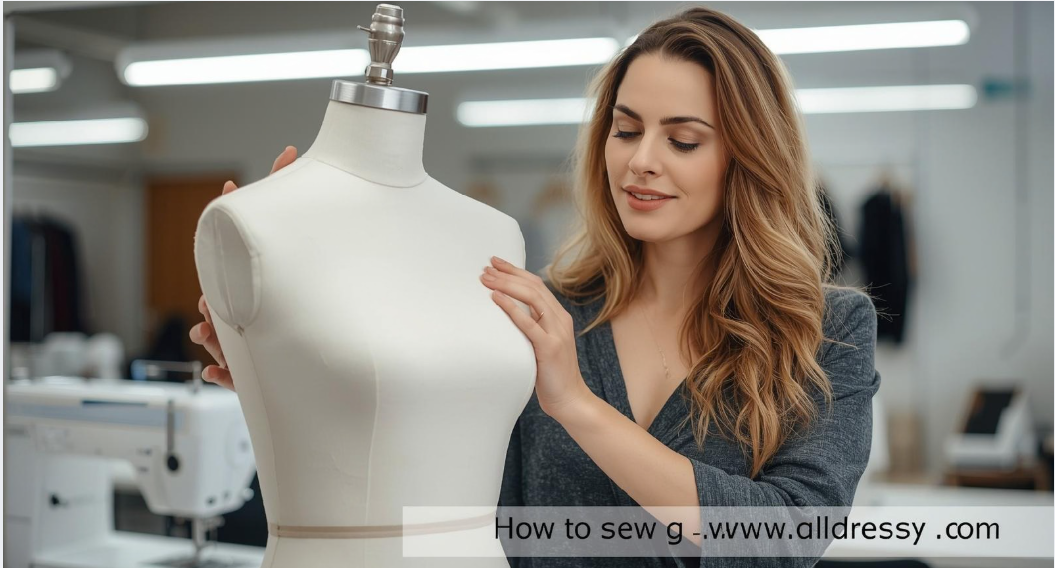
A dress form is a three-dimensional mannequin used to design, fit, and drape garments. It represents the human body and allows fabric to be shaped directly on it.
Dress forms are commonly used for:
- Draping fabric
- Fitting garments
- Pattern making
- Alterations
- Displaying clothing
By learning how to sew a dress form, you can customize it to match your exact body measurements, something most commercial forms cannot provide.
How to Sew a Dress Form: Benefits of Making Your Own
Sewing your own dress form offers several advantages:
- Perfect body fit
- Custom height and posture
- Adjustable padding
- Affordable alternative
- Personal design control
When you understand how to sew a dress form, you gain a long-term sewing tool tailored specifically to your body.
How to Sew a Dress Form: Tools and Materials Needed
Before starting, gather the right supplies to ensure accuracy and durability.
Essential materials include:
- Strong cotton or canvas fabric
- Measuring tape
- Scissors or rotary cutter
- Pins and clips
- Sewing machine
- Polyester thread
- Fiberfill or foam padding
- Duct tape (for body mold method)
- Marker or chalk
- PVC pipe or wooden stand
High-quality materials make a big difference when learning how to sew a dress form.
How to Sew a Dress Form: Taking Accurate Body Measurements
Precise measurements are the foundation of a well-fitting dress form.
Key measurements include:
- Bust
- Waist
- Hip
- Shoulder width
- Back length
- Front length
- Neck circumference
- Torso height
Always measure while standing straight in fitted clothing. Accurate measurements ensure your custom form reflects your true shape when learning how to sew a dress form.
How to Sew a Dress Form: Choosing the Right Construction Method
There are several ways to make a dress form. The most common methods include:
Fabric Pattern Method
Uses a sewn fabric shell based on body measurements.
Duct Tape Body Mold
Creates a mold directly from your body shape.
Padding Over Base
Builds shape on a simple core form.
Each method teaches valuable skills in how to sew a dress form.
How to Sew a Dress Form: Creating the Fabric Pattern
If using the fabric method, you’ll need a fitted pattern.
Steps:
- Draft panels using measurements
- Add seam allowances
- Label all pieces
- Cut fabric accurately
The pattern determines the final shape, making it a crucial step in how to sew a dress form.
How to Sew a Dress Form: Cutting the Fabric Panels
Cutting requires precision.
Tips:
- Use sharp scissors
- Follow grain lines
- Keep edges clean
- Cut symmetrically
Neat cutting ensures smooth seams when learning how to sew a dress form.
How to Sew a Dress Form: Sewing the Body Panels Together
Start assembling the form:
- Sew front panels
- Sew back panels
- Join side seams
- Attach shoulder seams
Use strong stitches for durability. Clean seams improve the structure of your dress form and strengthen your skills in how to sew a dress form.
How to Sew a Dress Form: Shaping the Bust and Waist
Shaping is achieved through:
- Darts
- Princess seams
- Curved panels
These elements define the body contours. Proper shaping is essential when mastering how to sew a dress form.
How to Sew a Dress Form: Stuffing the Form for Structure
The stuffing determines firmness.
Common options:
- Polyester fiberfill
- Foam pieces
- Fabric scraps
- Wool batting
Stuff evenly and firmly to maintain shape. Good stuffing ensures your form holds garments properly, which is vital when learning how to sew a dress form.
How to Sew a Dress Form: Creating the Neck and Armholes
The neckline and armholes should be smooth and reinforced.
Steps:
- Fold edges inward
- Stitch clean finishes
- Add reinforcement
These areas handle stress and must be durable for long-term use in how to sew a dress form.
How to Sew a Dress Form: Adding a Stable Base
A stable base allows the form to stand upright.
Options include:
- Wooden stand
- PVC pipe stand
- Weighted base
Secure attachment ensures safety and usability when practicing how to sew a dress form.
How to Sew a Dress Form: Adjusting Fit with Padding
To fine-tune the shape:
- Add foam to bust
- Build up hips
- Adjust waist curves
Padding allows micro-adjustments so your form matches your body perfectly, a key advantage of knowing how to sew a dress form.
How to Sew a Dress Form: Marking Reference Lines
Reference lines help with garment fitting.
Mark:
- Bust line
- Waist line
- Hip line
- Center front
- Center back
- Princess lines
These guides improve accuracy when using your form, enhancing your experience with how to sew a dress form.
How to Sew a Dress Form: Making the Surface Smooth
A smooth surface ensures fabric drapes correctly.
Techniques:
- Tight stuffing
- Even seams
- Light pressing
- Fabric smoothing
A clean surface improves garment accuracy when learning how to sew a dress form.
How to Sew a Dress Form: Using Muslin for Testing
Before finalizing:
- Test fit with muslin
- Adjust seam placement
- Correct measurements
Testing prevents long-term errors in how to sew a dress form.
How to Sew a Dress Form: Reinforcing Stress Points
Strengthen areas like:
- Shoulders
- Neck
- Waist
- Base attachment
Reinforcement extends the lifespan of your form, which is important when investing time in how to sew a dress form.
How to Sew a Dress Form: Making It Adjustable
You can add:
- Velcro panels
- Zipper openings
- Lace-up backs
Adjustability allows for weight or measurement changes, making your skills in how to sew a dress form more future-proof.
How to Sew a Dress Form: Customizing for Special Body Shapes
You can tailor your form for:
- Petite frames
- Plus-size bodies
- Maternity shapes
- Asymmetrical figures
Customization is one of the biggest advantages of learning how to sew a dress form.
How to Sew a Dress Form: Fabric Selection for Durability
Best fabric choices:
- Heavy cotton
- Canvas
- Twill
- Denim
Strong fabric prevents tearing and maintains shape, which is essential in how to sew a dress form.
How to Sew a Dress Form: Maintaining Shape Over Time
To preserve structure:
- Avoid moisture
- Store upright
- Re-stuff if needed
- Protect from sunlight
Proper care ensures long-term use of your dress form after mastering how to sew a dress form.
How to Sew a Dress Form: Draping Techniques on Your Form
Once complete, you can:
- Pin fabric directly
- Create pleats
- Design necklines
- Test silhouettes
Your dress form becomes a creative tool thanks to your knowledge of how to sew a dress form.
How to Sew a Dress Form: Pattern Development Benefits
With a custom form, you can:
- Draft precise patterns
- Fit garments instantly
- Reduce alterations
- Improve accuracy
Pattern making becomes easier after learning how to sew a dress form.
How to Sew a Dress Form: Common Mistakes to Avoid
Avoid:
- Inaccurate measurements
- Loose stuffing
- Weak seams
- Poor base support
Correcting these ensures success in how to sew a dress form.
How to Sew a Dress Form: Improving Sewing Efficiency
A personal dress form helps:
- Speed up fittings
- Reduce rework
- Visualize designs
- Improve precision
Efficiency is a major benefit of mastering how to sew a dress form.
How to Sew a Dress Form: Long-Term Value for Designers
For fashion students, tailors, and hobbyists, a custom dress form:
- Saves money
- Improves quality
- Enhances creativity
- Supports professional growth
The long-term value of learning how to sew a dress form is significant.
How to Sew a Dress Form: Final Construction Check
Before using:
- Check symmetry
- Confirm measurements
- Test garment fit
- Secure the stand
A final inspection ensures your success with how to sew a dress form.
Frequently Asked Questions (FAQ)
1. Why should I learn how to sew a dress form instead of buying one?
Learning how to sew a dress form allows you to create a model that matches your exact body shape, posture, and measurements. Store-bought forms often follow standard sizing, while a handmade form offers better accuracy for fitting and designing garments.
2. How long does it take to sew a dress form?
The time required depends on the method used and your sewing experience. A simple fabric-based dress form can be completed in one to two days, while more detailed or adjustable forms may take longer.
3. What fabric is best for sewing a dress form?
Strong, non-stretch fabrics such as canvas, twill, or heavy cotton are ideal. These materials hold shape well and provide durability for long-term use.
4. Can beginners learn how to sew a dress form?
Yes, beginners can successfully sew a dress form by following step-by-step instructions and starting with simple construction methods. Basic sewing skills and accurate measurements are the most important requirements.
5. Is a handmade dress form strong enough for daily use?
When constructed with proper stitching, firm stuffing, and a stable base, a handmade dress form can be just as strong and functional as a commercial one.
6. Can I make my dress form adjustable?
Yes, you can add features like Velcro panels, zippers, or lace-up backs to adjust the size over time, making the form more flexible for body changes.
7. How accurate should the measurements be?
Measurements should be as precise as possible. Even small errors can affect garment fit, so careful measuring is essential when learning how to sew a dress form.
8. What can I use for stuffing the dress form?
Common stuffing materials include polyester fiberfill, foam pieces, fabric scraps, and batting. The key is to stuff the form evenly for a smooth surface.
9. Can a custom dress form help with pattern making?
Yes, a custom dress form greatly improves pattern drafting accuracy by allowing you to fit garments directly on a body-shaped structure.
10. How do I maintain the shape of my dress form?
Keep the form upright, avoid moisture, and re-stuff if it becomes soft. Proper care helps preserve its structure and usability over time.
Conclusion
Learning how to sew a dress form is a valuable skill that enhances both creativity and precision in garment construction. A custom-made dress form allows you to design, drape, and fit clothing with greater accuracy than standard store-bought options. By carefully measuring, selecting durable materials, and following proper construction techniques, you can create a form that reflects your exact body shape.
A handmade dress form supports better fitting, faster alterations, and improved pattern development. It also gives you full control over size, posture, and structure. Whether you are a beginner or an experienced sewist, mastering how to sew a dress form provides long-term benefits for fashion design, tailoring, and personal sewing projects.