
Winter fashion often poses a challenge for dress lovers: how to stay warm without sacrificing style. Learning how to style dresses in winter is essential for turning seasonal challenges into opportunities for creativity. Dresses, which are often associated with spring and summer, can become a winter wardrobe staple when paired with the right layers, footwear, and accessories. From casual daywear to professional outfits and elegant evening looks, the possibilities are endless when you understand the art of styling dresses in colder weather.
This comprehensive guide covers fabrics, layering techniques, shoes, accessories, seasonal color palettes, and body-type strategies to help you wear dresses in winter with confidence, warmth, and style.
Understanding the Challenges of Styling Dresses in Winter
Before diving into how to style dresses in winter, it’s important to recognize the unique challenges:
- Cold temperatures require careful layering
- Wind and precipitation can affect fabric choice
- Color palettes need adjustment for seasonal tones
- Footwear must balance style and practicality
- Texture and fabric impact warmth and silhouette
With a clear understanding of these factors, you can turn any dress into a winter-appropriate outfit.
Choosing the Right Dress for Winter Styling
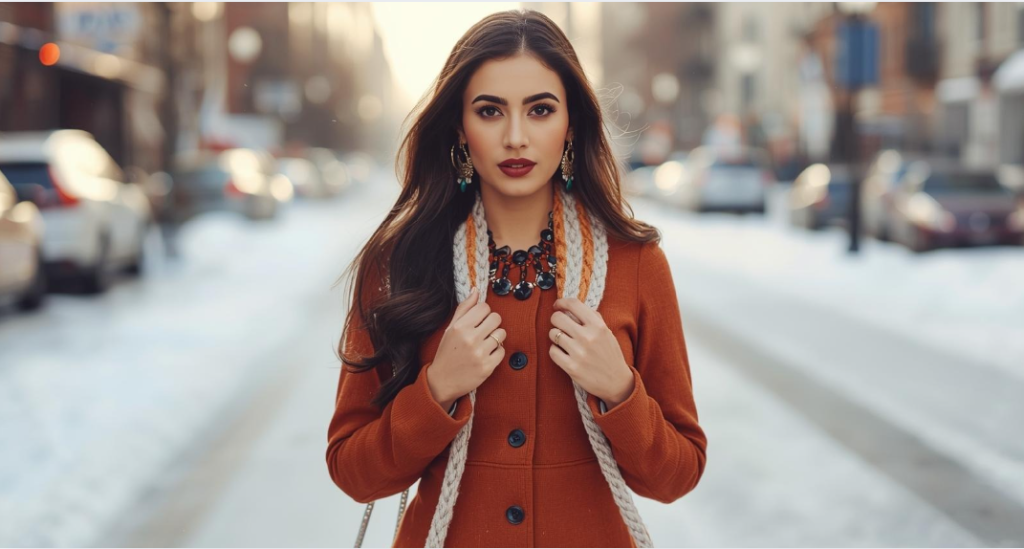
The foundation of winter dress styling begins with selecting suitable dresses.
Fabric Choices for Winter Dresses
Not all dresses are suitable for cold weather. Opt for materials that provide warmth while maintaining elegance:
- Wool and wool blends: provide insulation and structure
- Knit fabrics: soft, stretchy, and layering-friendly
- Velvet: luxurious and perfect for evening looks
- Corduroy: adds texture and warmth for casual styles
- Heavy cotton or flannel: breathable yet cozy
Avoid extremely lightweight fabrics unless layering with thermal undergarments.
Silhouettes That Adapt to Cold Weather
Certain dress shapes work better in winter:
- Midi and maxi dresses: offer coverage and warmth
- Long-sleeve dresses: eliminate the need for additional layers
- Wrap and A-line dresses: allow easy layering without bulk
- Sweater dresses: combine comfort and insulation
Choosing versatile silhouettes ensures the dress can transition from casual to formal styling.
How to Style Dresses in Winter for Casual Daywear
Winter casual styling focuses on warmth, comfort, and effortless chic.
Layering With Outerwear
Outerwear is the first step in winter styling:
- Wool coats: long, tailored, or oversized for layering ease
- Puffer jackets: practical for casual, sporty looks
- Trench coats with lining: classic winter layering
- Faux fur or shearling coats: add luxury and insulation
The choice of coat sets the overall tone of the outfit.
Footwear That Keeps You Warm and Stylish
Winter footwear for casual dresses must balance function and fashion:
- Knee-high or over-the-knee boots: protect legs from cold and wind
- Ankle boots with socks: versatile and layered easily with tights
- Chunky sneakers: casual and street-style friendly
- Loafers or moccasins with cozy socks: comfortable and chic
Prioritize shoes with traction to handle snow or icy conditions.
Layering With Knits and Sweaters
Layering under or over dresses increases warmth:
- Turtlenecks under sleeveless dresses
- Cardigans over short-sleeve dresses
- Sweater dresses with scarves or belts
Knits add texture and depth while keeping you cozy.
Accessories for Casual Winter Dresses
Accessories are critical for functional styling:
- Chunky scarves for warmth and visual interest
- Beanies, berets, or wide-brim hats for head coverage
- Leather or knit gloves to protect hands
- Crossbody bags or backpacks for casual functionality
Accessorizing strategically makes casual winter outfits feel complete.
How to Style Dresses in Winter for Work and Office
Dresses can be professional and polished during winter with thoughtful styling.
Layering for a Professional Look
- Tailored blazers over dress tops provide structure
- Wool or cashmere coats for commutes
- Cardigans or thin knit sweaters under blazers for warmth without bulk
Layers should be clean and fitted to maintain office professionalism.
Footwear for Work Dresses in Winter
- Pointed-toe or block-heeled boots: chic and comfortable
- Leather loafers with wool socks: office-ready warmth
- Knee-high heeled boots: polished option for midi-length dresses
Winter office footwear must balance style and practicality.
Accessories That Maintain Office Elegance
- Structured handbags for a professional look
- Minimal jewelry to complement layers
- Belts to define the waist under cardigans or blazers
Accessories should accentuate the dress without overwhelming it.
How to Style Dresses in Winter for Evening and Special Events
Even in winter, dresses can look elegant and glamorous.
Choosing Luxurious Fabrics
Evening dresses benefit from warm and rich textures:
- Velvet or velour: adds depth and opulence
- Wool-blend maxi dresses: suitable for formal gatherings
- Embellished or sequin dresses: perfect for festive occasions
- Satin or silk: layered appropriately for warmth
Fabric choice elevates the dress from everyday to evening elegance.
Evening Footwear and Accessories
- Heeled boots or pumps: provide sophistication
- Statement jewelry: necklaces, earrings, or bracelets for drama
- Clutches or structured evening bags: maintain elegance
Careful footwear and accessories balance style with winter practicality.
Layering for Formal Warmth
- Faux-fur wraps or stoles
- Longline coats over evening dresses
- Thermal underlayers discreetly hidden
Formal layering should be seamless and luxurious.
How to Style Dresses in Winter by Length
Length plays a critical role in comfort and style.
Mini Dresses in Winter
- Pair with opaque tights or leggings
- Add ankle boots or knee-high boots
- Layer with long coats or oversized cardigans
Mini dresses require thoughtful layering for warmth.
Midi Dresses in Winter
- Midi-length dresses balance warmth and style
- Works well with knee-high boots or heeled booties
- Layer with wool coats or belted cardigans
Midi dresses are versatile for casual, work, and evening looks.
Maxi Dresses in Winter
- Maxi dresses provide full leg coverage
- Pair with heavier boots or socks under long hems
- Layer with longline coats or capes for extra warmth
Maxi dresses are ideal for dramatic, warm winter outfits.
How to Style Dresses in Winter with Layering
Layering is the key to winter dress styling.
Thermal and Base Layers
- Thin thermal tops under dresses
- Thermal leggings under mini or midi dresses
- Base layers should be lightweight but insulating
Thermal layers maintain warmth without bulk.
Sweaters and Cardigans
- Chunky knits over dresses for a casual look
- Fine-knit turtlenecks under sleeveless dresses
- Belting cardigans to maintain shape
Sweaters add texture and seasonal charm.
Coats and Outerwear
- Long wool coats for elegance
- Puffer jackets for street-style casual
- Layered outerwear should complement dress color and silhouette
Outerwear is crucial to staying warm and stylish.
How to Style Dresses in Winter for Different Body Types
Winter layering can enhance different body types effectively.
Petite Figures
- Choose shorter coats or cropped outerwear
- Avoid oversized layers that overwhelm frame
- Belts help maintain shape under cardigans or coats
Tall Figures
- Midi and maxi dresses look proportional
- Layer with structured coats for balanced silhouettes
- Boots work well for elongated legs
Curvy Figures
- Wrap or belted dresses highlight waist
- Layering should follow natural curves
- Longer coats help elongate and balance shape
Athletic or Straight Figures
- Chunky layers and textured fabrics add dimension
- Belts create curves
- Patterned tights or scarves enhance visual interest
How to Style Dresses in Winter with Color, Texture, and Accessories
Color, texture, and accessories define winter dress styling.
Seasonal Color Palettes
- Deep jewel tones: burgundy, emerald, navy
- Neutral winter shades: gray, camel, black, cream
- Pops of bright color in scarves, gloves, or shoes
Winter color strategies prevent outfits from feeling flat.
Mixing Textures for Winter Depth
- Wool and leather combinations
- Knit and velvet layers
- Corduroy with structured fabrics
Texture adds sophistication and visual interest.
Accessories for Function and Fashion
- Scarves for warmth and color
- Hats and gloves for head and hand coverage
- Belts to define the waist over bulky layers
- Statement bags to elevate casual looks
Accessories are functional yet fashionable in winter.
How to Style Dresses in Winter for Travel and Outdoor Activities
Winter travel outfits need warmth, style, and practicality.
Functional Footwear and Outerwear
- Waterproof boots for snow or rain
- Puffer jackets for warmth
- Long coats for elegant sightseeing
Layering for Comfort and Flexibility
- Base layers for warmth
- Cardigans and jackets for layering flexibility
- Scarves, gloves, and hats for variable weather
Travel outfits combine fashion and practicality.
Day-to-Night Transition
- Add heels or statement jewelry for evenings
- Swap casual outerwear for tailored coats
- Layer strategically to transition seamlessly
Winter styling can adapt for both day and evening activities.
How to Style Dresses in Winter with Patterns and Prints
Patterns and prints can enhance winter dress outfits.
Classic Patterns
- Plaid, houndstooth, and checkered prints
- Subtle stripes for professional settings
- Polka dots or florals in muted tones for casual wear
Modern Print Combinations
- Pair patterned dresses with solid coats
- Accessorize with complementary colors
- Mix textures for interest without clutter
Frequently Asked Questions (FAQs)
How can I style dresses in winter without feeling cold?
To style dresses in winter and stay warm, layer strategically. Use thermal tops and leggings under dresses, add sweaters or cardigans, and finish with coats, scarves, hats, and gloves. Layering lightweight but insulating pieces keeps you cozy without bulk.
What shoes work best when styling dresses in winter?
Winter footwear should combine warmth, grip, and style. Knee-high boots, ankle boots with thick socks, chunky sneakers, and loafers with wool socks are excellent choices depending on the occasion.
Can I wear short or mini dresses in winter?
Yes, mini dresses can work in winter if layered properly. Pair with opaque tights or leggings, boots, and long coats or oversized cardigans for warmth and balance.
How do I style dresses in winter for work?
Choose structured dresses or professional silhouettes. Layer with tailored blazers, wool coats, or fine-knit cardigans. Pair with heeled boots or loafers and add minimal, polished accessories to maintain a professional look.
How do I transition a winter dress outfit from day to night?
Swap casual boots for heeled boots or pumps, add statement jewelry, and replace daytime outerwear with a sleek coat or wrap. Evening accessories and layers instantly elevate the look for night events.
Which fabrics are best for winter dresses?
Warm fabrics like wool, wool blends, velvet, corduroy, knit, flannel, and thick cotton are ideal. They provide insulation while maintaining structure and style.
How do I use color and texture when styling dresses in winter?
Deep jewel tones and neutral shades work well in winter. Mixing textures like knit, wool, leather, velvet, and corduroy adds visual interest and prevents the outfit from looking flat.
Can dresses in winter be worn casually and formally?
Yes. Casual dresses pair with sneakers, cardigans, or puffer jackets, while formal dresses use elegant boots, statement accessories, and tailored outerwear. Layering allows one dress to adapt to multiple occasions.
How do I style dresses in winter for different body types?
- Petite figures: cropped outerwear and belts to define the waist
- Tall figures: midi and maxi dresses with structured coats
- Curvy figures: wrap or belted dresses with long coats
- Athletic builds: textured layers and belts to create dimension
Layering and proportion are key.
Can I wear patterns and prints on winter dresses?
Absolutely. Classic patterns like plaid, houndstooth, or stripes work well. Pair prints with solid coats, complementing accessories, and varied textures to create balanced, stylish winter outfits.
Conclusion
Mastering how to style dresses in winter allows you to turn seasonal challenges into fashionable opportunities. By choosing the right fabrics, layering effectively, and selecting the appropriate footwear and accessories, dresses can become versatile, chic, and comfortable year-round. Winter styling is all about combining warmth with style: base layers, knits, coats, boots, and statement accessories work together to transform any dress into a season-ready outfit.
With thoughtful attention to color palettes, textures, patterns, and body proportions, you can create casual, professional, and evening looks that feel intentional and polished. Understanding these techniques ensures that your dresses remain a central, adaptable part of your wardrobe, helping you look confident, stylish, and cozy throughout the cold months.