
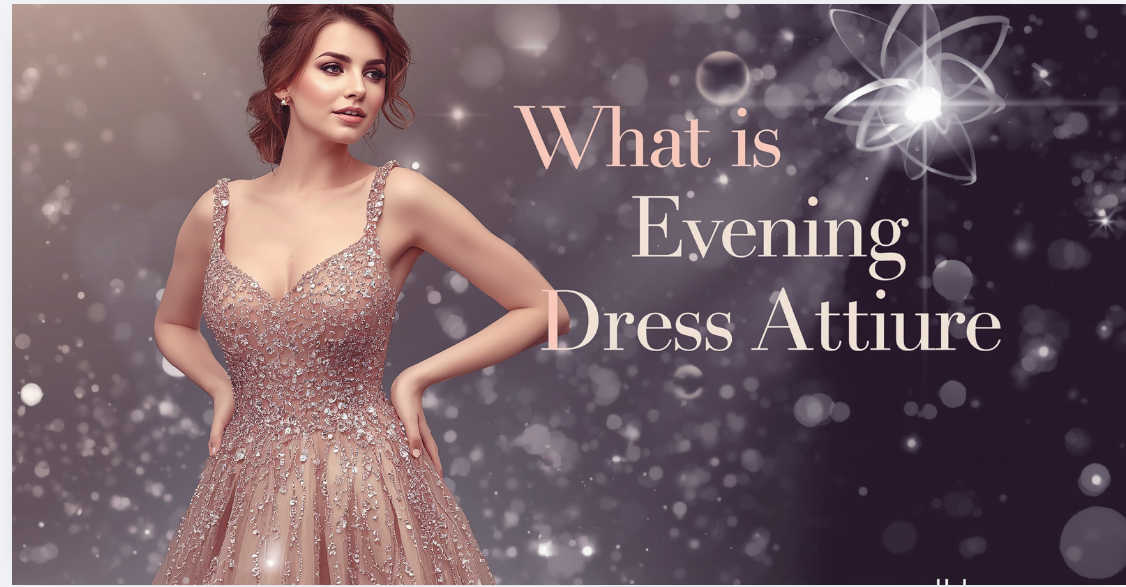
When an invitation specifies a formal code for an after-five event, navigating the sartorial expectations can be daunting. Understanding what is evening dress attire requires examining a historical and structured framework of sartorial standards that govern social gatherings held in the evening. Far beyond merely “dressing up,” evening dress attire represents a dedicated category of clothing designed specifically for nighttime formality, social galas, diplomatic receptions, opera premieres, and high-end weddings.
At its core, evening dress attire encompasses a spectrum of dress codes ranging from the ultra-strict parameters of White Tie to the nuanced flexibilities of Creative Black Tie and Evening Cocktail. Every tier carries specific expectations for fabrics, cuts, footwear, color palettes, and accessory pairings. Master these codes to ensure you arrive appropriately dressed, respecting the host’s vision while presenting an elevated personal style.
What Is Evening Dress Attire and Why Does It Matter?
Understanding what is evening dress attire begins with its origin: evening dress code rules were established to mark a distinct visual transition between the working day and nighttime social life. Historically rooted in 19th-century European court etiquette, evening wear evolved to establish a visual harmony among guests, ensuring no single individual visually disrupted the ceremonial ambience of a formal gathering.
Today, adhering to evening dress codes is primarily a matter of social etiquette and personal respect. When hosts designate an evening dress code, they set an intentional mood for the occasion. Wearing appropriate evening attire demonstrates respect for the hosts, honours the event’s importance, and ensures you fit seamlessly into the setting.
Additionally, evening fabrics differ fundamentally from daytime textiles. While daytime garments favor breathable cottons, flat wools, and matte linens, true evening dress attire relies on materials that interact dynamically with artificial lighting—such as silk satin, velvet, taffeta, polished barathea wool, and intricate metallic weave.
Defining the Tiers: What Is Evening Dress Attire Across Formality Levels?
Evening dress attire is not a single uniform; it is divided into distinct tiers of formality. Knowing what is evening dress attire within each specific tier prevents underdressing or overdressing.
+-------------------------------------------------------------------------+
|                    EVENING DRESS ATTIRE HIERARCHY                        |
+-------------------------------------------------------------------------+
|  WHITE TIE            Ultra-Formal (Tailcoats, Ball Gowns, Opera Gloves) |
|  BLACK TIE            Strict Formal (Tuxedos, Floor-Length Gowns)       |
|  BLACK TIE OPTIONAL   Formal Flex (Tuxedos or Dark Suits, Luxe Midis)   |
|  CREATIVE BLACK TIE  Expressive Formal (Textured Tux, Statement Gowns)  |
|  EVENING COCKTAIL    Semi-Formal (Tailored Suits, Cocktail Dresses)     |
+-------------------------------------------------------------------------+
White Tie (Full Evening Dress)
White Tie is the absolute apex of formal wear. Reserved for royal ceremonies, state banquets, diplomatic galas, and ultra-exclusive balls, White Tie offers virtually no room for modern deviation.
- For Men: A black, double-breasted tailcoat worn unbuttoned, cut short in the front with two long tails in the back. High-waisted trousers featuring a double stripe of satin or grosgrain braid down the outer seams. A stiff white piqué cotton wing-collared shirt, a low-cut white piqué waistcoat (which must not extend below the front coat hem), a hand-tied white piqué bow tie, and black patent leather opera pumps or oxfords.
- For Women: A floor-length, formal evening or ball gown with a grand silhouette (A-line or full skirt). Elbow-length white silk or kidskin gloves (glacé gloves) are traditionally required, kept on during receptions and removed only when seated at the dinner table. Fine high-jewelry, structured updos, and formal evening slippers complete the look.
Black Tie (Cravate Noire)
Black Tie is the global benchmark for modern high formality, commonly seen at evening weddings, charity galas, theatrical premieres, and formal award ceremonies.
- For Men: A dinner jacket (tuxedo) in black or midnight blue. Lapels must be faced in satin or grosgrain silk, shaped as a peak lapel or shawl collar. Matching trousers feature a single side stripe of silk matching the lapels. Paired with a white tuxedo shirt (pleated or Marcella piqué front), black silk bow tie, black silk cummerbund or low-cut waistcoat, studs and cufflinks, and black patent leather footwear.
- For Women: A floor-length evening gown is standard. The hemline should reach the floor or graze the top of the shoes. While full ball gowns work, sleeker silhouettes like sheath, mermaid, or column dresses in rich fabrics (chiffon, silk crepe, velvet) are ideal.
Black Tie Optional / Formal Evening Wear
Black Tie Optional acts as a bridge between uncompromising Black Tie and high-end formal wear. It gives guests permission to wear traditional Black Tie while welcoming dark, elegant suits for those without a tuxedo.
- For Men: A tuxedo remains the preferred choice. However, a dark charcoal or midnight black suit tailored impeccably, paired with a crisp white dress shirt, a conservative dark silk necktie, and polished black leather dress shoes (oxfords or wholecuts), is entirely appropriate.
- For Women: Floor-length gowns remain widely popular, but elegant, high-end midi dresses, luxurious dressy separates, or tailored evening tuxedo suits (pant-suits in silk or velvet) are fully acceptable.
Creative Black Tie
Creative Black Tie invites personal flair while maintaining a formal silhouette. Popular in fashion-forward cities, creative galas, and art-centered events, it softens rigid dress rules.
- For Men: The foundation remains a formal tuxedo silhouette, but allows variations in color and texture. Think velvet tuxedo jackets in deep jewel tones (emerald, burgundy, plum), patterned bow ties, dark subtle jacquard fabrics, or modern black dress shirts worn without a tie under a sharply tailored dinner coat.
- For Women: Avant-garde formal dresses, high-fashion silhouettes, statement embroidery, bold jewel tones, metallic textiles, or dramatic accessories that elevate a classic floor-length dress.
Evening Cocktail / Semi-Formal Evening Attire
Evening Cocktail demands refinement without requiring a floor-length gown or a full tuxedo.
- For Men: A dark tailored suit (navy, charcoal, black) worn with a crisp dress shirt and a silk necktie. Leather dress shoes (derbies, oxfords, or formal monk straps) are mandatory.
- For Women: A classic “Little Black Dress” (LBD), structured midi dresses, high-end jumpsuit silhouettes, or dressy cocktail skirts paired with silk blouses. Lengths range from just above the knee to midi.
Women’s Evening Wear: What Is Evening Dress Attire for Women?
Navigating female evening dress attire requires balancing cut, fabric, length, and accessorizing. Understanding how these elements function ensures a refined result.
| Formality Tier | Hemline Expectation | Preferred Fabrics | Key Accessories |
| White Tie | Floor-sweeping ball gown | Taffeta, heavy silk satin, organza, brocade | Elbow-length white gloves, fine diamond/pearl jewelry, clutch |
| Black Tie | Floor-length (skims top of shoes) | Silk crepe, velvet, chiffon, lace, sequin overlay | Statement jewelry, satin/metallic box clutch, formal heels |
| Black Tie Optional | Floor-length or dressy midi | Heavy knits, satin, georgette, silk blends | Drop earrings, sleek cuff bracelets, evening pumps |
| Evening Cocktail | Knee-length to midi | Jacquard, crepe, lace, polished cotton blends | Bold cocktail rings, shoulder bags with chain straps, pumps/heels |
Silhouette and Length Breakdown
- The Ball Gown: Characterized by a fitted bodice and a full, voluminous skirt supported by petticoats or tulle layers. Reserved almost exclusively for White Tie and top-tier formal galas.
- The Column/Sheath Gown: A streamlined silhouette that drops straight down from the waist, hugging the body gently without flare. Ideal for Black Tie, offering an elegant line.
- The A-Line Gown: Fitted at the waist and widening gradually toward the hemline. Versatile across all formal tiers, flatteringly balancing structure and comfort.
- The Mermaid / Trumpet Gown: Hugs the body through the chest, waist, and hips before flaring out at or below the knee. Highly dramatic, excellent for Black Tie red-carpet events.
- The Elevated Midi/Cocktail Cut: Resting between the knee and lower calf, this silhouette works well for Black Tie Optional or Evening Cocktail.
Fabrics and Textiles for Evening Wear
Fabric choice differentiates casual day dresses from true evening attire. Evening fabrics must feature structure, luster, or fluid drape:
- Silk Satin & Charmeuse: High sheen, fluid movement, ideal for slip-style gowns and column silhouettes.
- Velvet: Rich, light-absorbing pile that provides depth and warmth during autumn and winter evening galas.
- Chiffon & Georgette: Lightweight, sheer weaves typically layered to create soft, romantic movement.
- Taffeta & Mikado: Structured, crisp fabrics that hold shape, perfect for dramatic ball gowns and structural ruffles.
Footwear, Jewelry, and Evening Accessories
- Footwear: Evening footwear should feature slim soles and refined straps. High-heeled strappy sandals, satin pumps, embellished slingbacks, or velvet dress flats are appropriate. Avoid chunky casual block heels or daytime leather mules.
- Handbags: Standard daytime totes, crossbody bags, and shoulder bags are unsuitable. Opt for hard-shell box clutches, silk envelope clutches, or micro-beaded evening pouches.
- Jewelry: Focus on high-end brilliance that catches evening light. For low necklines, opt for statement drop necklaces; for high or illusion necklines, shift focus to chandelier earrings and tennis bracelets.
Men’s Evening Wear: What Is Evening Dress Attire for Men?
For men, evening dress attire is rooted in classic tailoring where subtle details define proper execution.
+--------------------------------------------------------------------------+
|                       MEN'S TUXEDO COMPONENT ANATOMY                     |
+--------------------------------------------------------------------------+
| [ Collar ]      Turndown or Wing Collar (Stiff White Marcella/Pleated)   |
| [ Lapels ]      Silk Satin or Grosgrain Facing (Peak or Shawl)          |
| [ Fastening ]   Single-Button Front (Silk-Covered Button)                |
| [ Waist-Cover ] Cummerbund or Low-Cut Evening Waistcoat (Black Silk)     |
| [ Trouser ]     Matching Wool with Side Silk Satin Stripe (No Belt Loops)|
| [ Footwear ]    Black Patent Leather Oxfords or Opera Pumps              |
+--------------------------------------------------------------------------+
The Tailcoat vs. Tuxedo vs. Dinner Jacket
- The Tailcoat: Used exclusively for White Tie. Features peak lapels, double-breasted front button styling (never buttoned), and long coat tails extending to the back of the knee.
- The Classic Tuxedo: Black or midnight blue, made from barathea or fine worsted wool. Features silk facing on the lapels, buttons, and trouser pocket trims.
- The Warm-Weather Dinner Jacket: In tropical or summer Black Tie settings, a ivory/white dinner jacket paired with black tuxedo trousers, a black bow tie, and a black cummerbund is a timeless classic.
Shirts, Collars, and Studs
- Shirt Fabric: Must be pure white, featuring either a pleated bib or a Marcella (piqué) front panel.
- Collar Style: Turndown collars are standard and versatile for modern Black Tie. Wing collars are required for White Tie and remain a classic option for traditional Black Tie.
- Shirt Fastenings: Standard buttons are hidden behind a fly front, or the top 3-4 buttons are replaced with decorative formal studs (onyx, mother-of-pearl, or gold/silver studs) paired with matching cufflinks.
Lapel Styles: Peak, Shawl, and Notch
- Peak Lapel: Edgy, broad, and traditional. The lapel points upward toward the shoulders, accentuating an athletic V-shaped silhouette. Highly formal.
- Shawl Collar: Smooth, continuous curve without notches or points. Evokes a classic Hollywood ambiance. Highly recommended for tuxedos and warm-weather ivory jackets.
- Notch Lapel: Common on everyday business suits. While seen on modern tuxedos, purists consider it less formal than peak or shawl options.
Trousers, Waistcoats, Cummerbunds, and Footwear
- Trouser Construction: Tuxedo trousers must match the jacket material and feature a single satin or grosgrain stripe down the outer seam. They never feature belt loops; instead, they are held up with side adjusters or interior buttons for silk suspenders (braces).
- Waist Coverings: A tuxedo requires a waist covering so the white shirt doesn’t show below the jacket button. Choose between a low-cut black silk waistcoat or a black silk cummerbund. The pleats of a cummerbund must always face upward.
- Footwear: Mirror-shine black patent leather oxfords, wholecuts, or traditional black silk-bow opera pumps paired with fine black silk over-the-calf dress socks. High-gloss, polished black calfskin oxfords are an acceptable alternative.
Color Theory, Fabrics, and Seasonal Variations in Evening Attire
While black remains the quintessential color for evening wear, seasonal conditions and event themes allow for thoughtful shade variations. Understanding color theory ensures your outfit aligns with the season.
Spring/Summer Evening Palette & Fabrics
Warm-weather evening events call for lightweight fabrics and softer tones, particularly for outdoor settings or coastal galas.
- Color Palette: Ivory, champagne, ice blue, blush pink, soft sage, and classic midnight blue.
- Fabrics: Silk organza, lightweight crepe, silk-linen blends (for dressy casual/cocktail), tulle overlays, and tropical-weight worsted wool.
- Styling Note: Men can opt for an ivory dinner jacket paired with black trousers, preventing heat absorption while maintaining full Black Tie formality.
Fall/Winter Evening Palette & Fabrics
Cold-weather evening events favor deeper tones and heavier fabrics that absorb light richly.
- Color Palette: Deep black, midnight blue, emerald green, deep wine/burgundy, plum, burnt amber, and rich navy.
- Fabrics: Velvet, heavy silk satin, brocade, wool-silk mixtures, taffeta, and cashmere-wool blends for formal outer coats.
- Styling Note: Women can layer floor-length gowns with tailored velvet wraps, faux-fur stoles, or high-end evening capes. Men should wear a dark, single- or double-breasted wool or cashmere dress overcoat (never a casual trench or parka).
Etiquette, Grooming, and Tailoring Guidelines for Evening Attire
An expensive evening gown or tuxedo will fall flat if fit and grooming are overlooked. Applying foundational tailoring and etiquette rules elevates your overall presentation.
Essential Fit & Tailoring Standards
- Jacket Sleeve Length: The tuxedo jacket sleeve should end right at the wrist bone, allowing precisely 1/4 to 1/2 inch of crisp white shirt cuff to show.
- Trouser Hem Break: Formal evening trousers should feature a clean, minimal break (or no break at all), skimming the top of the dress shoes cleanly without pooling fabric over the ankles.
- Gown Hemming: Women’s gowns must be hemmed with the exact shoe heel height in mind. A gown should float 1/4 inch off the floor to prevent tripping while ensuring no ankle shows when standing still.
- Fit Around the Waist: A tuxedo jacket should contour the midsection cleanly without pulling (forming an ‘X’ crease across the button) or overflowing loosely.
Grooming and Styling Protocol
- Hair: Polished, deliberate styling is required. Structured updos, sleek buns, or refined waves work best for women. Men should have clean, freshly styled hair with trimmed necklines and neat facial hair.
- Makeup: Evening lighting flattens natural skin tone, making refined evening makeup—such as a bolder lip or defined eyes—a great match for formal attire.
- Fragrance: Keep fragrance application subtle. In crowded ballrooms or dinner tables, heavy scents can overpower nearby guests.
The 6 PM Rule and Cultural Contexts
- The 6 PM Rule: Traditionally, true Black Tie and White Tie attire are worn for events starting after 6:00 PM. If a formal wedding ceremony starts at 3:00 PM followed by an evening reception, guests wear their formal evening attire to both, or transition into Black Tie before the evening reception begins.
- Cultural Fusion: When attending multi-cultural formal events (such as South Asian or East Asian evening weddings), traditional formal wear (like an embellished Sherwani, heavy silk Lehengas, or a formal Kimono) often shares equal footing with Western Black Tie.
Crucial Pitfalls to Avoid When Selecting Evening Dress Attire
Even seasoned event guests can commit fashion missteps when assembling evening attire. Avoid these common pitfalls to maintain an immaculate appearance:
- Wearing a Standard Business Suit to a Black Tie Event: A black business suit is not a tuxedo. The absence of satin lapel facings, satin trouser stripes, and proper formal accessories makes a standard suit stand out under event lighting.
- Wearing a Everyday Wristwatch with High Formal Wear: Bold sports watches, leather-strapped field watches, and smartwatches ruin the sleek lines of formal dress. Opt for a slim dress watch with a black leather strap, or omit the watch entirely (traditionally, checking the time at formal galas was considered impolite).
- Choosing Daytime Fabrics for Evening Events: Linen suits, cotton sundresses, and matte jersey knits belong to daytime gatherings. Stick to rich, light-reflecting, structured fabrics for night.
- Exposing the Waist Area in Men’s Black Tie: A common mistake is skipping both the cummerbund and waistcoat while wearing a tuxedo. Leaving an exposed triangle of white shirt between the jacket button and trouser waistband breaks the seamless visual line of the outfit.
- Visible Casual Undergarments or Straps: Unsecured bra straps, visible panty lines, or inappropriate undergarments instantly downgrade an otherwise gorgeous formal gown. Invest in seamless, backless, or shapewear solutions tailored specifically to your gown’s neckline and back design.
Frequently Asked Questions About Evening Dress Attire
What is the difference between formal attire and evening dress attire?
While “formal attire” is a broad umbrella term that can include daytime formal wear (such as a morning coat or a structured day dress), evening dress attire specifically refers to formal dress codes executed for nighttime events (typically starting after 6:00 PM). Evening dress attire emphasizes richer, light-reflecting fabrics (velvet, satin, silk) and specific formal structures like tuxedos, tailcoats, and floor-length gowns.
Can I wear a dark business suit if the invitation says Black Tie?
Technically, no. Black Tie strictly calls for a tuxedo (dinner jacket with satin or grosgrain facings, matching side-striped trousers, and a bow tie). However, if the dress code states Black Tie Optional, a dark charcoal or midnight black suit paired with a crisp white shirt, conservative dark tie, and polished dress shoes is an acceptable alternative.
How long should a dress be for Black Tie vs. Cocktail?
- Black Tie: Requires a floor-length gown where the hemline skims the top of your shoes or lightly floats just above the floor.
- Evening Cocktail: Calls for shorter hemlines ranging from just above the knee to a dressy midi length (lower calf).
Is it acceptable to wear black to an evening wedding?
Yes, wearing black to an evening wedding is now widely accepted and considered sophisticated, especially for Black Tie or formal evening events. Just ensure the silhouette feels celebratory and elevated through fabric choice and accessories rather than somber.
Do men have to wear a bow tie with a tuxedo?
For standard Black Tie and White Tie, a hand-tied bow tie is mandatory (black silk for Black Tie, white piqué for White Tie). Long neckties are generally considered inappropriate for traditional Black Tie, though they occasionally appear in modern Creative Black Tie settings.
Conclusion
Understanding what is evening dress attire boils down to recognizing the specific level of formality requested and respecting the tradition behind nighttime dress codes. Whether an invitation demands the uncompromising elegance of White Tie, the classic sophistication of Black Tie, or the versatile polish of Evening Cocktail, the key lies in execution.
Focusing on appropriate fabrics, tailored fits, correct hemlines, and refined accessories ensures you not only honor the host’s vision but also step into any evening event with effortless confidence and distinction.