
When people ask what’s smart casual dress code, they are looking for guidance on a style that blends professionalism with relaxed comfort. Smart casual has become one of the most widely requested dress codes in modern workplaces, school events, social outings, and even weddings. Unlike strictly formal attire or dressed-down casual wear, smart casual sits in the middle — refined yet comfortable, stylish yet not overly formal. Understanding what’s smart casual dress code requires more than just a definition. You need to know the rules, the allowed pieces, combinations that work, what to avoid, and how this dress code varies by context, season, and culture. In this comprehensive guide, we’ll break down everything you need to look polished and confident while following smart casual guidelines.
The Origins: Understanding What’s Smart Casual Dress Code
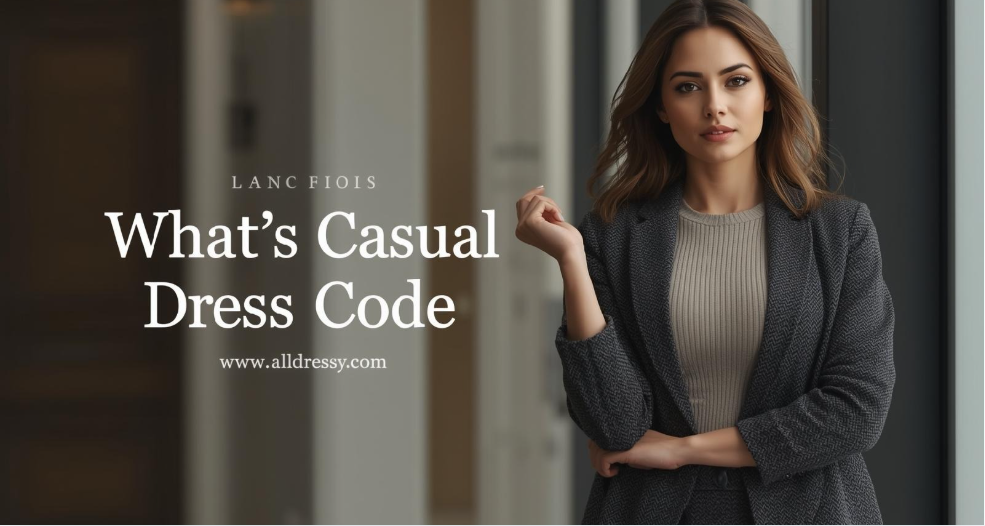
To fully appreciate what’s smart casual dress code, it helps to know where the term comes from. Smart casual originated in the mid-20th century as workplaces and social groups sought a comfortable alternative to rigid suits and formal evening wear. The term evolved as professional environments relaxed dress standards but still expected a neat appearance. Today, smart casual outfits can be seen in offices, restaurants, travel, and even tech conferences. While the exact definition can vary depending on industry and region, the core idea remains consistent: striking a balance between smart and relaxed.
What’s Smart Casual Dress Code: The Core Principles
Understanding what’s smart casual dress code means knowing the underlying principles that distinguish this style from purely casual or business formal:
1. Neatness
Smart casual attire should always look intentional. Even comfortable pieces should be clean, pressed, and in good condition.
2. Balance of Relaxed and Refined
There must be a mix of relaxed comfort (like knitwear or chinos) and refined pieces (like blazers or quality shoes). Too much relaxation shifts toward casual; too much structure leans toward formal.
3. Appropriateness
Your smart casual outfit should be appropriate for the setting. What’s acceptable in a startup environment might differ from a museum opening or informal dinner.
4. Fit Matters
Clothing should be tailored to fit well. Poorly fitting clothes can make even quality pieces look sloppy.
These principles answer the question what’s smart casual dress code by clarifying that it’s not about specific items alone, but how those items work together.
Smart Casual for Men: What’s Smart Casual Dress Code for Him

When people ask what’s smart casual dress code for men, they’re often looking for outfit combinations that are stylish but not overly dressy. Here are detailed breakdowns of what’s appropriate at different levels:
Tops: Shirts and Knitwear
- Button-down shirts: The backbone of smart casual. Oxford cloth button-downs, chambray, and patterned shirts all qualify when neatly pressed.
- Polo shirts: A polished polo can work, especially in warmer months or more relaxed environments.
- Sweaters: Crewneck or V-neck sweaters over collared shirts add a refined layer.
- Blazers and sport coats: A tailored blazer instantly elevates any smart casual look.
Avoid: Graphic tees, hoodies, and tank tops — these are too casual for smart casual dress codes.
Bottoms: Trousers and Chinos
- Chinos: Classic smart casual pants in neutral colors like navy, khaki, or gray.
- Dress trousers: Slim or straight fit trousers work well if they aren’t overly formal or pleated.
- Dark denim: Some smart casual settings allow dark, non-distressed denim.
Avoid: Ripped jeans, cargo pants, joggers, or shorts — these fall on the casual end of style.
Footwear: What’s Smart Casual Dress Code for Shoes
Shoes have a major impact on whether an outfit reads as smart casual:
- Leather loafers: Slip-on and refined without being too formal.
- Derby or monk strap shoes: Polished but comfortable.
- Clean sneakers: Minimalist leather sneakers can work in many environments.
- Chelsea boots or chukkas: Great transitional options for cooler weather.
Avoid athletic running shoes, sandals, and flip-flops.
Accessories
Accessories should be subtle and elevated:
- Leather belts matching shoe color
- Simple watches
- Pocket squares (optional)
- Quality socks in matching tones
Overly bold or athletic accessories can make an outfit look less smart casual.
Smart Casual for Women: What’s Smart Casual Dress Code for Her
When people ask what’s smart casual dress code for women, they seek flexible outfit ideas that blend femininity with sophistication. Here’s how to build smart casual looks:
Tops: Blouses and Knitwear
- Blouses and tailored tops: Silk or cotton blouses in solid colors or subtle prints work well.
- Knit sweaters and cardigans: Layered over shirts or dresses for a polished look.
- Blazers: A fitted blazer elevates any top.
Avoid: Graphic tees, crop tops, or overly revealing pieces.
Bottoms: Skirts, Trousers, and Jeans
- Tailored trousers: Slim or wide-leg options in neutral colors offer versatility.
- Skirts: Pencil or A-line skirts that hit at or below the knee maintain sophistication.
- Dark denim: Well-fitting, non-distressed jeans can be smart casual staples.
Avoid: Mini skirts that are overly flashy or casual shorts.
Dresses
- Wrap dresses, shirt dresses, midi dresses: Comfortable yet professional options.
- Structured silhouettes: Provide polish without stiffness.
Avoid: Beachy sundresses or party dresses with sequins and high slits.
Footwear
Smart casual shoes for women should reflect both comfort and style:
- Ballet flats or loafers
- Low to mid-heel pumps
- Ankle boots
- Minimalist sneakers
Avoid flip-flops, high stilettos, or overly sporty shoes.
Accessories
- Simple jewelry (studs, subtle necklaces)
- Scarves for a touch of sophistication
- Leather or neutral tote bags
Avoid overly flashy statement pieces that overpower the outfit.
What’s Smart Casual Dress Code: Variations by Setting
Understanding what’s smart casual dress code also involves recognizing how it differs by context. Smart casual isn’t one uniform style — it adapts to environment and event.
Workplace Smart Casual
Many modern offices adopt smart casual as daily wear. In professional settings:
- Stick to structured pieces (blazers, collared shirts)
- Neutral palettes are safe choices
- Avoid loud logos or overly trendy items
Workplace smart casual blends corporate polish with comfort — think chinos with a tucked-in button-down and loafers, or tailored trousers with a blouse and blazer.
Smart Casual for Dinner or Social Events
Dinner events allow for a bit more personality:
- Patterned tops or dresses
- Sleek ankle boots or heels
- Textured blazers or statement sweaters
Here, what’s smart casual dress code means relaxed elegance — expressive yet appropriate.
Smart Casual for Travel
Travel smart casual focuses on comfort without losing polish:
- Stretch chinos or dark denim
- Layered tops
- Slip-on minimalist sneakers or comfortable loafers
Travel smart casual prioritizes ease of movement and temperature adaptability.
Smart Casual for Outdoor Events
Outdoor settings may require practical smart casual choices:
- Breathable shirts and light layers
- Comfortable shoes with good traction
- Weather-appropriate outerwear
The key is to stay elevated but practical — still answering the question what’s smart casual dress code with refined-leaning options.
Seasonal Smart Casual: Dressing by Weather
What’s smart casual dress code changes with the seasons. Let’s break down seasonal smart casual outfits.
Smart Casual in Spring
Spring smart casual calls for layers to adjust to fluctuating temperatures:
- Lightweight blazers
- Knit sweaters over shirts
- Chinos or dark denim
- Loafers or ankle boots
Light colors like beige, pastels, or muted prints add springtime freshness while staying smart casual.
Smart Casual in Summer
Summer smart casual outfits rely on breathability:
- Linen or cotton shirts
- Polo shirts for men
- Midi skirts or dresses for women
- Lightweight chinos or tailored shorts (in relaxed environments)
Sandals with structure (not flip-flops) or loafers keep feet comfortable yet polished.
Smart Casual in Fall
Fall smart casual includes richer textures and layers:
- Cardigans and layered tops
- Tweed or wool blazers
- Dark denim and chinos
- Leather boots or suede shoes
Warm earthy tones like olive, burgundy, and tan work well.
Smart Casual in Winter
Winter smart casual prioritizes warmth balanced with style:
- Wool overcoats or structured parkas
- Turtleneck sweaters
- Dress trousers and tailored skirts with opaque tights
- Boots with polished finishes
Accessories like scarves and gloves add warmth and sophistication.
What’s Smart Casual Dress Code: Color and Pattern Guidelines
Color and pattern choices influence how smart casual an outfit looks.
Neutral and Classic Colors
Neutrals are reliable:
- Navy
- Black
- Charcoal
- Beige
- White
- Olive
These shades create cohesive outfits that read smart without effort.
Incorporating Patterns
Patterns can enhance smart casual look when balanced:
- Stripes or gingham in shirts
- Subtle plaids in blazers or skirts
- Minimalist prints that aren’t too bold
Avoid overly loud or flashy patterns that clash.
Contrasting Colors
Smart casual outfits benefit from thoughtful contrast:
- Dark pants with a light shirt
- Neutral blazer over a colored top
Balanced contrast keeps looks dynamic but refined.
Grooming and Presentation: Beyond Clothing
Knowing what’s smart casual dress code includes grooming standards:
Neat Hair and Facial Grooming
- Trimmed beards or clean-shaven looks
- Hairstyles styled but not overdone
Good grooming complements smart casual attire.
Subtle Fragrances
Light colognes or perfumes enhance presence without overpowering.
Minimal Makeup (Optional)
For women, minimal and natural makeup supports a polished look.
Misconceptions: What Smart Casual Is Not
When clarifying what’s smart casual dress code, it helps to dispel common myths:
Not the Same as Business Formal
Smart casual is less structured than business formal. Suits and ties are not required.
Not Purely Casual
Jeans and T-shirts alone don’t meet smart casual standards unless the jeans are dark, unfaded, and paired with refined elements like blazers or collared shirts.
Not Trend-Driven
While accessories and colors may reflect trends, smart casual is timeless — focusing on balance and refinement over passing fads.
Building a Smart Casual Wardrobe: Steps and Tips
Here’s how to build a wardrobe that answers what’s smart casual dress code with clarity and style.
Step 1: Invest in Basics
Smart casual wardrobes start with essentials:
- Quality chinos and tailored trousers
- Well-fitted button-down shirts
- Neutral polos
- Blazers or sport coats
- Dark denim
- Comfortable polished shoes
These pieces form the foundation.
Step 2: Add Seasonal Layers
Layering pieces like cardigans, knit sweaters, and outerwear extend wardrobe flexibility.
Step 3: Choose Versatile Accessories
Belts, watches, scarves, and bags in neutral tones add polish across outfits.
Step 4: Maintain Fit and Fabric Quality
Fit and fabric impact perception more than brand names. Tailoring elevates smart casual wear.
Smart Casual in Different Cultures and Regions
The interpretation of what’s smart casual dress code can vary by culture:
North America
Smart casual often leans toward structured tops with relaxed trousers or dark denim.
Europe
European smart casual may incorporate more tailored fits, minimalist footwear, and understated elegance.
Asia
Smart casual in many Asian urban centers blends global styles with traditional elements like tailored tunics, stylized blazers, or unique accessories.
Middle East
Smart casual worn in conservative regions may favor modest cuts, longer hemlines, and lightweight layered fabrics.
Each cultural context shapes how smart casual dress rules are applied.
Modern Workplace and What’s Smart Casual Dress Code
Many industries — especially tech, creative fields, and startups — embrace smart casual every day. In these environments:
- Tailored chinos are paired with polos or casual button-downs
- Women combine blouses with comfortable trousers or skirts
- Sneakers are allowed if they are minimalist and clean
Understanding what’s smart casual dress code in modern workplaces means reading both written guidelines and unwritten cultural norms.
Smart Casual and Personal Style
Answering what’s smart casual dress code isn’t just about rules — it’s about expressing personal style within boundaries. Smart casual allows:
- Statement sweaters
- Interesting textures like suede or knit
- Unique but understated accessories
The key is to maintain balance: individuality without sacrificing refinement.
Practice Outfits: Putting It All Together
Examples help illustrate what’s smart casual dress code in practice.
Outfit 1: Lunch with Clients
- Light blue button-down
- Navy chinos
- Brown leather loafers
- Neutral belt and a simple watch
Outfit 2: Casual Friday at Work
- Polo shirt
- Dark denim
- Minimalist leather sneakers
- Lightweight blazer
Outfit 3: Weekend Dinner
- Patterned blouse or knit sweater
- Tailored trousers
- Chelsea boots or low heels
- Simple accessories
Outfit 4: Travel Smart Casual
- Breathable button-down
- Stretch chinos
- Comfortable loafers
- Light cardigan
Outfit 5: Outdoor Event
- Layered shirt and sweater
- Weather-appropriate coat
- Dark denim or chinos
- Suede boots
Frequently Asked Questions (FAQs)
What’s smart casual dress code in simple terms?
Smart casual dress code means dressing in a way that looks neat, stylish, and polished without being too formal. It combines comfortable clothing with refined pieces like blazers, button-down shirts, tailored trousers, or elegant dresses.
Is smart casual the same as business casual?
No. Business casual is more professional and office-focused, while smart casual is more flexible. Smart casual allows more personal style, relaxed fabrics, and casual footwear while still looking put-together.
Can jeans be worn in smart casual outfits?
Yes, dark, clean, and well-fitted jeans can be part of a smart casual look when paired with polished items like a blazer, collared shirt, or smart shoes.
Are sneakers allowed in smart casual dress code?
Minimalist, clean sneakers are acceptable in many smart casual settings, especially in modern workplaces or casual social events. Athletic or worn-out sneakers are not suitable.
Can women wear dresses for smart casual?
Yes, midi dresses, shirt dresses, and wrap dresses are great smart casual options. They should be modest, well-fitted, and not overly flashy.
What colors work best for smart casual outfits?
Neutral colors like navy, black, beige, white, gray, and olive work best. These colors create a clean, stylish look that fits smart casual standards.
Is a blazer necessary for smart casual?
A blazer is not required, but it helps elevate an outfit. You can also use sweaters, cardigans, or structured jackets for a smart casual look.
Can smart casual be worn to formal events?
Smart casual is best for semi-formal or relaxed events. For strict formal occasions like weddings or business meetings, more formal attire may be expected.
What should be avoided in smart casual dress code?
Avoid ripped jeans, graphic T-shirts, flip-flops, athletic wear, hoodies, and overly revealing or sloppy clothing.
Does smart casual change by season?
Yes. In summer, lighter fabrics like linen are common. In winter, layered outfits with coats and sweaters are more suitable.
Conclusion
Understanding what’s smart casual dress code helps you dress confidently for many modern situations. It allows you to look stylish without feeling overdressed or uncomfortable. Smart casual combines clean, well-fitted clothing with relaxed elements, creating a balanced and versatile style.
This dress code works for offices, dinners, travel, social events, and more. By choosing the right colors, fabrics, and combinations, anyone can master smart casual dressing. It is not about strict rules, but about looking neat, polished, and appropriate for the occasion.
With the right wardrobe pieces and basic style awareness, smart casual becomes an easy and reliable way to dress well every day.