
If you have ever browsed through fashion collections, catalogs, or online boutiques, you have likely come across the term “A-line dress.” But what is an A-line dress, and why has it remained a timeless staple in women’s wardrobes for decades? The A-line dress is celebrated for its flattering shape, versatility, and ability to suit a wide range of body types and occasions. This article will explore everything you need to know about this iconic silhouette, including its history, variations, styling tips, occasions, fabric choices, and accessorizing ideas.
The Definition: What Is an A-Line Dress?
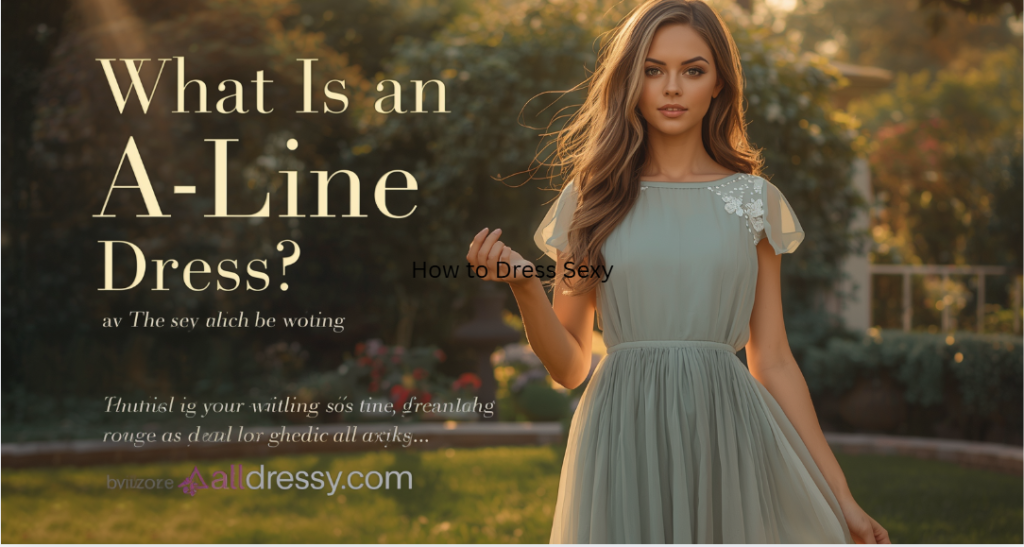
An A-line dress is a dress that is fitted at the shoulders or waist and gradually flares out toward the hem, creating the shape of the letter “A.” This style is universally flattering because it skims the body without clinging, allowing freedom of movement while emphasizing the waistline subtly.
Key Features of an A-Line Dress
- Fitted Upper Section: The bodice typically fits closely at the shoulders, bust, or waist.
- Gradual Flare: The skirt flares gently from the fitted area to the hem, creating an “A” shape.
- Length Variations: A-line dresses can range from mini to midi to maxi lengths, making them adaptable for different occasions.
- Necklines and Sleeves: The A-line silhouette works with a variety of necklines—V-neck, round, square, or boat neck—and sleeve styles, including sleeveless, short sleeves, long sleeves, or puff sleeves.
By definition, the hallmark of an A-line dress is its flare from the fitted top, which gives it an elegant yet playful appeal.
History of the A-Line Dress
Understanding the history of the A-line dress helps explain its enduring popularity.
Origin
The A-line dress gained prominence in the 1950s and 1960s. Christian Dior, the iconic French designer, is credited with popularizing this style. While Dior is better known for his “New Look,” which featured cinched waists and full skirts, the A-line variation emerged as a more practical and comfortable option for everyday wear.
Evolution
- 1960s: Designers like André Courrèges modernized the A-line silhouette, introducing shorter hemlines and minimalist designs that suited the era’s youth culture.
- 1970s-1980s: The A-line dress continued to evolve, incorporating flowing fabrics and bohemian influences.
- Modern Day: Today, the A-line dress remains a wardrobe essential, available in casual, office, and formal styles, making it one of the most versatile dress shapes in fashion.
The A-line dress has endured because of its adaptability, flattering fit, and ability to suit all ages and body types.
Different Types of A-Line Dresses
A-line dresses come in various styles, fabrics, and designs. Understanding these variations helps you choose the right one for any occasion.
1. Classic A-Line Dress
The classic A-line dress is fitted at the waist or shoulders and flares naturally toward the hem. It is versatile and works for both casual and formal occasions.
- Materials: Cotton, silk, linen, or polyester blends.
- Occasions: Office wear, brunch, casual day outings, or semi-formal gatherings.
2. Mini A-Line Dress
The mini A-line dress features a hemline above the knees, making it youthful, playful, and ideal for warm weather.
- Styling Tip: Pair with ankle boots, sandals, or sneakers for a casual-chic look.
- Occasions: Daytime events, summer outings, or casual parties.
3. Midi A-Line Dress
The midi A-line dress falls between the knee and the ankle, offering a balanced and elegant look.
- Materials: Satin, chiffon, or crepe for a flowy appearance.
- Occasions: Office, brunch, or evening events.
- Styling Tip: A thin belt accentuates the waist and enhances the A-line silhouette.
4. Maxi A-Line Dress
Maxi A-line dresses are full-length, flowing elegantly to the ankles or floor.
- Materials: Lightweight fabrics like chiffon, georgette, or silk for movement.
- Occasions: Beach weddings, formal events, or evening gatherings.
- Styling Tip: Pair with heels or wedges to elongate the figure.
5. Formal A-Line Dress
Formal A-line dresses are designed for weddings, cocktail parties, or gala events. They often feature luxurious fabrics, embellishments, lace, or sequins.
- Neckline Options: Sweetheart, off-shoulder, or halter necklines are popular for formal A-line dresses.
- Accessories: Statement jewelry and elegant clutches complete the look.
6. Casual A-Line Dress
Casual A-line dresses are perfect for everyday wear. They are often made from cotton, denim, or jersey fabrics and may feature playful patterns like florals or stripes.
- Styling Tip: Pair with sneakers, flat sandals, or a denim jacket for effortless style.
How to Choose an A-Line Dress for Your Body Type
One reason the A-line dress is so beloved is its universally flattering fit. Different body types can use A-line dresses to highlight their best features.
Pear-Shaped Body
- Challenge: Wider hips and thighs.
- Solution: An A-line dress flares away from the hips, balancing the silhouette and emphasizing the waist.
Apple-Shaped Body
- Challenge: Broader midsection.
- Solution: Look for A-line dresses with an empire waist or high waistline to elongate the torso and create a more defined shape.
Hourglass Figure
- Challenge: Highlighting curves without overemphasizing.
- Solution: A fitted bodice with a flared skirt accentuates natural curves without adding bulk.
Rectangular Body
- Challenge: Lack of natural waist definition.
- Solution: A-line dresses with belts or structured seams help create the illusion of a defined waist.
Petite Frame
- Challenge: Avoid being overwhelmed by fabric.
- Solution: Mini or knee-length A-line dresses help elongate the legs and create proportion.
Tall Frame
- Challenge: Finding dresses that are proportional.
- Solution: Midi or maxi A-line dresses create elegant lines and maintain balance with height.
By understanding your body type, you can select an A-line dress that flatters your figure and enhances your natural proportions.
Styling Tips for A-Line Dresses
A-line dresses can be styled in countless ways, depending on the occasion, season, and personal taste.
Footwear Options
- Casual: Sneakers, flat sandals, or ankle boots.
- Formal: Heels, wedges, or pointed-toe pumps.
- Seasonal: Tall boots pair beautifully with A-line dresses in fall or winter.
Accessorizing
- Belts: Add a belt to emphasize the waist and enhance the A-line silhouette.
- Jewelry: Statement necklaces or earrings work well with simple A-line dresses.
- Bags: Crossbody bags, clutches, or structured totes complement different styles.
Layering
- Jackets: Denim jackets or cropped blazers add structure to casual A-line dresses.
- Coats: Long trench coats or wool coats pair beautifully with midi or maxi A-line dresses in cooler months.
Patterns and Prints
- Floral Prints: Perfect for spring and summer.
- Stripes or Geometric Patterns: Add a modern, playful touch.
- Solid Colors: Offer elegance and versatility, ideal for office or formal events.
Occasions Perfect for A-Line Dresses
One of the most significant advantages of the A-line dress is its versatility.
Work and Office
- Opt for midi A-line dresses in solid colors or subtle patterns.
- Pair with pumps or low heels and a structured blazer for a professional appearance.
Casual Day Out
- Mini or knee-length A-line dresses in cotton or denim are comfortable and stylish.
- Add sneakers or flat sandals for a relaxed vibe.
Evening Events
- Midi or maxi A-line dresses in satin, silk, or embellished fabrics are perfect for evening events.
- Accessorize with heels, clutch bags, and statement jewelry.
Weddings and Formal Occasions
- Floor-length or elegant midi A-line dresses are ideal for weddings.
- Choose luxurious fabrics, lace overlays, or subtle embellishments for a formal look.
Seasonal Wear
- Spring/Summer: Light fabrics, bright colors, and floral patterns.
- Fall/Winter: Heavier fabrics, dark colors, long sleeves, and layering with coats or jackets.
Fabric Choices for A-Line Dresses
The fabric of an A-line dress greatly affects its drape, comfort, and occasion suitability.
- Cotton: Lightweight, breathable, and perfect for casual dresses.
- Silk: Luxurious, flowy, and ideal for formal occasions.
- Linen: Breathable and perfect for warm weather.
- Polyester Blends: Durable, wrinkle-resistant, and versatile.
- Chiffon/Georgette: Lightweight and flowy, perfect for maxi A-line dresses.
- Denim: Casual, structured, and great for playful daytime outfits.
Accessories That Elevate an A-Line Dress
Choosing the right accessories can transform an A-line dress from simple to spectacular.
- Belts: Accentuate the waistline and enhance the A-line shape.
- Jewelry: Statement pieces work best with solid-colored dresses, while minimal jewelry complements patterned designs.
- Scarves and Shawls: Add layers and textures for style and warmth.
- Bags: Structured totes, clutches, or crossbody bags depending on occasion and dress style.
Trends in A-Line Dresses
A-line dresses continue to evolve with fashion trends while maintaining their classic appeal.
- Retro 60s Influence: Mini A-line dresses with bold prints and bright colors.
- Bohemian Style: Flowy fabrics with floral or ethnic patterns.
- Modern Minimalism: Solid-colored A-line dresses with clean lines and simple accessories.
- Sustainable Fashion: Eco-friendly fabrics and ethical production methods are increasingly popular for A-line dresses.
The A-line dress is a timeless wardrobe staple, celebrated for its flattering silhouette, versatility, and adaptability across seasons, occasions, and personal styles. From casual daywear to formal evening gowns, the A-line shape offers elegance, comfort, and effortless style. Understanding what is an A-line dress, its variations, styling options, fabrics, and accessories ensures you can choose the perfect dress for any occasion and feel confident and stylish every time.
Frequently Asked Questions (FAQs)
1. What is an A-line dress?
An A-line dress is a dress that fits closely at the shoulders, bust, or waist and gradually flares out toward the hem, creating the shape of the letter “A.” This silhouette is flattering on nearly every body type and offers both comfort and style.
2. Who can wear an A-line dress?
Virtually anyone can wear an A-line dress. It flatters pear-shaped, apple-shaped, hourglass, rectangular, petite, and tall body types by accentuating the waist and allowing the skirt to flow gracefully.
3. What occasions are A-line dresses suitable for?
A-line dresses are versatile and work for casual, office, semi-formal, formal, and evening occasions. Mini or knee-length A-lines are ideal for casual wear, midi A-lines for office or semi-formal events, and maxi or embellished A-lines for weddings or formal occasions.
4. What fabrics are commonly used for A-line dresses?
Common fabrics include cotton, silk, chiffon, linen, polyester blends, and denim. The choice of fabric influences the dress’s formality, drape, and seasonality. Light fabrics like cotton or chiffon are ideal for spring and summer, while heavier fabrics like wool blends are better for fall and winter.
5. How do I accessorize an A-line dress?
Belts accentuate the waistline, jewelry enhances simplicity or adds statement appeal, scarves or shawls provide texture and warmth, and bags—clutches, totes, or crossbody styles—complete the outfit. Footwear should match the occasion, from sneakers for casual wear to heels for formal events.
6. Can A-line dresses be worn in all seasons?
Yes. Light fabrics and bright colors work best for spring and summer, while heavier fabrics, darker tones, long sleeves, and layering pieces like jackets or coats are ideal for fall and winter.
7. Are A-line dresses flattering for petite women?
Absolutely. Petite women benefit from mini or knee-length A-line dresses that elongate the legs and create a proportionate look. High-waist or empire-waist A-lines also create the illusion of height.
8. Are A-line dresses appropriate for formal events?
Yes. Formal A-line dresses are often made of luxurious fabrics like silk, satin, or chiffon and may include lace overlays, embellishments, or structured designs. They are perfect for weddings, galas, or evening parties.
9. How do I choose the right A-line dress for my body type?
Consider your body shape:
- Pear-shaped: Flared skirts balance wider hips.
- Apple-shaped: Empire waist or high waistline elongates the torso.
- Hourglass: Fitted bodice with flared skirt accentuates natural curves.
- Rectangular: Belts or structured seams create the illusion of a waist.
- Petite: Mini or knee-length dresses elongate legs.
- Tall: Midi or maxi dresses provide balance and elegance.
Conclusion
The A-line dress is a timeless and versatile wardrobe essential that combines elegance, comfort, and universal flattering appeal. Understanding what is an A-line dress, its variations, fabrics, styling options, and suitability for different body types allows anyone to select the perfect dress for any occasion. From casual daywear to formal evening gowns, the A-line silhouette offers effortless style, comfort, and confidence. Its adaptability across seasons, patterns, and accessories ensures it remains a fashion staple for women of all ages. Choosing the right A-line dress and accessorizing thoughtfully guarantees a polished, stylish, and flattering look every time.