
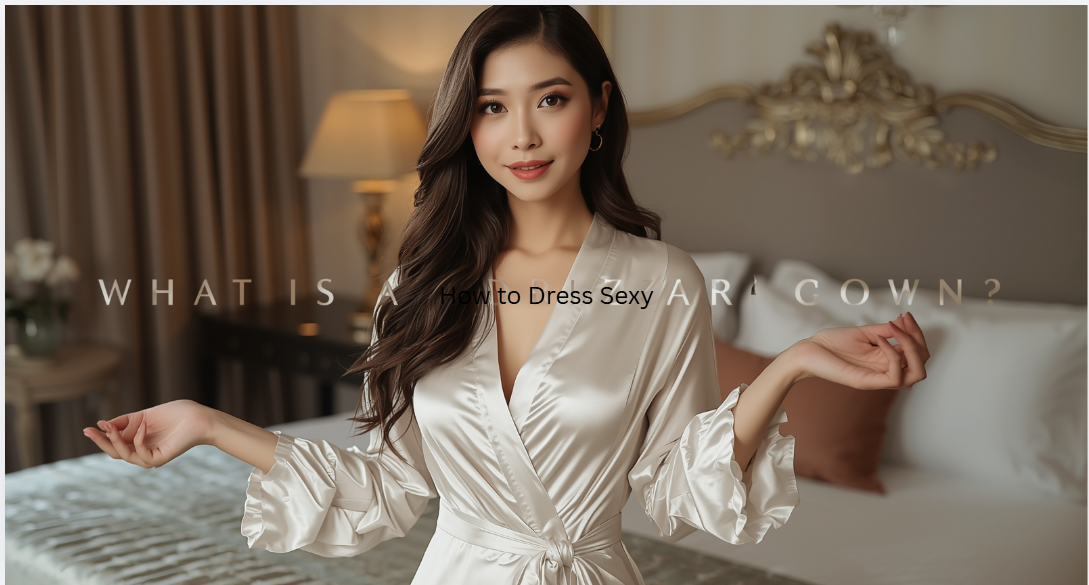
When discussing comfort, luxury, and at-home fashion, the term “what is a dressing gown” often comes up. Dressing gowns are versatile garments that have been a staple in homes for centuries. They are worn over sleepwear or undergarments to provide warmth, modesty, and a touch of elegance while moving around the house. But the concept of a dressing gown is more than just a simple robe—it is a combination of tradition, style, functionality, and self-care.
This article will explore what is a dressing gown, its history, materials, types, styling tips, occasions to wear it, and modern trends, providing a complete understanding of this timeless garment.
The Definition: What Is a Dressing Gown?
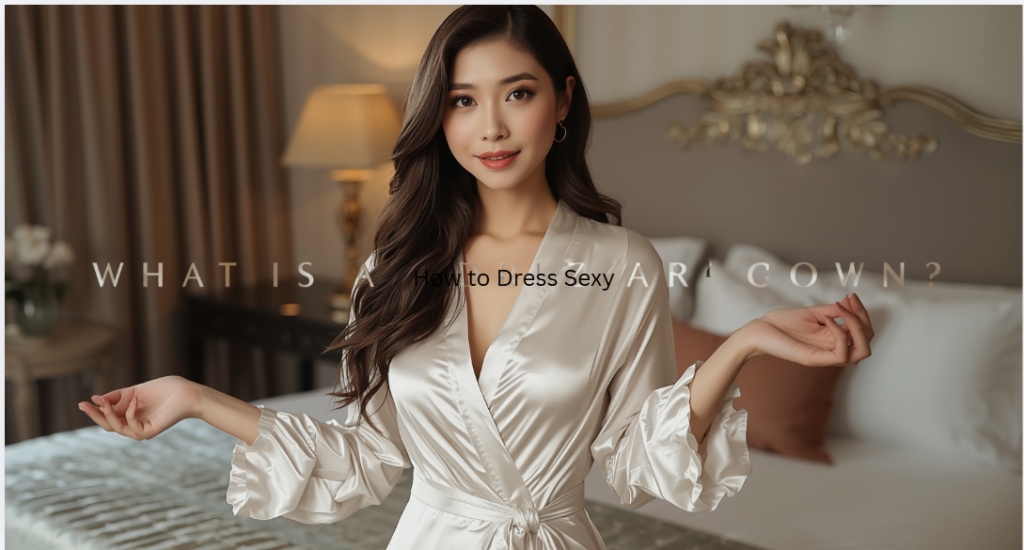
A dressing gown is a loose-fitting robe, usually tied at the waist with a belt, designed to be worn over pajamas or lingerie while at home. Unlike bathrobes, which are primarily made for drying after a shower, dressing gowns are intended for comfort, warmth, and casual indoor elegance.
Key Features of a Dressing Gown
- Loose Fit: Dressing gowns are designed to drape comfortably over the body, allowing freedom of movement.
- Belt or Tie Closure: Most dressing gowns have a belt or sash to secure the garment at the waist.
- Variety of Materials: From soft cotton and silk to plush velour and fleece, dressing gowns come in many fabrics.
- Length Options: They can range from short thigh-length robes to full-length gowns that reach the ankles.
- Collar and Sleeve Styles: Shawl collars, kimono sleeves, and cuffs are common features that enhance comfort and style.
The dressing gown is more than just a piece of clothing—it is a symbol of relaxation, elegance, and at-home luxury.
History of the Dressing Gown

Understanding what is a dressing gown also requires looking into its historical origins.
Origins
- 18th Century Europe: Dressing gowns originated in Europe as informal garments for men, inspired by Eastern robes brought back from trade with Asia. These early gowns were called “robes de chambre” and were worn at home for lounging.
- 19th Century Expansion: By the Victorian era, dressing gowns became popular among both men and women. They were often made of silk or velvet and embroidered with intricate designs.
- Influence of Oriental Fashion: The kimono-style dressing gown became a fashion trend in Europe and America, blending Japanese aesthetics with Western comfort.
Modern Dressing Gowns
Today, dressing gowns are designed for both comfort and fashion, suitable for lounging, reading, enjoying breakfast, or even working from home in style. Designers now create luxury versions for spa-like experiences, casual homewear, and even stylish alternatives to sleepwear for video calls.
Types of Dressing Gowns
Dressing gowns come in multiple styles, fabrics, and lengths to suit different preferences and needs.
1. Cotton Dressing Gowns
- Material: Soft, breathable cotton, sometimes blended with polyester.
- Best For: Everyday use, warmer climates, or layering over sleepwear.
- Advantages: Lightweight, easy to wash, comfortable, and durable.
- Style Tips: Pair with cotton slippers or cozy socks for a casual, relaxed look.
2. Silk Dressing Gowns
- Material: Smooth, flowing silk or satin.
- Best For: Luxury, elegance, or special at-home occasions.
- Advantages: Soft, lightweight, and breathable; adds sophistication.
- Style Tips: Ideal for morning routines, intimate settings, or lounging in style.
3. Fleece Dressing Gowns
- Material: Plush, thick fleece or velour.
- Best For: Winter months or colder climates.
- Advantages: Provides warmth and coziness; perfect for chilly mornings or evenings.
- Style Tips: Combine with slippers or a matching fleece scarf for maximum comfort.
4. Terrycloth Dressing Gowns
- Material: Absorbent terry cotton or towel-like fabric.
- Best For: After baths or showers; spa-like experiences.
- Advantages: Soft, absorbent, and comfortable for post-shower wear.
- Style Tips: Ideal for morning routines or relaxing in spa settings.
5. Kimono-Style Dressing Gowns
- Material: Lightweight fabrics such as silk, satin, or cotton.
- Best For: Fashion-forward wear or inspired by Japanese aesthetics.
- Advantages: Flowing sleeves and open front enhance comfort and elegance.
- Style Tips: Wear over loungewear, paired with a belt or sash for a stylish at-home look.
6. Wool or Cashmere Dressing Gowns
- Material: Warm wool, merino, or luxurious cashmere.
- Best For: Winter or cold climates, providing extra insulation.
- Advantages: Soft, warm, and luxurious; perfect for a cozy evening by the fireplace.
- Style Tips: Pair with warm socks or slippers for a spa-like winter experience.
Dressing Gown Lengths
Dressing gowns come in various lengths to suit personal preferences and comfort.
1. Short Dressing Gowns
- Typically end above the knee or mid-thigh.
- Ideal for casual lounging or warmer weather.
- Provides ease of movement and a youthful, playful style.
2. Midi Dressing Gowns
- Reach the knees or mid-calf.
- Perfect for moderate coverage, blending comfort with elegance.
- Versatile for homewear or even casual home office attire.
3. Full-Length Dressing Gowns
- Extend to the ankles or floor.
- Offer maximum warmth and a luxurious, dramatic aesthetic.
- Often used in colder climates or for special at-home lounging experiences.
Materials and Fabric Selection
The choice of material affects comfort, warmth, appearance, and care requirements.
- Cotton: Breathable, soft, easy to maintain.
- Silk/Satin: Luxurious, smooth, ideal for elegant lounging.
- Fleece/Velour: Warm, cozy, plush texture for colder weather.
- Terrycloth: Absorbent, practical for post-bath use.
- Cashmere/Wool: Soft, warm, high-end comfort, often pricier.
Selecting the right material depends on personal needs, climate, and how the dressing gown will be used—whether for daily wear, luxury comfort, or post-bath relaxation.
Dressing Gowns for Men vs. Women
Dressing gowns are designed for both men and women, with some differences in style, cut, and fabric.
Men’s Dressing Gowns
- Typically feature straight lines, subdued colors, and larger sizes for comfort.
- Common fabrics: cotton, fleece, wool, terry cloth.
- Styles may include shawl collars, hoods, or pockets for practicality.
Women’s Dressing Gowns
- Often tailored for a feminine silhouette with belt cinching and flowing sleeves.
- Common fabrics: silk, satin, cotton, fleece.
- Styles may include lace trims, floral prints, kimono sleeves, and luxurious textures.
Many unisex dressing gowns are available, offering comfort and style regardless of gender.
Styling Tips for Dressing Gowns
A dressing gown can be styled in many ways, depending on comfort, occasion, and personal taste.
1. Morning Routine
- Pair a cotton or silk dressing gown with matching slippers.
- Use a lightweight robe for breakfast, reading, or working from home.
2. Evening Relaxation
- Choose a plush fleece or wool dressing gown for warmth.
- Add soft socks or indoor slippers for maximum comfort.
- Ideal for watching TV, reading, or winding down.
3. Luxury or Spa Feel
- Opt for silk or satin gowns for an elegant at-home experience.
- Pair with minimal accessories and soft lighting for a calming environment.
4. Layering
- Dressing gowns can be layered over pajamas, leggings, or loungewear.
- Lightweight gowns work well over shorts or camisoles during warm seasons.
- Heavier fabrics complement sweaters and long-sleeve loungewear in winter.
5. Color Coordination
- Neutral colors like beige, gray, or cream create a minimalist aesthetic.
- Bold colors like red, navy, or emerald add a luxurious feel.
- Patterns such as stripes, florals, or geometric prints enhance personal style.
Occasions to Wear a Dressing Gown
Dressing gowns are not limited to any single use. They can be worn for:
- Morning and Evening Routines: Perfect for easing into the day or winding down at night.
- After Bath or Shower: Terrycloth or fleece gowns absorb moisture and provide warmth.
- Lounging at Home: Ideal for reading, watching TV, or casual indoor activities.
- Home Office Wear: Lightweight or silk gowns can double as comfortable yet stylish attire for working from home.
- Spa or Self-Care Days: Enhance relaxation with luxurious materials and textures.
- Travel or Hotel Stays: Lightweight dressing gowns are convenient and practical for trips.
Modern Trends in Dressing Gowns
Dressing gowns have evolved from purely functional garments to fashion statements.
1. Designer Dressing Gowns
- Luxury brands now create high-end gowns with silk, satin, or cashmere.
- Embellishments, embroidery, and prints enhance aesthetic appeal.
2. Unisex and Gender-Fluid Designs
- Many modern gowns are designed to be unisex, emphasizing comfort over gender norms.
- Bold colors, unique patterns, and oversized fits reflect contemporary fashion trends.
3. Sustainable Materials
- Eco-friendly fabrics such as organic cotton, bamboo, and recycled fibers are increasingly popular.
- Combines comfort, style, and environmental consciousness.
4. Home-to-Street Fashion
- Some fashion-forward dressing gowns are styled as outerwear, paired with casual outfits and accessories.
- Transitioning from lounge wear to street style is a growing trend among influencers and fashion enthusiasts.
Care and Maintenance of Dressing Gowns
Maintaining a dressing gown depends on the fabric:
- Cotton: Machine washable, tumble dry low, or air dry.
- Silk/Satin: Hand wash or delicate cycle; avoid harsh detergents.
- Fleece/Velour: Machine washable; avoid high heat to maintain softness.
- Terrycloth: Wash regularly to maintain absorbency; tumble dry low.
- Wool/Cashmere: Hand wash or dry clean for longevity.
Proper care ensures longevity, maintains softness, and keeps the garment looking elegant over time.
Dressing gowns are more than just robes—they are a combination of tradition, comfort, style, and self-expression. Understanding what is a dressing gown, its history, types, fabrics, lengths, styling, and modern trends helps anyone choose the perfect gown for relaxation, luxury, or at-home elegance. From casual cotton robes to luxurious silk or fleece options, dressing gowns remain a versatile and timeless wardrobe essential.
Here’s a detailed FAQ section and conclusion for your article on “what is a dressing gown”:
Frequently Asked Questions (FAQs)
1. What is a dressing gown?
A dressing gown is a loose-fitting robe worn over pajamas, lingerie, or undergarments, primarily for comfort, warmth, and modesty at home. Unlike bathrobes, which are intended for drying off after a shower, dressing gowns are designed for lounging, relaxation, and at-home style.
2. Who can wear a dressing gown?
Anyone can wear a dressing gown. There are styles available for men, women, and unisex designs suitable for any age or body type. Dressing gowns provide comfort, elegance, and a sense of luxury regardless of gender.
3. What fabrics are used for dressing gowns?
Dressing gowns come in a variety of fabrics:
- Cotton: Lightweight, breathable, and ideal for everyday wear.
- Silk or Satin: Luxurious, smooth, and perfect for elegant lounging.
- Fleece or Velour: Warm and plush for colder months.
- Terrycloth: Absorbent and ideal for post-bath relaxation.
- Wool or Cashmere: Soft, warm, and high-end comfort for winter.
4. How long should a dressing gown be?
Dressing gowns are available in short, midi, and full lengths:
- Short: Thigh-length, casual and playful.
- Midi: Knee to mid-calf, versatile and elegant.
- Full-Length: Ankle or floor-length, luxurious and warm.
5. Can dressing gowns be stylish?
Absolutely. Modern dressing gowns come in a wide range of colors, prints, and designs. Silk and satin gowns add elegance, while patterned cotton or fleece gowns provide cozy style. Dressing gowns can be accessorized with slippers, belts, or robes for a chic at-home look.
6. How do I care for my dressing gown?
Care depends on the fabric:
- Cotton: Machine washable, tumble dry low.
- Silk/Satin: Hand wash or delicate cycle; avoid harsh detergents.
- Fleece/Velour: Machine wash cold, avoid high heat.
- Wool/Cashmere: Hand wash or dry clean.
- Terrycloth: Wash regularly to maintain absorbency; tumble dry low.
7. When should I wear a dressing gown?
Dressing gowns are perfect for:
- Morning or evening routines at home
- Lounging and relaxation
- After bathing or showering (especially terrycloth gowns)
- Spa or self-care days
- Home office or casual indoor wear
8. Are dressing gowns suitable for men and women?
Yes. There are designs specifically tailored for men and women, but many are unisex. Men’s gowns tend to have straight lines and subdued colors, while women’s gowns may feature belts, lace trims, and flowing sleeves.
9. Can dressing gowns be worn outside the home?
While traditionally meant for home use, some modern styles—particularly lightweight silk or kimono-inspired gowns—can be styled as casual outerwear or layered with everyday clothing for a trendy, fashion-forward look.
Conclusion
Dressing gowns are a timeless garment that combines comfort, elegance, and versatility. Understanding what is a dressing gown allows you to appreciate its history, types, fabrics, and styling potential. From casual cotton robes for everyday wear to luxurious silk or fleece options for ultimate comfort, dressing gowns cater to a wide range of needs and preferences.
They provide warmth, modesty, and relaxation, making them essential for morning routines, evening wind-downs, spa days, or even home office comfort. With modern trends embracing unisex designs, sustainable fabrics, and fashion-forward styles, dressing gowns have evolved from traditional homewear to a statement of personal style and self-care.
Choosing the right dressing gown, pairing it with accessories, and maintaining it properly ensures long-lasting comfort and a touch of luxury every day. Embracing a dressing gown not only enhances at-home comfort but also offers an opportunity to combine style, functionality, and relaxation in one timeless piece.