
When people ask what are the muslim dresses called, they are seeking more than just garment names — they are exploring the cultural, religious, and historical meanings behind the clothing worn by Muslim communities around the world. Islam is a global religion with over a billion adherents, and its dress traditions reflect diversity, identity, modesty principles, and local heritage. Understanding what are the muslim dresses called requires examining not only the most common items of clothing but also how language, tradition, and culture influence the names, styles, and variations of Muslim dress. In this guide, you will discover detailed explanations of individual garments, regional variations, modern adaptations, and the socio-religious context that shapes Muslim fashion.
The Core of Muslim Dress: Modesty and Purpose
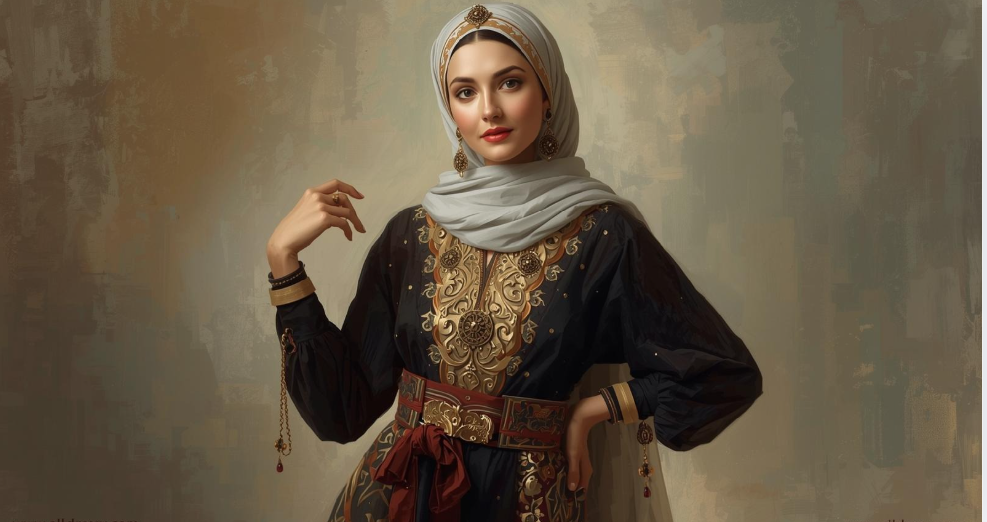
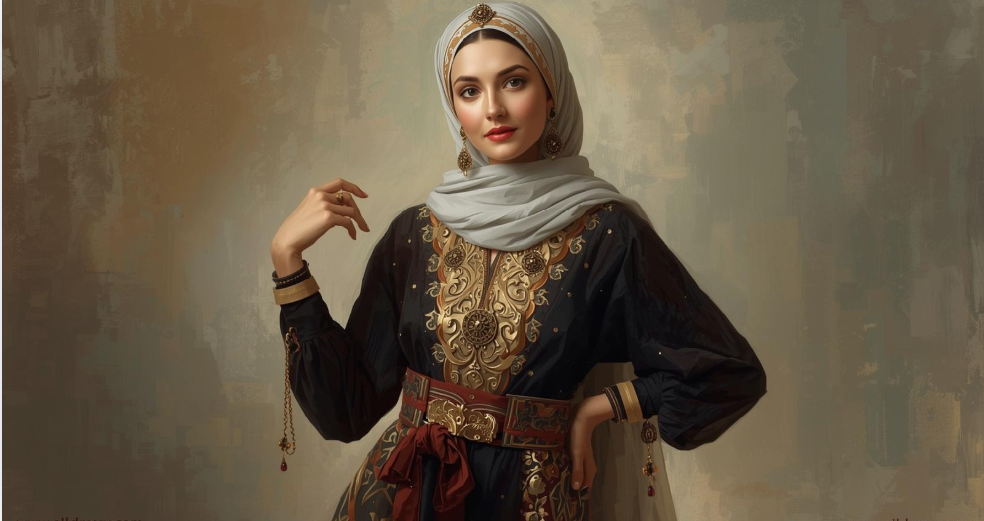
Before diving into what are the muslim dresses called, it’s essential to understand why these garments exist. Islamic teachings emphasize modesty (known as haya). While interpretations vary across communities, modest dress generally involves:
- Covering parts of the body considered private (awrah)
- Avoiding tight or revealing clothing
- Dressing respectfully in public spaces
For many Muslims, dress is a physical expression of faith and identity. What clothing is appropriate and what these items are called differ by culture, language, and tradition. Answering what are the muslim dresses called means exploring both universal categories and region-specific names.
The Most Common Muslim Garments and What They Are Called
1. Hijab — The General Headscarf
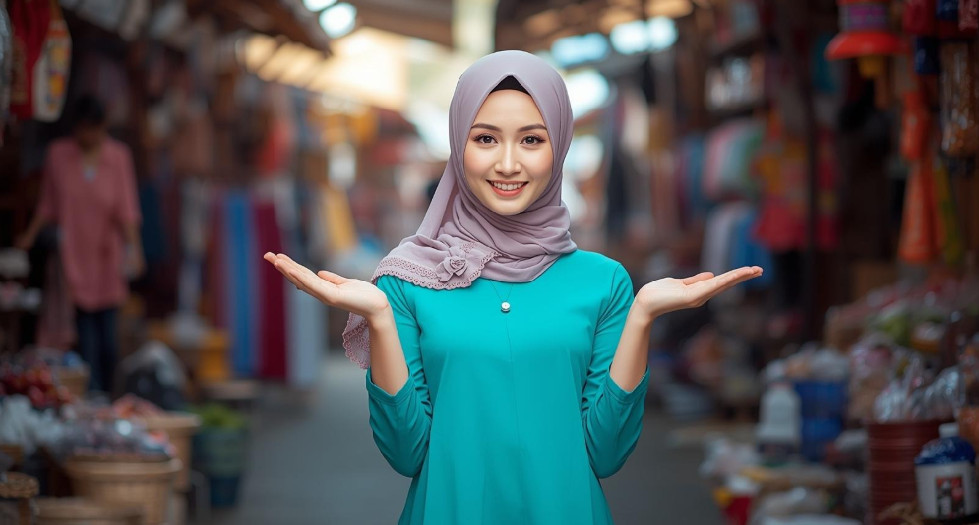
When people ask what are the muslim dresses called, one of the first items they think of is the hijab. The hijab refers to a headscarf worn by many Muslim women to cover the hair, neck, and sometimes shoulders — symbolizing modesty and privacy. It comes in many fabrics, styles, and colors.
In everyday language, “hijab” can also refer broadly to the principle of modest dressing, but in fashion terms it specifically names the head covering worn by women.
2. Abaya — The Long Outer Robe
One of the most recognizable garments in discussions of what are the muslim dresses called is the abaya. The abaya is a long, loose-fitting robe typically worn by women in the Middle East, North Africa, and parts of South Asia. It is designed to cover the body from shoulders to feet, providing modesty while allowing comfortable movement.
Abayas today come in a range of styles — from simple black designs to elaborately decorated modern versions with embroidery and embellishment.
3. Thobe / Thawb / Dishdasha — The Men’s Long Robe
A common answer to what are the muslim dresses called for men is the thobe (also spelled thawb or known regionally as dishdasha). This item is a long garment extending to the ankles, worn by men in the Arabian Peninsula and beyond.
Thobes are typically lightweight and designed for hot climates, but they are also worn in cooler regions with heavier fabrics. They come in white, neutral shades, and occasionally darker colors.
4. Jilbab — Outer Garment for Women
The jilbab is often mentioned when discussing what are the muslim dresses called. It refers to a long, loose over-garment that covers the body, similar to the abaya but with regional distinctions in cut and style.
In some contexts, jilbab can be more structured than abayas and may include different patterns or layered designs.
5. Niqab — The Face Covering
When people inquire what are the muslim dresses called, some are specifically referring to the niqab. The niqab is a face veil worn by some Muslim women that leaves only the eyes visible.
The niqab is worn in addition to other garments like the abaya or jilbab and varies by region and custom.
6. Burqa / Chador — Full-Coverage Outerwear
Across global Muslim traditions, different names exist for full-coverage garments. Two well-known terms often appear in answers to what are the muslim dresses called:
- Burqa: A full-body covering that includes a mesh screen over the eyes — most commonly associated with parts of South Asia.
- Chador: A large cloak worn by women in Iran, draped over the head and body but typically without a face veil.
While similar in purpose, these garments have distinct cultural and stylistic identities.
Regional Variations: What Are the Muslim Dresses Called Around the World
Understanding what are the muslim dresses called requires looking at regional differences. Muslim dress styles evolve alongside culture, climate, and tradition.
Saudi Arabia and the Gulf — Abaya and Thobe
In Saudi Arabia, the abaya for women and the thobe for men represent classical dress styles. Women’s abayas are often black, though modern fashion has introduced colors and patterns. Men’s thobes are traditionally white.
North Africa — Djellaba and Gandoura
In countries like Morocco and Algeria, dresses known as djellaba and gandoura are common responses to questions about what are the muslim dresses called. These garments are loose-fitting robes that can be worn by men and women and suit the local climate.
South Asia — Shalwar Kameez and Burqa
In Pakistan, Afghanistan, and parts of India, the shalwar kameez is a frequent answer to what are the muslim dresses called. This ensemble includes loose pants (shalwar) and a long shirt (kameez). Women may pair this with a dupatta (long scarf) or a burqa for fuller coverage.
Indonesia and Malaysia — Baju Kurung and Kebaya Muslim
In Southeast Asia, particularly Indonesia and Malaysia, Muslim dress names include:
- Baju kurung: A long tunic and skirt for women.
- Kebaya Muslim: A modest version of the traditional kebaya, often paired with a hijab.
- Baju Melayu: A traditional outfit for men, often worn with a samping (waist wrap).
Each of these styles answers the question what are the muslim dresses called in the context of local tradition and culture.
West Africa — Boubou and Kaftan
In West African Muslim communities, garments like the boubou or kaftan are common records in responses to what are the muslim dresses called. These are loose, flowing robes for men and women, often made with vibrant fabrics.
Turkey — Tesettür
In Turkey, the concept of modest dress is called tesettür, and includes items like:
- Long tunics
- Wide-leg trousers
- Headscarves adapted to fashion trends
This modern interpretation of modest dress is a key part of answering what are the muslim dresses called in Turkish Muslim society.
The Linguistic Side of Muslim Dress Names
When exploring what are the muslim dresses called, it’s important to appreciate linguistic diversity. The same garment can have different names based on language and dialect. For example:
- Thobe, Thawb, and Dishdasha all refer to similar garments in Arabic-speaking regions.
- Shalwar Kameez in Urdu and Hindi refers to traditional South Asian dress.
- Baju Kurung is Malay/Indonesian.
These variations demonstrate that what are the muslim dresses called depends on cultural and linguistic context, not just religion.
Modern Adaptations: What Are the Muslim Dresses Called in Contemporary Fashion?
Muslim dress is not static. Today’s global fashion landscape includes designers and brands that reinterpret classic garments. When people ask what are the muslim dresses called today, they often include:
Modest Fashion Collections
Contemporary designers create lines that merge modesty with runway trends. Elements include:
- Tailored abayas with modern cuts
- Embellished hijabs in luxury fabrics
- Layered tunics with innovative silhouettes
These fashion pieces honor tradition while appealing to modern aesthetics, broadening what people think of when they ask what are the muslim dresses called.
Street Style Modest Wear
Everyday Muslim dress increasingly blends casual wear with modest principles. Examples include:
- Long cardigans over jeans
- Oversized shirts paired with wide trousers
- Sport-inspired modest outfits
While names may vary, the underlying question — what are the muslim dresses called — now includes fashion categories beyond traditional garments.
Influencer and Urban Muslim Style
Social media personalities have influenced modern Muslim wardrobes by mixing classic garments with global trends. This means:
- Hijab paired with denim jackets
- Abaya styled like a trench coat
- Contemporary sneakers with modest attire
These adaptations expand contemporary answers to what are the muslim dresses called.
Islamic Dress Codes: Religious Principles Behind the Names
Knowing what are the muslim dresses called is incomplete without understanding the religious foundation that inspires them. Islamic dress principles are based on guidance from the Qur’an and Prophet Muhammad’s teachings, emphasizing:
Modesty for Men and Women
For women, modest dress often includes:
- Covering the body except for the face and hands (varies by interpretation)
- Wearing loose, non-transparent clothing
For men, modest dress includes:
- Covering from navel to knees at minimum
- Wearing non-revealing attire
These principles shape what are the muslim dresses called, since the names are tied to clothing that meets modesty criteria.
Cultural Interpretation of Religious Dress
Different Muslim communities interpret modesty differently. For example, a woman in Indonesia may consider a long tunic and headscarf modest, while a woman in Saudi Arabia may wear an abaya with a niqab. In both cases, the question what are the muslim dresses called yields different names but reflects a shared value of modesty.
Gender Differences in Muslim Dress: What Are the Muslim Dresses Called for Men vs Women?
Understanding what are the muslim dresses called also requires distinguishing between male and female garments:
Women’s Muslim Dress
For women, answers to what are the muslim dresses called often include:
- Hijab
- Abaya
- Niqab
- Chador
- Burqa
- Jilbab
- Shalwar Kameez with Dupatta
- Baju Kurung
These garments prioritize full-body coverage and versatility for daily life and special occasions.
Men’s Muslim Dress
For men, common responses to what are the muslim dresses called include:
- Thobe / Thawb / Dishdasha
- Kandura (Gulf region)
- Baju Melayu
- Shalwar Kameez
- Djellaba
- Kaftan
These items often reflect comfort and modesty while respecting regional identity.
Special Occasions and What Muslim Dresses Are Called
Certain garments are worn specifically for festivals, celebrations, or life events. Knowing what are the muslim dresses called in these contexts demonstrates cultural richness.
Eid and Religious Celebrations
For Eid occasions, many Muslims wear their finest traditional dress:
- Women may wear decorated abayas, embroidered jilbabs, or festive salwar kameez
- Men may wear embroidered thobes or tailored baju Melayu
These outfits are named according to cultural tradition and religious celebration, further expanding what what are the muslim dresses called can include.
The Role of Color, Fabric, and Ornamentation
While the question what are the muslim dresses called centers on names, understanding how color and fabric affect Muslim dress adds depth:
Plain vs Embroidered Garments
Some Muslim dresses are simple and unadorned, while others display intricate embroidery or beadwork — especially for special events. Terms like:
- Embroidered abaya
- Beaded jilbab
- Silk thobe
describe variations that still fall under names people seek when asking what are the muslim dresses called.
Seasonal Fabrics
Climate influences choice of Muslim dress:
- Lightweight cotton in tropical regions
- Heavier wool blends in colder climates
This practical side of dress influences how communities refer to garments when answering what are the muslim dresses called.
Preservation of Tradition vs Modern Interpretation
Understanding what are the muslim dresses called also involves recognizing how dress evolves. Some communities maintain long-held garment styles, while others adapt names and designs for contemporary life. For example:
- Traditional garments retain classic names
- Modern brands may use hybrid names to describe modest fashion
- Language evolves as Muslim dress enters global fashion lexicons
This dynamic interplay between heritage and innovation makes the question what are the muslim dresses called rich and multifaceted.
Social and Cultural Identity Through Muslim Dress Names
Clothing names reflect identity, history, and cultural pride. When people ask what are the muslim dresses called, they are often exploring:
- How garments reinforce cultural belonging
- How names carry heritage
- How Muslim communities express values through dress
From hijab to thobe, each garment name embodies a story — a blend of religion, language, and tradition.
Economic and Fashion Industry Impact on Muslim Dress Naming
The global fashion industry has a growing modest fashion segment. Labels now incorporate Muslim dress elements into ready-to-wear collections. Contemporary designers influence what people think of when they ask what are the muslim dresses called, because they:
- Expand garment categories
- Introduce fusion styles
- Adapt traditional names for global audiences
Frequently Asked Questions (FAQs)
What are the most common Muslim dresses called?
The most common Muslim dresses include the hijab, abaya, jilbab, niqab, burqa, and chador for women, and the thobe, dishdasha, baju Melayu, shalwar kameez, and kaftan for men. These garments vary by region, culture, and tradition.
Is hijab the same as abaya?
No, hijab and abaya are different. The hijab is a headscarf that covers the hair and neck, while the abaya is a long outer robe that covers the body from shoulders to feet. Both are worn to maintain modesty.
What are Muslim dresses called in South Asia?
In South Asia, Muslim women commonly wear shalwar kameez with a dupatta or burqa, while men often wear shalwar kameez or traditional long tunics. These garments reflect both Islamic modesty and regional culture.
What are Muslim dresses called in the Middle East?
In the Middle East, women commonly wear the abaya, niqab, or chador, while men wear the thobe or dishdasha. These styles are adapted to the climate and cultural traditions of the region.
Are Muslim dress names the same in every country?
No, the names of Muslim dresses change based on language, culture, and tradition. For example, the same type of robe may be called a thobe, kandura, or dishdasha depending on the country.
Do Muslim men also have modest dress rules?
Yes, Muslim men also follow modesty guidelines. They are encouraged to dress respectfully, cover certain parts of the body, and avoid revealing or tight clothing. Traditional garments like the thobe or baju Melayu reflect these values.
Are modern Muslim dresses different from traditional ones?
Modern Muslim dresses often blend traditional modesty with contemporary fashion. While the names may remain the same, the designs, fabrics, and styles have evolved to match modern trends.
Can Muslim dresses be colorful and stylish?
Yes, Muslim dresses can be colorful and fashionable while still being modest. Many modern abayas, jilbabs, and shalwar kameez outfits feature vibrant colors, embroidery, and stylish cuts.
What is the difference between burqa and niqab?
The burqa covers the entire face and body, including the eyes with a mesh screen, while the niqab covers the face but leaves the eyes visible. Both are worn with other modest clothing.
Why do Muslim dresses vary so much across cultures?
Muslim dress reflects local culture, climate, and traditions. While modesty principles are shared, the clothing styles and names adapt to regional identities and lifestyles.
Conclusion
Understanding what are the muslim dresses called offers insight into the rich diversity of Islamic culture, tradition, and identity. Muslim clothing is not limited to a single style or name; instead, it reflects centuries of history, regional customs, and religious values. From the hijab and abaya to the thobe, shalwar kameez, and baju Melayu, each garment represents a unique blend of faith and cultural expression.
These dresses serve more than a functional purpose—they symbolize modesty, respect, and personal identity within Muslim communities. As fashion evolves, Muslim dress continues to adapt, combining traditional values with modern design while preserving its cultural roots.
By exploring the names, meanings, and variations of Muslim clothing, we gain a deeper appreciation for how attire connects people to their heritage, beliefs, and global community.