

Ranch dressing is one of the most popular condiments in the United States, loved for its creamy texture, tangy flavor, and versatility. Whether it’s drizzled over a salad, used as a dip for vegetables, or paired with chicken wings, ranch dressing is a staple in many households. But for those with celiac disease or gluten sensitivity, one question is especially important: is ranch dressing gluten free?
Gluten, a protein found in wheat, barley, and rye, can cause serious health issues for people with celiac disease or gluten intolerance. Even trace amounts of gluten can trigger symptoms such as digestive discomfort, fatigue, and long-term intestinal damage. Understanding whether ranch dressing contains gluten requires examining ingredients, manufacturing practices, and potential cross-contamination risks.
This comprehensive guide explores everything you need to know about is ranch dressing gluten free, including ingredient analysis, store-bought vs. homemade options, tips for gluten-sensitive individuals, and the broader context of gluten in condiments.
What is Ranch Dressing?

Before determining is ranch dressing gluten free, it’s important to understand what ranch dressing is and how it’s made.
Ranch dressing is a creamy condiment traditionally made from a base of mayonnaise, buttermilk, or sour cream. It is flavored with a mixture of herbs and spices, commonly including:
- Garlic
- Onion
- Chives
- Dill
- Parsley
- Black pepper
Additional ingredients may include vinegar or lemon juice for acidity, salt, and sugar to enhance flavor. Commercial versions often contain stabilizers, preservatives, and other additives to improve shelf life and consistency.
Because ranch dressing is a combination of dairy, herbs, and seasoning, it is not naturally high in gluten. However, the potential for gluten depends on added ingredients and manufacturing practices.
Understanding Gluten and Its Sources
Gluten is a protein found in wheat, barley, and rye. It is commonly found in bread, pasta, baked goods, and certain sauces or seasonings. People with celiac disease must avoid gluten completely, while those with gluten sensitivity need to limit their intake to prevent symptoms.
In condiments like ranch dressing, gluten can appear in unexpected ways:
- Modified food starch: Often used as a thickener. If derived from wheat, it contains gluten.
- Soy sauce: Sometimes used in seasoning blends; traditional soy sauce is brewed with wheat.
- Malt vinegar or barley-derived ingredients: Rare, but possible in some commercial formulations.
- Cross-contamination: Shared manufacturing equipment may introduce trace gluten.
Understanding these potential sources is critical when evaluating whether a product is safe for gluten-free diets.
Is Ranch Dressing Gluten Free?
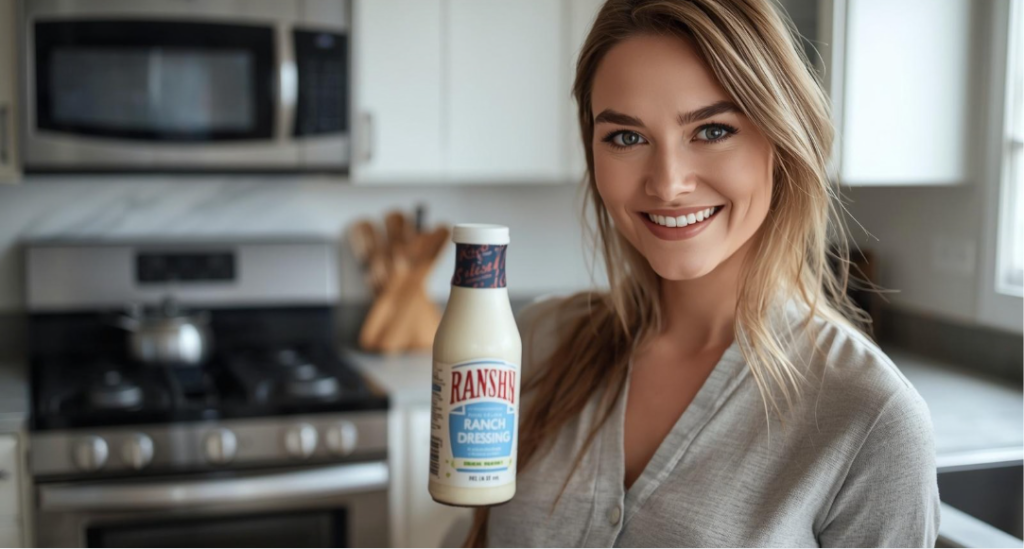
The answer depends on the brand and preparation method. Many store-bought ranch dressings are indeed gluten-free, but it is essential to read labels carefully.
Gluten-Free Brands
Some well-known ranch dressing brands explicitly label their products as gluten-free. These products undergo rigorous testing to ensure no gluten contamination and typically avoid gluten-containing thickeners or flavorings.
Examples of ingredients that are safe in gluten-free ranch dressings include:
- Mayonnaise or vegetable oil
- Buttermilk or sour cream
- Garlic and onion powder (from gluten-free sources)
- Herbs like dill, parsley, and chives
Always look for a certified gluten-free label, as this ensures the product has met strict testing standards.
Ingredients to Watch
Even if a ranch dressing does not contain obvious gluten sources, you should be cautious of:
- Maltodextrin (sometimes derived from wheat)
- Hydrolyzed wheat protein
- Flavoring blends that may contain gluten
- Cross-contact warnings such as “processed in a facility that also handles wheat”
Checking labels and contacting manufacturers can provide clarity if you are unsure.
Homemade Ranch Dressing: A Safe Alternative
One of the best ways to guarantee that your ranch dressing is gluten-free is to make it at home. Homemade ranch dressing allows full control over the ingredients, ensuring no hidden gluten sources.
Basic Gluten-Free Ranch Recipe
Ingredients:
- 1 cup mayonnaise (gluten-free)
- 1/2 cup buttermilk
- 1 teaspoon garlic powder
- 1 teaspoon onion powder
- 1 teaspoon dried dill
- 1 teaspoon dried parsley
- 1/2 teaspoon salt
- 1/4 teaspoon black pepper
- Optional: 1 teaspoon lemon juice or vinegar
Instructions:
- In a bowl, combine mayonnaise and buttermilk.
- Add garlic powder, onion powder, dill, parsley, salt, and pepper.
- Mix thoroughly until smooth.
- Add lemon juice or vinegar for extra tang if desired.
- Refrigerate for at least 30 minutes before serving to allow flavors to blend.
Homemade ranch not only guarantees a gluten-free option but also allows customization of flavor, thickness, and herb combinations.
Store-Bought Ranch Dressings: What to Look For
When shopping for gluten-free ranch dressing, there are several strategies to ensure safety:
Read the Label Carefully
Look for:
- Gluten-free certification
- Ingredients free from wheat, barley, rye, or malt
- Absence of “may contain” warnings for gluten
Check for Additives
Commercial dressings often contain:
- Modified food starch (check if it’s wheat-derived)
- Natural flavors (ask the manufacturer about gluten sources)
- Preservatives and stabilizers
Contact the Manufacturer
If you are uncertain, reaching out to the company can clarify whether the product is safe for celiac or gluten-sensitive individuals. Many companies provide gluten-free assurance for specific products.
Common Misconceptions About Gluten in Ranch
Many people assume that all creamy dressings are gluten-free because their main ingredients—mayonnaise, sour cream, and herbs—do not contain wheat. However, this is not always true.
Flavored Ranch Dressings
Some ranch varieties include additional flavorings such as:
- Bacon bits
- Cheese blends
- Onion or garlic seasoning mixes
- Pepper jack or chipotle flavor
These additions may contain gluten if the seasoning mix includes wheat-derived ingredients or has been cross-contaminated during processing.
Fat-Free or Light Versions
Certain low-fat or reduced-calorie ranch dressings use modified starches or thickeners that may be wheat-based. Always check the ingredient list for these products.
Gluten-Free Dining with Ranch
Understanding is ranch dressing gluten free also matters in restaurants or fast-food settings. While the base dressing may be gluten-free, cross-contact is a real concern.
Tips for Gluten-Safe Dining
- Ask about the ingredients used in the ranch dressing.
- Confirm if the dressing is made in a dedicated gluten-free area.
- Avoid using shared utensils that may have touched gluten-containing foods.
By taking these precautions, you can safely enjoy ranch dressing while minimizing the risk of gluten exposure.
Nutritional Considerations
Many people also ask about the health aspects of ranch dressing while considering gluten. Traditional ranch is rich in fats due to mayonnaise and buttermilk but generally contains little to no gluten. For those following a gluten-free diet, nutritional considerations focus more on:
- Calories from fats
- Sodium content
- Added sugars in commercial varieties
Homemade ranch allows you to control these factors while guaranteeing a gluten-free product.
Special Considerations for Celiac Disease
For individuals with celiac disease, even trace gluten can be harmful. Therefore, the question is ranch dressing gluten free is not just academic—it’s essential for health.
- Always look for certified gluten-free labels.
- Avoid products with “may contain” warnings.
- Consider homemade options to eliminate all doubt.
- Educate friends and family about gluten risks if sharing meals.
By taking these precautions, you can safely include ranch dressing in a celiac-safe diet.
Gluten-Free Ranch Dressing Brands
Several major brands now offer gluten-free ranch options. While availability varies by region, examples include:
- Classic ranch dressings explicitly labeled gluten-free
- Organic or natural dressings that avoid wheat-based additives
- Specialty flavored ranch dressings that carry gluten-free certification
When choosing store-bought options, always verify the product label, as formulations can change over time.
Cross-Contamination Risks
Even when a ranch dressing is technically gluten-free, cross-contamination is a concern, particularly in shared manufacturing facilities. Gluten can spread through:
- Shared mixers or production lines
- Shared storage containers
- Shared utensils in restaurants or kitchens
Understanding these risks helps people with celiac disease or gluten sensitivity make informed choices about ranch dressing consumption.
Final Thoughts on Ranch and Gluten
Ranch dressing can be a safe and delicious addition to a gluten-free diet if you pay attention to ingredients, labeling, and preparation. Homemade recipes provide the most control, while certified gluten-free commercial dressings offer convenience. Awareness of cross-contamination and hidden gluten sources is crucial for maintaining a safe diet.
Whether drizzled over a salad, served as a dip, or paired with favorite dishes, gluten-free ranch dressing allows individuals with dietary restrictions to enjoy the creamy, tangy flavors of this beloved condiment without worry.
With careful selection and informed choices, anyone can answer the question is ranch dressing gluten free with confidence, ensuring both delicious meals and safe eating.
Frequently Asked Questions (FAQs)
1. Is ranch dressing naturally gluten-free?
Yes, the basic ingredients in ranch dressing—mayonnaise, buttermilk, herbs, and spices—are naturally gluten-free. However, commercial products may include additives or flavorings that contain gluten, so it’s important to check the label.
2. How can I tell if a store-bought ranch dressing is gluten-free?
Look for a certified gluten-free label on the packaging. Also, read the ingredient list carefully to ensure it does not contain wheat, barley, rye, malt, or modified food starch derived from gluten.
3. Can I make gluten-free ranch dressing at home?
Absolutely. Homemade ranch allows you to control all ingredients, ensuring no hidden gluten sources. Use gluten-free mayonnaise, buttermilk, and herbs for a safe and delicious option.
4. Are flavored or specialty ranch dressings gluten-free?
Not always. Flavored varieties like bacon ranch, chipotle ranch, or ranch with cheese may contain gluten in seasoning mixes or additives. Always check the label or contact the manufacturer to confirm.
5. Can people with celiac disease safely eat ranch dressing?
Yes, if the product is certified gluten-free or made at home with gluten-free ingredients. Avoid dressings that come with “may contain wheat” warnings or are made in shared facilities without proper safeguards.
6. What are common hidden sources of gluten in ranch dressing?
Watch for ingredients like maltodextrin (from wheat), hydrolyzed wheat protein, soy sauce, malt vinegar, or natural flavors that may contain gluten.
7. How do restaurants handle gluten-free ranch dressing?
Restaurants may serve ranch that is gluten-free in ingredients but could be cross-contaminated. Ask staff about preparation, storage, and shared utensils to ensure safety.
8. Can fat-free or light ranch dressings contain gluten?
Yes. Some fat-free or reduced-calorie dressings use modified starches or stabilizers that may be derived from wheat. Always read labels carefully.
9. Is ranch dressing safe for people with gluten sensitivity but not celiac disease?
Yes, but caution is still advised. Even small amounts of gluten can trigger discomfort. Stick to certified gluten-free or homemade ranch dressing.
10. Are there any gluten-free ranch dressing brands I can trust?
Many brands now offer certified gluten-free options, but always double-check the label, as formulations can change. Organic or natural dressings without wheat-based additives are often safe choices.
Conclusion
Ranch dressing can be a delicious and safe addition to a gluten-free diet when chosen carefully. Understanding the ingredients, checking for certified gluten-free labels, and avoiding potential cross-contamination are key steps to ensure safety. Homemade ranch dressing provides full control over ingredients, while many commercial brands now offer gluten-free options that meet strict standards.
By being vigilant about additives, flavored varieties, and restaurant practices, people with celiac disease or gluten sensitivity can confidently enjoy the creamy, tangy flavor of ranch without risking gluten exposure. Ultimately, knowing is ranch dressing gluten free empowers individuals to make informed choices while maintaining a healthy and enjoyable diet.