
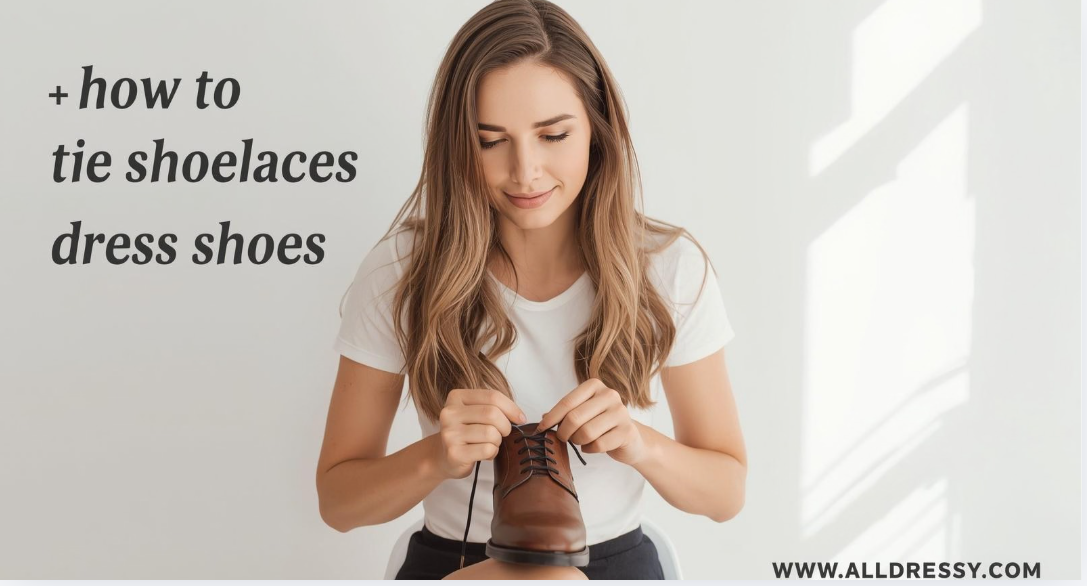
Learning how to tie shoelaces dress shoes properly is an essential skill for anyone who wants to maintain a polished and professional appearance. Dress shoes are designed to complement formal outfits, business attire, and special occasion clothing, and the way the shoelaces are tied plays a significant role in the overall presentation.
Many people overlook the importance of correctly tying shoelaces on dress shoes. However, a poorly tied knot or messy lacing can make even the most expensive shoes look untidy. By understanding how to tie shoelaces dress shoes correctly, you ensure your footwear looks sharp, balanced, and elegant.
This comprehensive guide explores everything you need to know about how to tie shoelaces dress shoes, including proper lacing techniques, step-by-step knot instructions, professional styling tips, and common mistakes to avoid. Whether you are preparing for a business meeting, formal event, or everyday office wear, mastering this skill will help you present a more refined look.
Why Learning How to Tie Shoelaces Dress Shoes Is Important
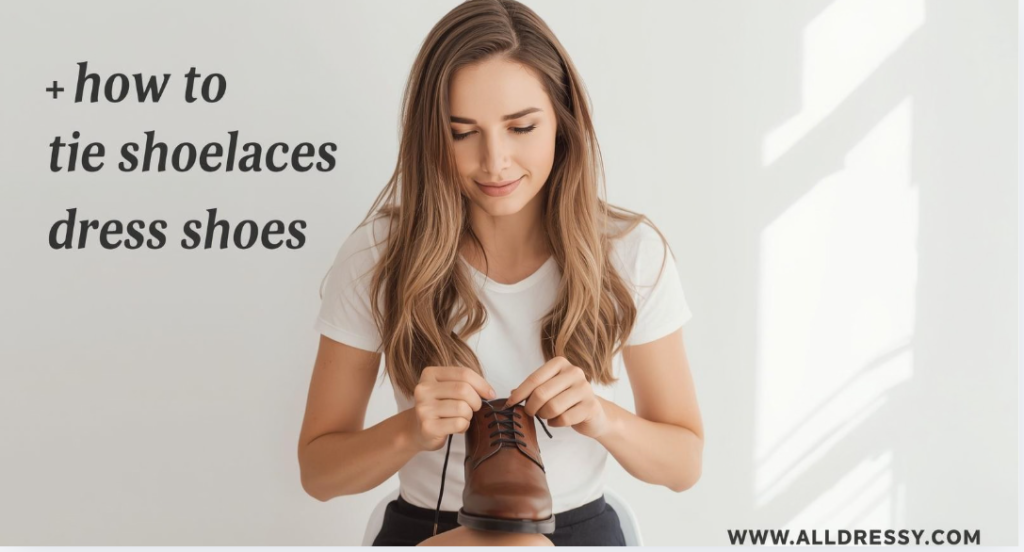
Understanding how to tie shoelaces dress shoes goes beyond basic functionality. It directly affects comfort, durability, and style.
Creates a Professional Appearance
Dress shoes are often worn with suits, business attire, and formal clothing. Properly tied shoelaces keep the shoe structure neat and symmetrical, which enhances the overall outfit.
Improves Shoe Fit
When you learn how to tie shoelaces dress shoes correctly, the shoe fits more securely around your foot. This prevents slipping and improves walking comfort throughout the day.
Protects the Shoe Structure
Loose or uneven lacing can stretch the leather and damage the eyelets over time. Proper lacing ensures that pressure is distributed evenly.
Enhances Longevity of Shoelaces
Correct tying techniques reduce unnecessary friction on shoelaces, helping them last longer without fraying.
Understanding Dress Shoe Lacing Systems
Before learning how to tie shoelaces dress shoes, it’s helpful to understand the different lacing systems used in dress footwear.
Open Lacing System
Open lacing is commonly found on Derby-style dress shoes. The eyelet flaps are separate and sit on top of the shoe.
Characteristics:
- More adjustable fit
- Slightly more casual appearance
- Easier to lace and tighten
This system is common in business casual shoes.
Closed Lacing System
Closed lacing is used in Oxford-style dress shoes. The eyelet flaps are stitched underneath the vamp, creating a sleek look.
Characteristics:
- More formal appearance
- Tighter, cleaner silhouette
- Requires precise lacing technique
Understanding this design helps when learning how to tie shoelaces dress shoes correctly.
Choosing the Right Shoelaces for Dress Shoes

Selecting the correct shoelaces is an important step before mastering how to tie shoelaces dress shoes.
Waxed Shoelaces
Waxed shoelaces are the most common option for dress shoes.
Benefits include:
- Sleek appearance
- Better knot security
- Professional look
These laces hold knots more tightly, making them ideal for formal footwear.
Cotton Shoelaces
Cotton shoelaces are soft and flexible.
Advantages include:
- Comfortable tightening
- Traditional style
- Good grip for knots
Round vs Flat Shoelaces
Round laces are usually used for formal dress shoes because they look more refined.
Flat laces are more common in casual shoes and sneakers.
For the best results when learning how to tie shoelaces dress shoes, round waxed laces are usually the preferred choice.
Step-by-Step Guide: How to Tie Shoelaces Dress Shoes
The classic shoelace knot is the most common method used for dress shoes. Follow these detailed steps to master how to tie shoelaces dress shoes.
Step 1: Start With Even Lace Lengths
Pull both lace ends so they are equal in length.
This ensures the final knot will be balanced and symmetrical.
Step 2: Cross the Laces
Cross the right lace over the left lace.
Pull it underneath to create the base knot.
This step forms the foundation of a secure tie.
Step 3: Tighten the Base Knot
Pull both laces outward to tighten the knot firmly.
Make sure the knot sits centered on the shoe.
Step 4: Create the First Loop
Take one lace and fold it into a loop.
Hold the loop firmly between your fingers.
Step 5: Wrap the Second Lace Around
Wrap the other lace around the base of the loop.
This creates the central knot of the bow.
Step 6: Form the Second Loop
Push the lace through the opening behind the first loop.
Pull gently to form the second loop.
Step 7: Adjust the Loops
Pull both loops outward until the knot becomes secure.
Make sure the loops are equal in size.
You have now completed the classic technique for how to tie shoelaces dress shoes.
Advanced Knot Techniques for Dress Shoes
While the classic bow knot is common, several advanced techniques can improve both security and style.
The Double Knot
The double knot is useful for long days when you want extra security.
Steps:
- Tie a standard bow knot
- Tie the loops together once more
This prevents the shoelaces from loosening during extended walking.
The Surgeon’s Knot
The surgeon’s knot adds extra friction before tying the bow.
Steps include:
- Cross the laces twice before tightening the base knot
- Continue tying a standard bow
This method is useful when learning how to tie shoelaces dress shoes with slippery laces.
The Ian Knot (Fast Knot)
The Ian knot is known as one of the fastest shoelace knots.
Advantages include:
- Quick tying
- Strong hold
- Balanced loops
This technique is popular among people who want efficiency and neatness.
Best Lacing Styles for Dress Shoes
In addition to tying techniques, the lacing pattern also matters when mastering how to tie shoelaces dress shoes.
Straight Bar Lacing
Straight bar lacing is the most elegant lacing style for formal shoes.
Benefits:
- Clean horizontal lines
- Minimal lace visibility
- Professional appearance
This style is often used on Oxford shoes.
Criss-Cross Lacing
Criss-cross lacing is the most common lacing method.
Advantages include:
- Easy to tighten
- Comfortable fit
- Suitable for most shoes
Hidden Knot Lacing
Hidden knot lacing places the bow inside the shoe.
Benefits include:
- Ultra-clean look
- Perfect for formal events
- Minimal visual distraction
Professional Tips for Perfect Dress Shoe Lacing
Professionals who understand how to tie shoelaces dress shoes often follow a few simple styling tricks.
Keep the Bow Horizontal
A proper shoelace bow should sit horizontally across the shoe rather than vertically.
This creates a balanced and polished look.
Trim Excess Lace Length
If your shoelaces are too long, the loops may hang awkwardly.
Choosing the correct lace length improves appearance and comfort.
Replace Worn Shoelaces
Old shoelaces can look dull or frayed.
Replacing them regularly helps maintain a fresh appearance.
Tighten Evenly
Always tighten the laces gradually from bottom to top.
This distributes pressure evenly across the foot.
Common Mistakes When Learning How to Tie Shoelaces Dress Shoes
Even experienced dressers sometimes make mistakes when tying shoelaces.
Avoid these common errors.
Loose Base Knot
A loose base knot makes the bow unstable.
Always tighten the first knot firmly before forming loops.
Uneven Loops
Loops of different sizes create an unbalanced look.
Adjust both loops carefully after tying.
Twisted Laces
Twisted laces look messy and reduce knot security.
Flatten the laces before tightening them.
Overly Tight Lacing
Laces that are too tight can cause discomfort and damage the shoe.
Aim for a snug but comfortable fit.
Maintaining Your Dress Shoes After Tying Shoelaces
Proper shoe maintenance supports the results of mastering how to tie shoelaces dress shoes.
Store Shoes Properly
Use shoe trees to maintain the shape of leather shoes.
Clean Laces Regularly
Dirty laces reduce the elegance of dress shoes.
Wash or replace them periodically.
Polish the Shoes
Well-polished shoes complement neatly tied laces.
Regular polishing maintains a professional appearance.
Styling Dress Shoes for Different Occasions
Knowing how to tie shoelaces dress shoes also helps when preparing for different events.
Business Meetings
For professional settings:
- Use straight bar lacing
- Keep loops small and symmetrical
- Ensure the knot is centered
Weddings and Formal Events
Formal occasions require the most refined look.
Tips include:
- Use waxed round shoelaces
- Keep the bow neat and compact
- Avoid overly large loops
Daily Office Wear
For everyday work:
- Choose comfortable lacing tension
- Retie the knot if it loosens during the day
- Keep the shoes clean and polished
Final Thoughts on Mastering How to Tie Shoelaces Dress Shoes
Mastering how to tie shoelaces dress shoes is an essential skill that contributes significantly to a refined and professional appearance. Properly tied shoelaces enhance the structure of dress shoes, improve comfort, and elevate the overall look of formal outfits.
By understanding different lacing systems, choosing the right shoelaces, and practicing effective tying techniques, anyone can achieve a polished result. With regular practice, tying shoelaces becomes quick and effortless while maintaining a neat, stylish presentation
FAQs About How to Tie Shoelaces Dress Shoes
What is the best knot for tying dress shoe laces?
The most commonly recommended knot when learning how to tie shoelaces dress shoes is the standard bow knot. It is simple, symmetrical, and easy to adjust. For people who walk a lot or attend long events, the double knot or surgeon’s knot can provide extra security so the laces do not come undone.
Why do my dress shoe laces keep coming untied?
Shoelaces often come undone because the base knot is not tight enough or the bow loops are uneven. Slippery laces, especially those made from smooth synthetic fibers, can also loosen more easily. Using waxed laces and making sure the first knot is tight can greatly improve how securely you tie shoelaces on dress shoes.
What type of shoelaces are best for dress shoes?
Round waxed shoelaces are considered the best option for dress shoes. They have a sleek appearance that matches formal footwear and they hold knots more effectively than many other lace types. Cotton laces are also a good option because they grip well and stay tied more securely.
How tight should dress shoe laces be?
When learning how to tie shoelaces dress shoes, the goal is a snug but comfortable fit. The laces should be tight enough to keep your foot stable in the shoe but not so tight that they cause discomfort or restrict movement. Even tension from the bottom eyelets to the top helps create a balanced fit.
What is the most formal lacing style for dress shoes?
Straight bar lacing is widely considered the most formal lacing style for dress shoes. This method creates clean horizontal lines across the shoe and hides most of the lace underneath. It is commonly used on formal Oxford shoes because it gives a neat and elegant appearance.
Why are my shoelace loops uneven?
Uneven loops usually happen when the lace ends are not the same length before tying the knot. Another reason can be pulling one loop tighter than the other while finishing the bow. Adjusting both loops slowly and evenly will help create a balanced bow.
How often should dress shoe laces be replaced?
Shoelaces should be replaced when they start to look worn, frayed, or discolored. Even if the shoes are well maintained, old laces can make them look less polished. Replacing them occasionally helps keep your dress shoes looking fresh and professional.
Can the way I tie my shoelaces affect comfort?
Yes, the way you lace and tie your shoes directly affects comfort. Properly tightened laces distribute pressure evenly across the foot. When you understand how to tie shoelaces dress shoes correctly, you can prevent discomfort, slipping, and unnecessary strain on your feet.
Conclusion
Mastering how to tie shoelaces dress shoes is an important detail that contributes to a polished and professional appearance. While it may seem like a small step in getting dressed, neatly tied shoelaces play a significant role in maintaining the structure and elegance of formal footwear.
By using the correct shoelaces, choosing an appropriate lacing style, and following proper tying techniques, anyone can achieve a clean and symmetrical finish. A well-tied knot keeps the shoe secure, enhances comfort, and prevents unnecessary wear on both the shoelaces and the shoes themselves.
With practice, the process becomes quick and effortless. Paying attention to small details such as even loops, proper lace tension, and tidy presentation ensures that your dress shoes always complement your outfit perfectly. Understanding how to tie shoelaces dress shoes not only improves the look of your footwear but also helps maintain a refined and confident style in both professional and formal settings.