
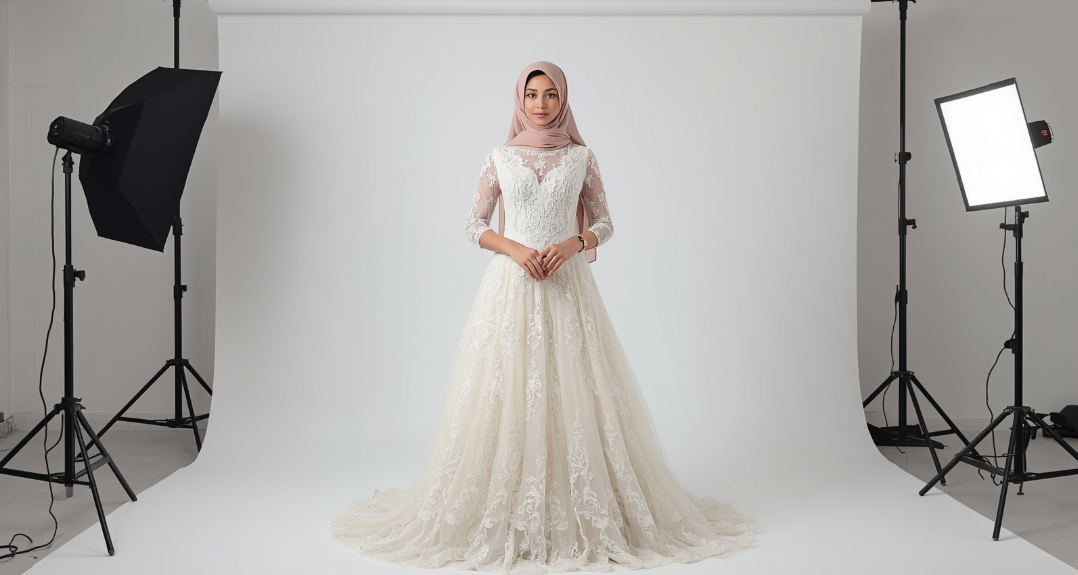
Your wedding dress is more than just a piece of clothing—it’s a symbol of one of the most important days of your life. Knowing how to preserve wedding dress properly ensures that it stays pristine for decades, allowing you to pass it down as a family heirloom or keep it as a cherished memento. Many brides are unsure about the best methods to protect delicate fabrics, prevent yellowing, and maintain the intricate details of their gown. This comprehensive guide will cover every aspect of how to preserve wedding dress, from cleaning and storage to long-term care and modern preservation techniques.
By following these expert strategies, you can guarantee that your wedding dress remains as beautiful as the day you wore it.
Why It’s Important to Preserve Your Wedding Dress
Learning how to preserve wedding dress is crucial because wedding gowns are often made from delicate fabrics such as silk, satin, lace, and tulle. Over time, exposure to light, humidity, and improper storage can cause yellowing, fabric deterioration, and loss of embellishments. Proper preservation ensures:
- Long-lasting beauty: Maintains the original color, shape, and details.
- Sentimental value: Keeps a tangible memory of your wedding day intact.
- Heirloom potential: Allows future generations to enjoy or repurpose the dress.
- Resale value: Preserves quality for potential resale if desired.
Without careful attention, even high-quality gowns can suffer permanent damage. Understanding how to preserve wedding dress protects both emotional and monetary value.
Preparing Your Wedding Dress for Preservation
Before storing your gown, you need to prepare it properly. This step is critical in learning how to preserve wedding dress because uncleaned or improperly handled dresses can yellow, stain, or degrade over time.
1. Professional Cleaning
- Why it matters: Stains from makeup, sweat, food, or wine can set into fabric over time.
- Process: Take your dress to a professional bridal cleaner who specializes in delicate fabrics. Make sure the cleaner uses gentle, non-bleaching solutions appropriate for silk, satin, lace, or chiffon.
- Timing: Clean the dress as soon as possible after the wedding, ideally within a few weeks.
2. Inspect for Damage
- Check seams, beading, lace, and zippers for wear or damage.
- Repair minor issues before storage to prevent further deterioration.
- Handle embellishments carefully to avoid snagging or loosening.
3. Avoid DIY Cleaning
- Do not attempt harsh chemical cleaning at home.
- Avoid washing machines or regular dry cleaning solutions that can damage delicate fabrics.
- Always consult a professional for guidance, especially for silk or vintage gowns.
Best Storage Methods for Preserving a Wedding Dress
The key to learning how to preserve wedding dress is selecting the right storage method. There are several approaches depending on your available space, budget, and preference for long-term care.
1. Acid-Free Boxes
- Materials: Use acid-free tissue paper and boxes to prevent yellowing.
- Process: Wrap the dress carefully in acid-free tissue paper, paying attention to folds and delicate embellishments.
- Storage: Place the wrapped dress in a sturdy acid-free box and store it in a cool, dry area.
- Advantage: Prevents exposure to light and dust, and reduces chemical reactions that cause fabric damage.
2. Garment Bags
- Materials: Use breathable garment bags made from cotton or muslin.
- Process: Hang the gown using padded hangers to avoid stress on seams.
- Storage: Keep in a closet away from direct sunlight, heat sources, or damp areas.
- Advantage: Allows air circulation, prevents crushing, and protects from dust.
3. Avoid Plastic
- Do not store your wedding dress in plastic bags, as they trap moisture and can lead to mold or mildew.
- Plastic also accelerates yellowing over time, especially for white or ivory fabrics.
4. Flat Storage
- For extremely delicate or heavy gowns, flat storage in a drawer or box with acid-free tissue layers can prevent stress on seams and fabric.
- Ideal for vintage gowns or dresses with intricate beading or lace overlays.
Folding Techniques to Preserve Your Wedding Dress
How you fold your gown is just as important as storage. Proper folding prevents permanent creases and fabric damage.
1. Use Acid-Free Tissue Paper
- Place tissue paper between layers of fabric to avoid friction.
- Fill the bodice, sleeves, and skirt folds with tissue to maintain shape.
2. Avoid Sharp Folds
- Make gentle, rounded folds instead of tight creases.
- Focus on distributing weight evenly to prevent stress on seams and embellishments.
3. Re-Fold Periodically
- Every 6–12 months, refold the dress along new tissue lines to prevent permanent fold marks.
- Inspect for yellowing or stains during this process.
Temperature and Humidity Considerations
Environmental factors play a major role in how to preserve wedding dress. Improper storage conditions can cause fabric deterioration, discoloration, or mold.
1. Cool, Dry Storage
- Ideal temperature: 60–70°F (15–21°C).
- Avoid attics, basements, or garages where temperature and humidity fluctuate.
2. Low Humidity
- High humidity encourages mold and mildew.
- Aim for 50% relative humidity or lower if possible.
3. Avoid Direct Sunlight
- UV rays fade fabrics and weaken fibers.
- Store your gown in a dark or shaded area, even if it’s inside a box or garment bag.
Protecting Delicate Fabrics
Different wedding dress fabrics require specific attention when learning how to preserve wedding dress.
1. Silk
- Avoid harsh cleaners and high temperatures.
- Store in breathable fabric bags or acid-free tissue.
2. Satin
- Satin can snag easily; fold with tissue between layers.
- Avoid hanging for long periods if it’s heavy, as it may stretch.
3. Lace
- Place tissue paper under lace sections to prevent tearing or snagging.
- Avoid folding over embellishments.
4. Tulle
- Lightweight and delicate, tulle should be supported with tissue to maintain volume.
- Consider hanging or lightly rolling layers to prevent wrinkles.
Modern Preservation Techniques
Brides today use several innovative methods to extend the life of their wedding gowns:
1. Professional Preservation Services
- Many bridal shops offer preservation packages that include cleaning, wrapping, and archival storage.
- These services often use vacuum-sealed acid-free boxes or museum-quality materials.
2. Climate-Controlled Storage
- Some brides invest in climate-controlled closets or safes to maintain optimal temperature and humidity.
- This method is especially useful for heirloom or designer dresses.
3. Display Cases
- Glass or acrylic display cases allow you to showcase your gown while protecting it from dust, light, and moisture.
- Ideal for dresses with intricate beadwork or sentimental value.
4. Vacuum-Sealing
- Carefully vacuum-sealed bags can minimize exposure to air, but only for short-term storage.
- Ensure the dress is wrapped in acid-free tissue first to prevent crushing or wrinkles.
Handling and Moving Your Wedding Dress
Proper handling is an essential part of how to preserve wedding dress. Even minor mishandling can cause irreversible damage.
1. Always Wash Hands
- Natural oils, makeup, or lotions can stain delicate fabrics.
- Wear clean cotton gloves if possible.
2. Support the Dress
- When moving the dress, support both the bodice and skirt.
- Avoid lifting by the straps alone, as this may stretch seams.
3. Limit Exposure
- Only take the dress out of storage when necessary.
- Avoid prolonged exposure to light, dust, or fluctuating temperatures.
Preserving Accessories and Veils
Wedding dresses often come with accessories like veils, belts, or sashes, which also require preservation:
1. Veils
- Wrap in acid-free tissue and store separately.
- Avoid folding too tightly to maintain volume and prevent creases.
2. Belts and Sashes
- Store flat or loosely rolled to prevent creasing.
- Use tissue between folds for delicate fabrics or embellishments.
3. Shoes and Gloves
- Clean thoroughly before storage.
- Store in separate acid-free boxes to avoid color transfer or material damage.
Long-Term Care Tips
Even after proper preservation, regular inspection and care are necessary to maintain your gown’s condition.
1. Periodic Checks
- Every 6–12 months, inspect for yellowing, mildew, or fabric damage.
- Re-fold and adjust tissue paper as needed.
2. Address Issues Promptly
- Treat minor stains or fabric issues immediately.
- Consult a professional if unsure how to handle delicate materials.
3. Keep Documentation
- Preserve purchase receipts, cleaning records, and care instructions for future reference.
FAQs: How to Preserve Wedding Dress
1. Why is it important to know how to preserve wedding dress?
Knowing how to preserve wedding dress ensures your gown remains beautiful and intact for years, preventing yellowing, fabric deterioration, and damage to delicate embellishments. Proper preservation protects both the sentimental and financial value of your dress.
2. When should I have my wedding dress cleaned for preservation?
It’s best to have your dress professionally cleaned as soon as possible after the wedding, ideally within a few weeks, to remove stains, sweat, makeup, and other residues before they set permanently.
3. Can I preserve my wedding dress at home?
Yes, but it must be done carefully. Use acid-free tissue, breathable fabric bags, and store in a cool, dry, dark location. Avoid plastic bags, basements, attics, or high humidity areas.
4. What storage method is best for preserving a wedding dress?
The best methods are:
- Acid-free boxes with tissue paper
- Breathable garment bags with padded hangers
- Flat storage for heavy or delicate gowns
Avoid plastic storage bags, which can trap moisture and cause yellowing.
5. How should I handle delicate fabrics like lace or silk?
Wrap delicate areas in acid-free tissue, avoid sharp folds, and consider professional preservation services for fabrics like silk, lace, or tulle. Never attempt harsh cleaning or machine washing.
6. Can I preserve my dress with the accessories?
Yes, store veils, sashes, gloves, and shoes separately with tissue paper. Avoid folding tightly and keep items in separate boxes to prevent crushing or color transfer.
7. How often should I check my preserved wedding dress?
Inspect your dress every 6–12 months for yellowing, mildew, or fabric issues. Refold and adjust tissue paper as needed to maintain shape and prevent permanent creases.
8. Are professional preservation services worth it?
Professional services can provide museum-quality cleaning, acid-free wrapping, and climate-controlled storage, making them a great choice for designer or sentimental gowns.
9. Can vacuum-sealing help preserve my wedding dress?
Vacuum-sealing can minimize air exposure for short-term storage, but always wrap the gown in acid-free tissue first and avoid long-term compression, which may damage delicate fabrics.
10. How long can a well-preserved wedding dress last?
With proper cleaning, wrapping, and storage, a wedding dress can last for decades, maintaining its color, shape, and fabric integrity for future generations.
Conclusion
Mastering how to preserve wedding dress is essential to maintain its beauty, fabric integrity, and sentimental value over time. Proper cleaning, careful handling, and appropriate storage methods such as acid-free boxes, breathable garment bags, and flat storage ensure your gown remains pristine for decades.
Regular inspections, periodic refolding, and attention to delicate fabrics prevent yellowing, mildew, and deterioration, while professional preservation services offer additional protection for high-value or heirloom dresses. By following these guidelines, your wedding dress can remain a cherished keepsake, ready to be passed down, displayed, or preserved as a timeless memory of one of life’s most special moments.