
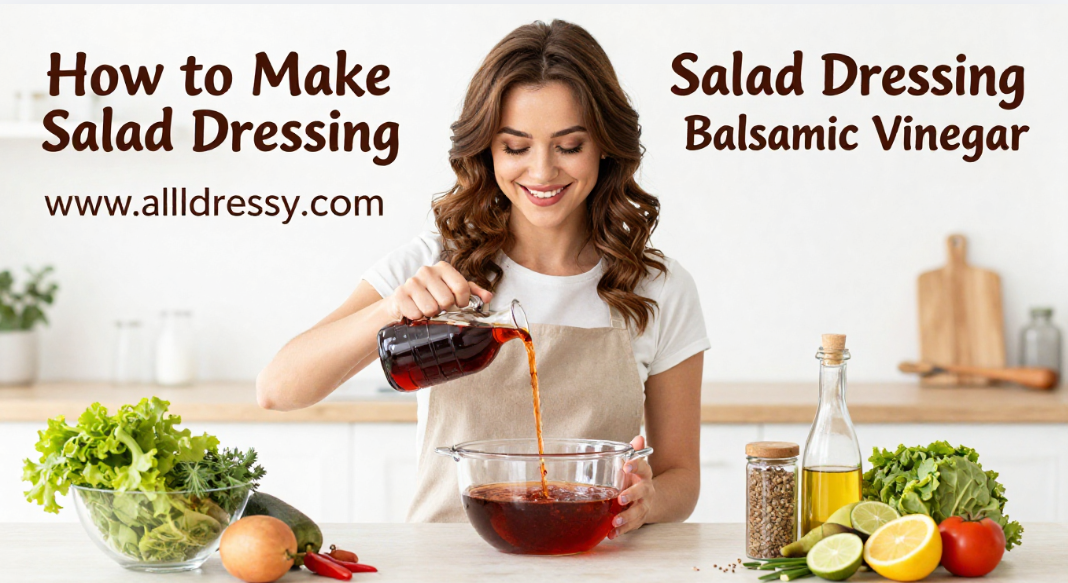
Knowing how to make salad dressing with balsamic vinegar is an essential skill for anyone who wants to elevate everyday salads into flavorful, gourmet dishes. Balsamic vinegar, with its rich, tangy-sweet flavor, creates a versatile base for dressings that pair beautifully with fresh greens, roasted vegetables, grilled meats, and even fruits.
This guide will walk you through everything about how to make salad dressing with balsamic vinegar: from choosing the right ingredients, balancing flavors, mastering emulsification, and exploring variations, to tips for storage, health considerations, and creative serving ideas. By the end, you will have the knowledge and confidence to craft perfectly balanced balsamic dressings every time.
Understanding the Basics: How to Make Salad Dressing with Balsamic Vinegar
At its core, balsamic vinaigrette is a combination of acid, fat, and flavoring. The acid comes from the balsamic vinegar, the fat from olive oil or other oils, and flavoring from herbs, spices, and other ingredients.
Key Components:
- Balsamic Vinegar: Provides the signature sweet-tart taste and aromatic depth.
- Oil: Olive oil is classic, but avocado, walnut, or grapeseed oil can be used for different flavors.
- Emulsifier: Ingredients like mustard or honey help bind oil and vinegar into a smooth dressing.
- Seasonings: Salt, pepper, garlic, shallots, or fresh herbs elevate the flavor.
- Optional Sweeteners: Honey, maple syrup, or agave can balance acidity.
Understanding these components is essential for mastering how to make salad dressing with balsamic vinegar.
Choosing the Right Balsamic Vinegar
The quality of your balsamic vinegar directly affects the flavor of your dressing.
Types of Balsamic Vinegar:
- Traditional Balsamic Vinegar: Aged, rich, and sweet; best for finishing dishes.
- Commercial Balsamic Vinegar: Affordable, thinner consistency, suitable for salad dressings.
- Glazed Balsamic Vinegar: Sweet and syrupy, adds depth without extra sweeteners.
For salad dressings, a high-quality but not overly expensive balsamic vinegar is usually ideal.
Selecting the Perfect Oil
The type of oil used influences both taste and texture.
Best Options:
- Extra Virgin Olive Oil: Classic, robust flavor, ideal for most salads.
- Avocado Oil: Smooth, mild flavor, good for creamy dressings.
- Walnut Oil: Nutty and aromatic, pairs beautifully with fruit salads.
- Grapeseed Oil: Light and neutral, allows balsamic flavor to shine.
Tips:
- Use cold-pressed oils for superior taste.
- Avoid heavily processed oils that may alter flavor.
Balancing Acid and Fat
A great balsamic vinaigrette balances acidity from vinegar with the richness of oil.
Classic Ratio:
- 3 parts oil : 1 part balsamic vinegar
Adjusting for Taste:
- Add more vinegar for tangier flavor
- Add more oil for a milder taste
- Use emulsifiers like mustard or honey to create a creamy texture
Essential Flavorings for Balsamic Dressing
Enhance your dressing with complementary ingredients.
Common Additions:
- Garlic: Fresh or roasted for pungency
- Shallots: Mild onion flavor
- Honey or Maple Syrup: Balances acidity
- Mustard: Acts as emulsifier and adds depth
- Fresh Herbs: Basil, thyme, oregano, or parsley
Experimenting with flavorings allows you to create unique profiles when learning how to make salad dressing with balsamic vinegar.
Step-by-Step Guide: How to Make Salad Dressing with Balsamic Vinegar
Here’s a simple, classic method to start:
Ingredients:
- ¼ cup balsamic vinegar
- ¾ cup extra virgin olive oil
- 1 teaspoon Dijon mustard
- 1 teaspoon honey or maple syrup
- 1 clove garlic, minced
- Salt and freshly ground pepper to taste
Instructions:
- Combine Vinegar and Flavorings:
- In a bowl or jar, whisk together balsamic vinegar, mustard, honey, and garlic.
- Emulsify with Oil:
- Slowly drizzle in olive oil while whisking vigorously, or shake all ingredients in a sealed jar.
- Adjust Seasoning:
- Taste and add salt, pepper, or more sweetener if needed.
- Serve:
- Drizzle over salad greens, roasted vegetables, or grilled meats.
This basic formula is versatile and can be adapted to various ingredients and flavor profiles.
Emulsification: The Science Behind the Perfect Dressing
Emulsification is the process of combining two liquids that typically don’t mix, like oil and vinegar.
Tips for Better Emulsification:
- Use an emulsifier like mustard, egg yolk, or honey
- Add oil slowly while whisking or shaking
- Room temperature ingredients emulsify more easily
A properly emulsified dressing has a smooth, consistent texture that clings to salad ingredients rather than separating.
Creamy Balsamic Dressings
While classic vinaigrettes are thin, creamy versions add a richer texture.
Methods to Make Creamy Dressing:
- Blend with Greek yogurt or mayonnaise
- Add avocado for natural creaminess
- Use silken tofu for a vegan option
Creamy balsamic dressing pairs well with hearty greens like kale or arugula.
Variations of Balsamic Salad Dressing
Experimenting allows endless creativity when learning how to make salad dressing with balsamic vinegar.
Honey Balsamic Dressing
- Adds sweetness to balance acidity
- Ideal for fruit-based salads
Garlic and Herb Balsamic Dressing
- Fresh herbs and minced garlic for aromatic depth
- Perfect for roasted vegetable salads
Spicy Balsamic Dressing
- Add red pepper flakes or sriracha
- Pairs with grilled meats or bold greens
Maple Balsamic Dressing
- Maple syrup as sweetener
- Great for fall salads with nuts and apples
Using Balsamic Dressing Beyond Salads
Balsamic dressing is versatile and can enhance multiple dishes:
- Marinade for Chicken or Pork: Adds flavor and tenderizes meat
- Drizzle over Roasted Vegetables: Adds acidity and richness
- Glaze for Fruit or Cheese Plates: Sweet and tangy enhancement
- Sandwich Spread: Adds moisture and flavor to wraps or sandwiches
Tips for Storing Homemade Balsamic Dressing
Proper storage maintains flavor and freshness.
- Store in airtight container or jar with lid
- Keep in refrigerator for up to two weeks
- Shake or whisk before serving to recombine separated ingredients
- Avoid prolonged exposure to heat or sunlight
Health Benefits of Balsamic Vinegar
- Rich in antioxidants, which combat oxidative stress
- May improve digestion and stabilize blood sugar levels
- Lower in calories compared to creamy store-bought dressings
- Pairs with healthy oils to provide heart-healthy fats
Using homemade dressing allows you to control sugar and sodium levels for a healthier option.
Pairing Balsamic Dressing with Different Salads
Green Salads:
- Mixed greens, arugula, or spinach
- Cherry tomatoes, cucumbers, and bell peppers
Protein Salads:
- Grilled chicken, salmon, or tofu
- Hard-boiled eggs and beans
Grain Salads:
- Quinoa, farro, or couscous
- Roasted vegetables and feta cheese
Balsamic dressing enhances the flavor without overpowering fresh ingredients.
Making Dressing for Large Batches
- Multiply ingredients proportionally
- Blend with immersion blender for smooth texture
- Store in glass bottles or jars for convenience
- Great for meal prep and entertaining
Troubleshooting Common Issues
Dressing Too Tart
- Add sweetener like honey or maple syrup
- Increase oil proportion slightly
Dressing Too Thick
- Whisk in small amounts of water or extra vinegar gradually
- Blend with a small splash of lemon juice
Dressing Separates
- Shake or whisk vigorously before use
- Add emulsifier like mustard or honey
Creative Additions to Elevate Flavor
- Nuts: Toasted almonds or walnuts
- Cheese: Parmesan or feta crumbles
- Fruits: Strawberries, blueberries, or pear slices
- Spices: Smoked paprika or freshly ground black pepper
These additions enhance both visual appeal and flavor complexity.
Seasonal Balsamic Dressing Ideas
Spring:
- Fresh herbs like basil and chives
- Lightly sweetened with honey
Summer:
- Pair with ripe tomatoes, cucumbers, and berries
- Use lighter oils for refreshing taste
Autumn:
- Maple syrup or apple cider vinegar addition
- Incorporate roasted squash or nuts
Winter:
- Use roasted garlic and hearty greens
- Add spices like cinnamon or nutmeg for warmth
Key Equipment for Making Salad Dressing
- Whisk or fork for emulsification
- Mixing bowl or jar with tight lid
- Measuring spoons and cups for accurate ratios
- Blender or immersion blender for creamy versions
Having the right tools simplifies the process and ensures consistent results.
How to Adjust Dressing for Personal Preferences
- Sweeter: Add honey, maple syrup, or agave
- Tangier: Increase balsamic vinegar proportion
- Creamier: Add yogurt, avocado, or mayonnaise
- Spicier: Incorporate crushed red pepper, horseradish, or mustard
Personalizing dressing ensures your salads always match your taste preferences.
Serving Suggestions
- Drizzle lightly over mixed greens or arugula
- Toss roasted vegetables with balsamic dressing
- Use as a dipping sauce for bread
- Pair with fresh mozzarella and tomatoes for a Caprese salad
The versatility of balsamic dressing makes it suitable for a wide range of dishes.
Tips for Making Dressing Ahead of Time
- Prepare in a jar and refrigerate
- Shake or whisk before use to recombine
- Allows flavors to meld, enhancing taste
- Ideal for meal prep or entertaining
How to Make Salad Dressing with Balsamic Vinegar: Final Thoughts
Mastering how to make salad dressing with balsamic vinegar transforms ordinary salads into flavorful, sophisticated dishes. By balancing acidity, oil, sweeteners, and seasonings, experimenting with creative variations, and understanding proper storage and emulsification, you can create a dressing that’s versatile, healthy, and delicious.
Homemade balsamic dressing is superior to store-bought versions, providing freshness, control over ingredients, and the ability to tailor flavor to any meal. Whether drizzled over greens, roasted vegetables, grains, or proteins, a perfectly crafted balsamic dressing elevates every dish.
How to Make Salad Dressing with Balsamic Vinegar: FAQs
1. What is the basic ratio for making balsamic vinaigrette?
A classic ratio is 3 parts oil to 1 part balsamic vinegar. This balance provides a smooth, flavorful dressing that isn’t too tart or too oily. Adjust the ratio slightly based on taste preferences.
2. Can I make balsamic dressing ahead of time?
Yes. Homemade balsamic dressing can be stored in the refrigerator for up to two weeks. Always shake or whisk before serving to recombine any separated oil and vinegar.
3. How do I prevent the dressing from separating?
Using an emulsifier such as mustard or honey helps bind the oil and vinegar. Additionally, whisking or shaking vigorously before each use ensures a smooth, cohesive dressing.
4. Can I make a creamy balsamic dressing?
Absolutely. Blend balsamic vinegar with ingredients like Greek yogurt, avocado, or mayonnaise to create a creamy texture. This variation pairs well with hearty greens and roasted vegetables.
5. What oils work best for balsamic dressing?
Extra virgin olive oil is classic, but other options include avocado oil, walnut oil, or grapeseed oil. Choose oils based on desired flavor and richness.
6. How can I adjust sweetness or acidity?
- To sweeten: Add honey, maple syrup, or agave
- To increase acidity: Add extra balsamic vinegar or a splash of lemon juice
Balancing sweetness and acidity helps achieve a harmonious flavor.
7. Can balsamic dressing be used for more than salads?
Yes. Balsamic dressing is versatile. Use it as a marinade for meats, a drizzle over roasted vegetables, a topping for fruit or cheese plates, or even as a sandwich spread.
8. Are there healthy options for balsamic dressing?
Yes. Control ingredients by using low-sodium balsamic vinegar, less oil, and natural sweeteners. Homemade dressings allow you to avoid preservatives, excess sugar, and artificial additives found in store-bought versions.
Conclusion: Mastering How to Make Salad Dressing with Balsamic Vinegar
Learning how to make salad dressing with balsamic vinegar is a simple way to transform everyday meals into flavorful, healthy dishes. By understanding the balance of oil, vinegar, and seasonings, using quality ingredients, and experimenting with variations, you can craft a dressing that complements a wide range of salads, vegetables, and proteins.
Homemade balsamic dressing offers superior taste, freshness, and versatility compared to store-bought options. Whether you prefer a classic vinaigrette, a creamy version, or a sweet-spicy twist, mastering these techniques ensures your salads are always vibrant, flavorful, and memorable. With these tips and techniques, every dish becomes an opportunity to impress family, friends, or guests with your culinary skill.